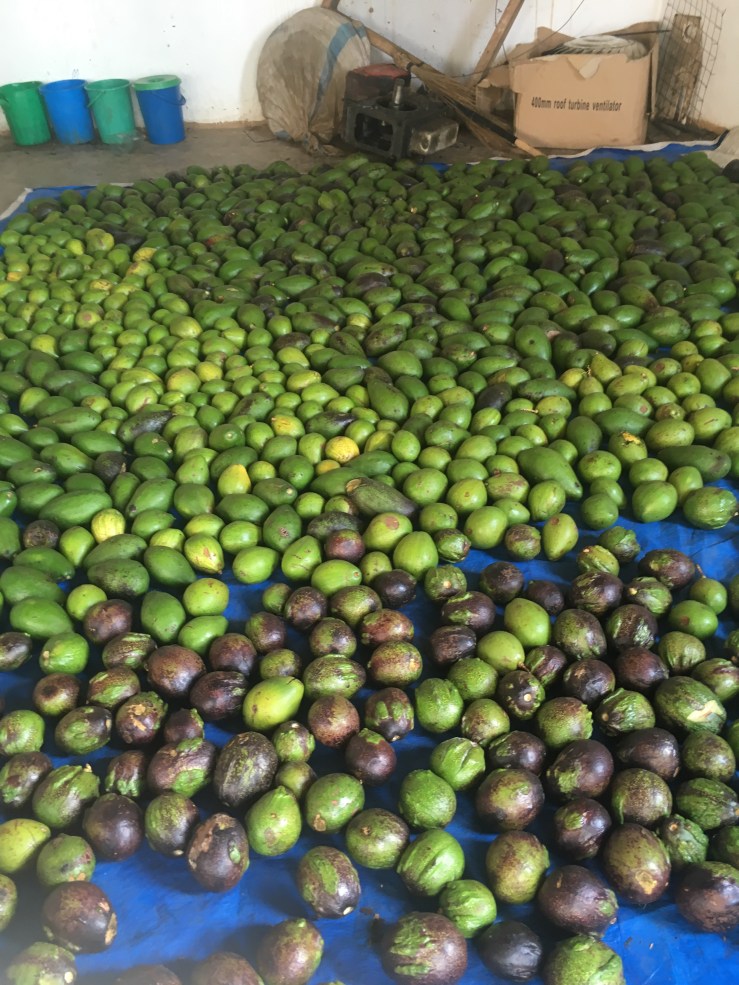
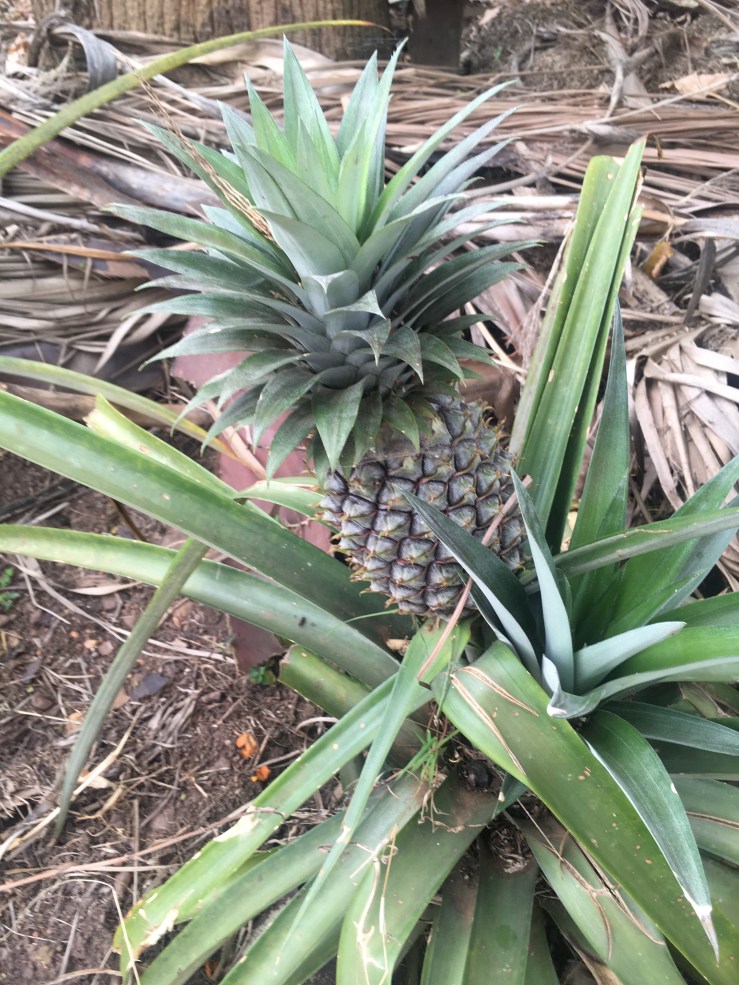
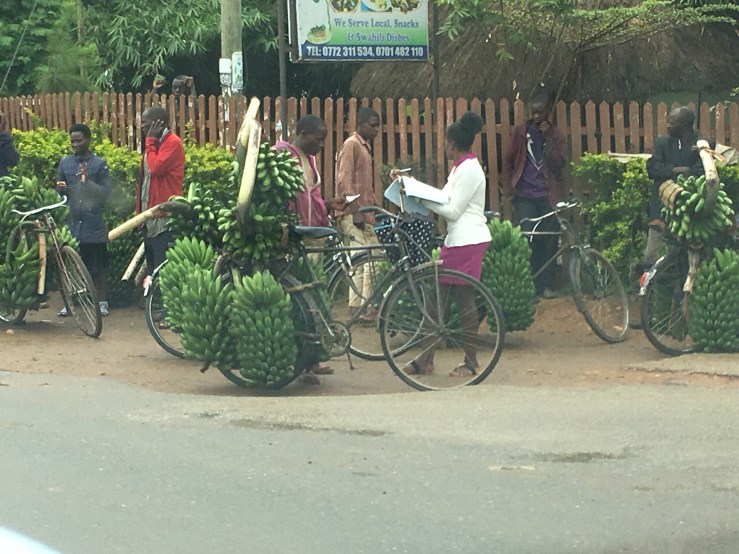
We spent the month of February in Uganda. We traveled over 3600 kilometers and covered most of the country (except the northwest corner). Uganda is known as the “Pearl of Africa” and also the “Banana Republic”, by locals. Fast facts: population about 45 million and 84% live in rural areas. Uganda is a landlocked country and about the size of Arizona. Biggest city: Kampala with about 1.3 million people. Uganda has almost everything: mountains (with snow), forests, jungles, rivers and lakes including Lake Victoria (largest lake in Africa and it has many islands). Fun fact: It is the second largest producer of bananas in the world with 84 unique varieties. The average Ugandan adult eats 550 lbs. of bananas a year. Most of that is matoke, like a plantain but different (google it). They also grow cassava, pineapples, jackfruit (one almost fell on my head), avocados (they are like blackberries to us-everywhere), maize, millet, sorghum, sugarcane and of course coffee and tea.
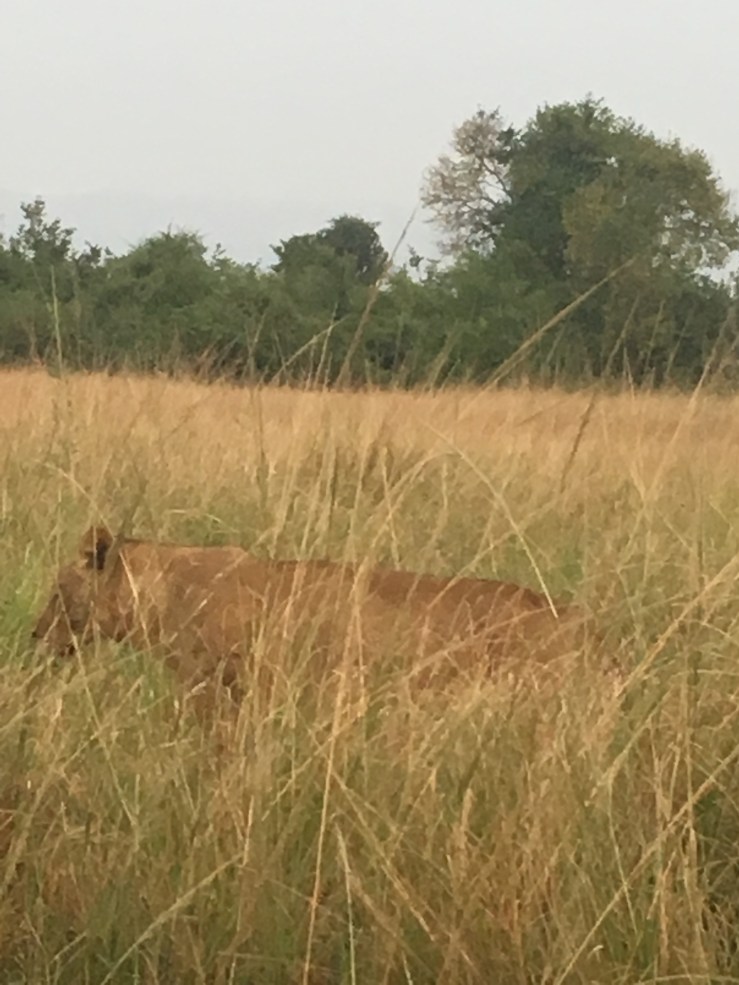
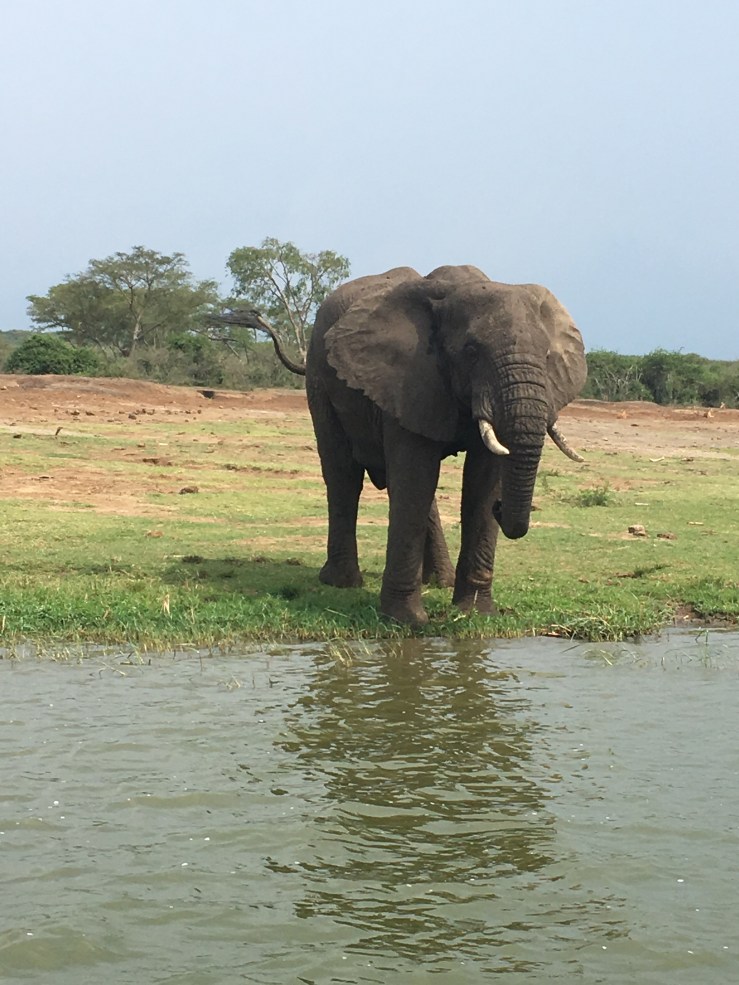
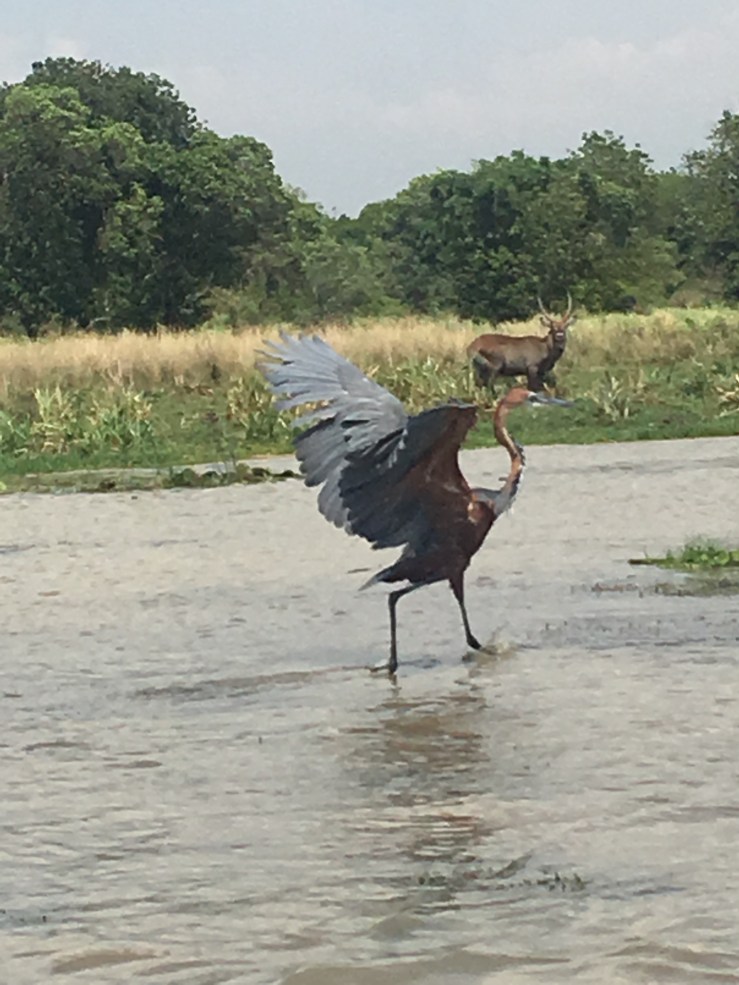
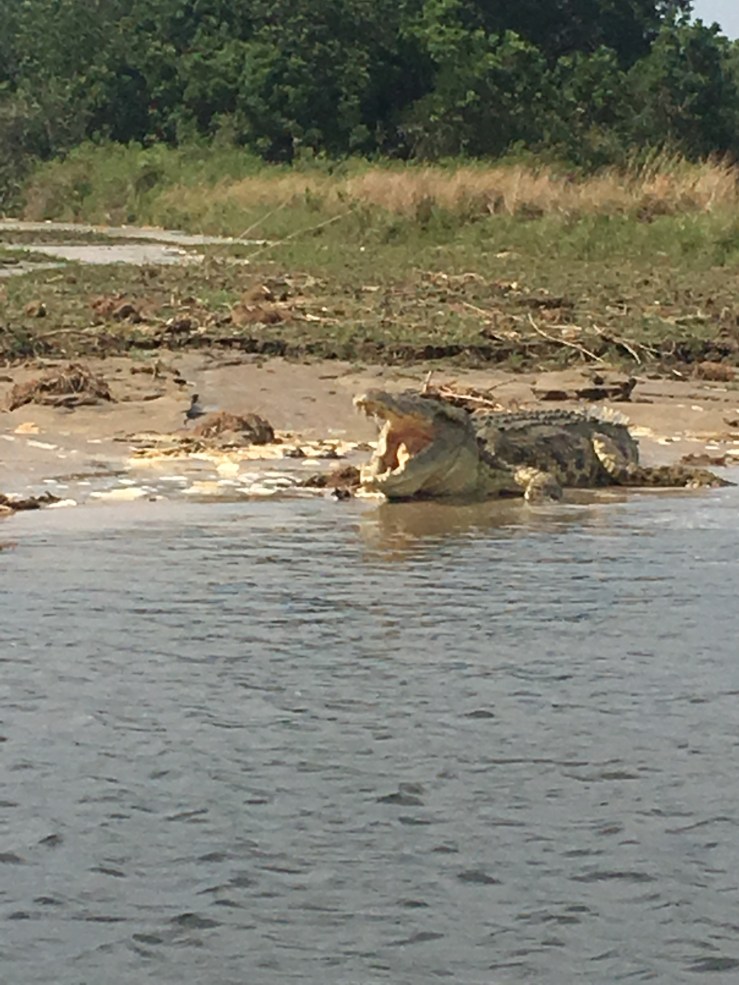
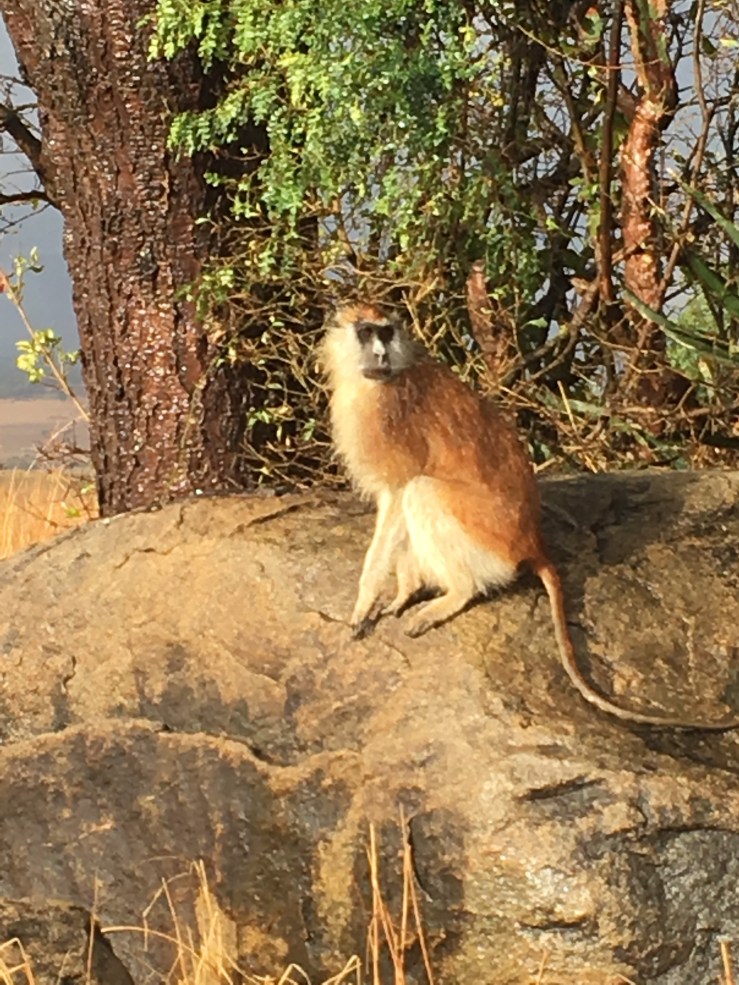
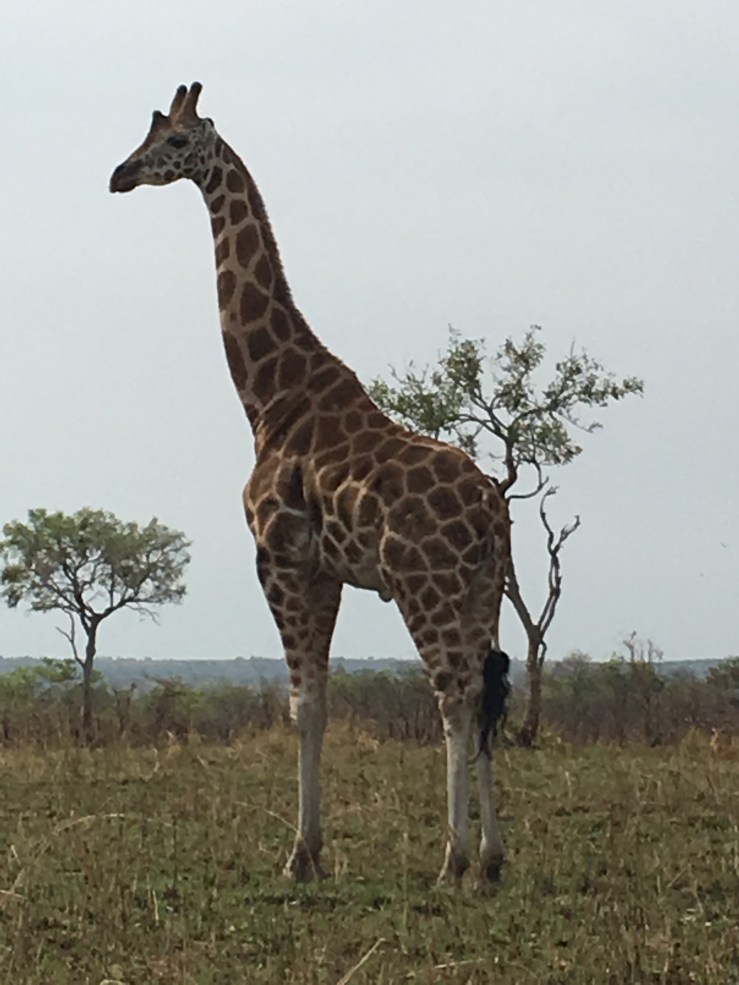
We were able to visit 6 of the national parks in the country, all very different from each other. We saw hippos, buffalo, elephants, giraffes, several types of antelope, crocodiles (on the Nile), baboons, warthogs (even baby Pumbaas), and finally 3 lion sightings and gorillas. It was incredible.
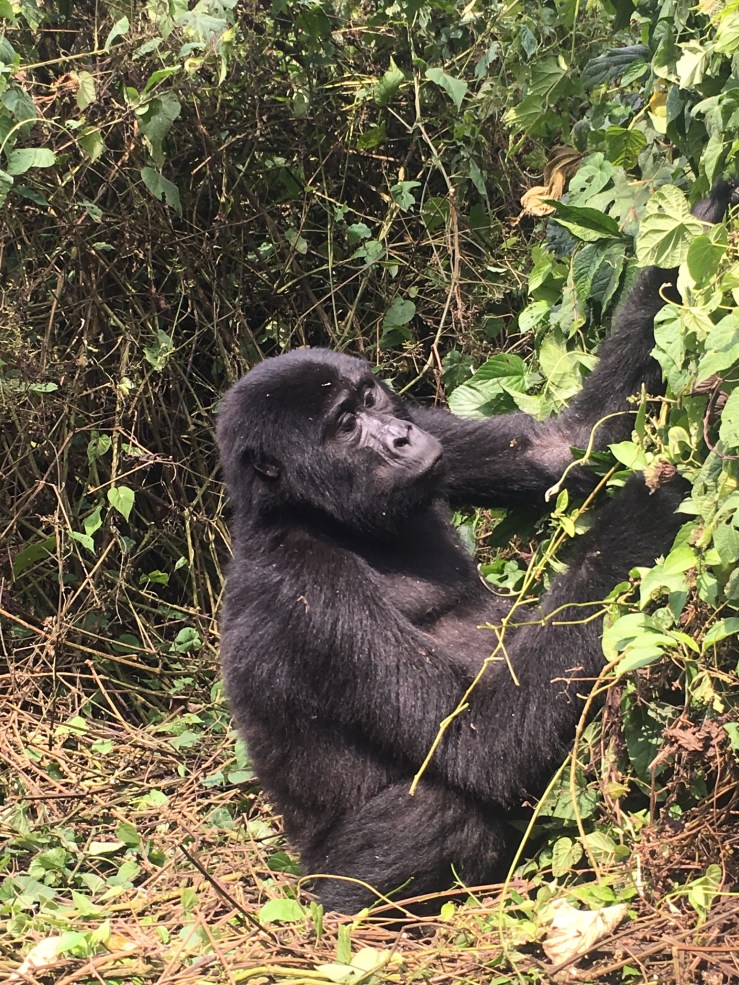
The day we trekked into Bwindi Impenetrable National Park to see the mountain gorillas was unforgettable. We arrived in the morning and they explain that the trackers have been out since dawn looking for the 10 habituated family groups. There are 27 total family groups in the forest and each family has 8-15 gorillas. They nest in a new spot every night. We got put into groups of 8 tourists with one guide and one ranger who carries a gun in case we come upon elephants who also live in the forest. We hiked for two hours gaining about 1000 feet in elevation. Our group was unique in that one traveler was carried the whole way on a gurney of sorts (a car seat that was welded to two bars and carried by 4 extra guides. He was humbled and thankful to get to experience the gorillas as well. When we got close we heard the trackers whistle to our guide to prepare us. We left our bags, water, food, etc. and only carried our cameras and followed the trackers. We were no longer on a trail so they used machetes to make a way. We could see the bushes moving and first saw an adolescent, then another, then two females with two babies and finally the silverback. There were a total of 14 gorillas in this family. We spent just over an hour with them. Mostly they ate and the babies played. We were told to stay at least 7 meters distance from them but one adolescent gorilla didn’t know that rule and almost stepped on Jim’s toe walking by him. Our guide was next to him and said, “Stay calm and don’t move.” It was an unreal and beautiful experience.
Jim’s addition…After communing with the Gorillas, Gerald took us to Lake Bunyonyi, one of the deepest lakes in Africa, on the border of Rwanda. The lodge where we stayed had an incredible view of both the lake and the series of the 4 volcanic mountains of Uganda, Rwanda and The Congo (DRC) of which the Congolese one is still active.
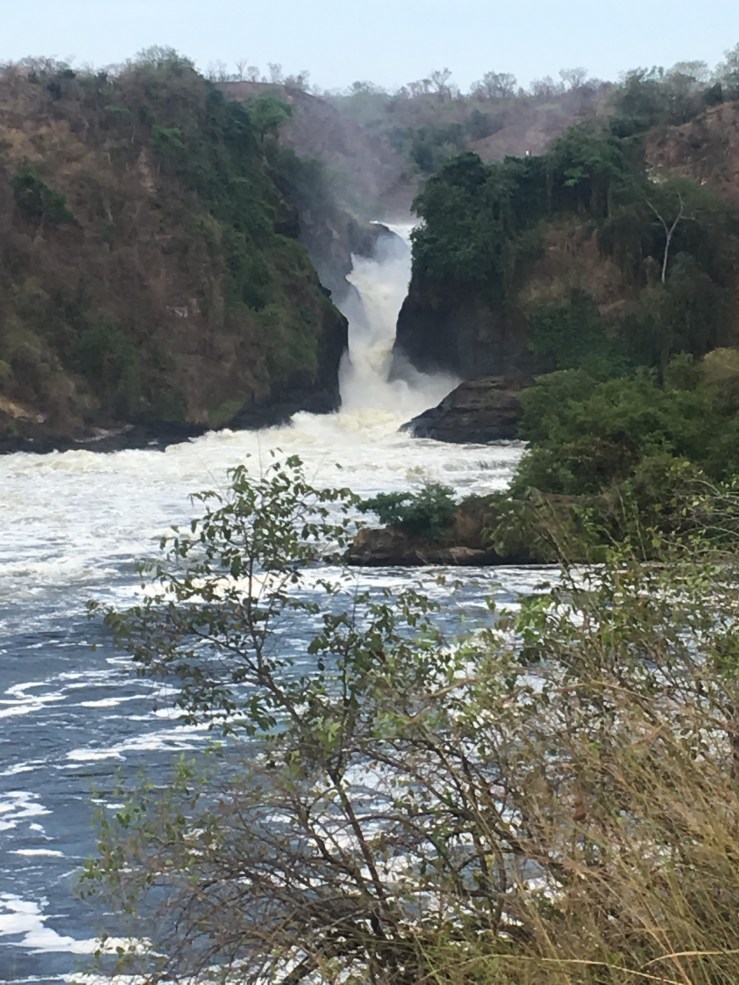
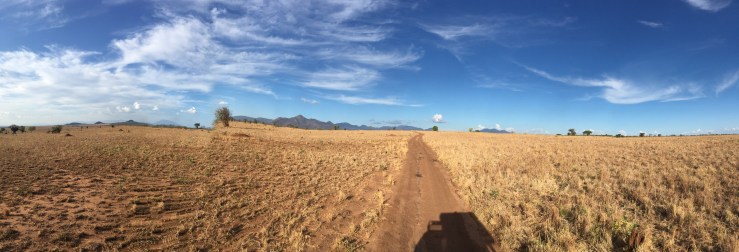
Now to the Safari, with the help of Gerald’s friends we were able to put together a remarkable 5 day Safari to 4 National Parks. Murchison is the largest in Uganda. Its vastness and number and diversity of animals is overwhelming. From there we journeyed to Kidepo in a remote area on the border with South Sudan. The incredible natural beauty of this park has won my heart and I now consider it the most inviting region I have visited in Africa. The wildlife is stunning and we had the uncommon experience of greeting a herd of several hundred buffalo settling down for the the night on either side and in the middle of the road. Our quide carefully and gingerly maneuvered our vehicle through the herd as these animals are one of the most dangerous and unpredictable ones in Africa.
The next day we headed to Mt Elgon and Sipi Falls, an area I know well as it is one of the best coffee growing areas of Uganda. As Michelle mentioned each area of Uganda has its own special character and this one did not dissapoint.
Our last stop was in Jinja, home of the source of the White Nile. I had crossed the Nile at least 4 times prior to this visit and my coffee colleagues would point in the direction of Lake Victoria and say, “there is the source of the Nile”. I had always acknowledged and accepted their answer until now that we really did see it. Yes, water does empty out of Lake Victoria, particularly in the rainy season, but the unending source comes welling up from beneath lake bed and is the real eternal source of the Nile.
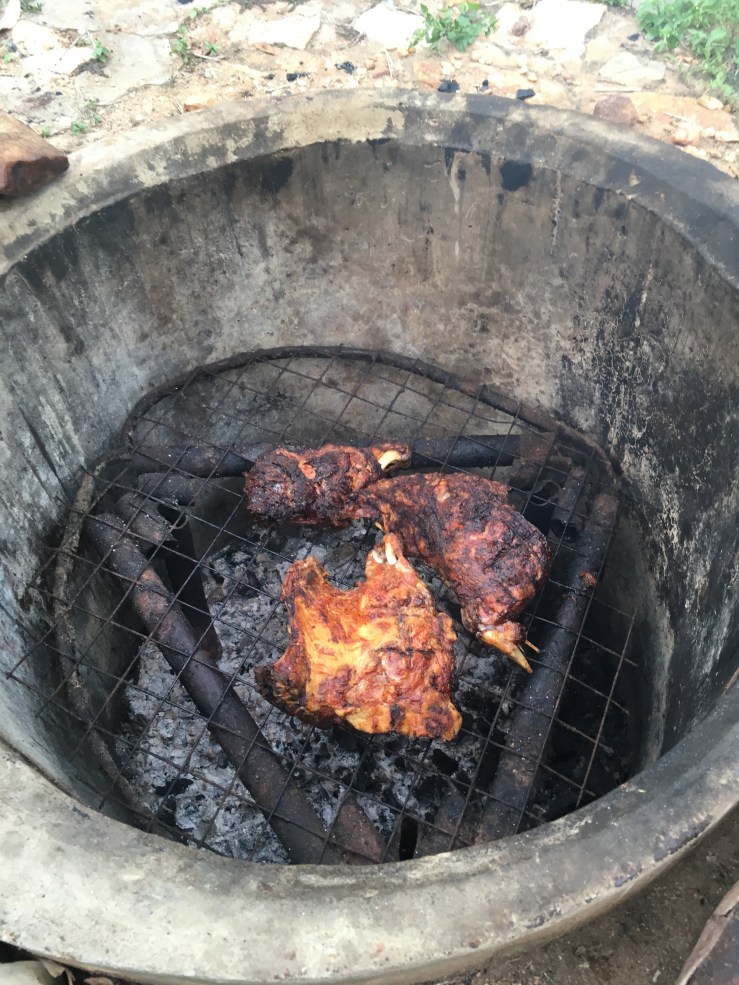
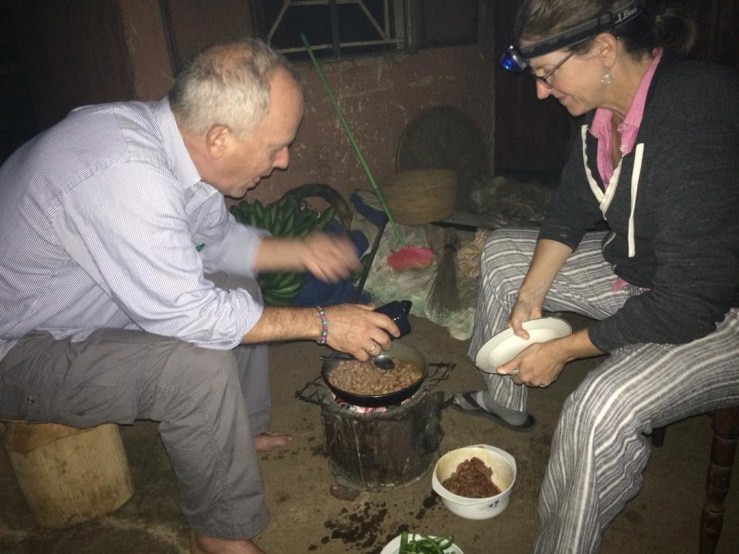
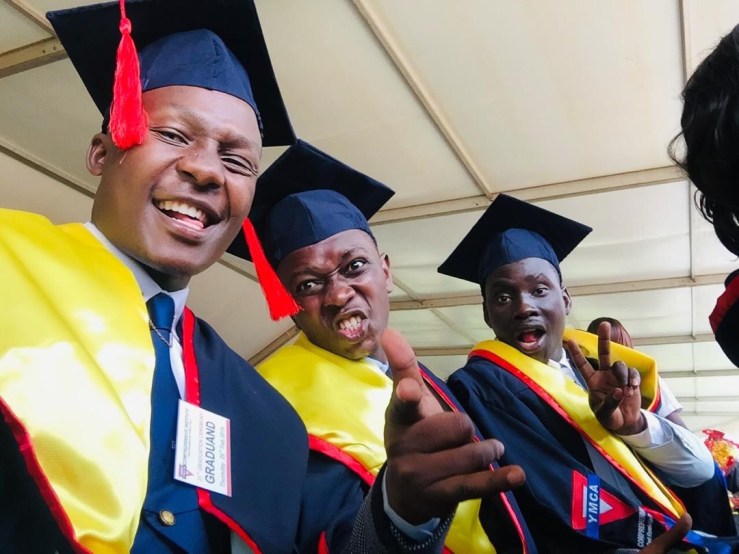
The other gift in our time in Uganda were the people we met, stayed with and learned from. A friend of ours from Seattle lives in Uganda and organizes adult literacy classes around Mbale, which is in Eastern Uganda. He was still in Seattle visiting family but let us stay in his home. He shares his home with several students who welcomed us. These three young men, who just finished a degree in hospitality, took great care of us. They showed us around Kampala, took us to a movie, cooked for us and taught me how to make my first Ugandan dish. Ugandan Smoked Fish Stew (they called it “Fish Daga”). It was great. We were able to come back at the end of the month and celebrate their graduation. These three are great examples of many of the people we met throughout our time. They are incredibly optimistic and hopeful even though they have overcome many hardships. They love Uganda and feel very positive about their futures. In Uganda many people are still affected by the HIV virus, TB or other life threatening illnesses. Many have lost parents or other loved ones and have had to work extra hard to pursue their dreams.
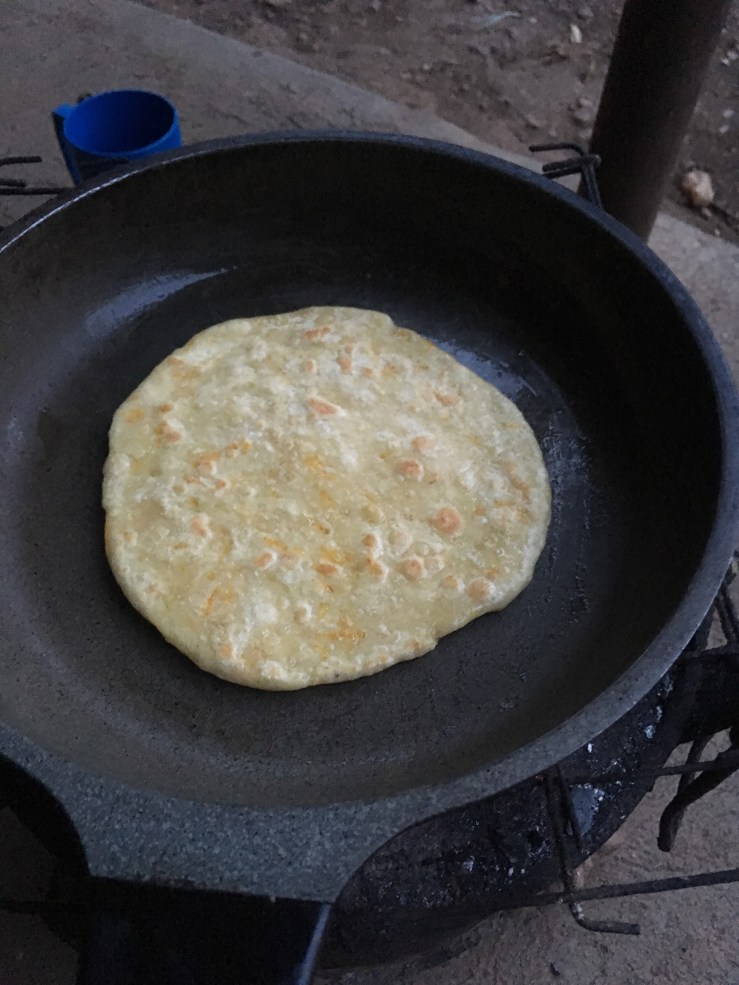
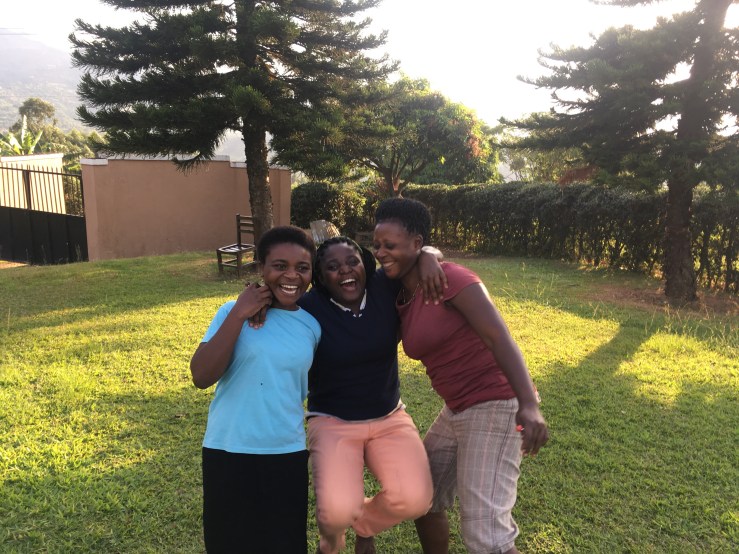
Another gift to me were three women we lived with in Kanungu (southwestern Uganda). Rabecca, Jane and Caro are the definition of joy, kindness, and generosity. At first they weren’t really sure what to think of me. They were probably wondering why is this Mzungu (white person) coming to live with us in this remote village for 10 days? I asked a lot of questions and I walked around taking random pictures of flowers and banana trees. We used google images to help understand each other when language wasn’t working. Then Jim and Gerald, the coffee farmer friend that is mentioned earlier, went to Rwanda for a coffee conference for 4 days, so it was just the girls! We laughed (mostly at me), we turned up the music and sang and danced, which led to more laughing. We cooked and ate. They taught me to make a traditional chicken dinner wrapped in banana leaves (chicken luwombo) and chapati and g-nut sauce. One night a matatu (motorbike) showed up at the house with a box of four bottles of wine, from Gerald. We opened one to go with our fancy chicken dinner. A night to remember! It is remarkable how quickly friendships bond. I will return to visit again.
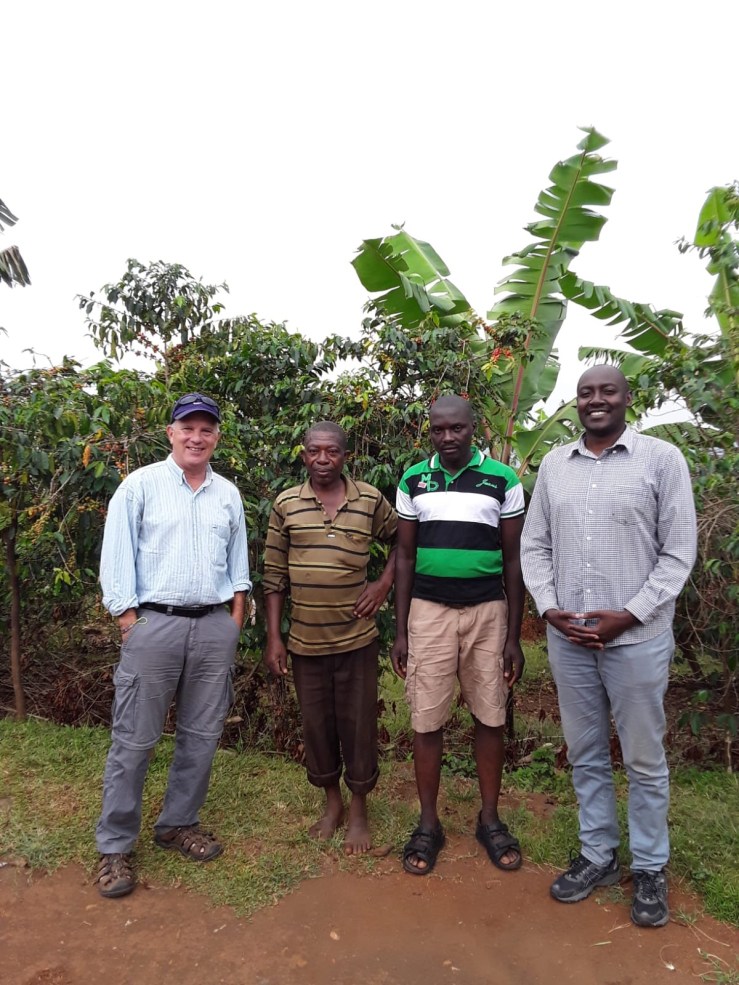
The last experience that stuck with me was a day we spent with Gerald visiting the village where his mom grew up. He is very proud of his country and has an incredible heart for his local community. He helps support the local schools and sponsors several children for their school fees in the community because he cares. So he took us to meet a shop keeper, Gideon, who trades coffee for food and other household necessities in his village. The village is very poor by the worlds standards. I don’t know if anyone makes money there but they have everything they need and so much more. Everyone has coffee trees. So when they need beans or rice or sugar they bring Gideon a kilo of red cherries, the fruit of the coffee plant, and trade him for what they need. He then dries it outside his shop and when he has a truckload he calls Gerald to come and get it for processing. Gideon took us around to meet the neighbors. We met a single mom with two little kids and 6 acres of coffee trees. We also met a grandmother who stopped building her house so she could pay for school fees for her grandchildren. And finally we met the “original” coffee farmer in the area (about 70 years old) who raised Gideon when he lost both his parents. He told us the story of burying the original trees in a hole when the government was trying to get control of all the coffee production. He dug them up when it was safe to start planting again and now those trees are supporting the whole village. There was a richness and sacrificial support of one another in that community that was very striking to me. It’s what I think we need more examples of in our world.
We remain grateful for this time and hold all of you close in our hearts and talk of you often.
Peace
Michelle and Jim





 Our Travels Abroad