Hosted in Spain

We just spent two amazing weeks in Spain! They were amazing for many reasons but mostly because of the beautiful people we spent them with.

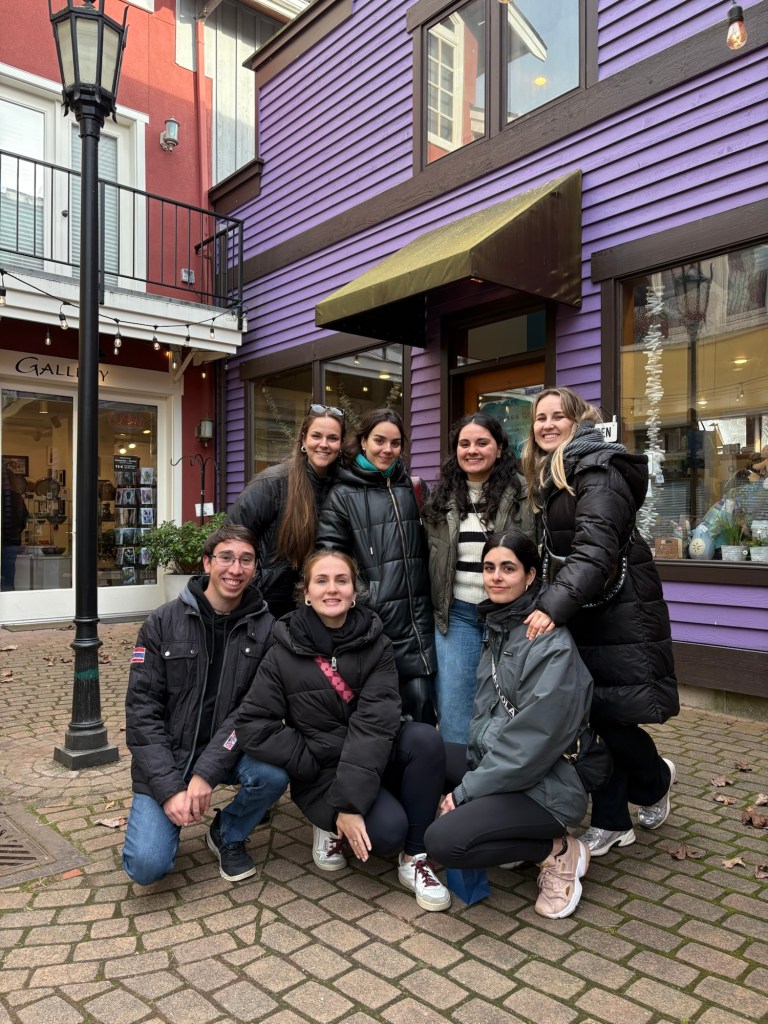
Background: Last year we hosted two Spanish teachers and we got to know some of their friends over the year ❤️

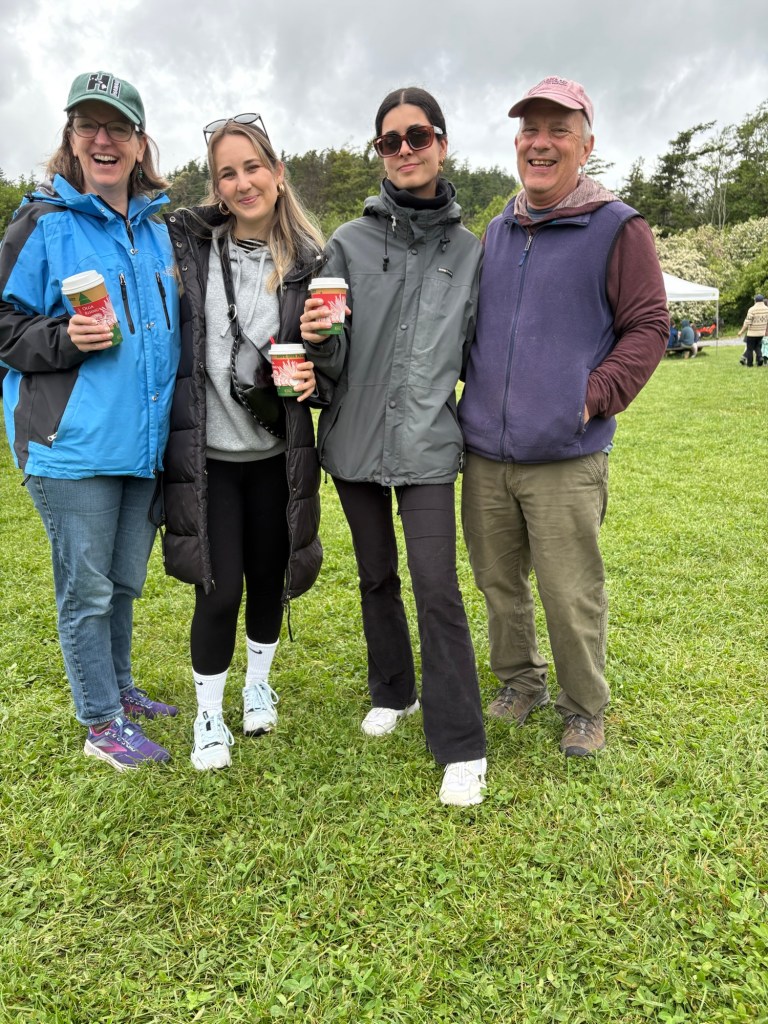
Orcas Island with Lucia and Carla
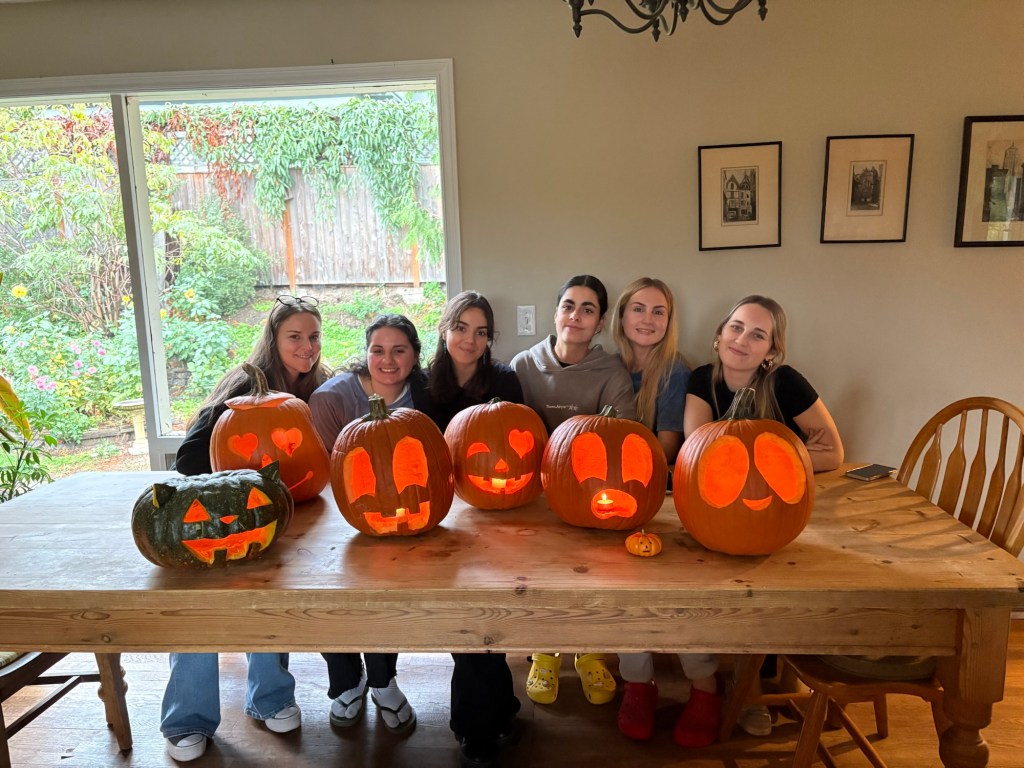
Carving pumpkins
Visiting Whidbey Island

When we started planning our year abroad we knew we wanted to see them again and visit their communities. So we started in Barcelona…

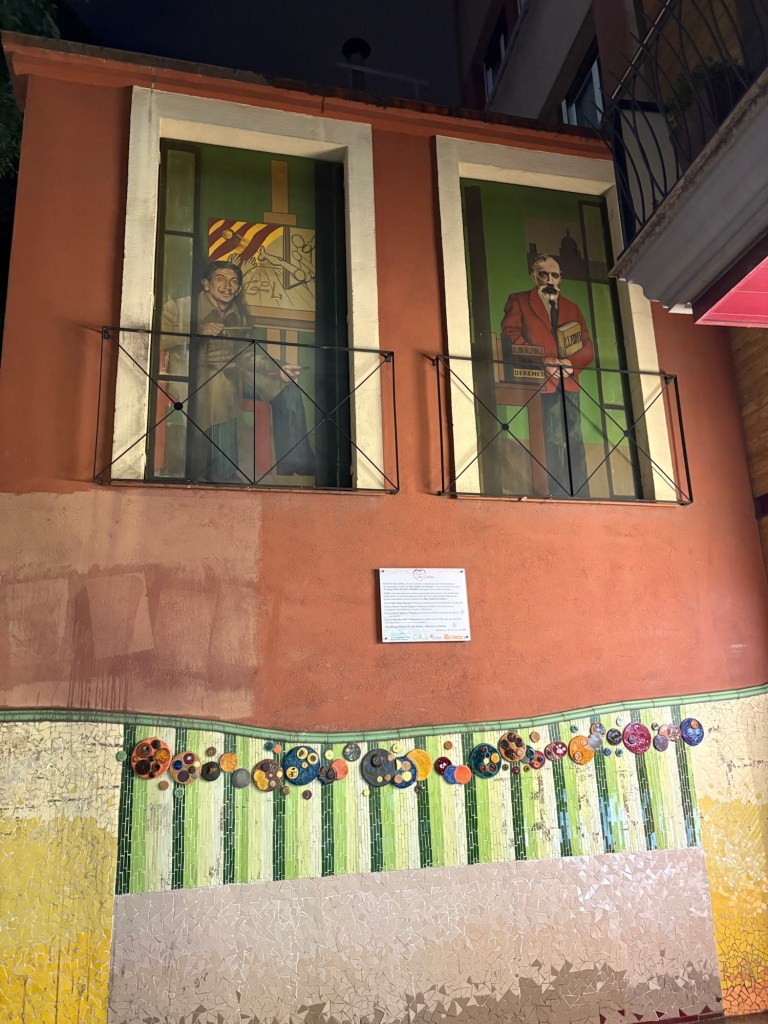
We saw Miquel and met his family in Sant Andreu, Barcelona
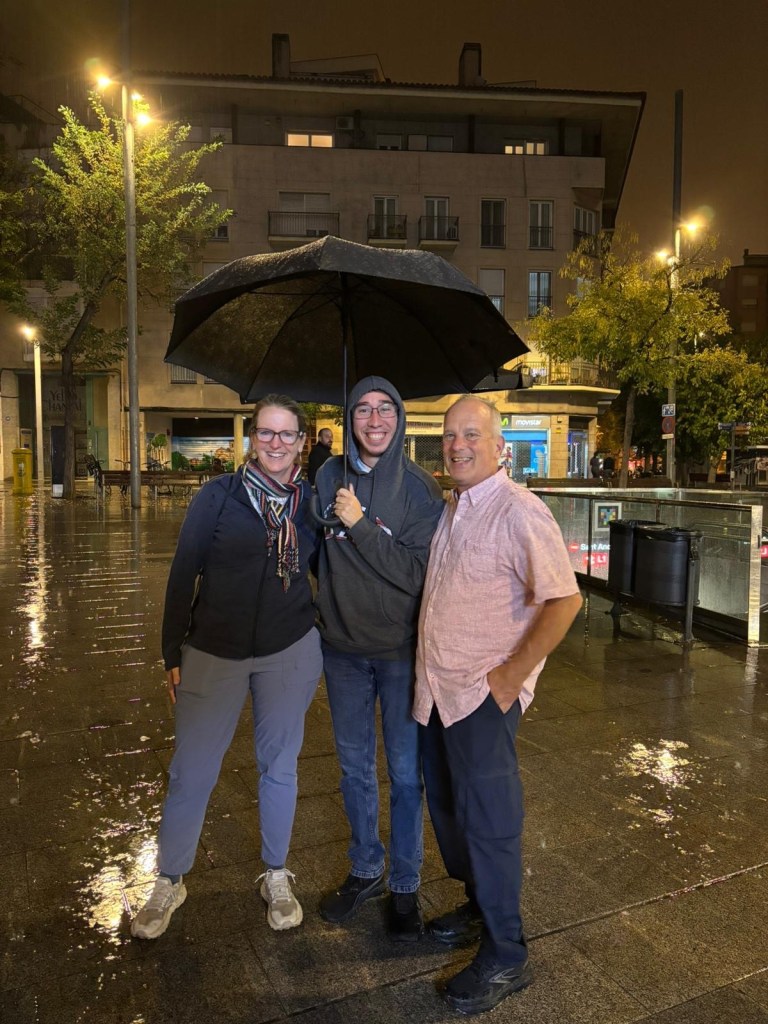
Even in the rain Sant Andreu was charming

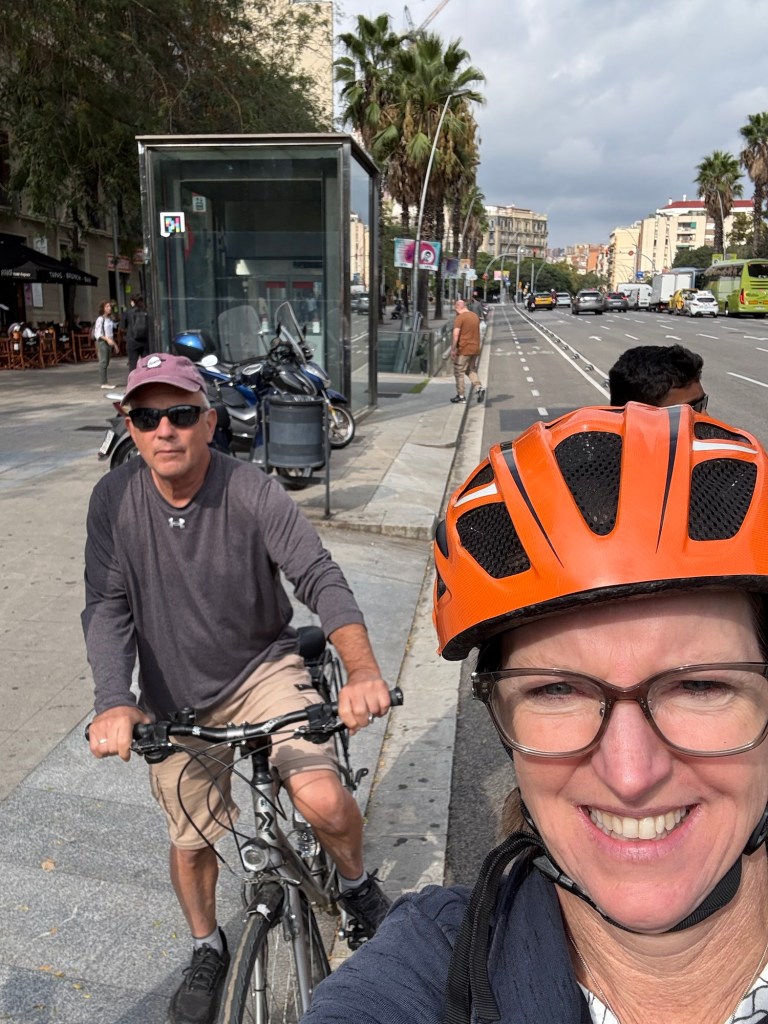
We walked, road bikes and ate our way through Barcelona for 2 1/2 packed days

Casa Battlo-Antoni Gaudi architecture
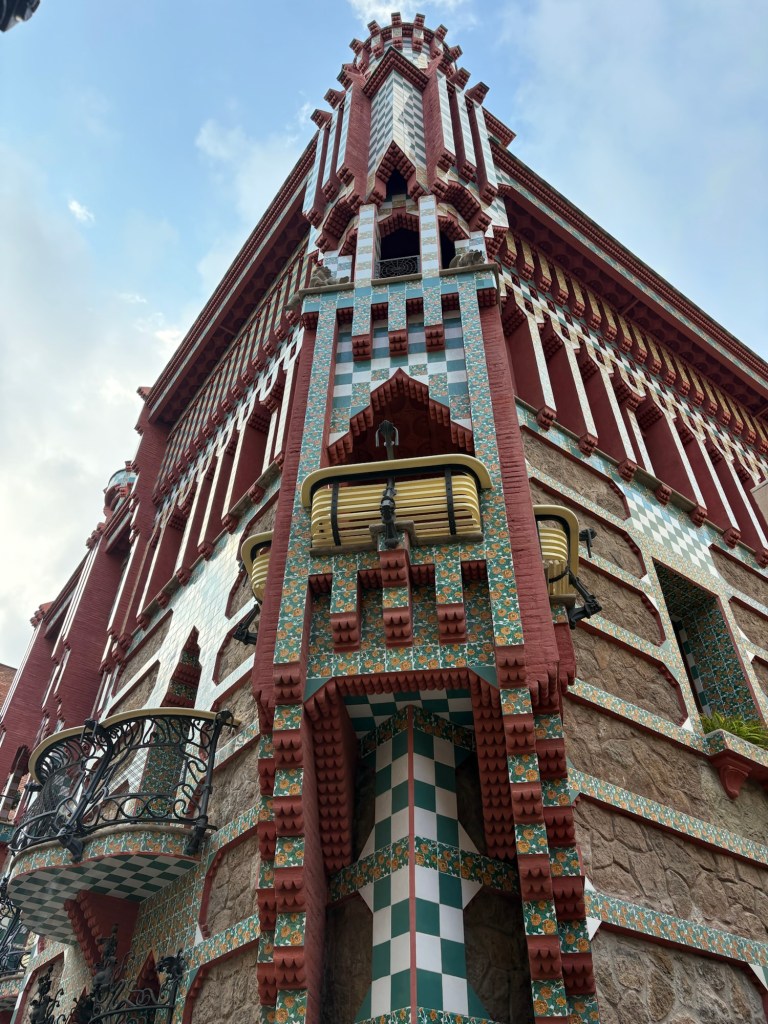
Casa Vicens -Gaudi‘s early work
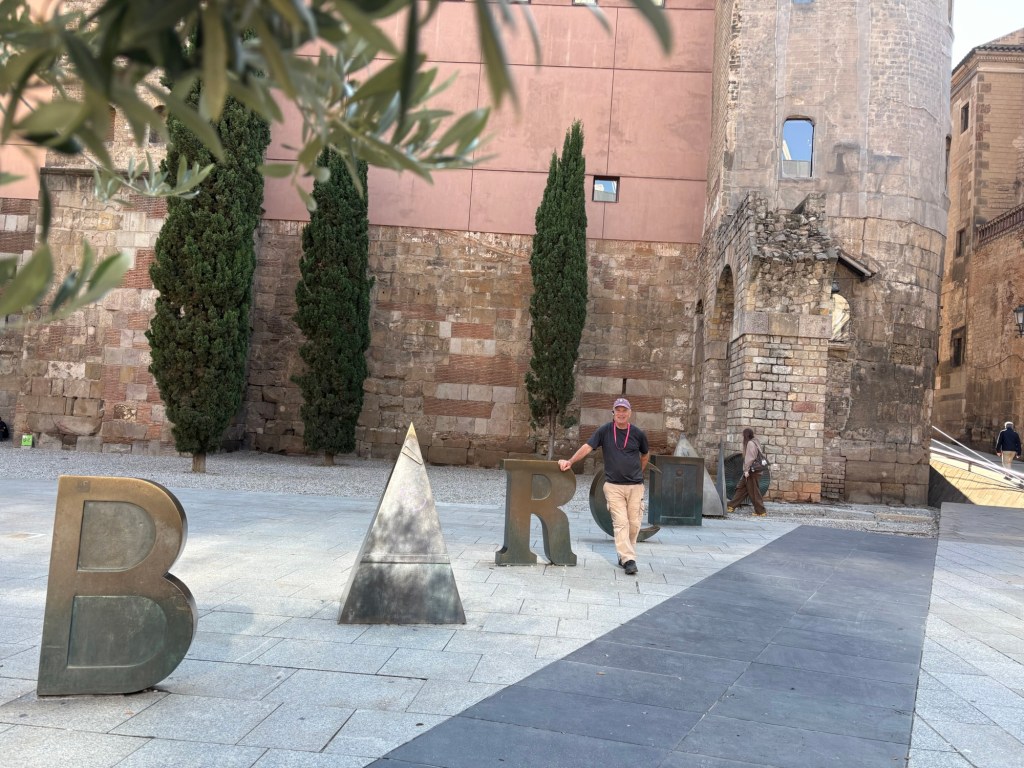
Walking tour through Gothic quarter
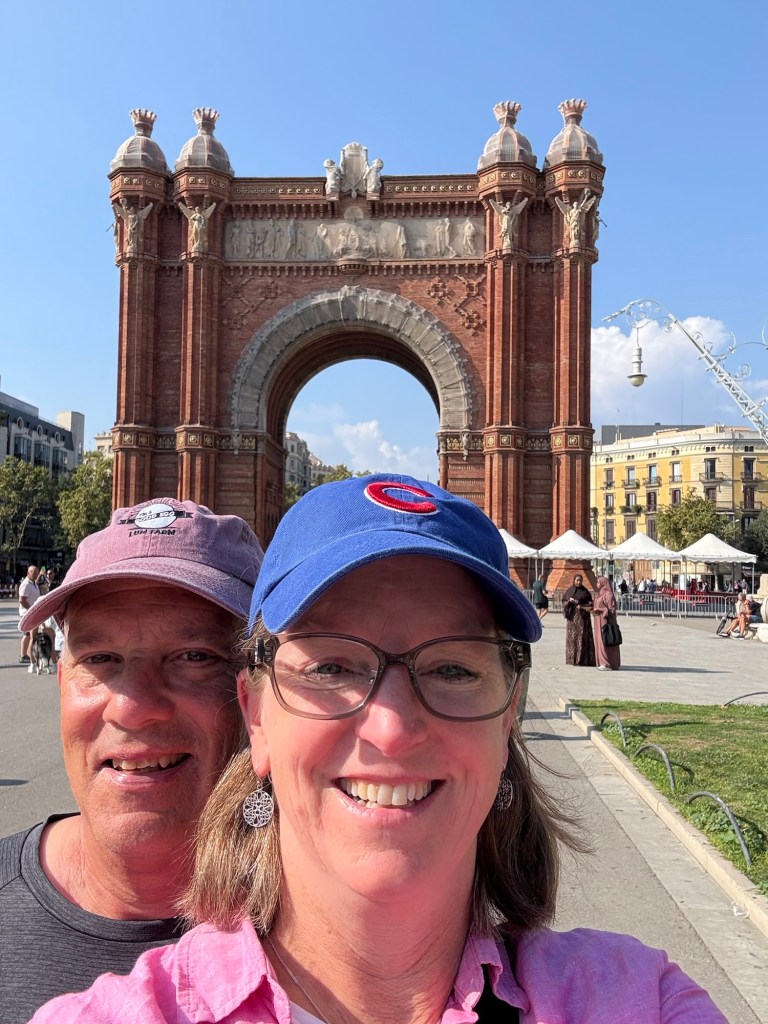
Arc de Triomf
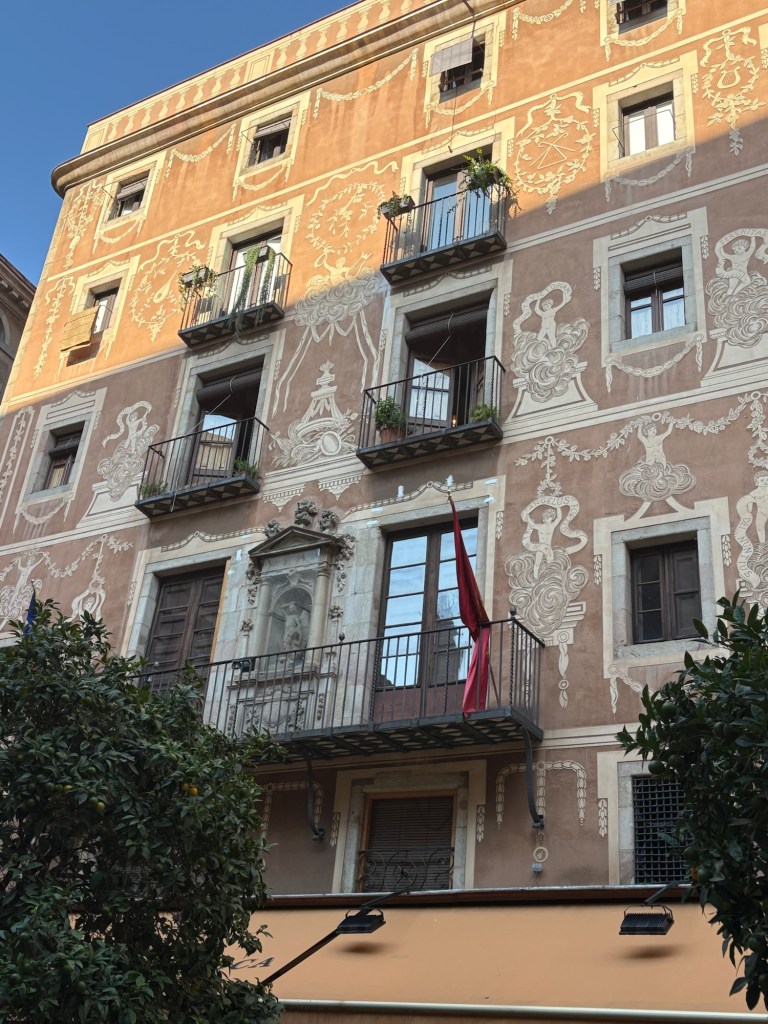
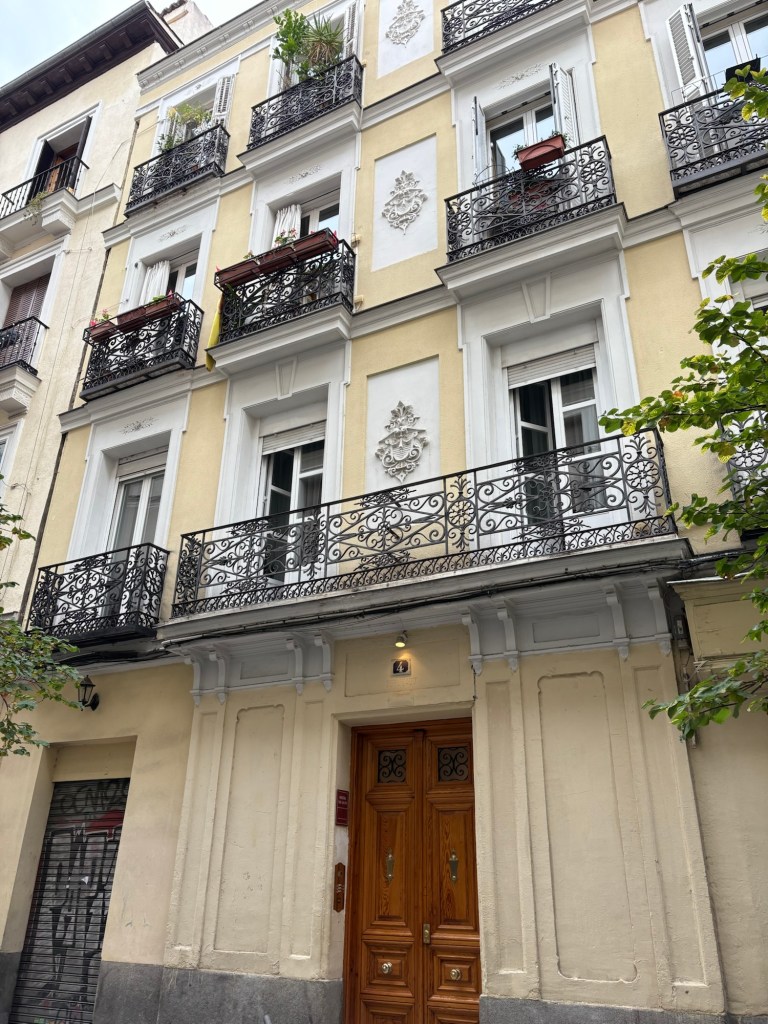
I could fill a blog with all the balconies around the city
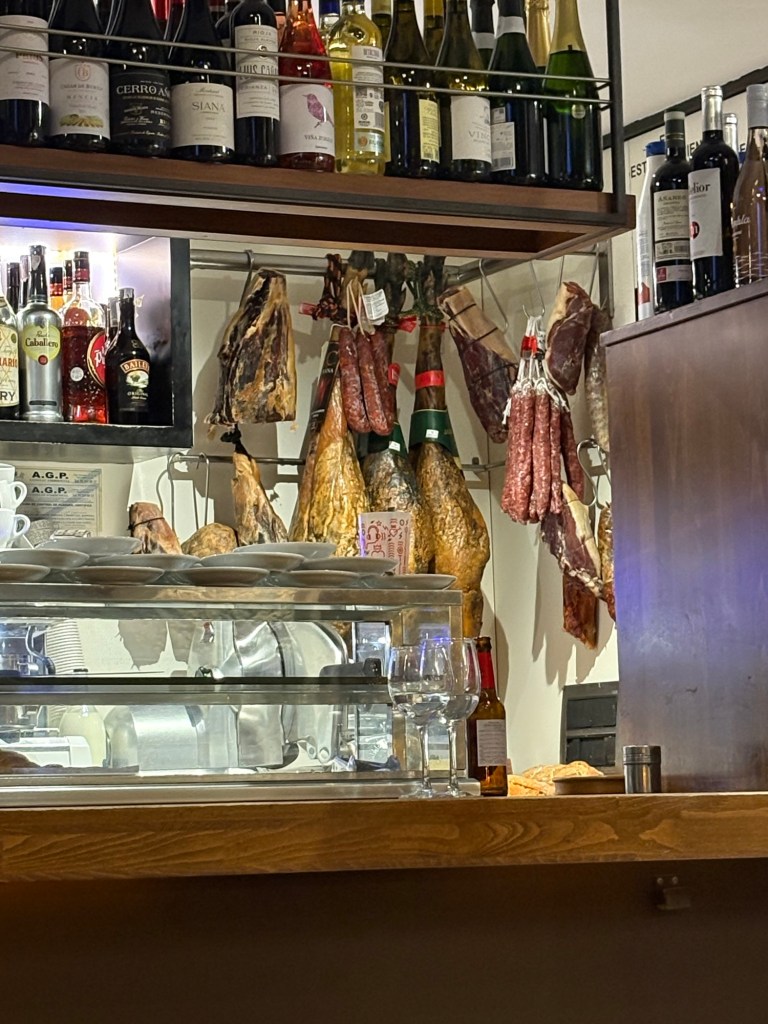
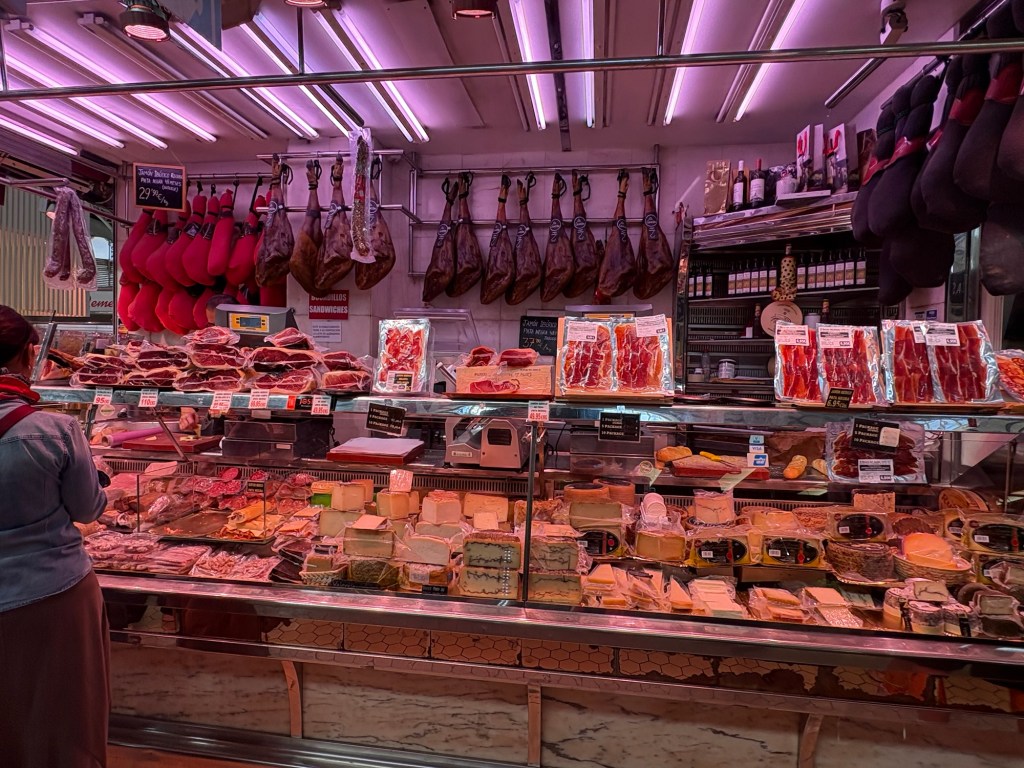
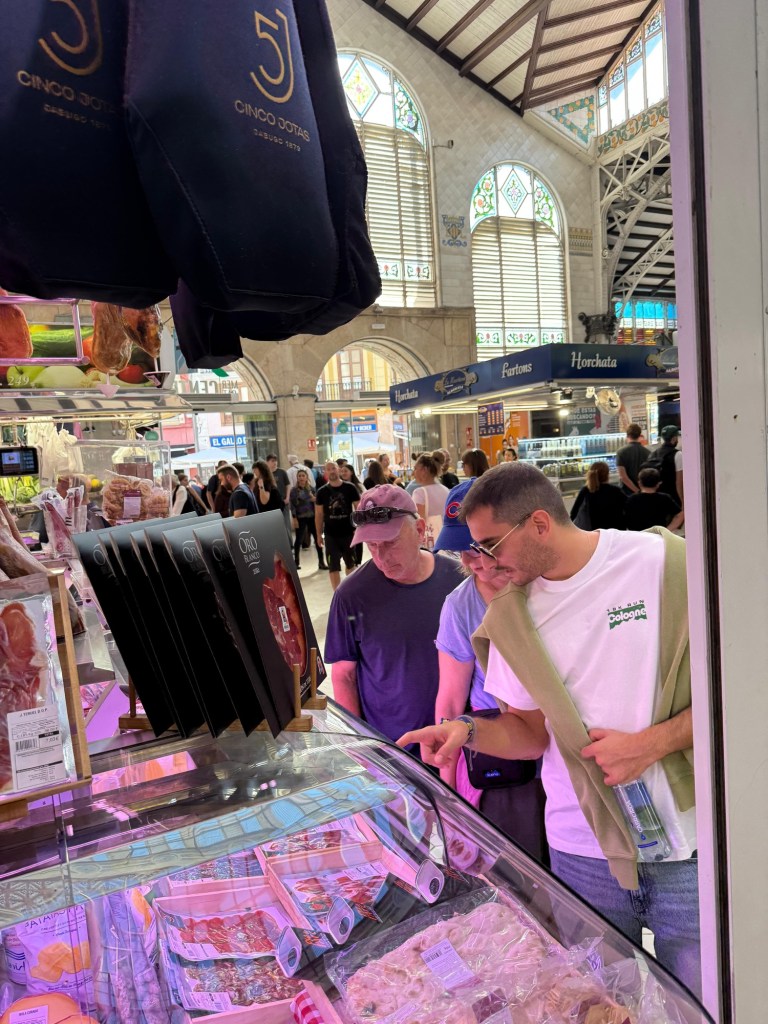
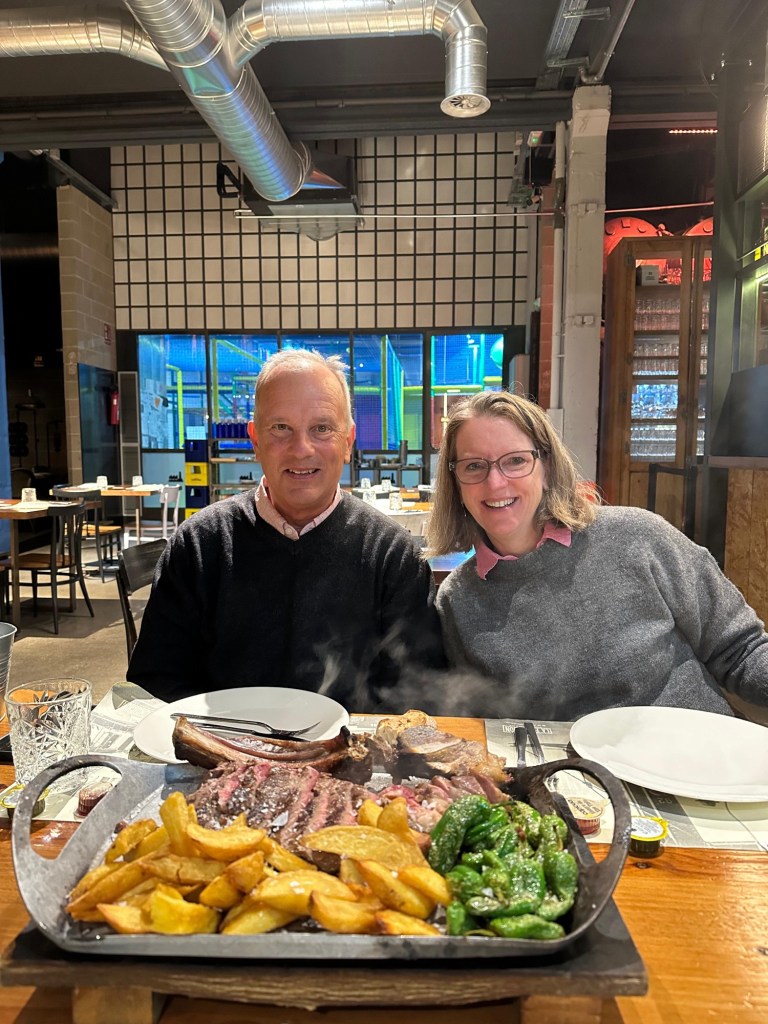
Oh the Jamon in Spain! 😋

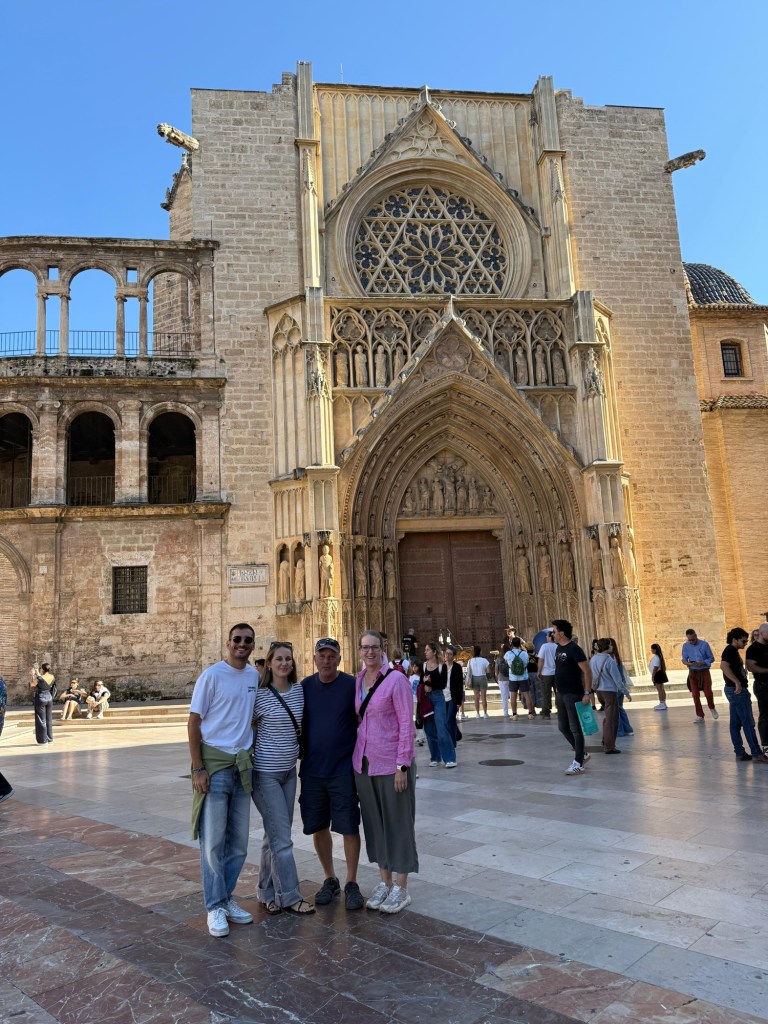
We then took a train to Valencia to meet Lucia and Javi.

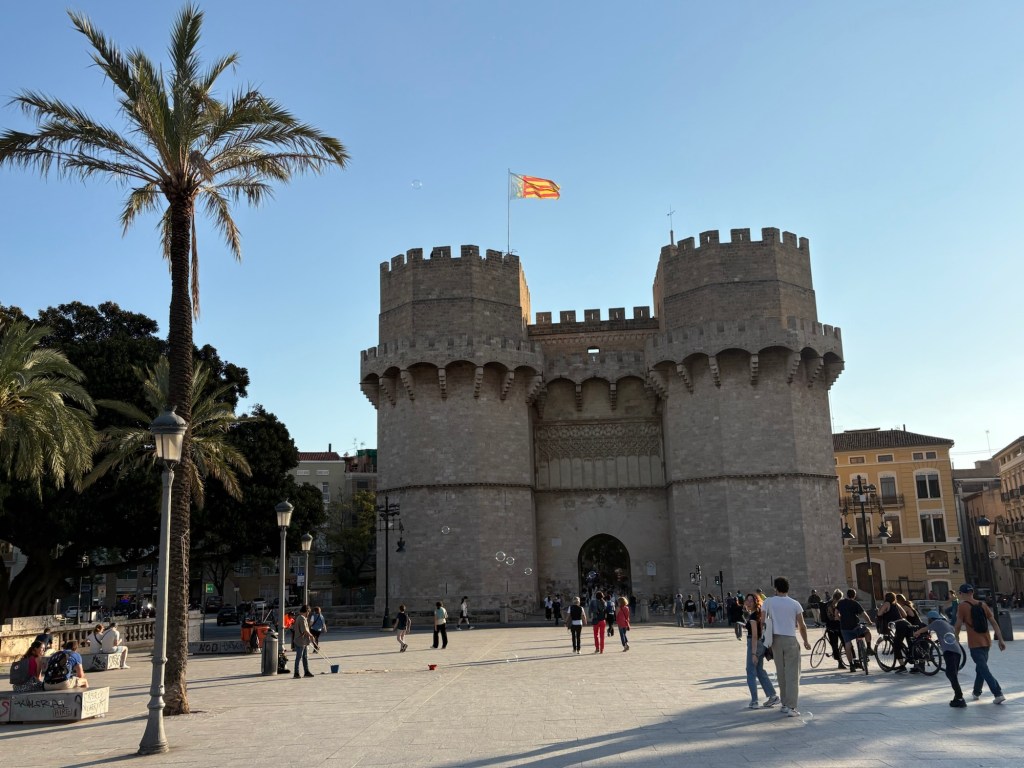
The ancient gate to the city
Where the executioner would sharpen their blade

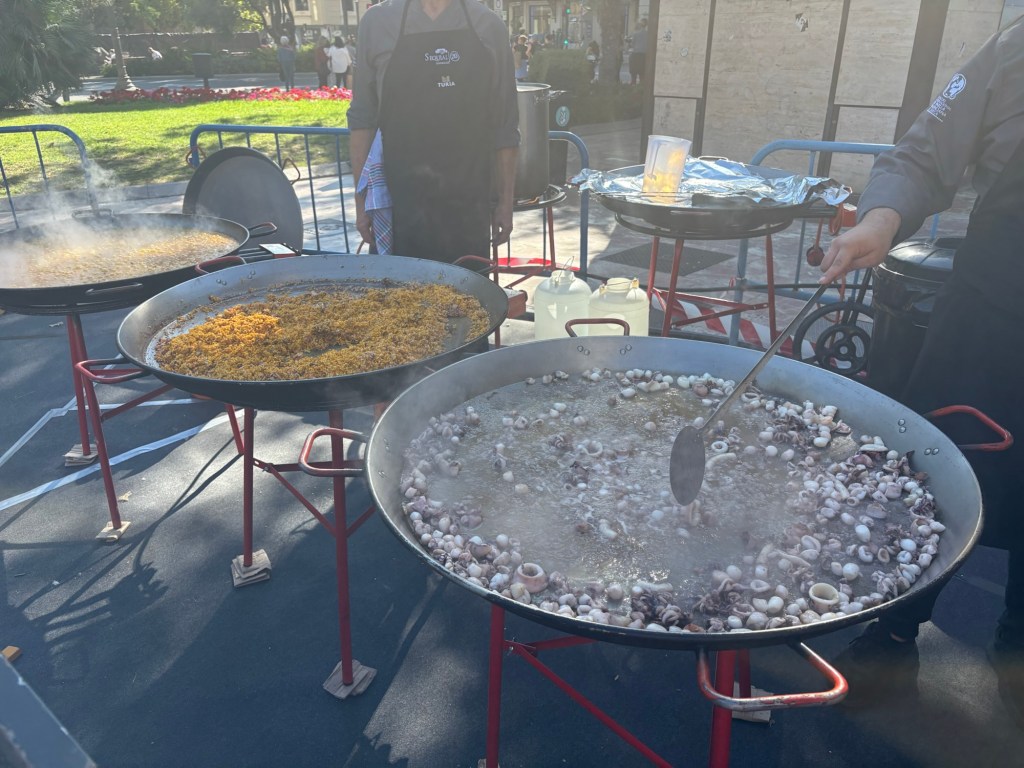
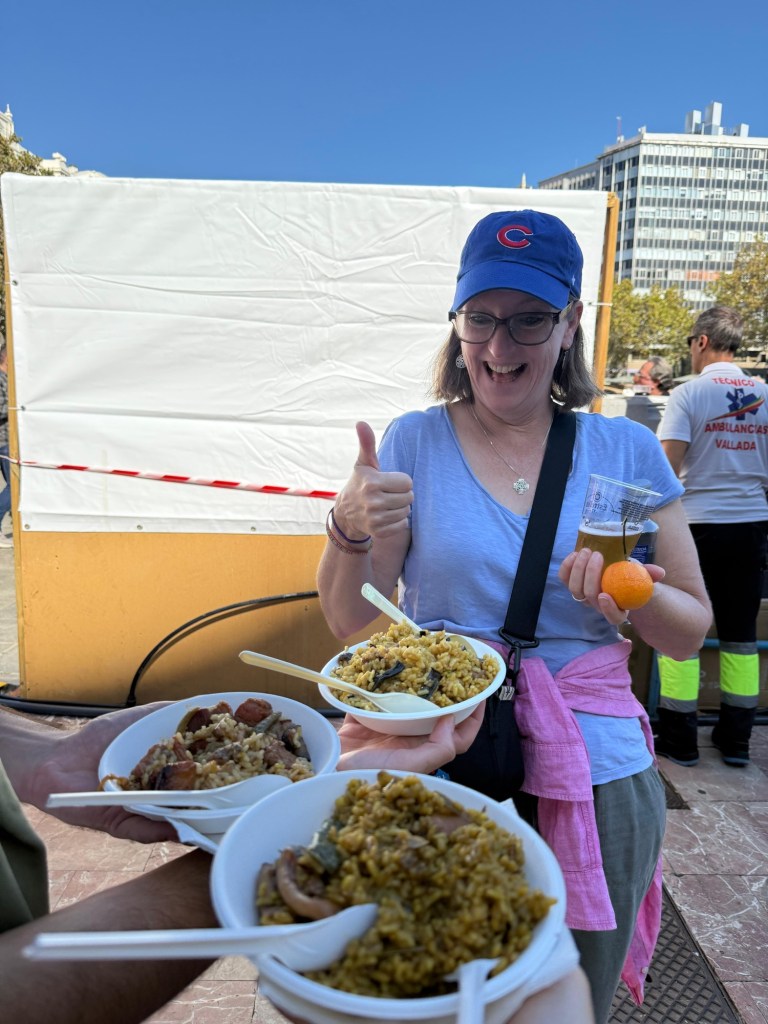
We got lucky, there was a Paella celebration and we got to try many kinds of Paella…

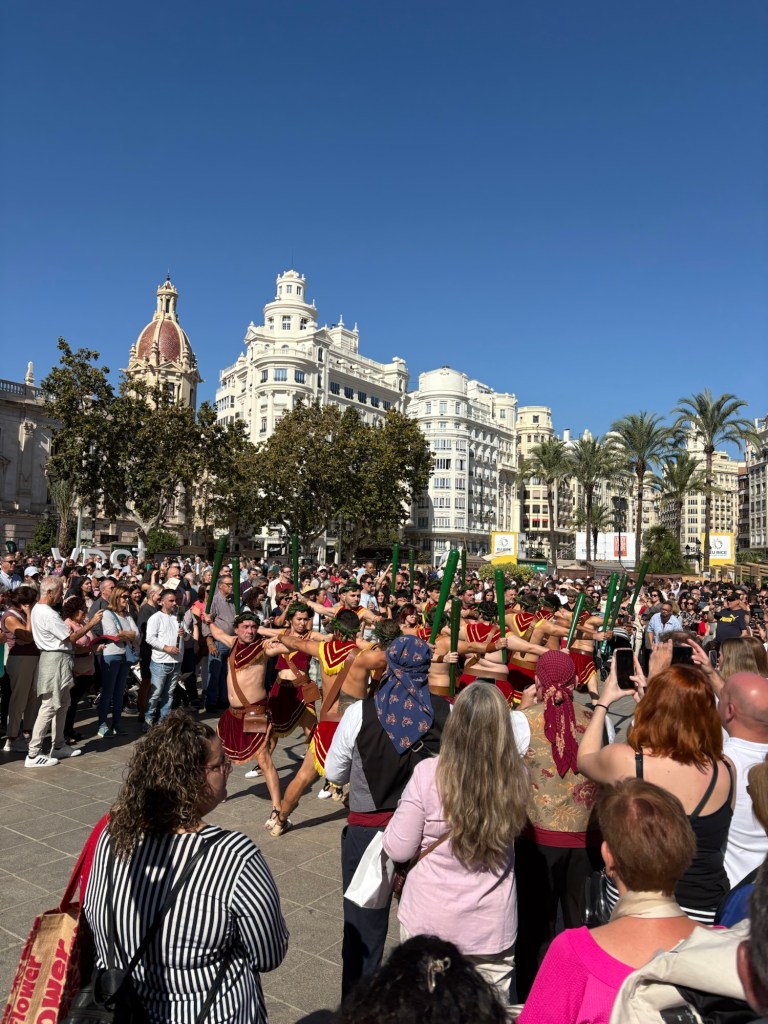
And see cultural dances in Valencia

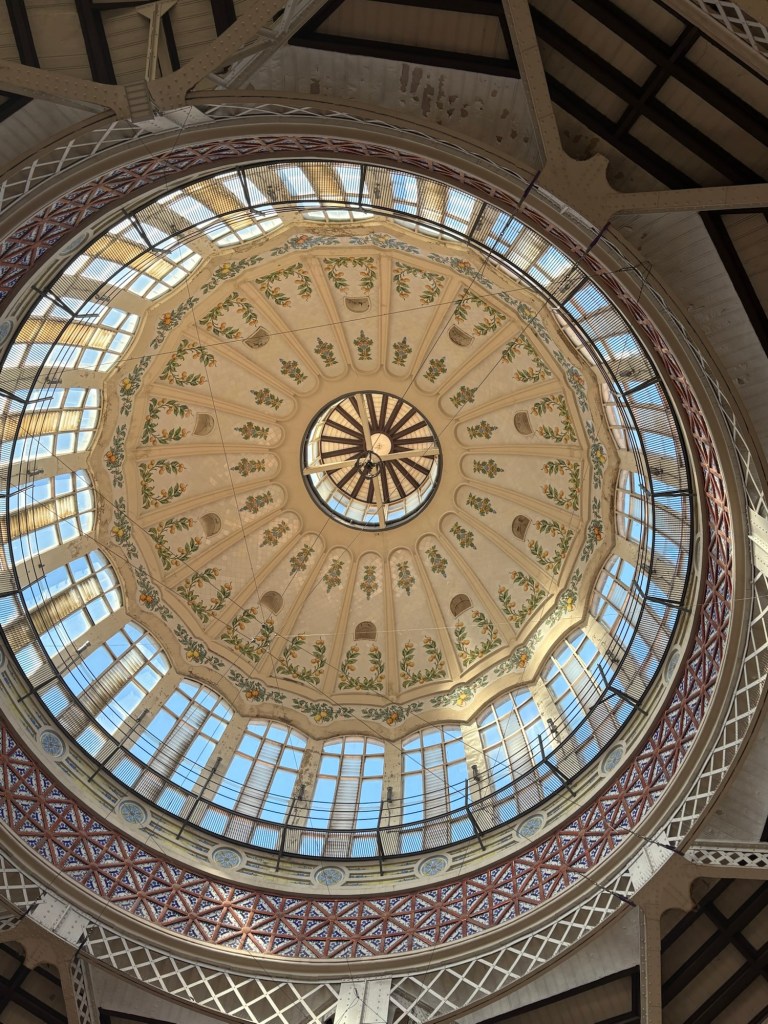
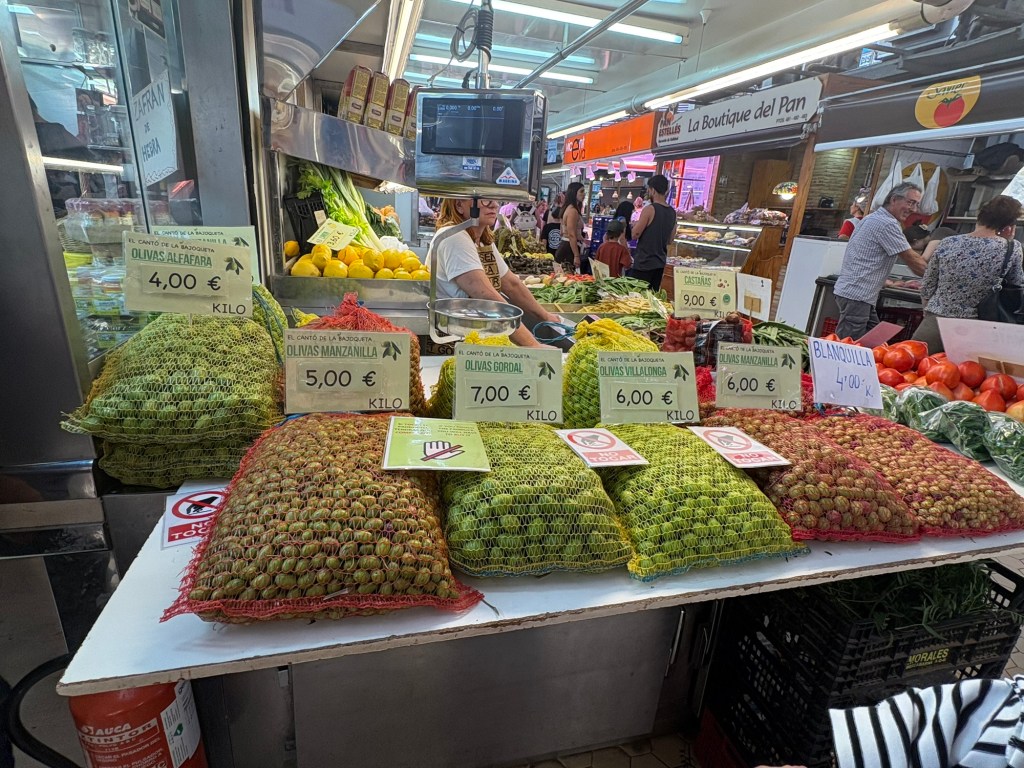
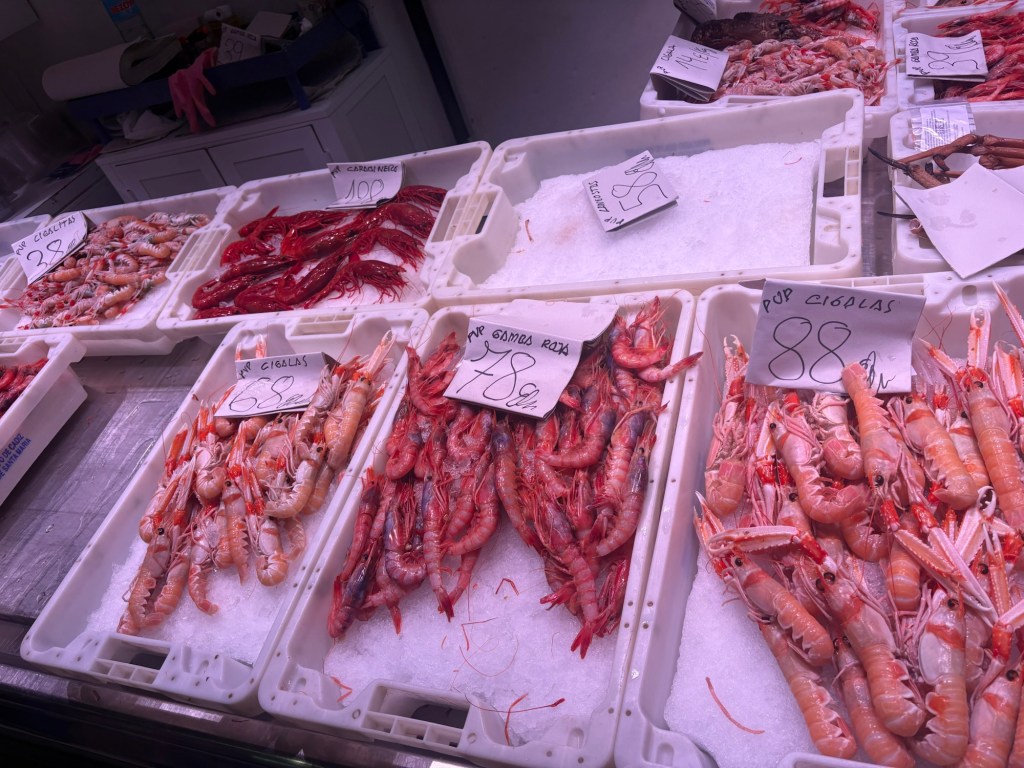
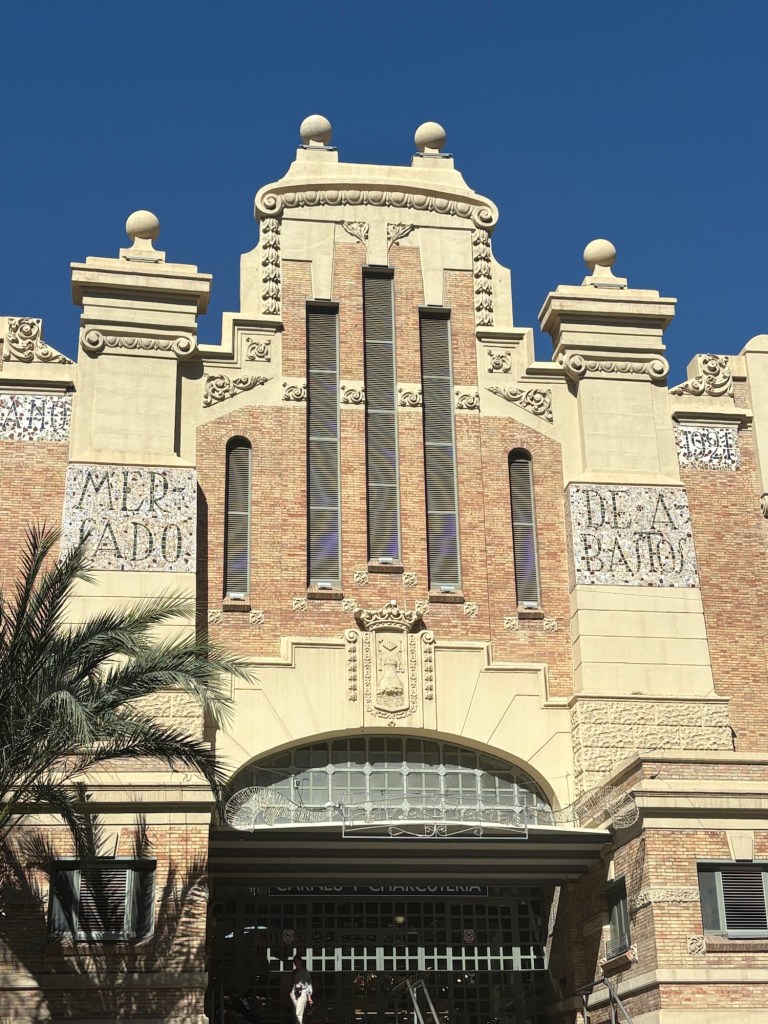
Another favorite place for me to visit was the Mercado (Market place). Full of life and history and food!

Valencia lit up at night
On our way to Alicante to see Lucia’s community and family

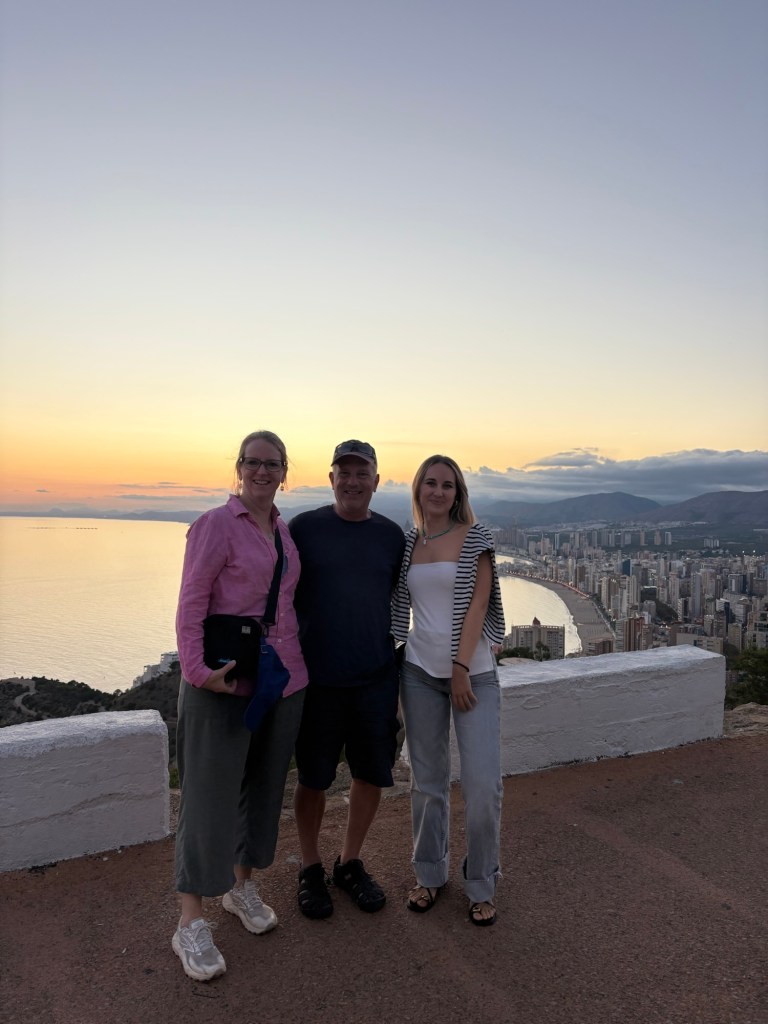
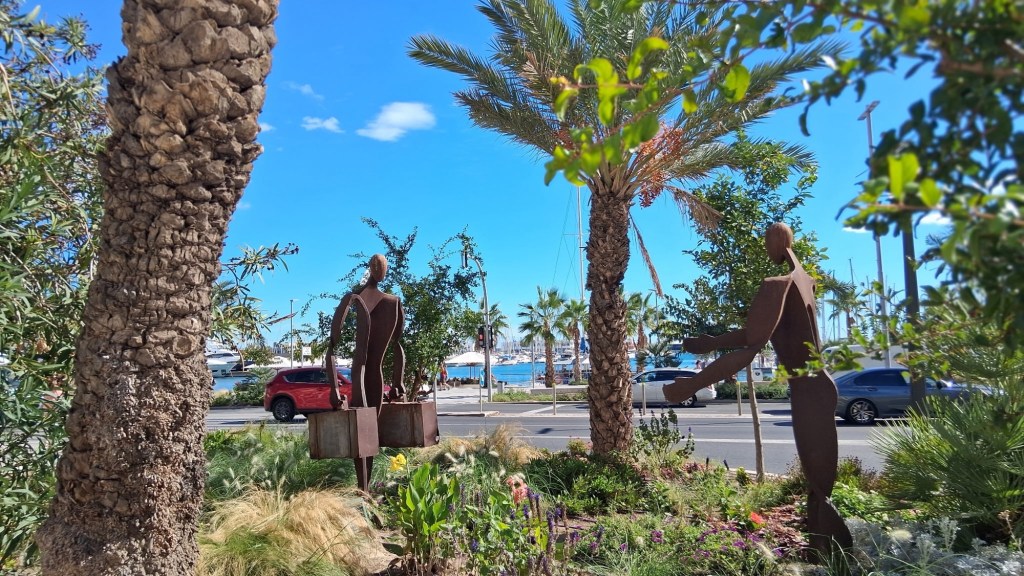
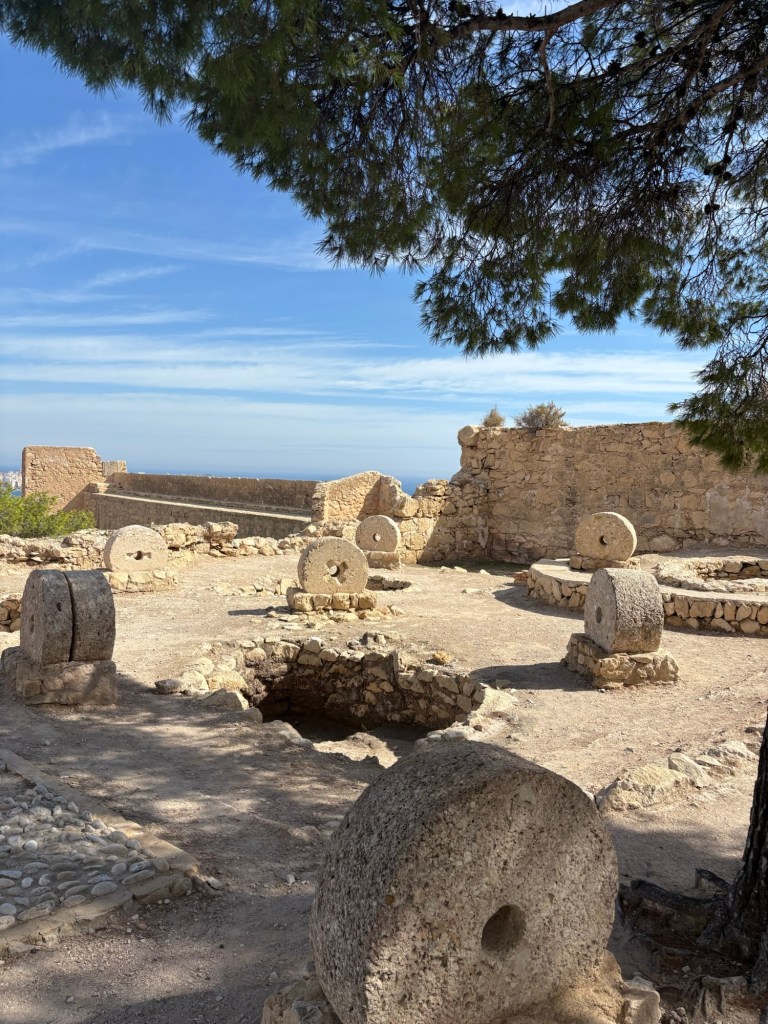
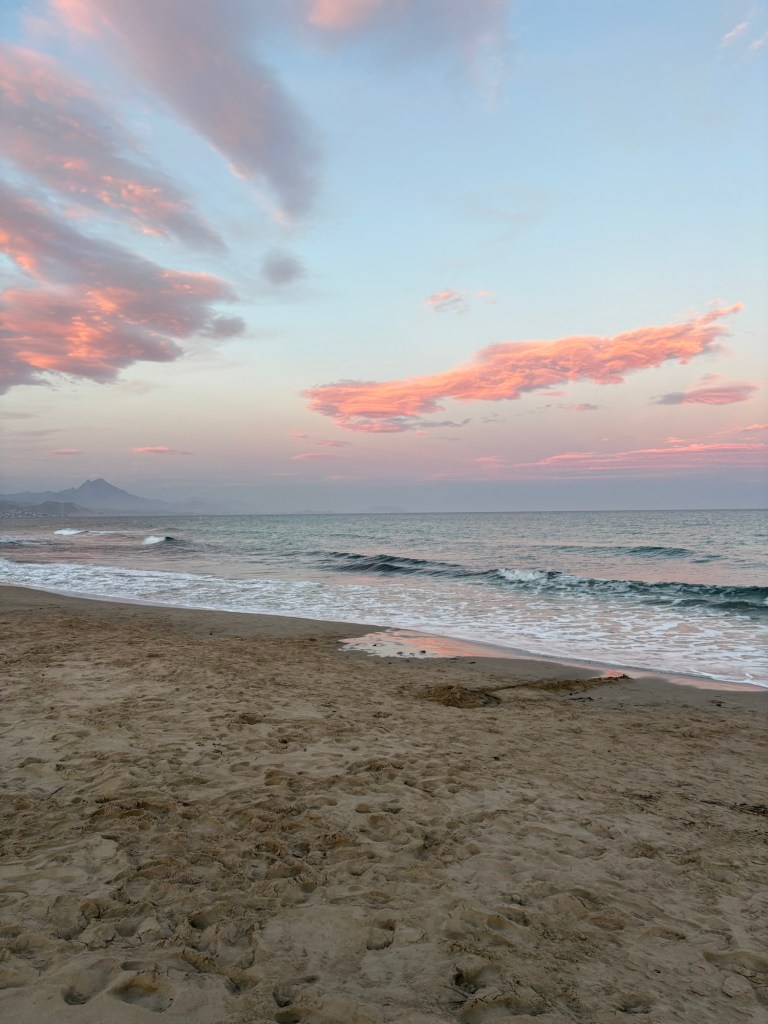
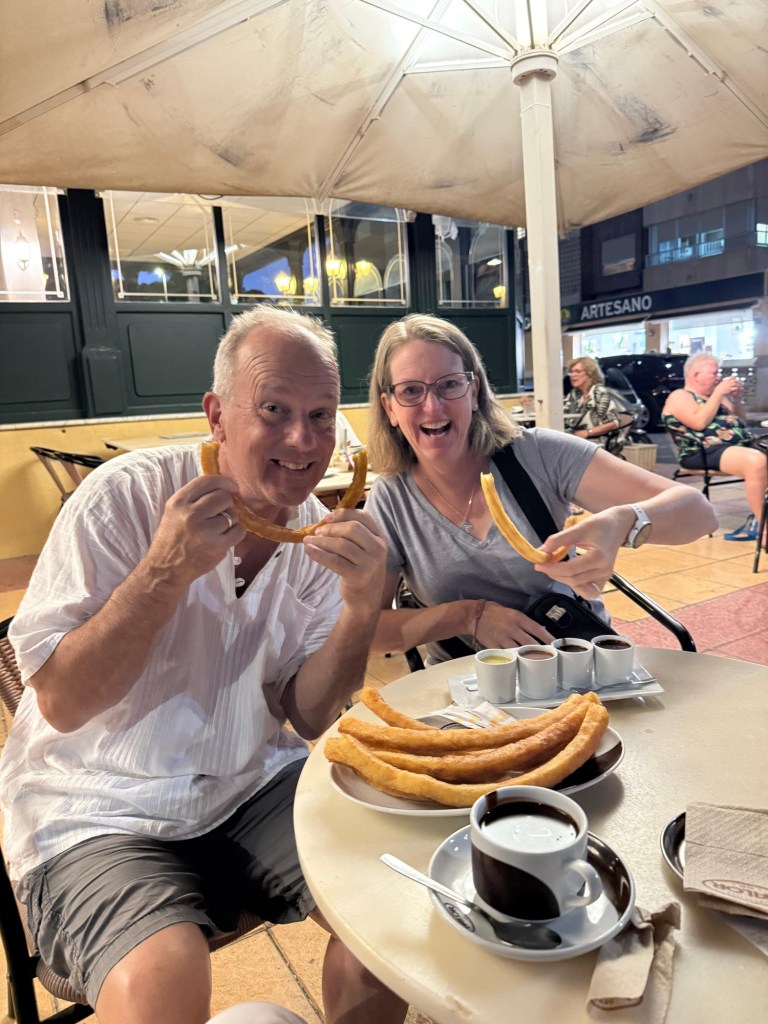
We explored the beauty, culture and history of Alicante and swam in the Mediterranean (only tourists do that in October)

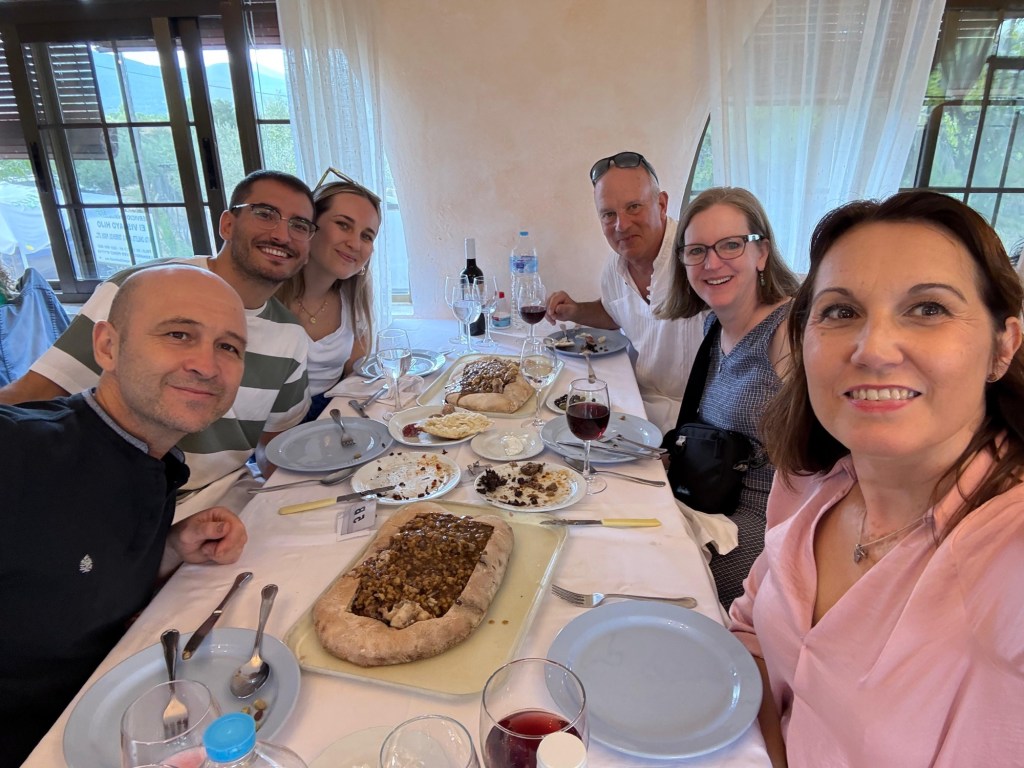
And we ate some memorable delicious meals together

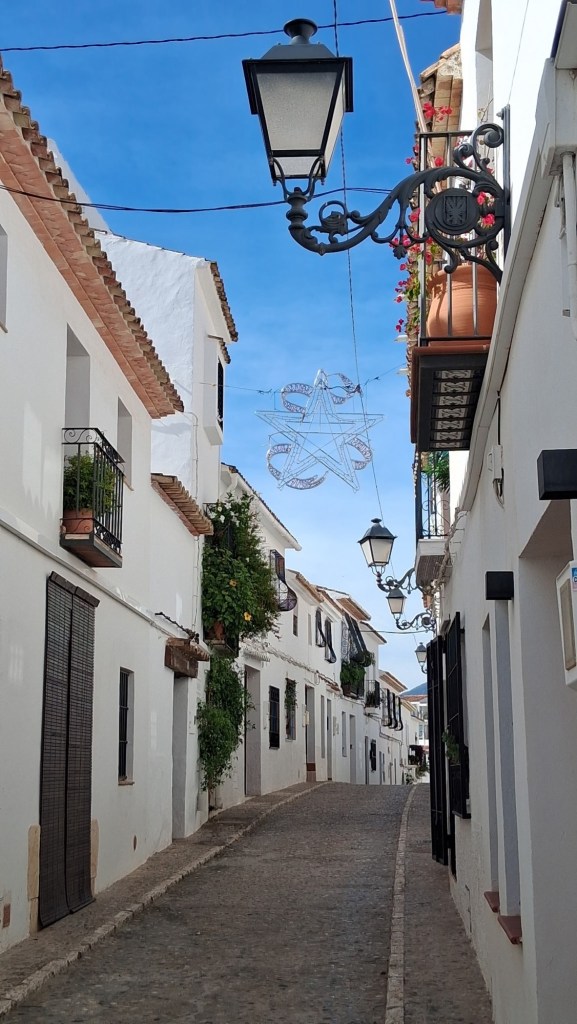
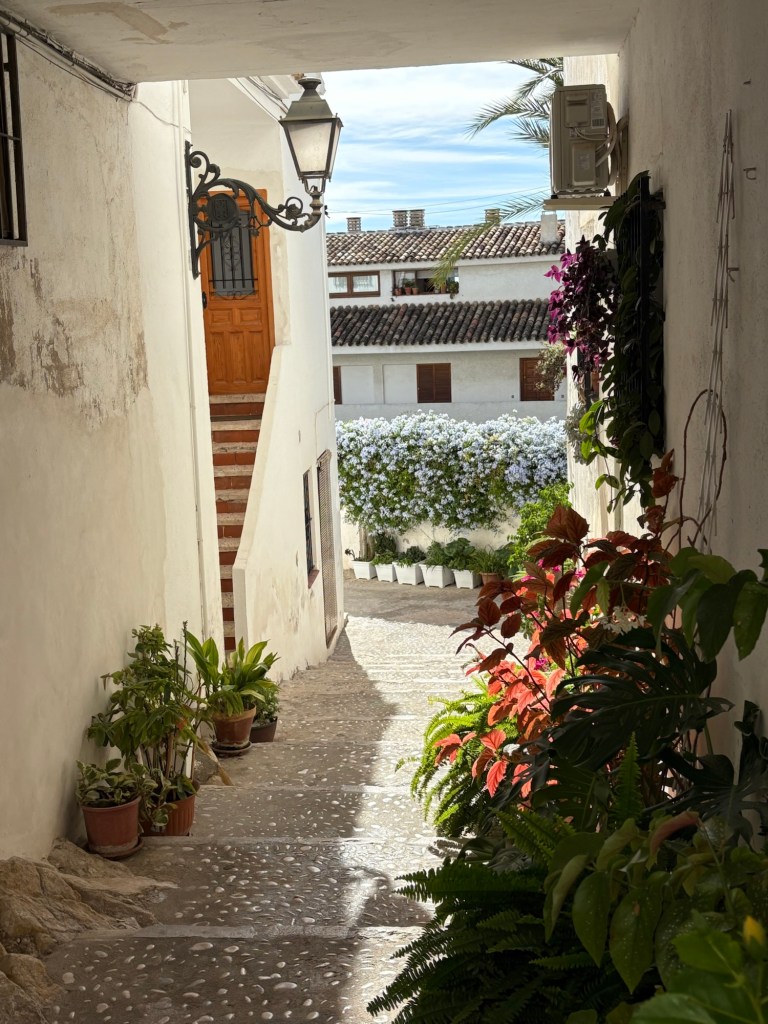
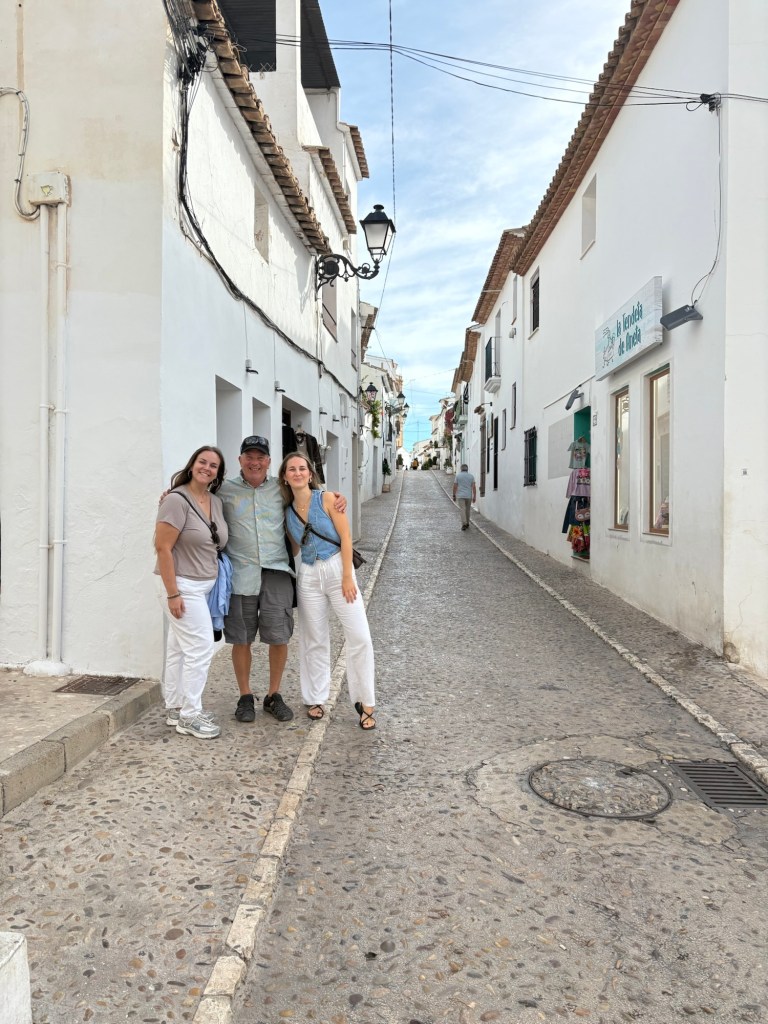
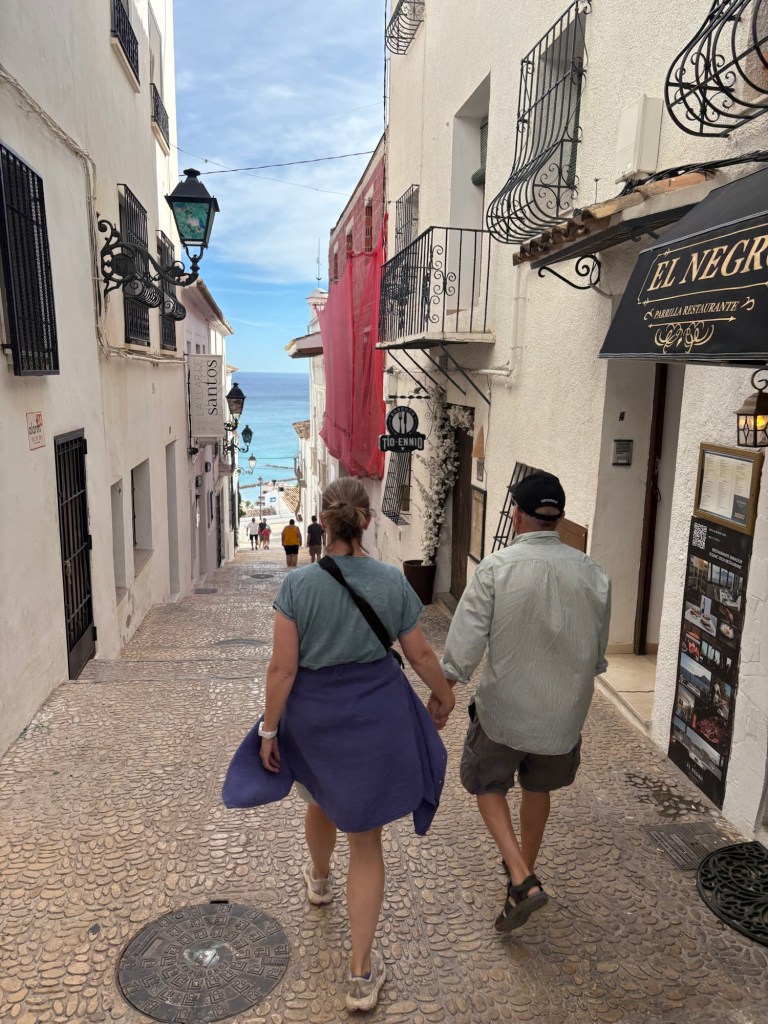
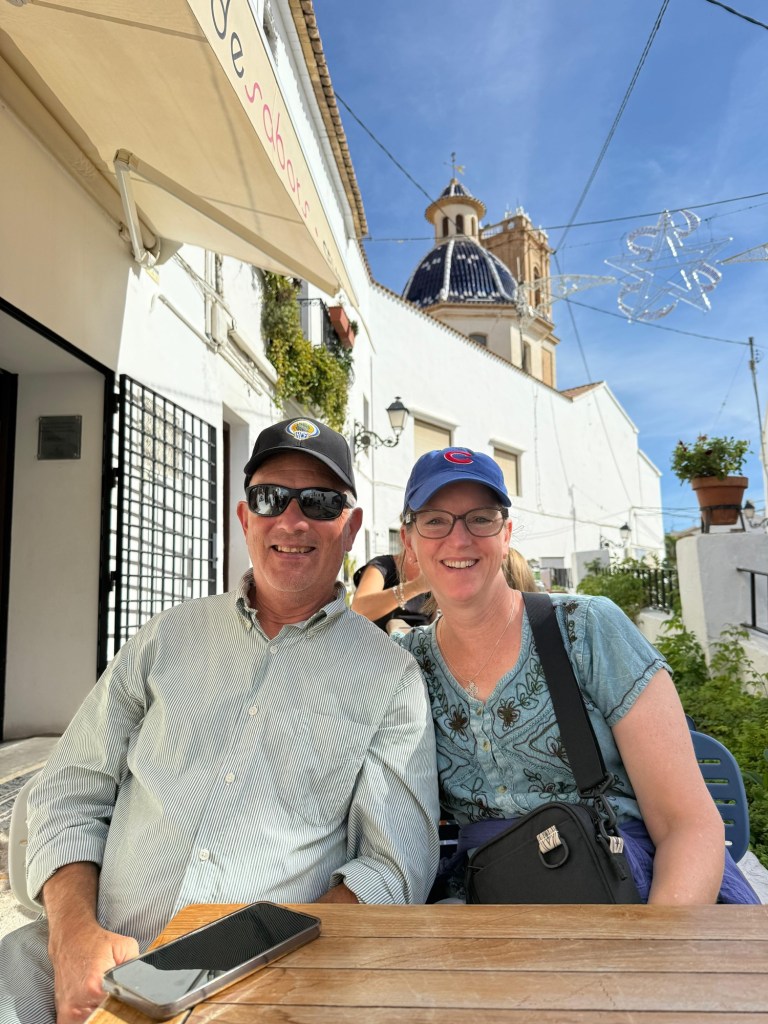
We got to see another friend, Victoria, and visit a sweet coastal village called Altea together.

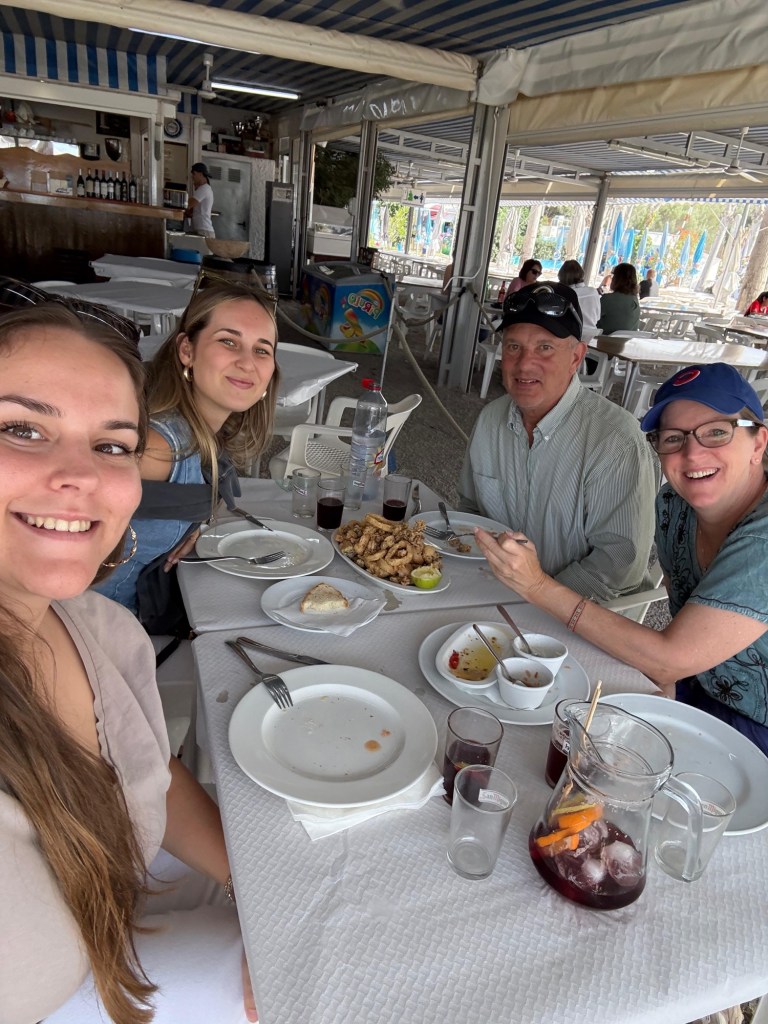
Calamari and Sangria 😋
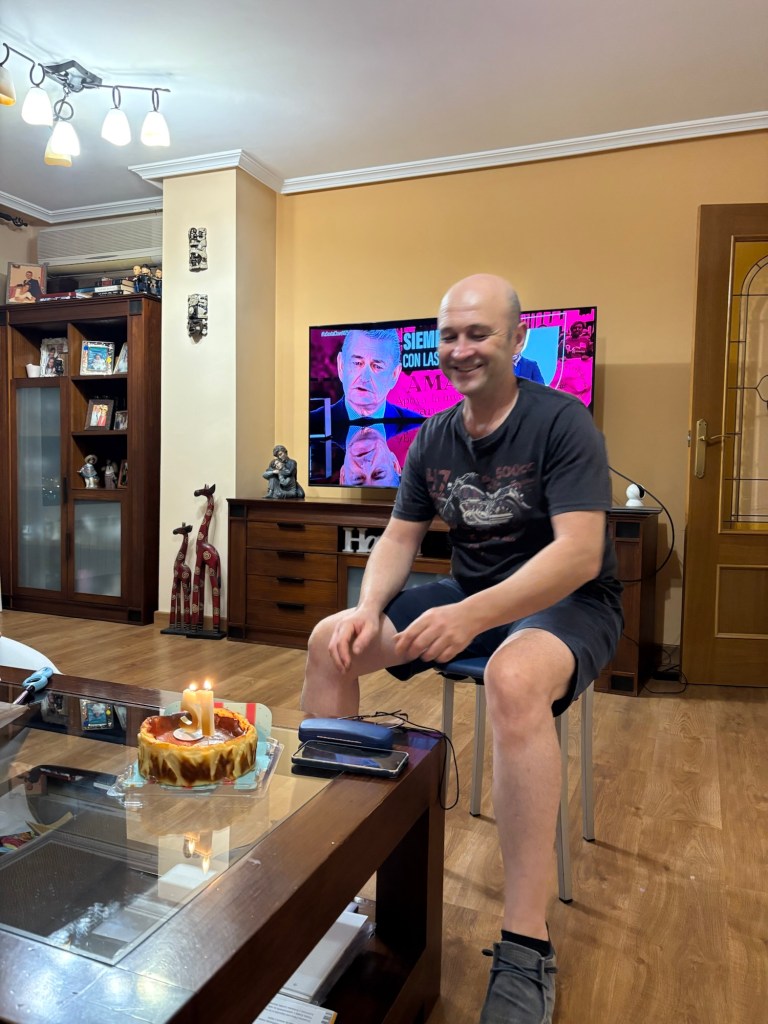
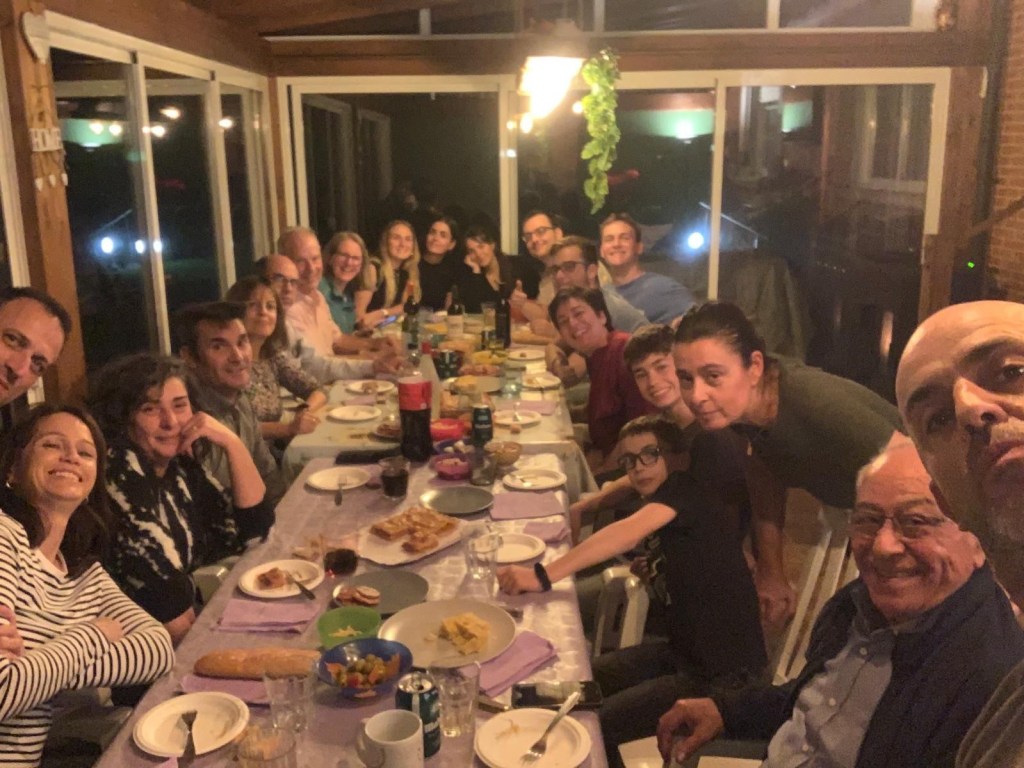
It was so great spending time with Lucia’s family and even celebrating her dad’s birthday!

With full hearts and bellies we left Alicante with hopes for our return…and caught the train to Valladolid to see Carla and her family

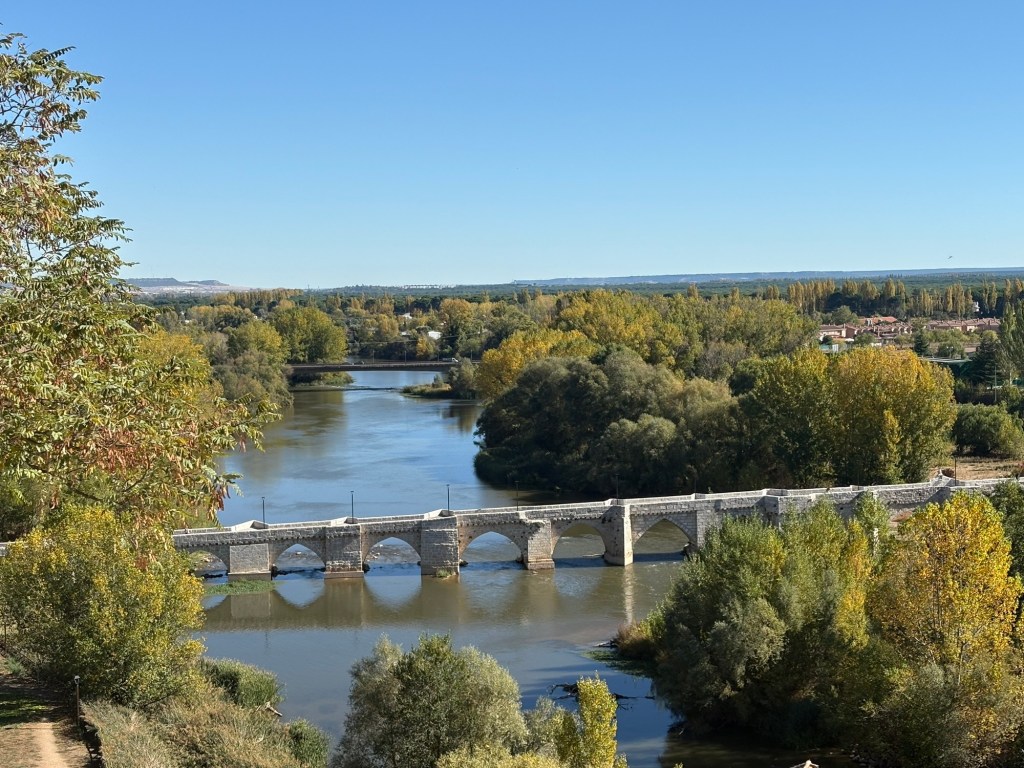
Cooler temperatures and beautiful sites in the old capital of Spain (Plaza Zorrilla)
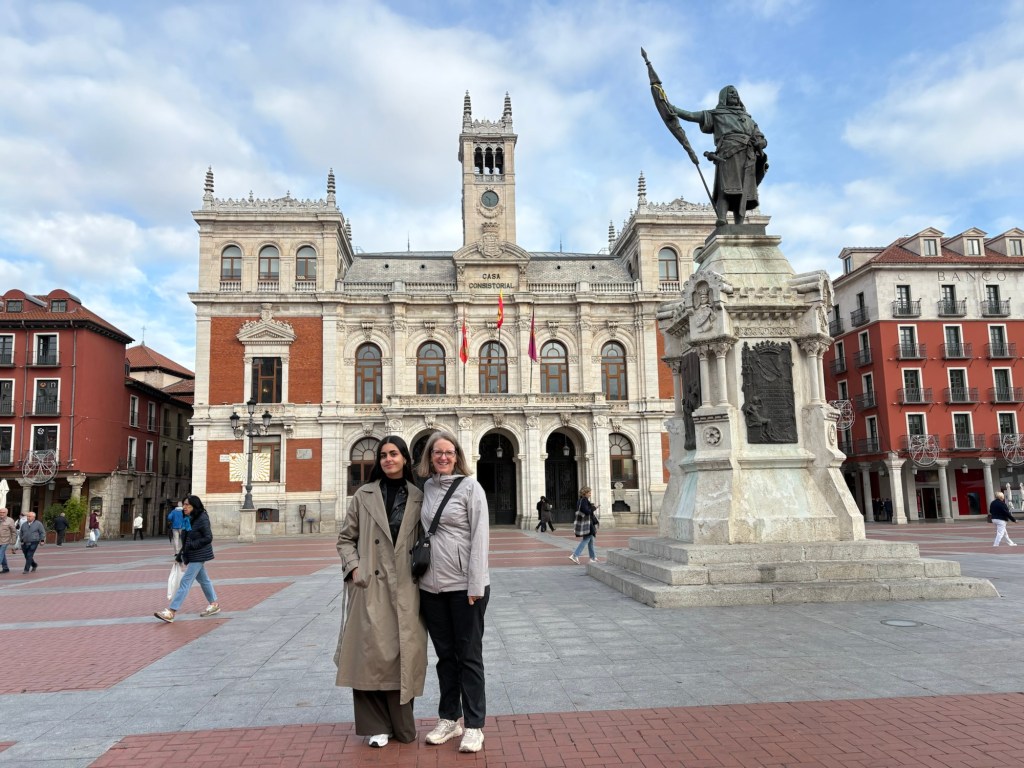
Plaza Mayor with Carla and Count Pedro Ansurez
Spending time with Carla’s parents was wonderful and they introduced us to more great Spanish food!
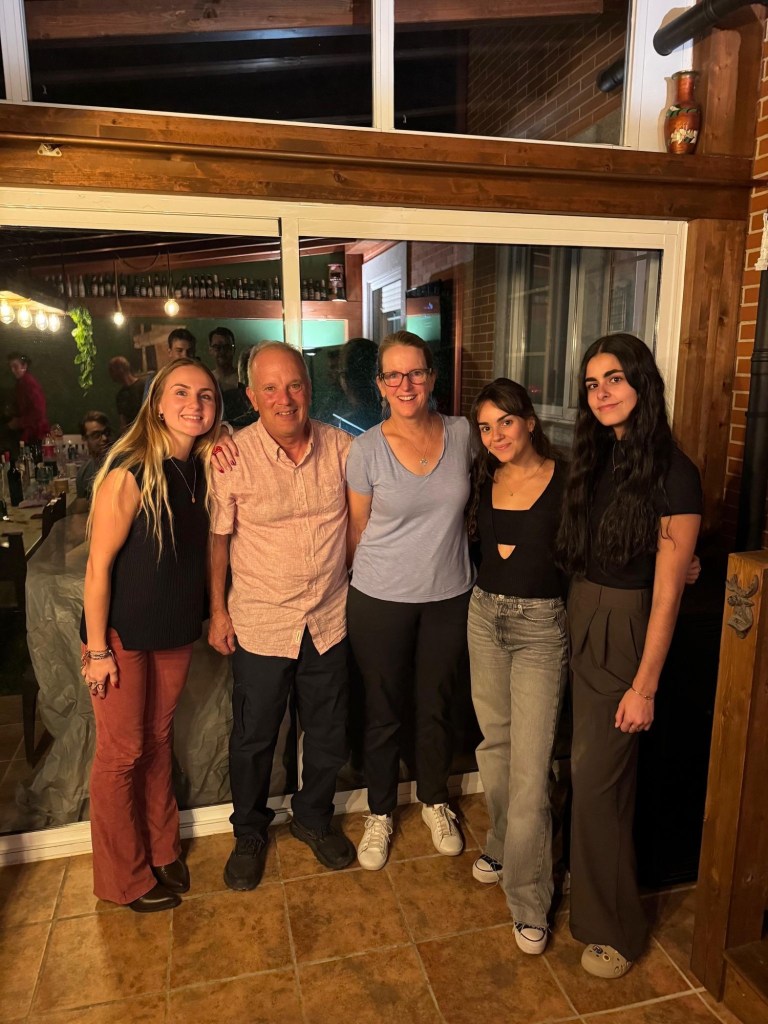
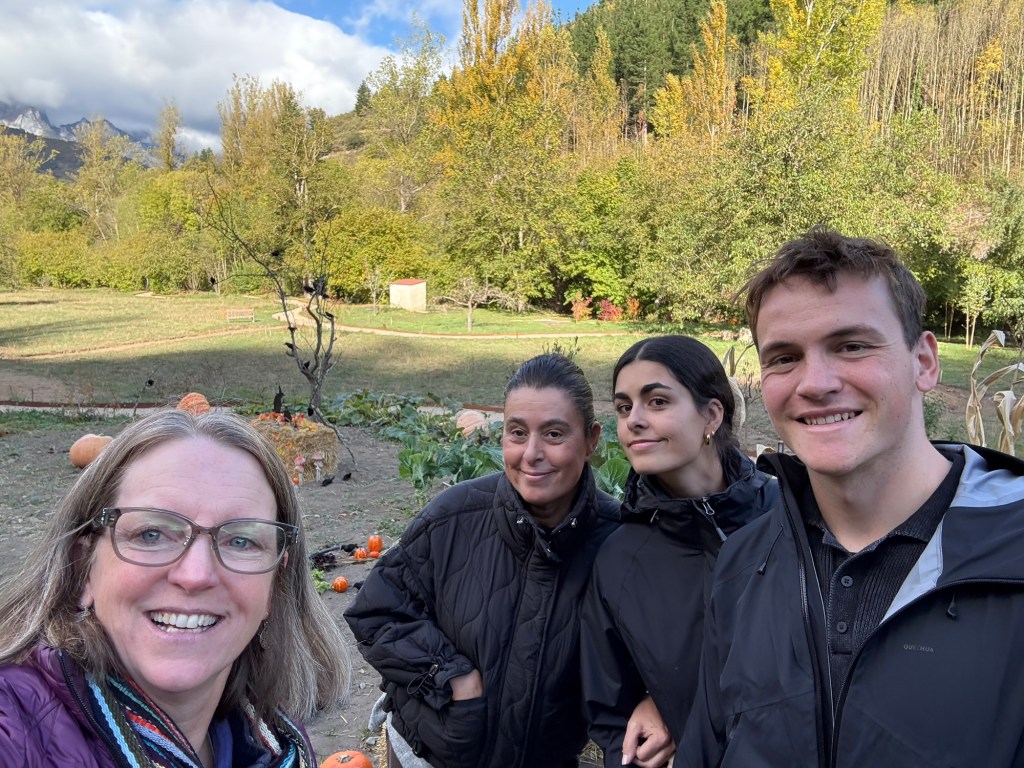
We were surprised to see two more of our Spanish teacher friends: Yaiza and Patri! It was so great to see them and catch up.
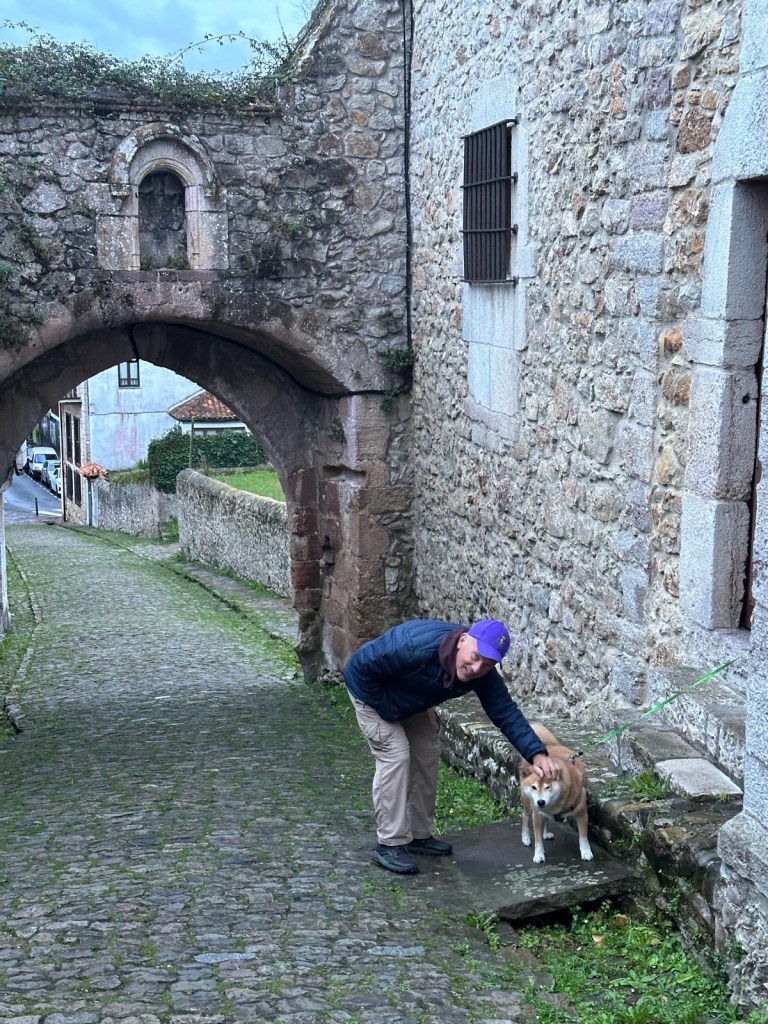
Jim made friends with Bruc!

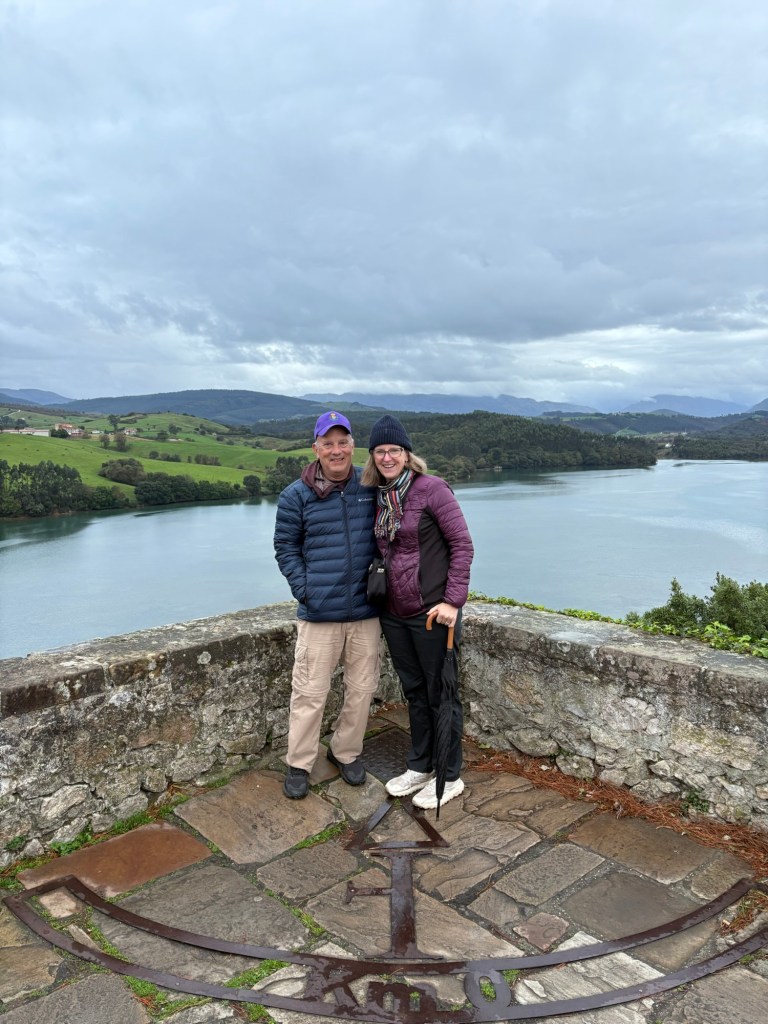
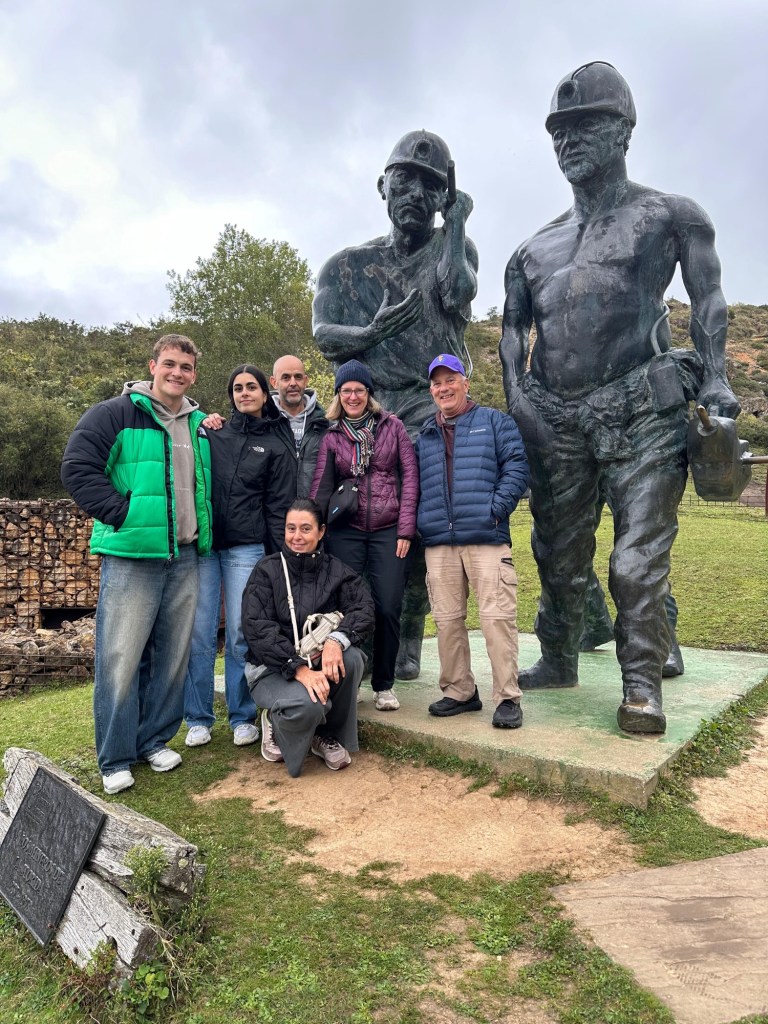
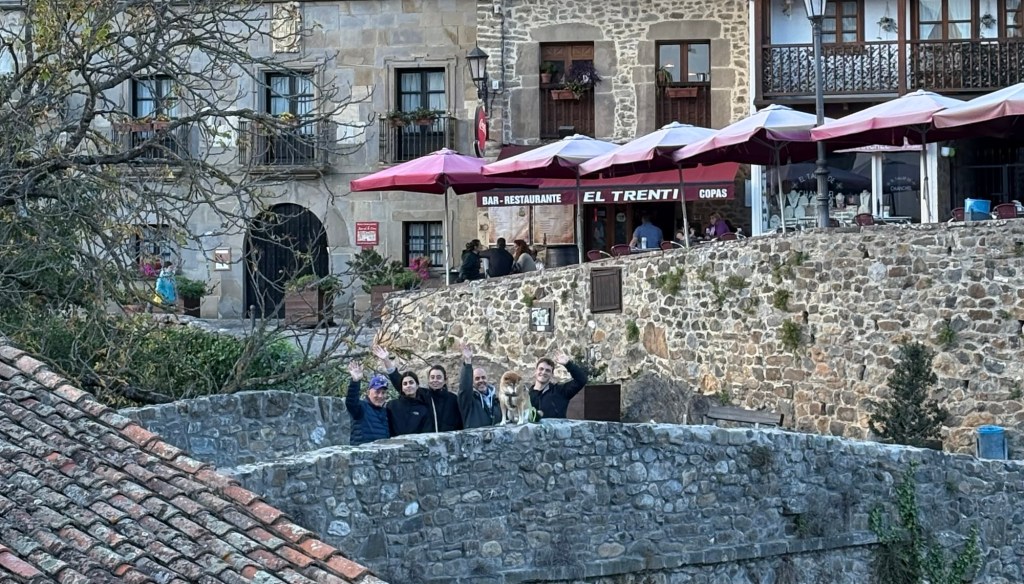
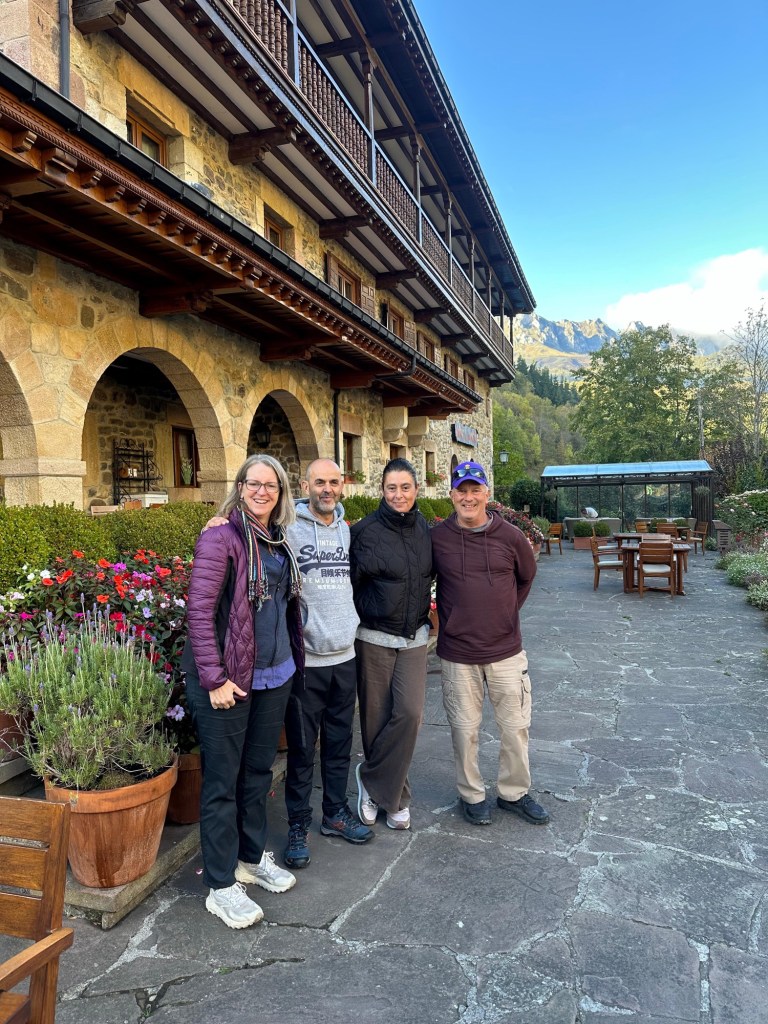
We all headed up to the north coast for a couple days including Rodri, which was so much fun!

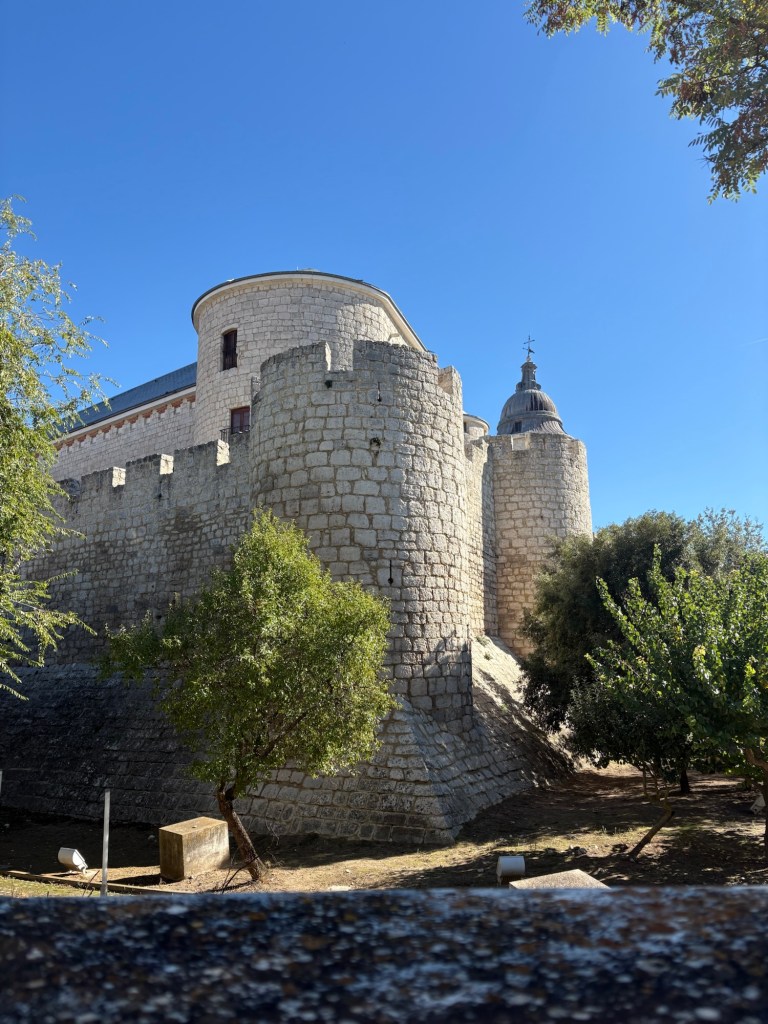
We had a few more sites near Valladolid then the train to Madrid

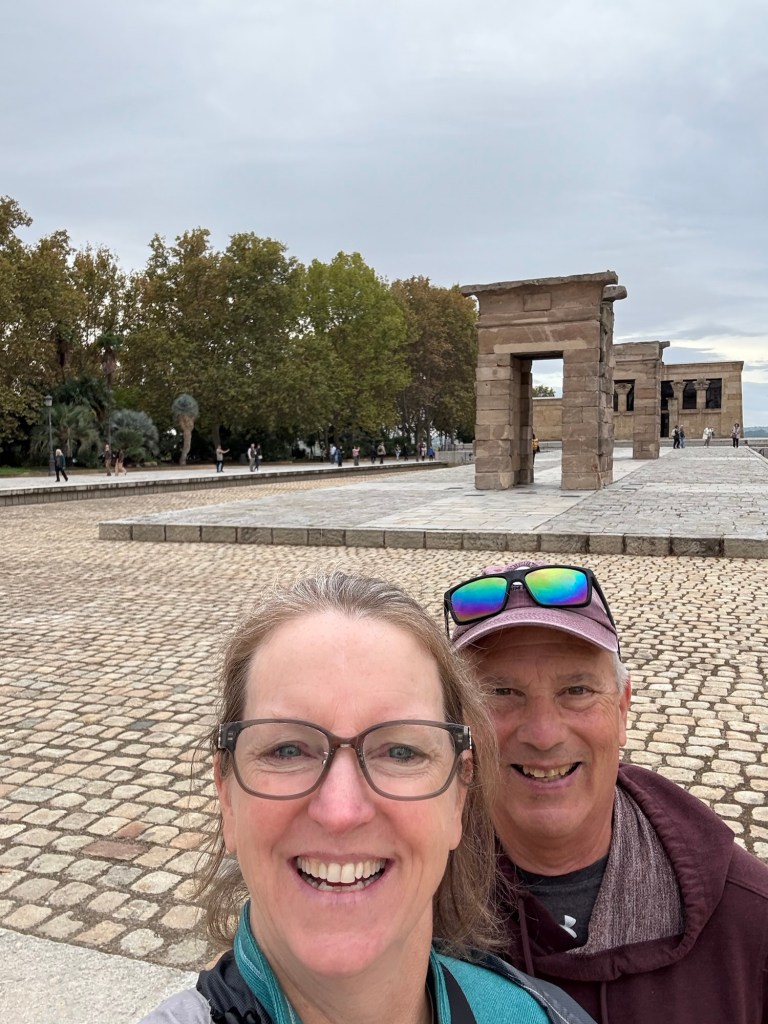
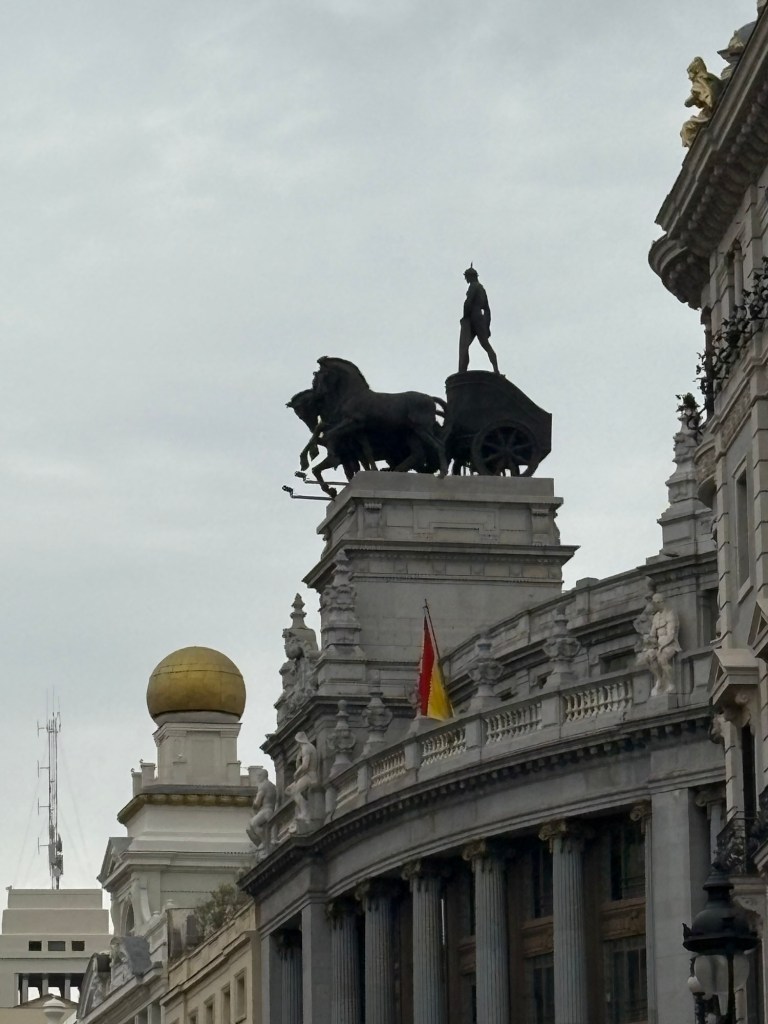
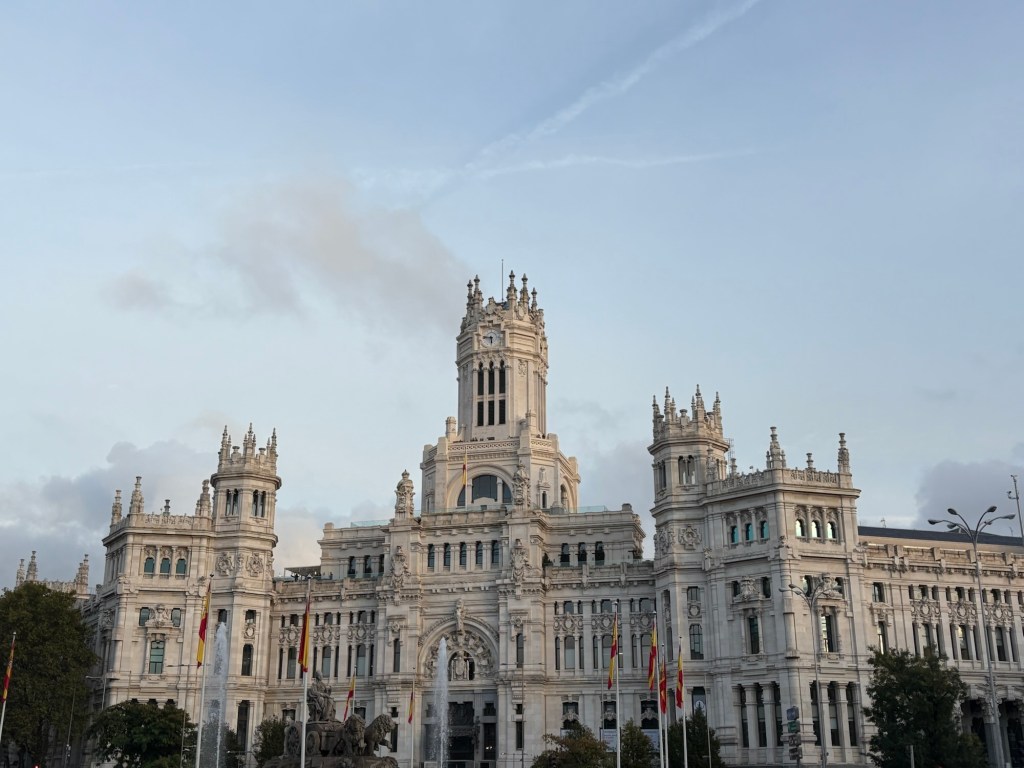
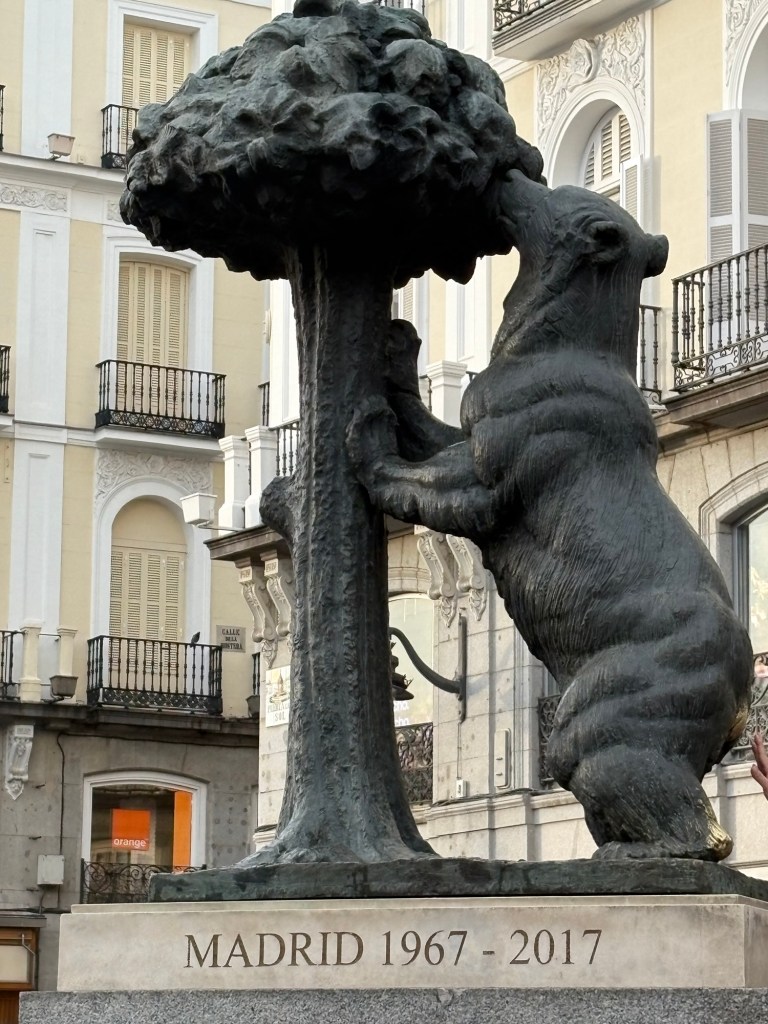
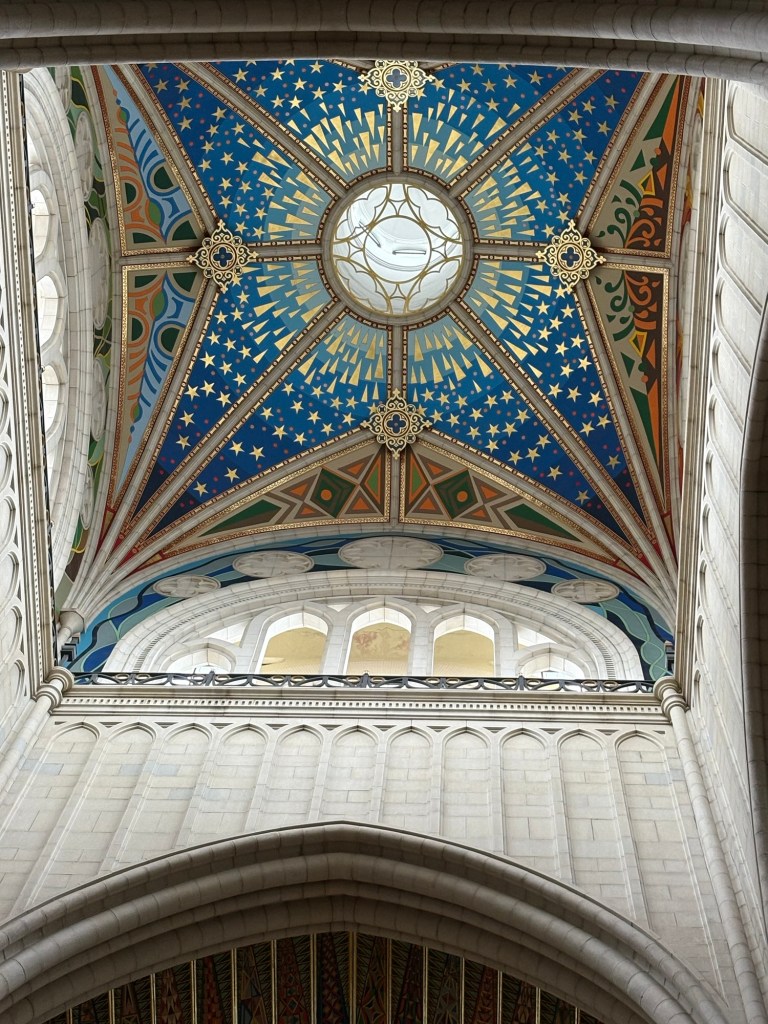
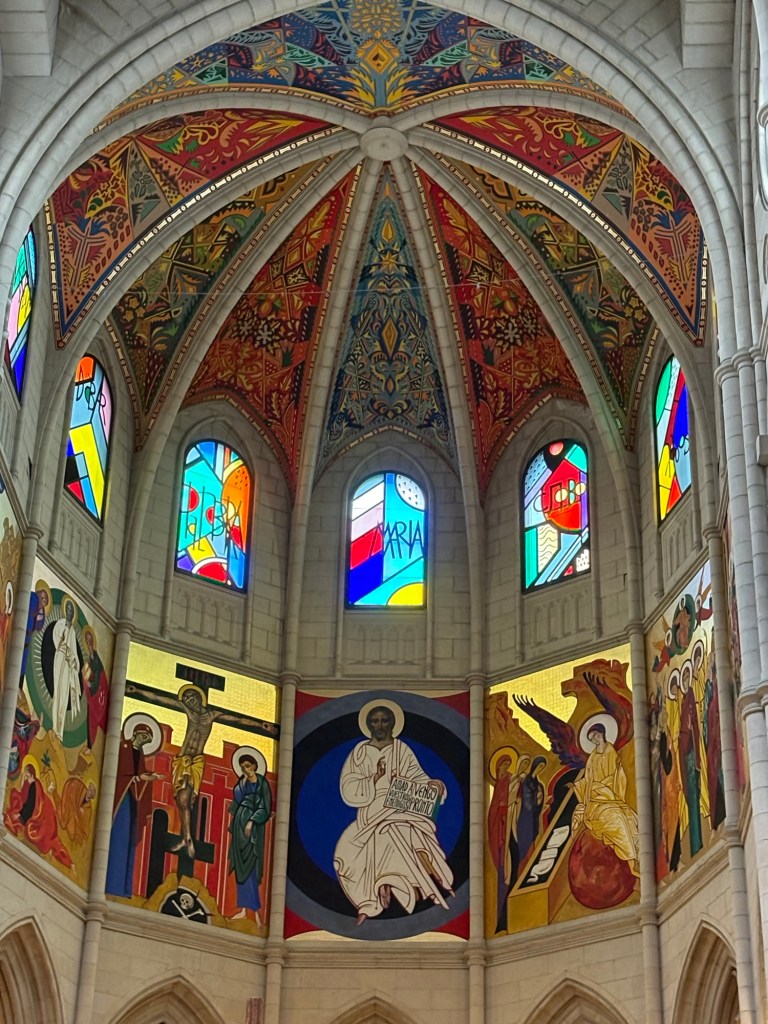
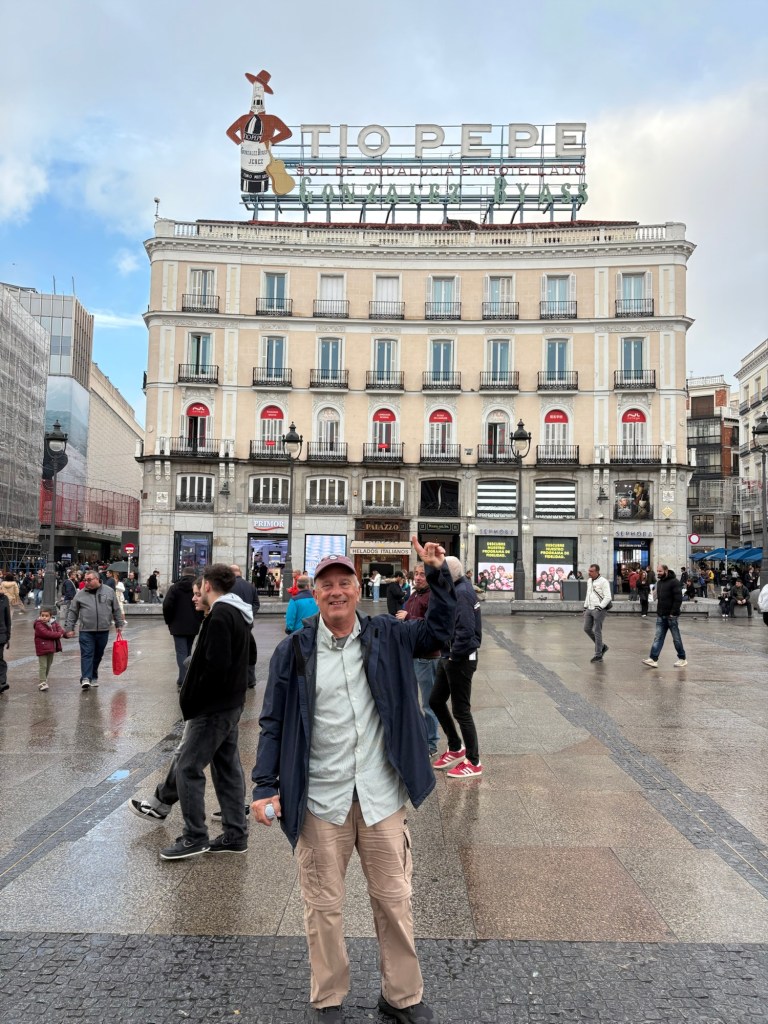
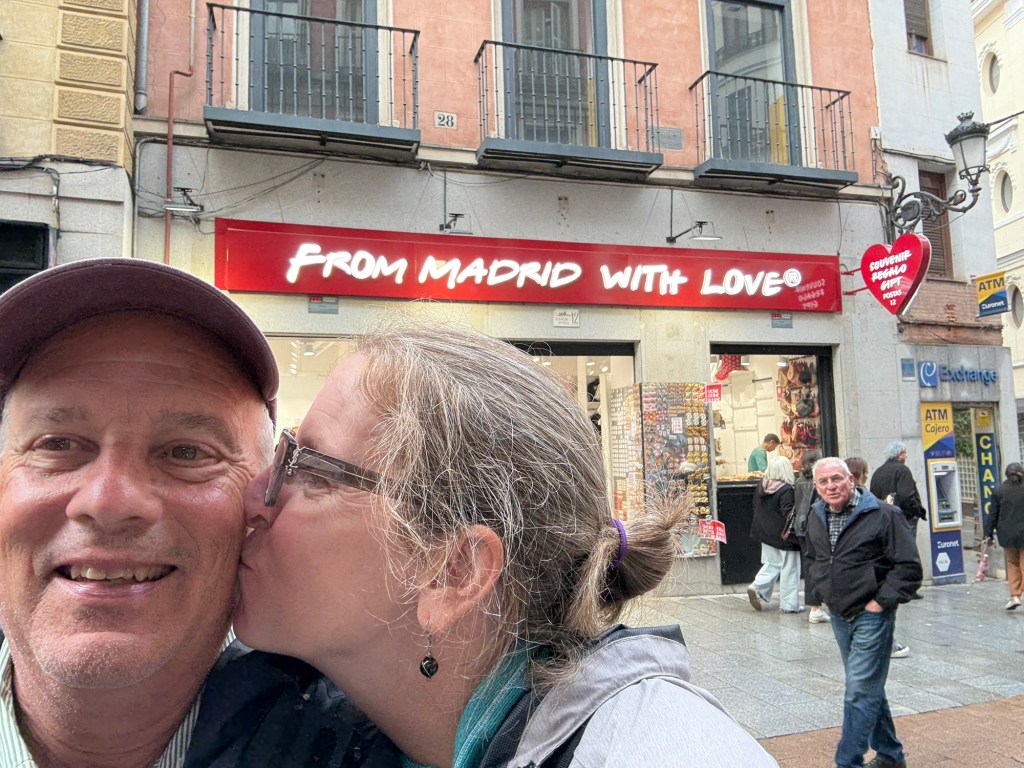
We finished our time in Spain in Madrid. We had 3 full days to explore this cultural capital.

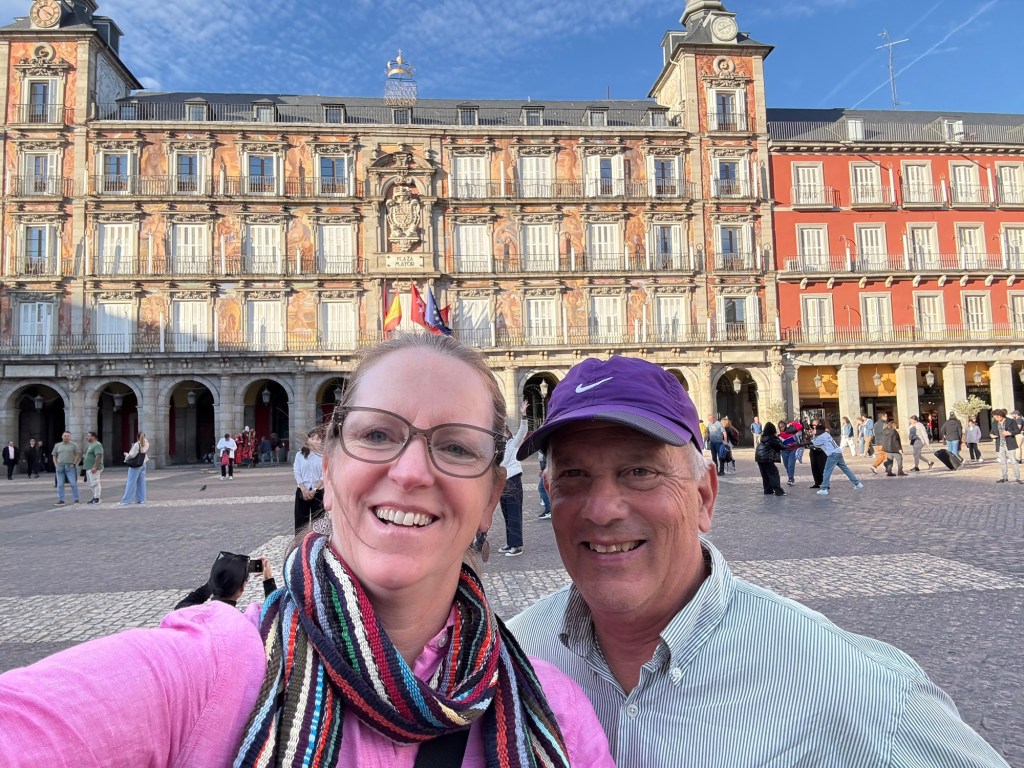
Plaza Mayor in Madrid

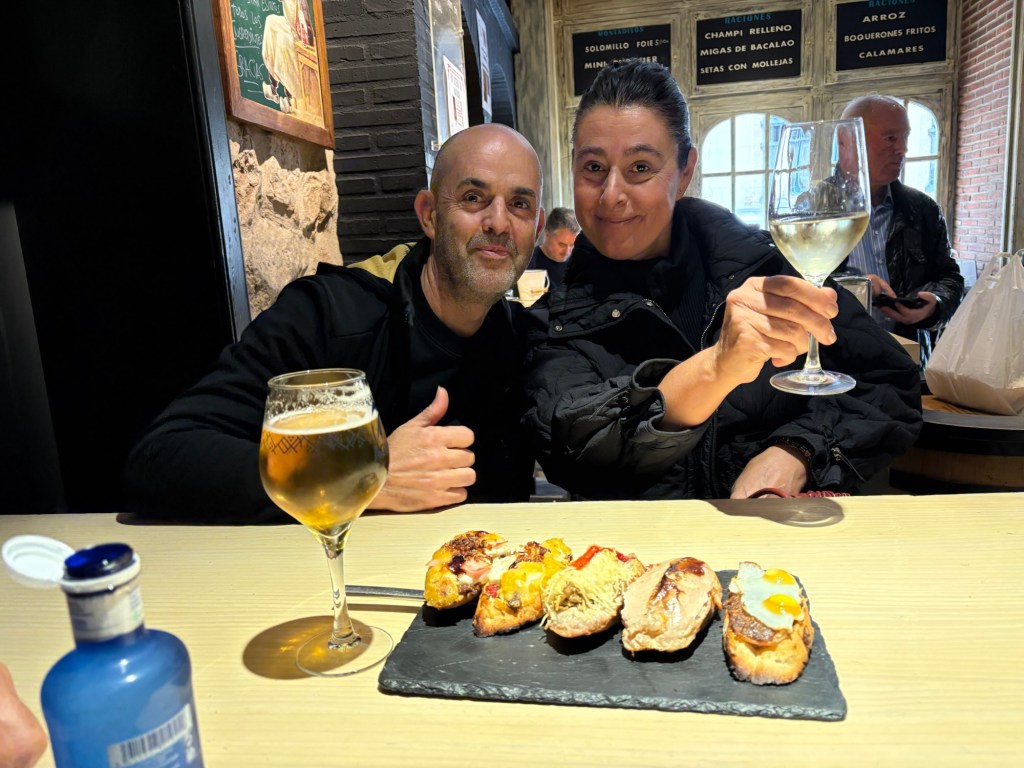
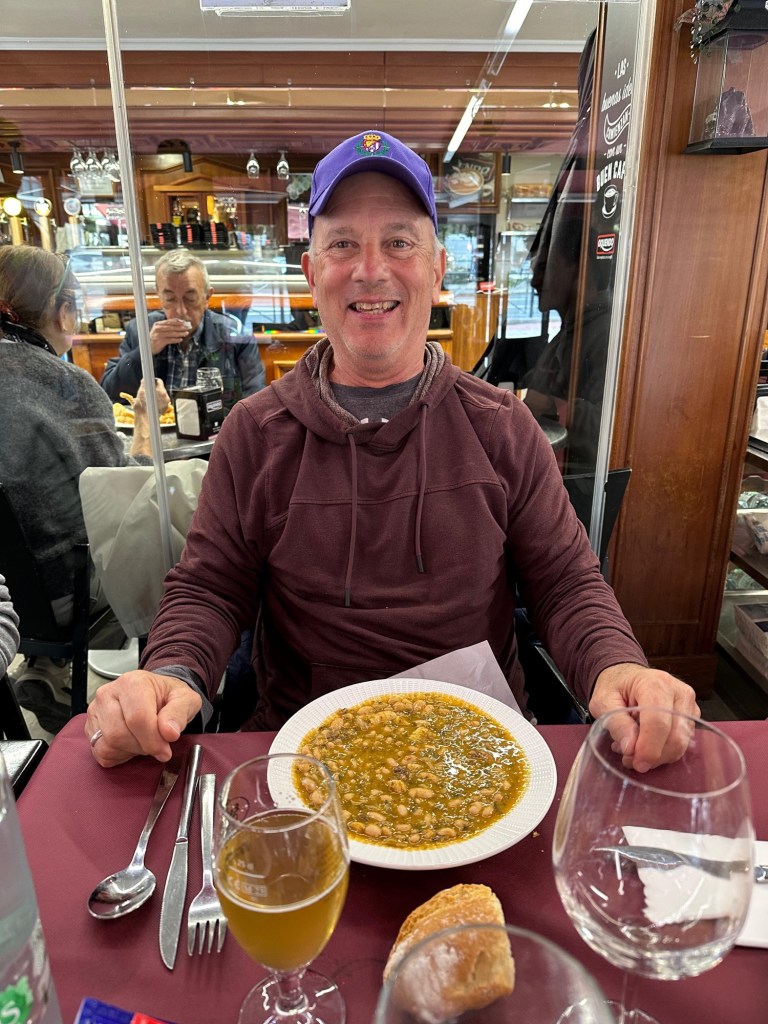
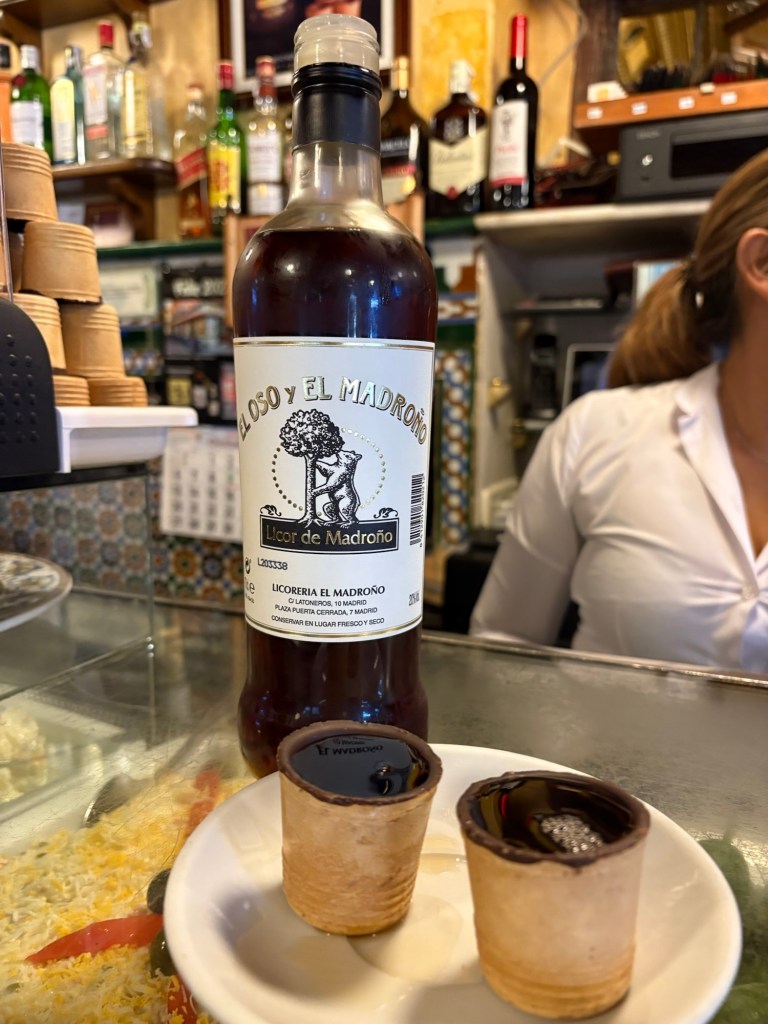
We enjoyed some great traditional food and drinks

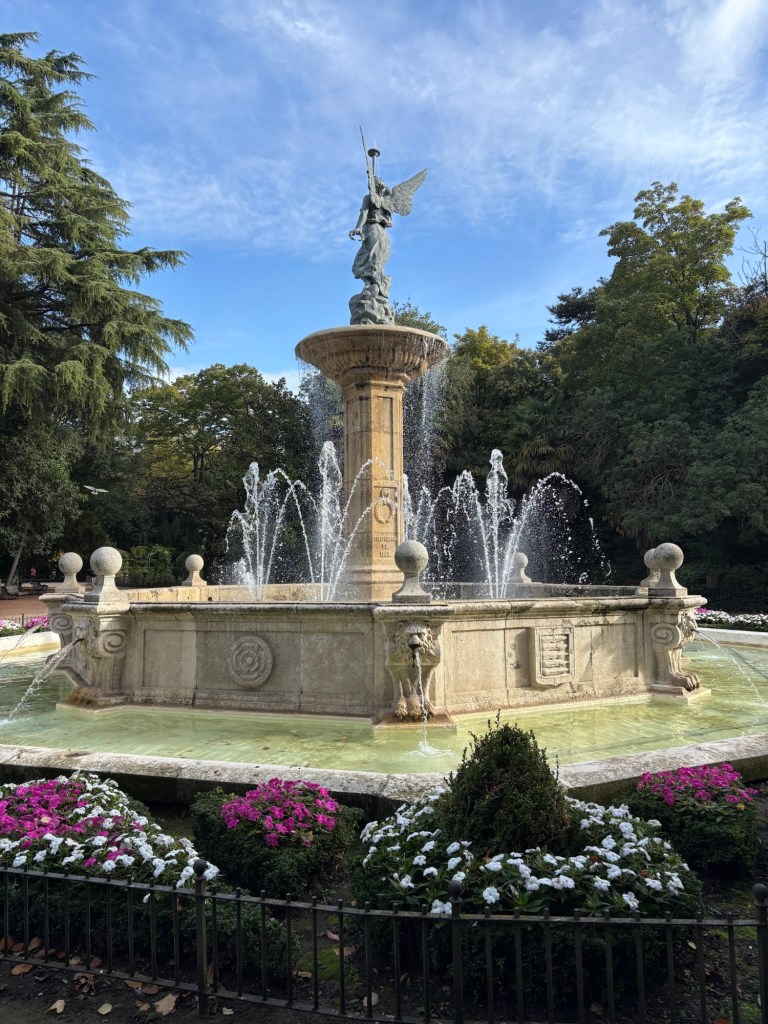
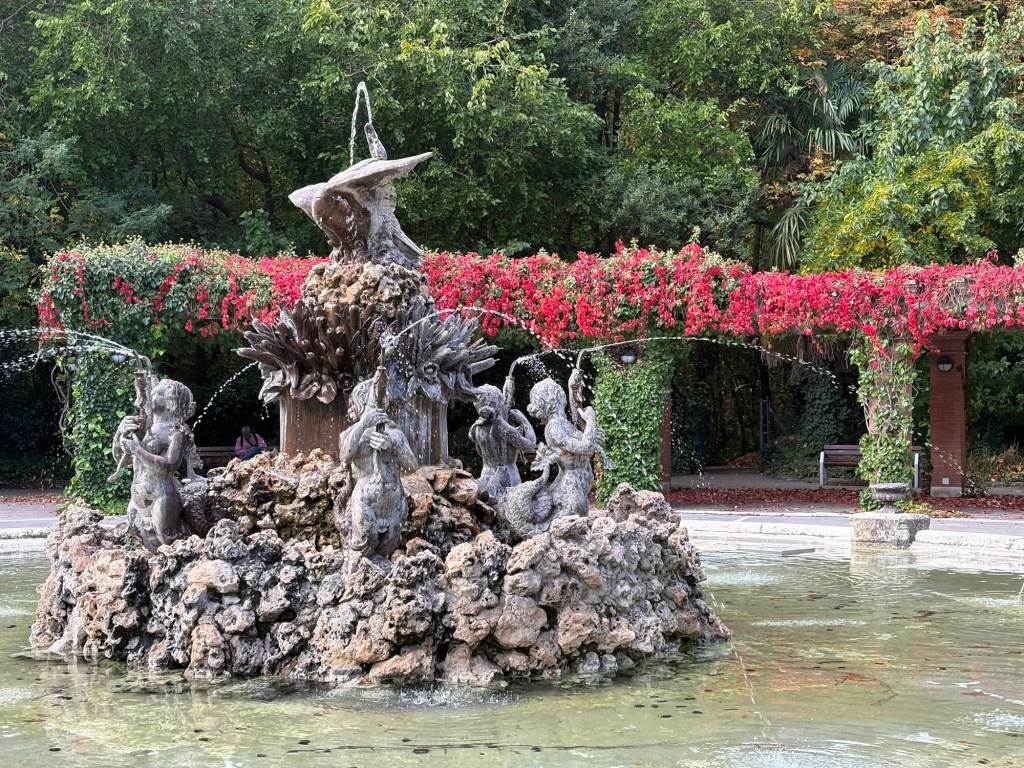
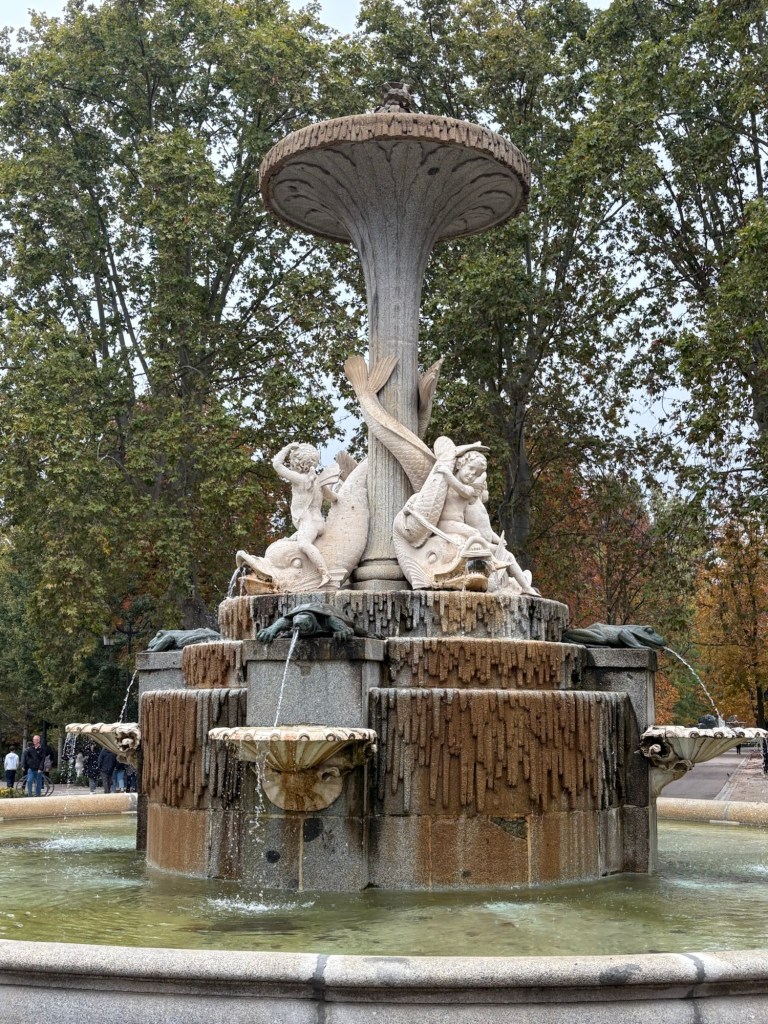
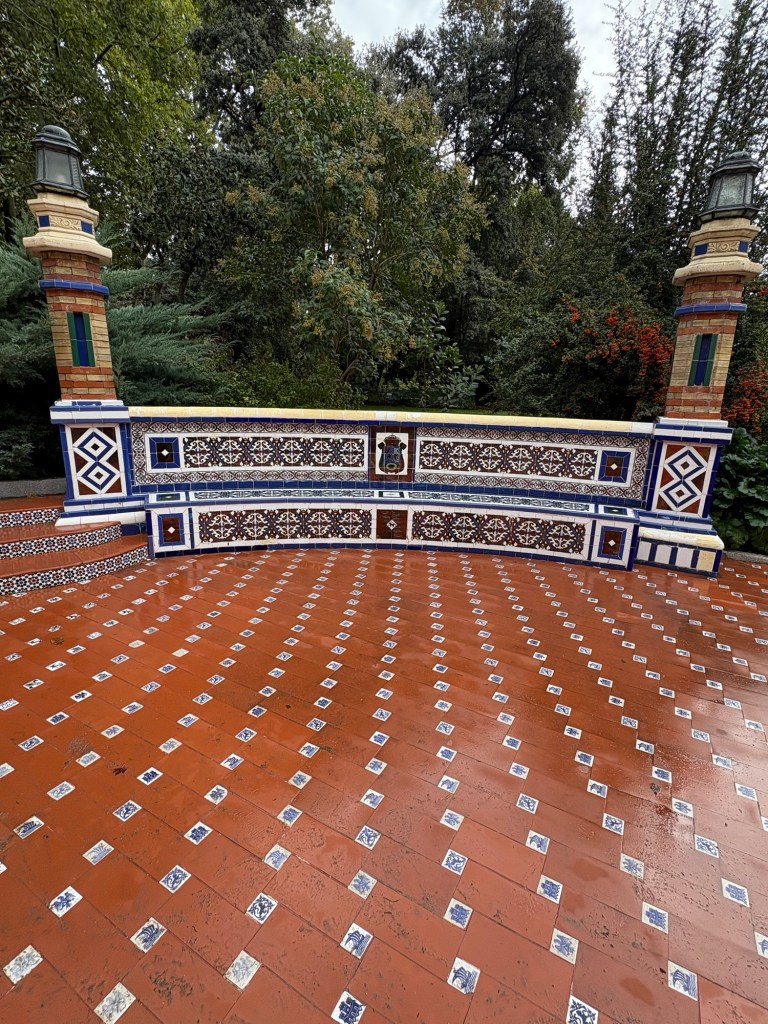
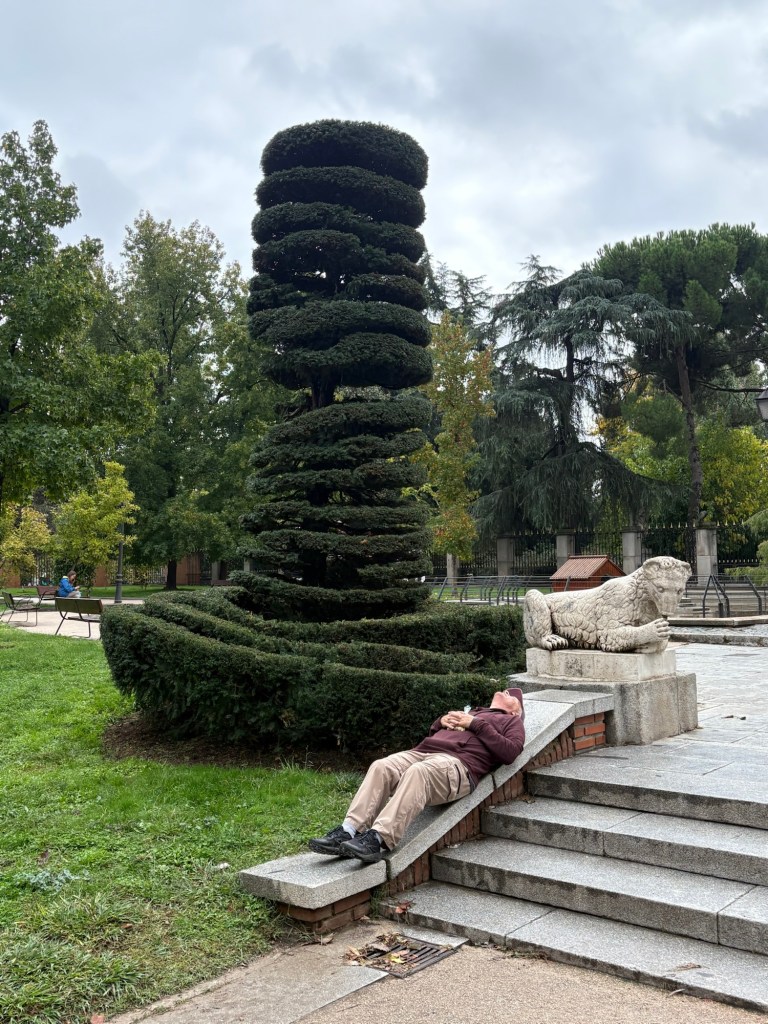
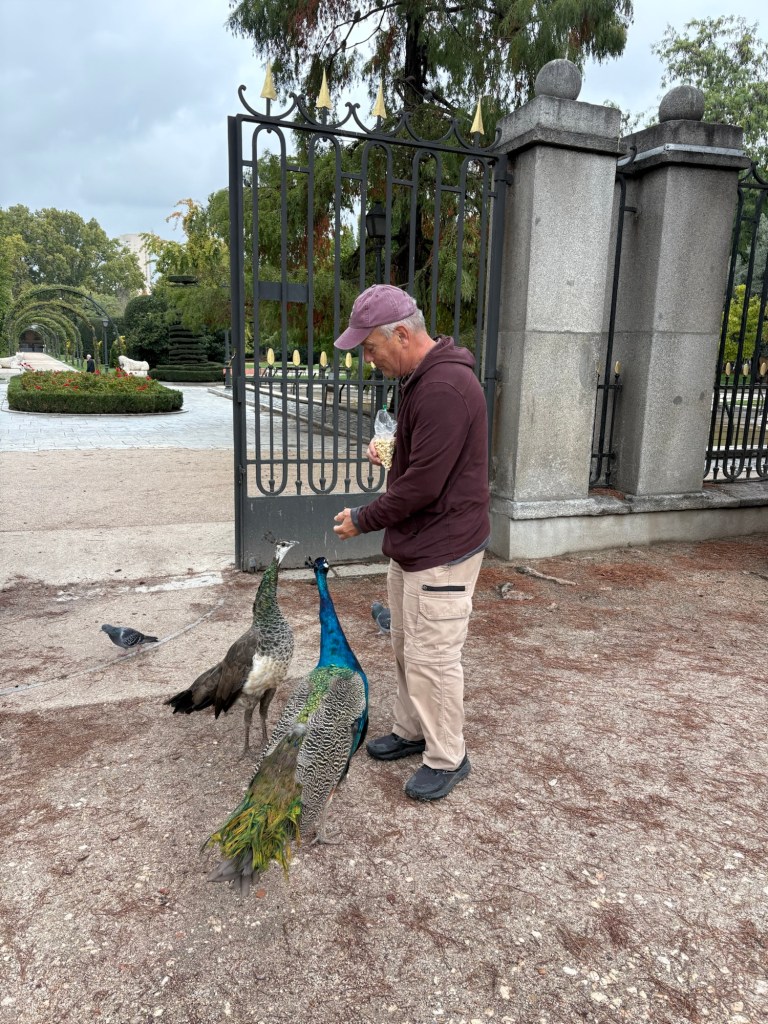
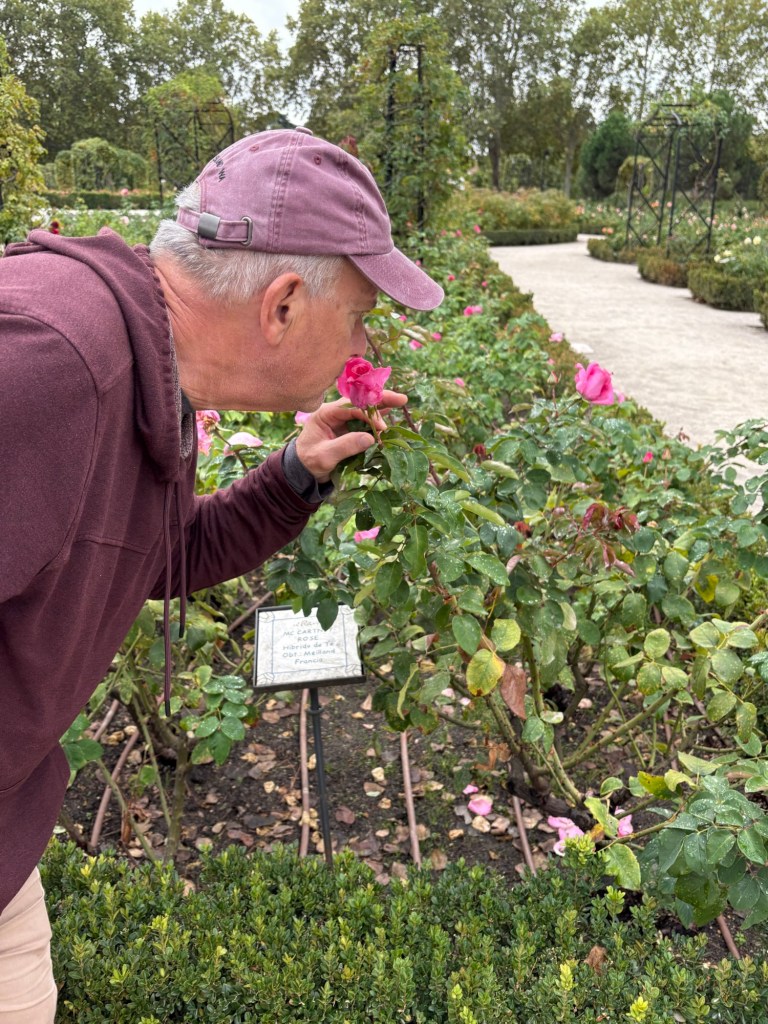
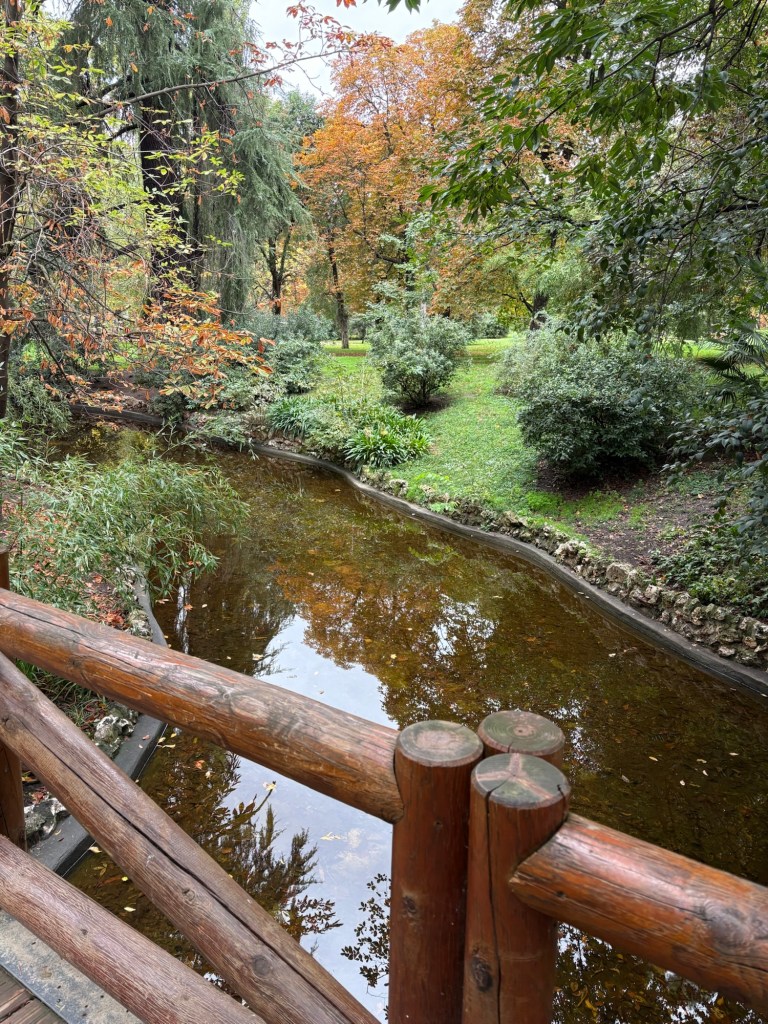
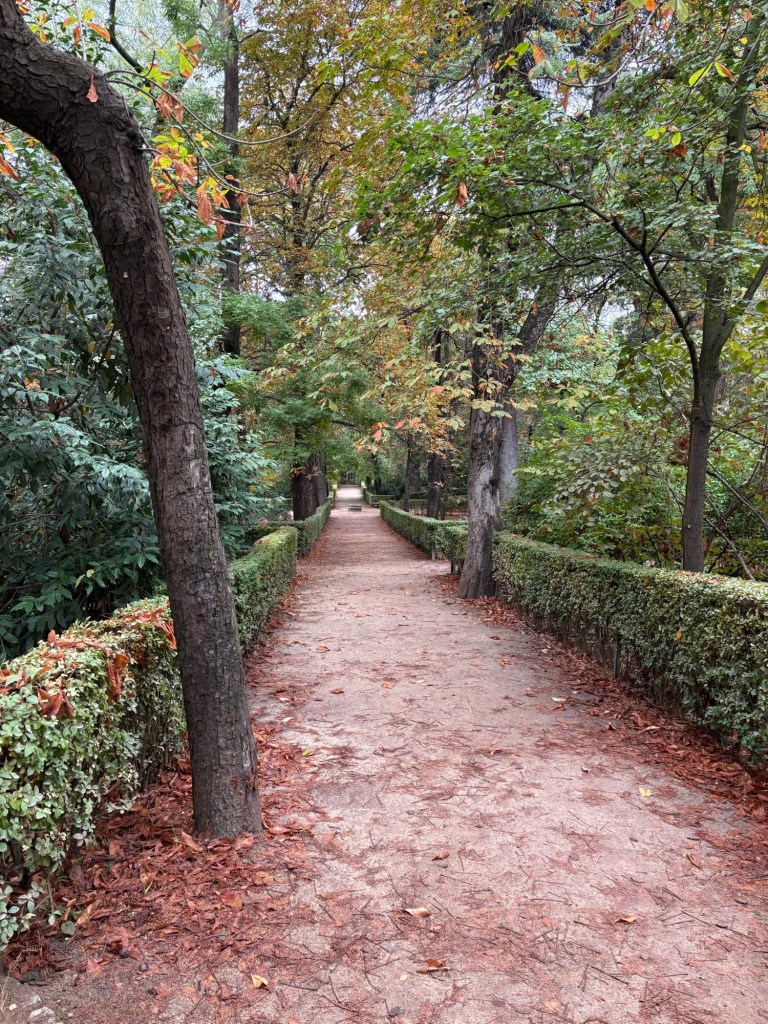
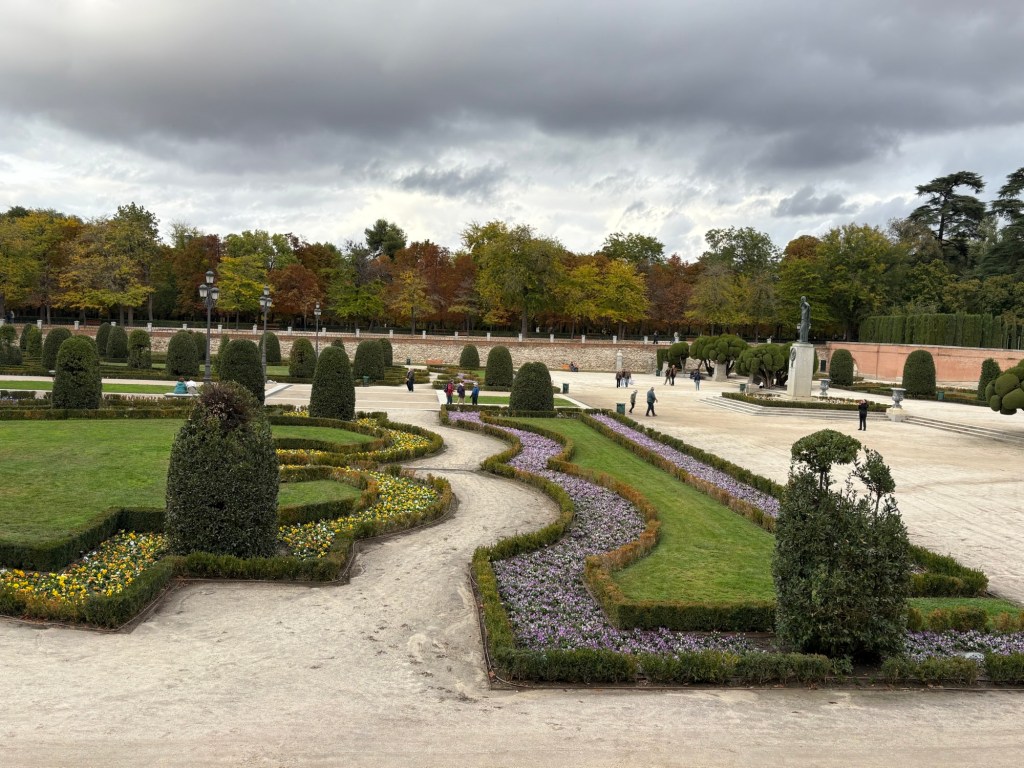
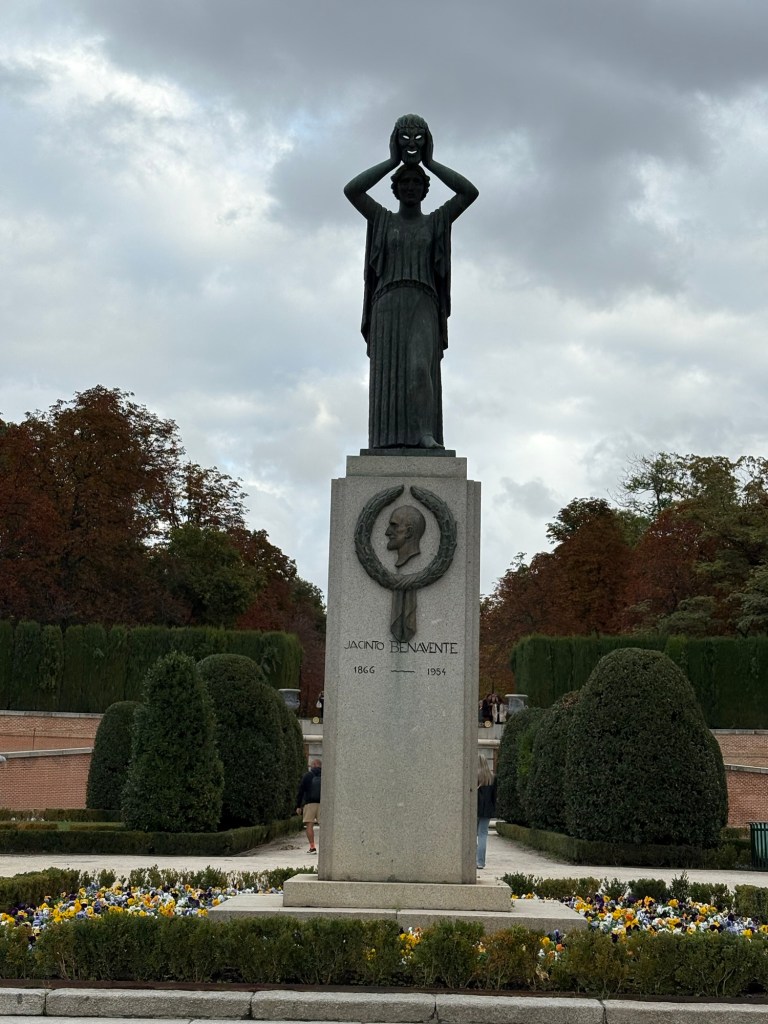
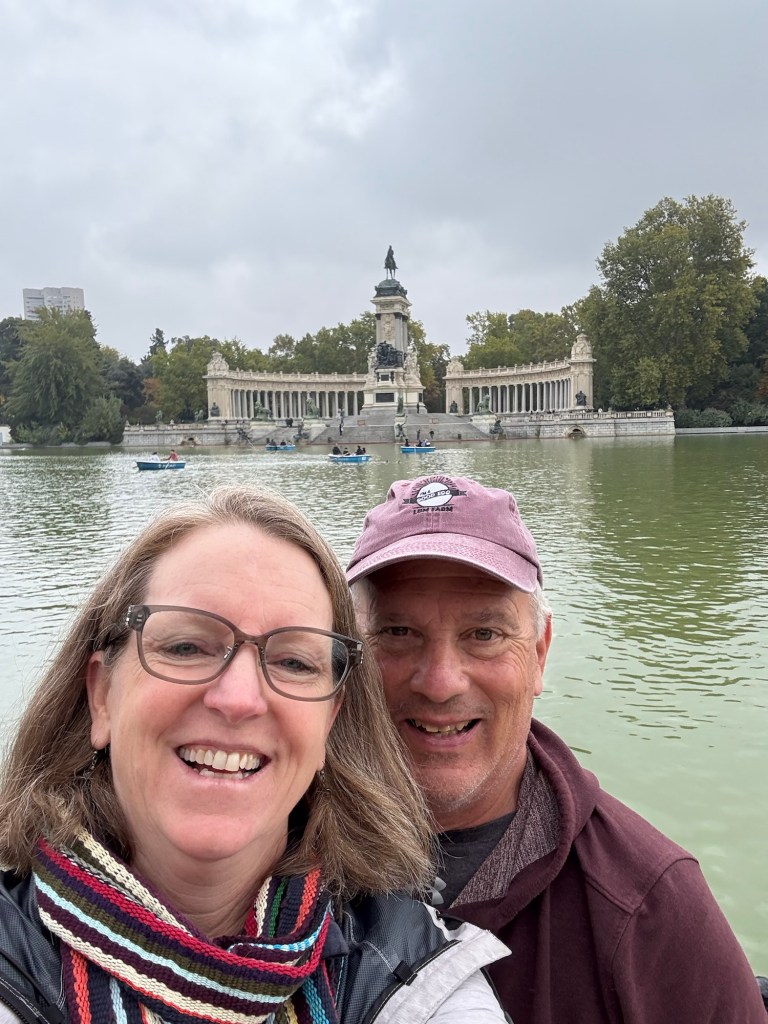
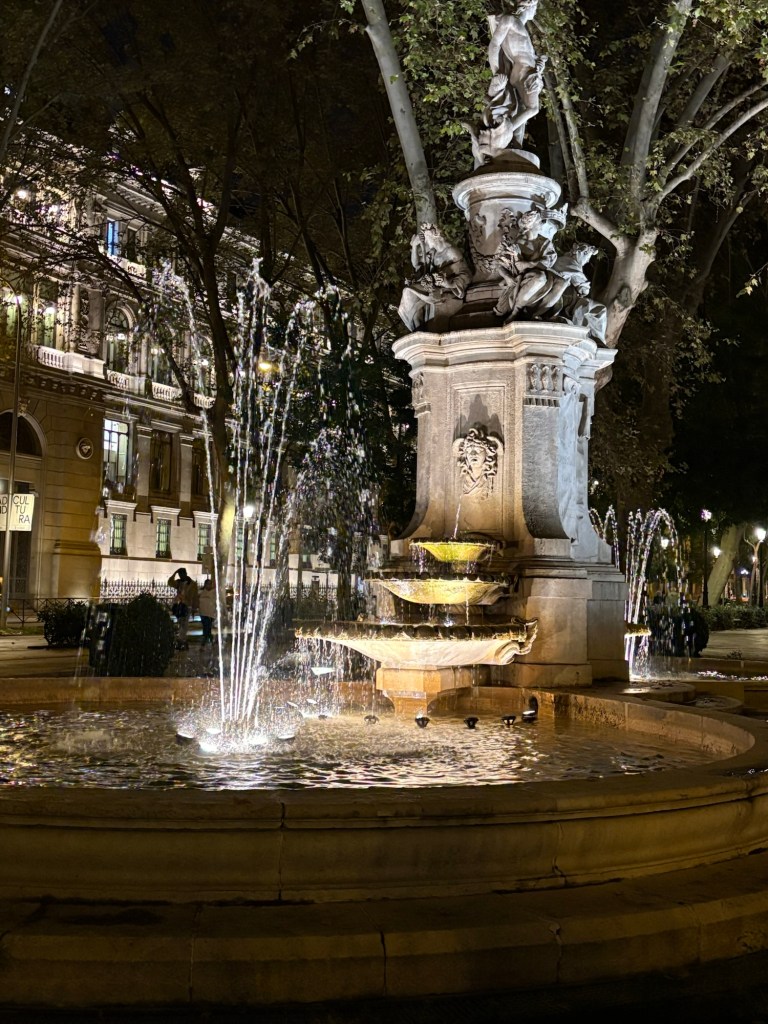
We spent a whole day walking through Parque de El Retiro. Such an incredible, beautiful park with gardens and statues and fountains throughout.

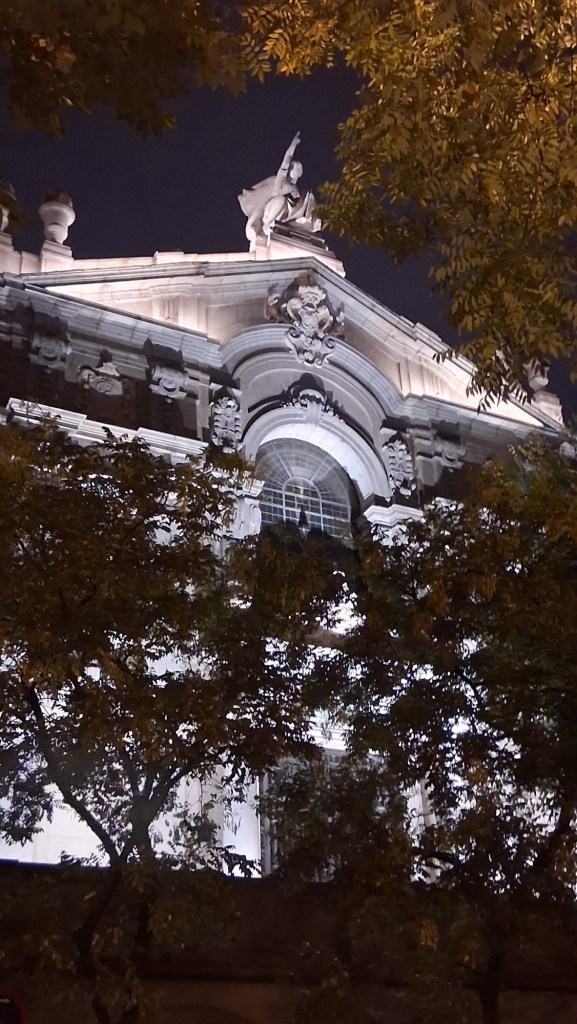
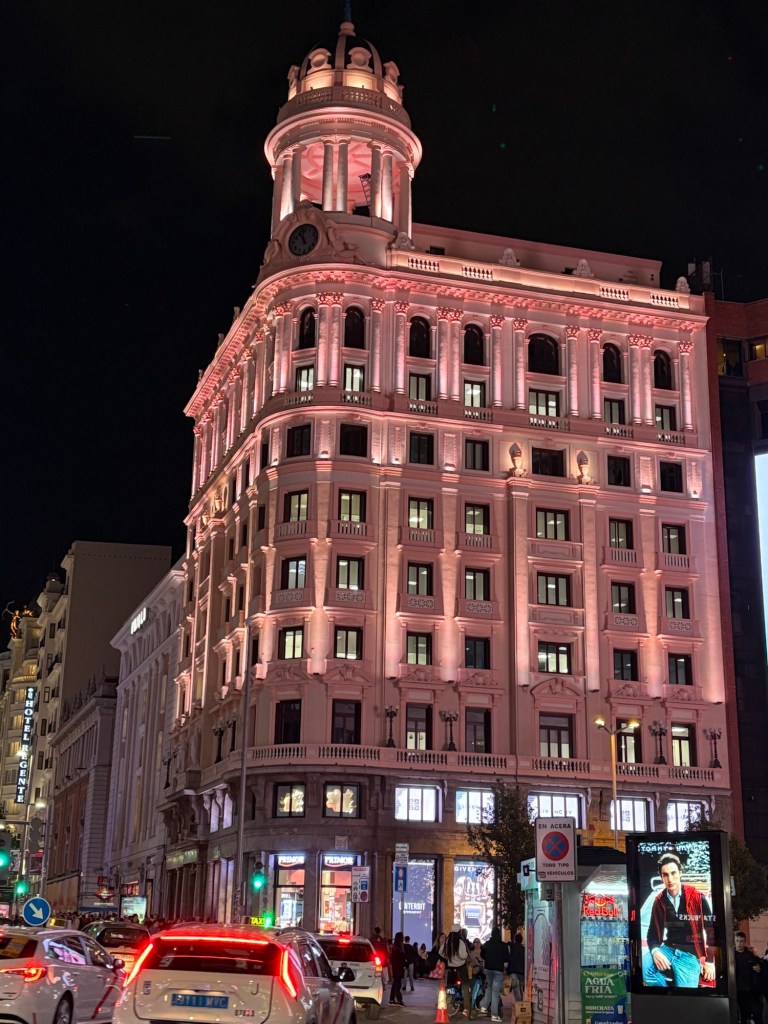
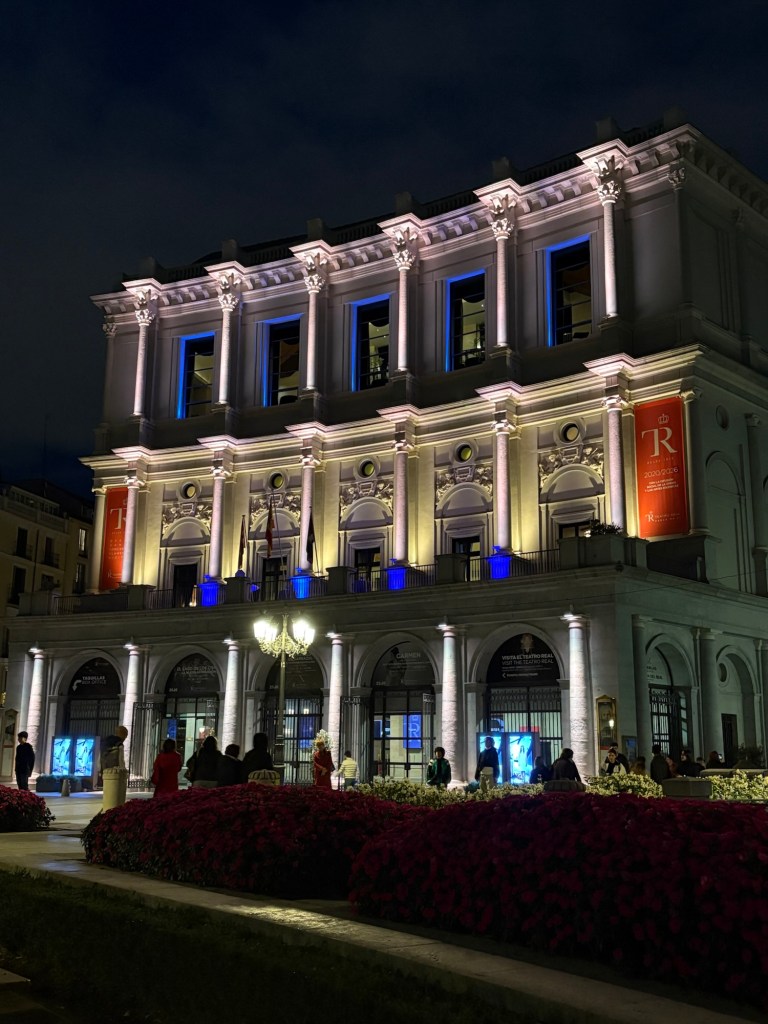
Madrid at night is all lit up and beautiful.

We finished our time in Spain and we are so grateful for all the wonderful memories and experiences we had.

Thank you for all the hospitality you extended to us! We will return again!

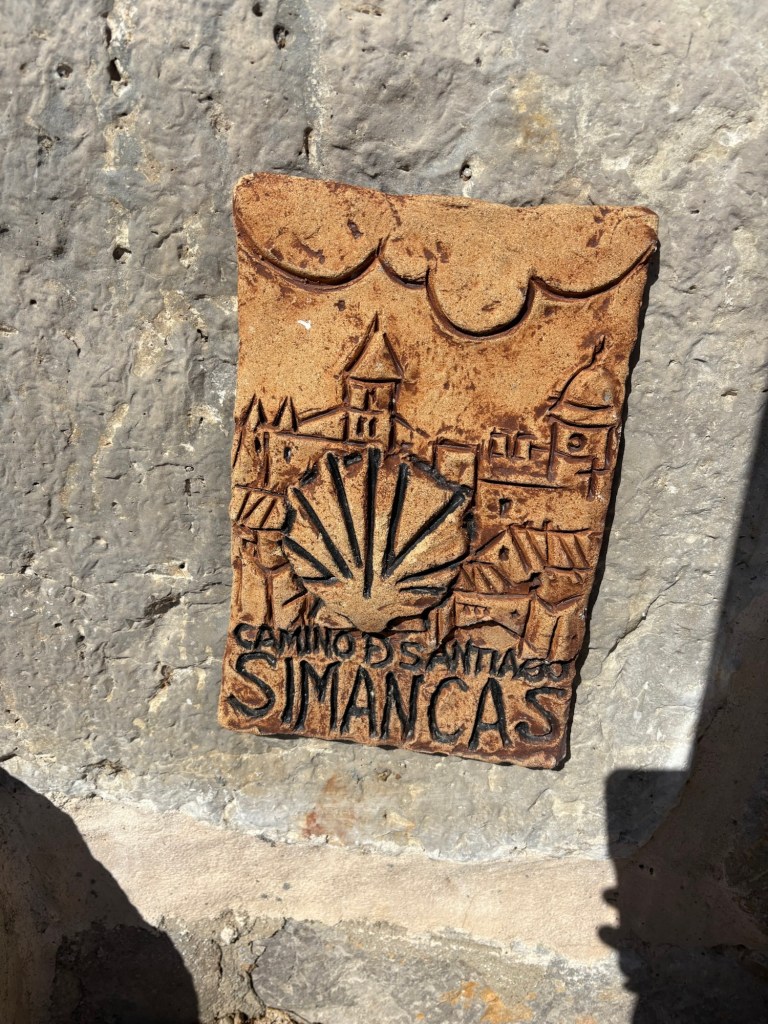
Buen Camino

Dobry den “Hello” from the Balkans

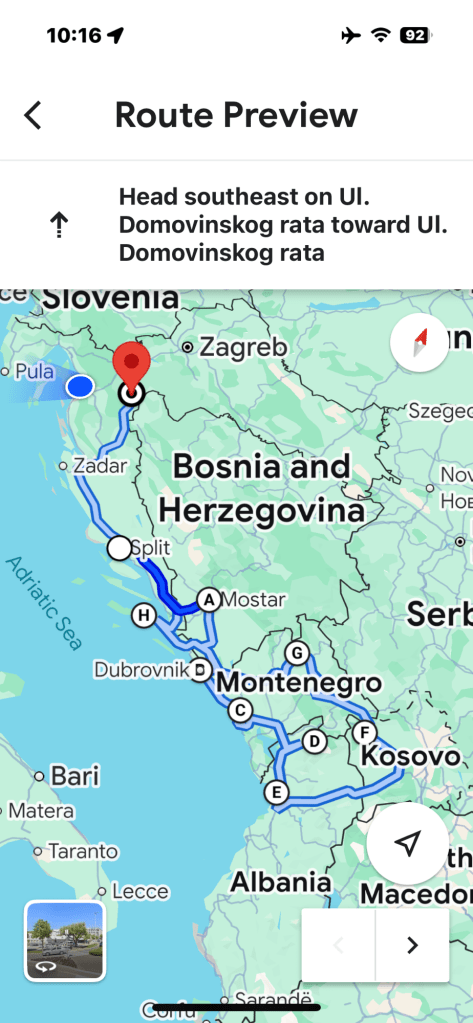
To be honest, before we started planning, if someone had said find the Balkans on a map, I would have been lost. In 26 days we only scratched the surface of this diverse part of our planet. We traveled through 5 of the 7 countries that make up this area. We traveled by the Adriatic Sea and in the Albanian Alps and lots in between.

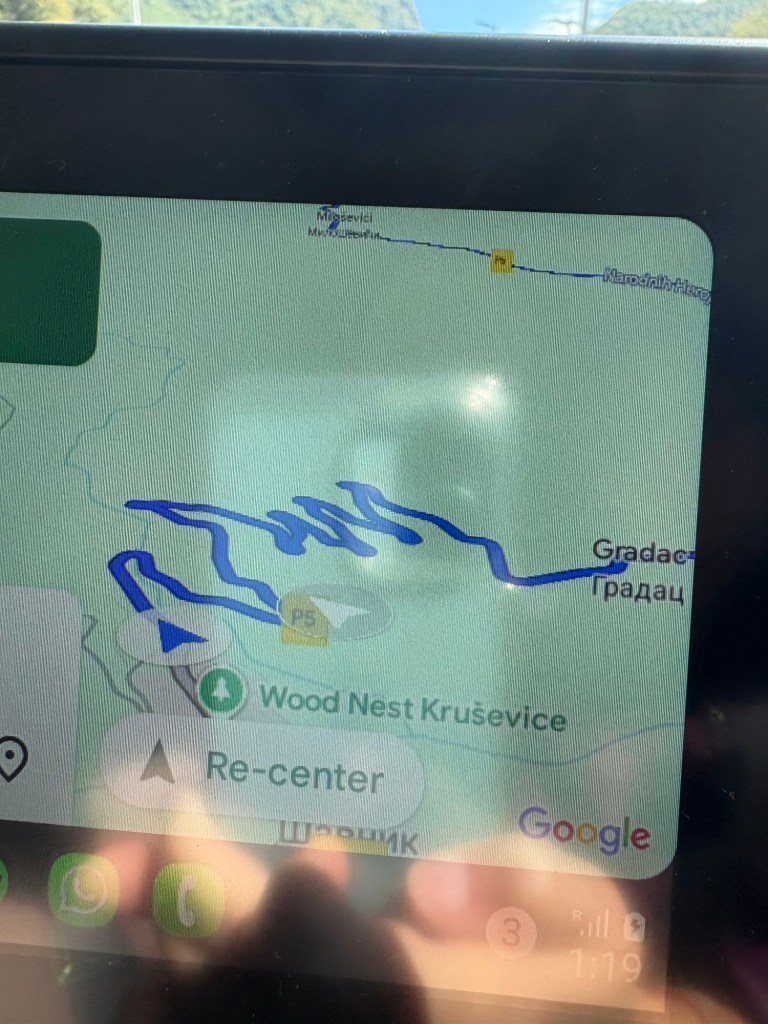
The Way: We rented a car and drove 1750 miles and crossed 8 borders (some repeated). For the most part, we were on two lane roads in good condition, often curvy. Since we went over several mountain passes, the roads occasionally became 1 lane with pull outs for passing. 😬

Lots of prayers

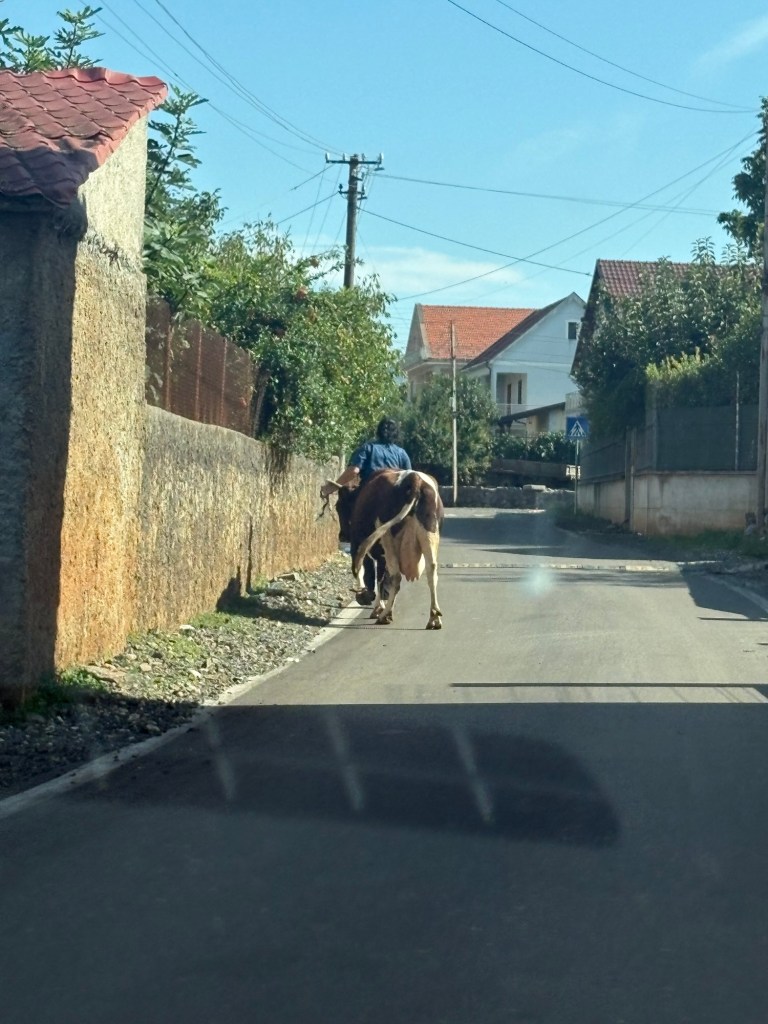
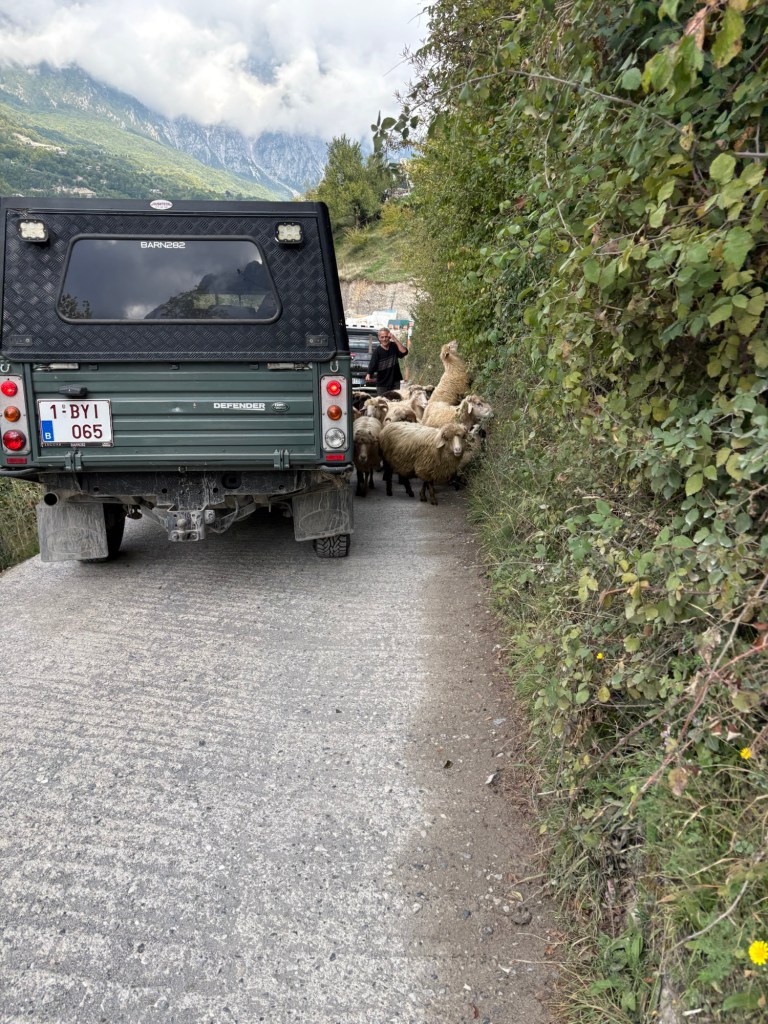
And on occasion we had to share the road

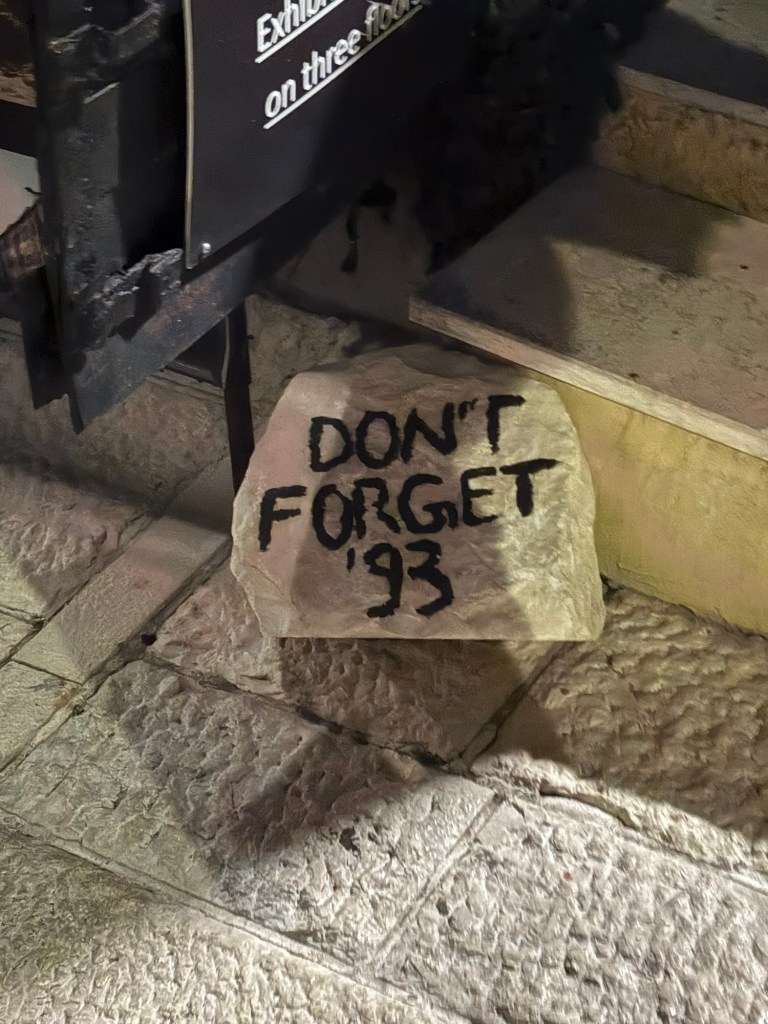
We stayed in apartments and guest houses mostly and this allowed us to get to talk with locals in the communities we visited. It was interesting to hear peoples stories. Most had grown up in their community and lived through the transition of Yugoslavia to what it is today. The pride and joy that people felt about their communities and shared with us was very special to witness. In many cases it came with a lot of pain and loss and we saw evidence of this especially in Kosovo and Bosnia Herzegovina and also in northern Croatia.

Museum of War and Genocide Victims
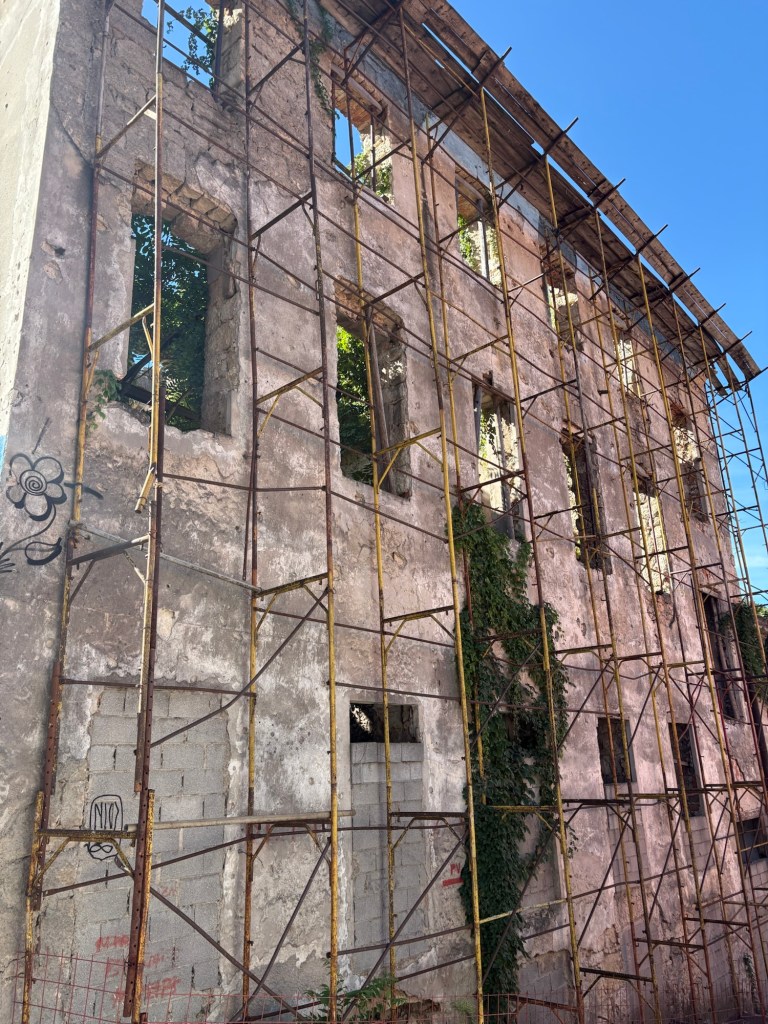
Many buildings bombed and still being restored

We also witnessed a deep sense of community and family everywhere we went. It was not unusual to hear of 4 to 5 generations living on the same land and developing it- growing grapes, olive trees, farming sheep and cows, having a family restaurant and inn. Tourism is now the fastest growing industry but it appears locals are still holding strong to their culture and communities.

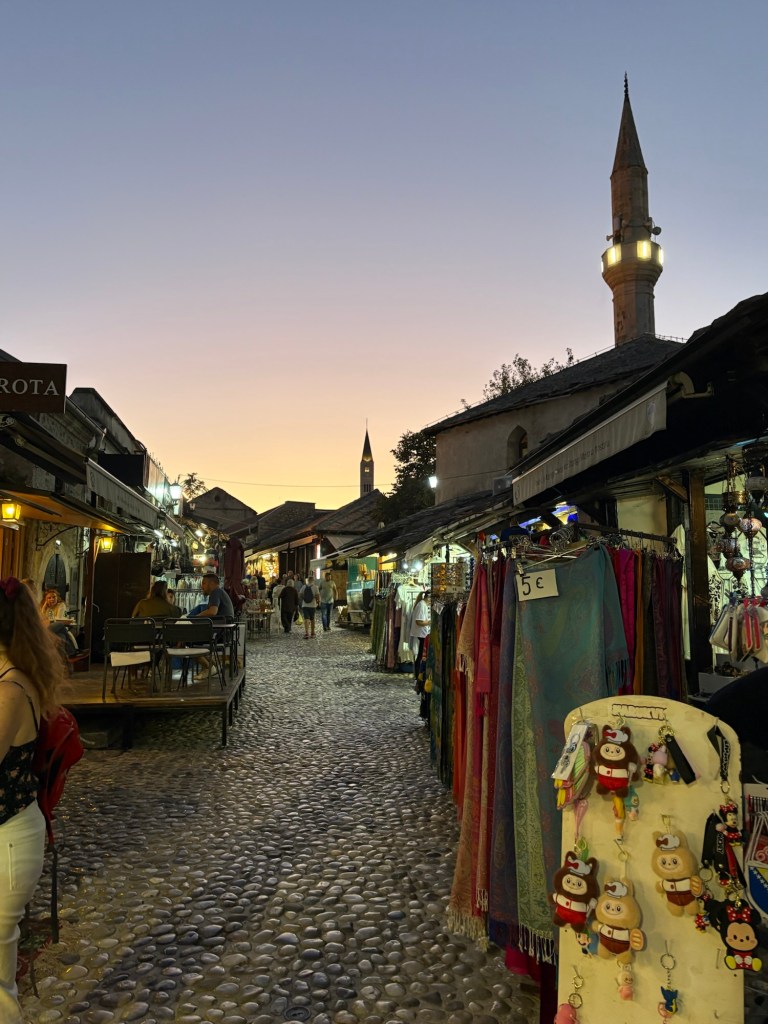
Mostar
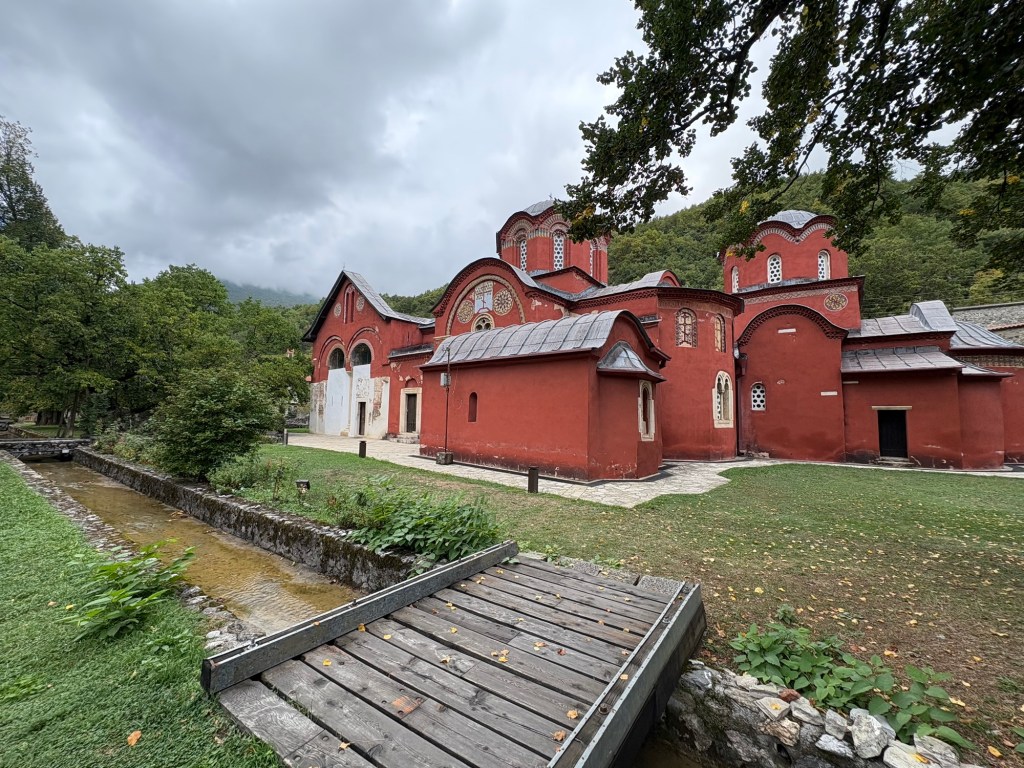
Kosovo Monastery-still active and a place of refuge for those being persecuted during the war.
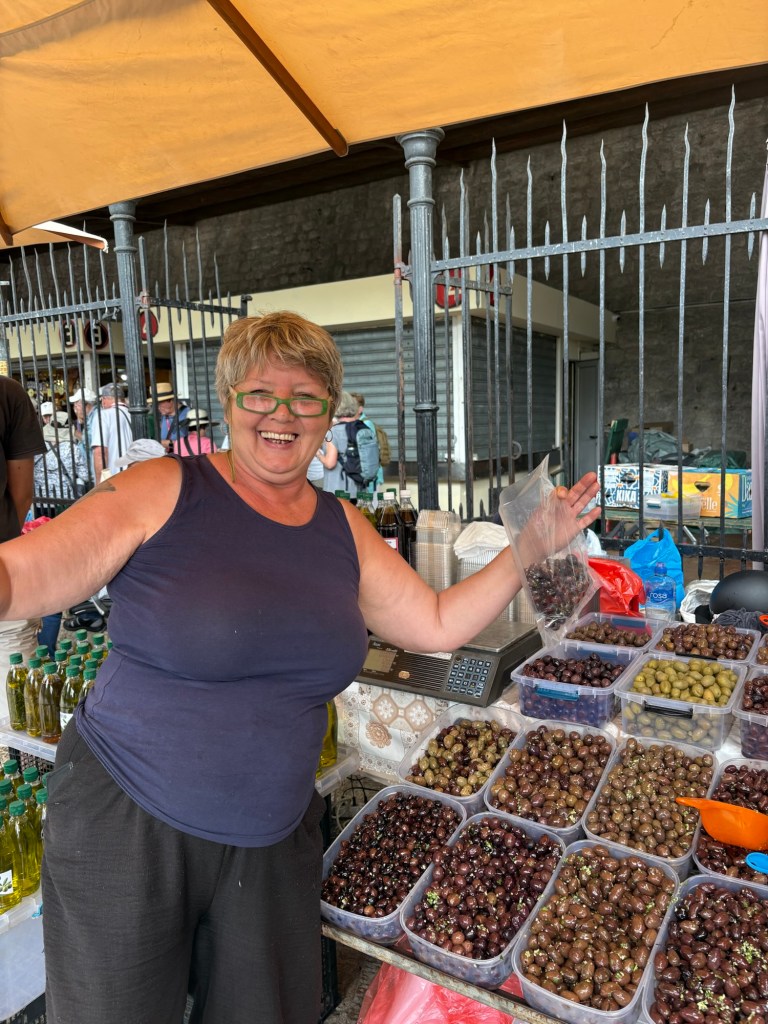
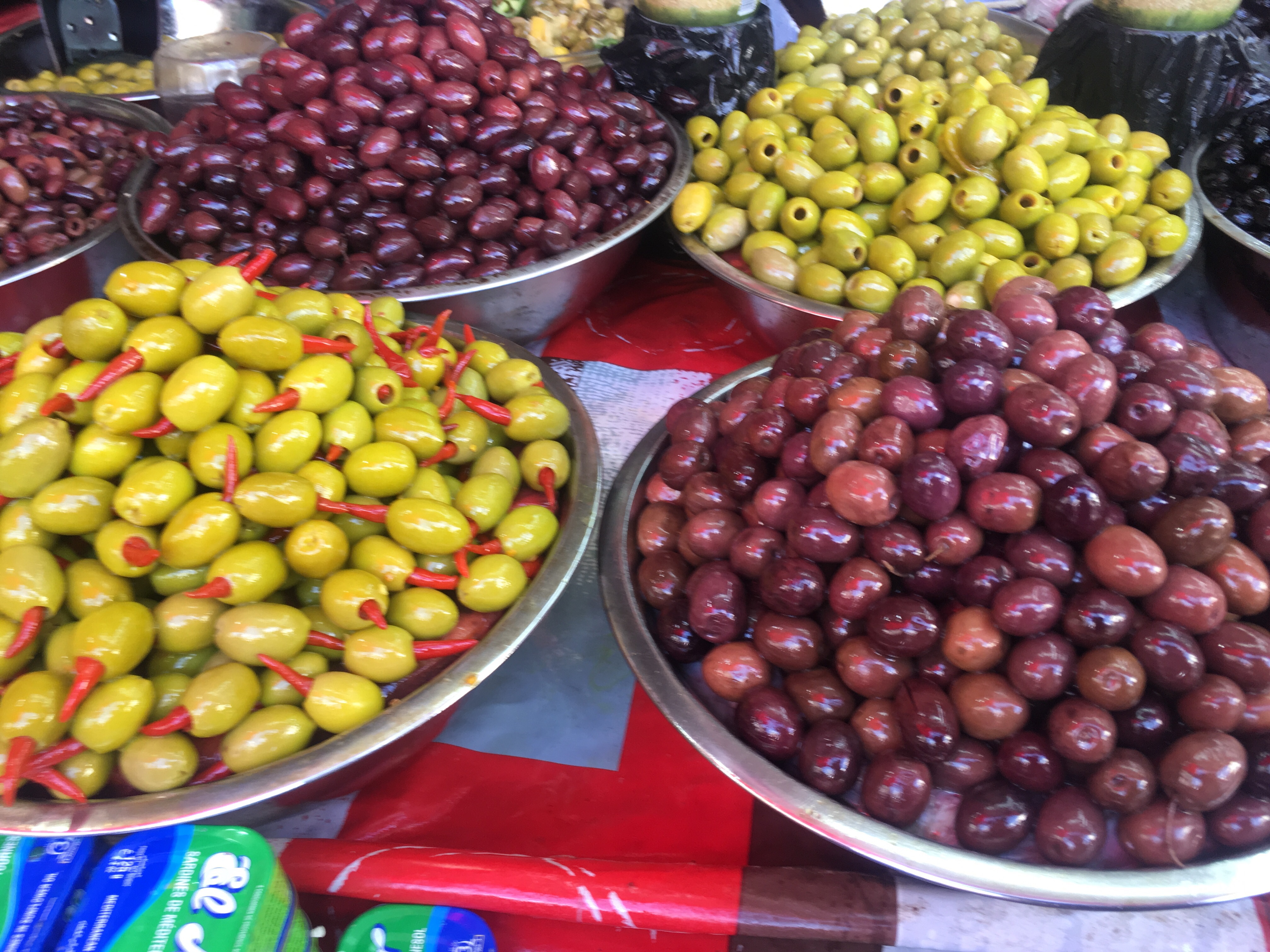
In Kotor…best olives I have ever tasted
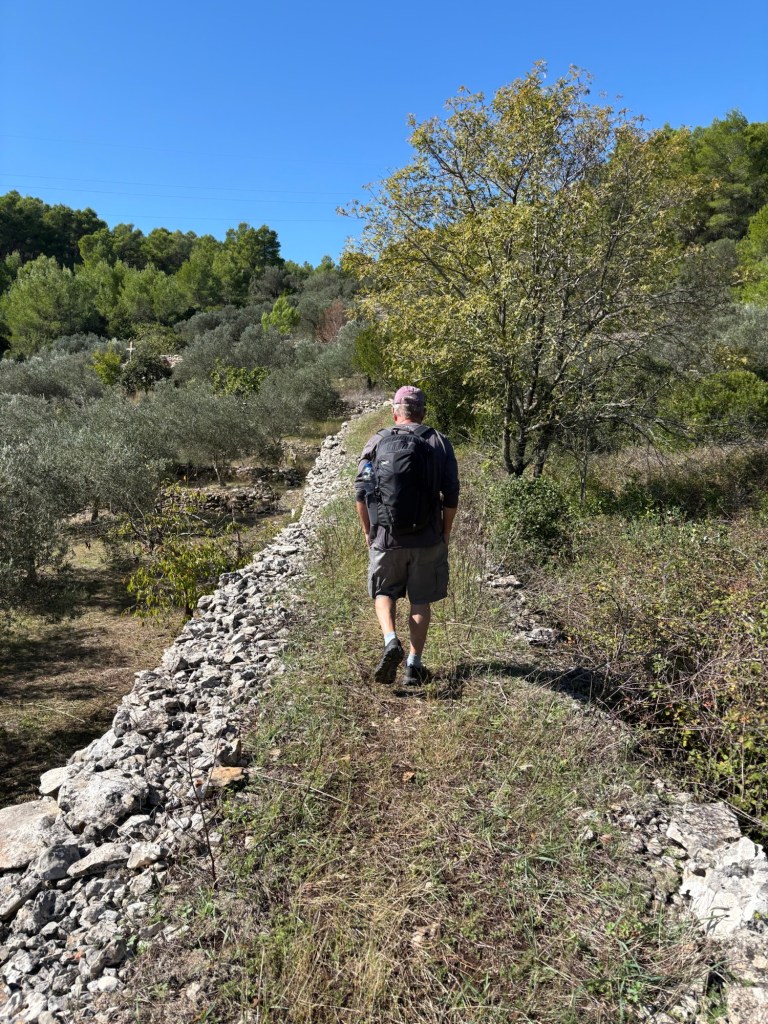
Walking through olive tree groves
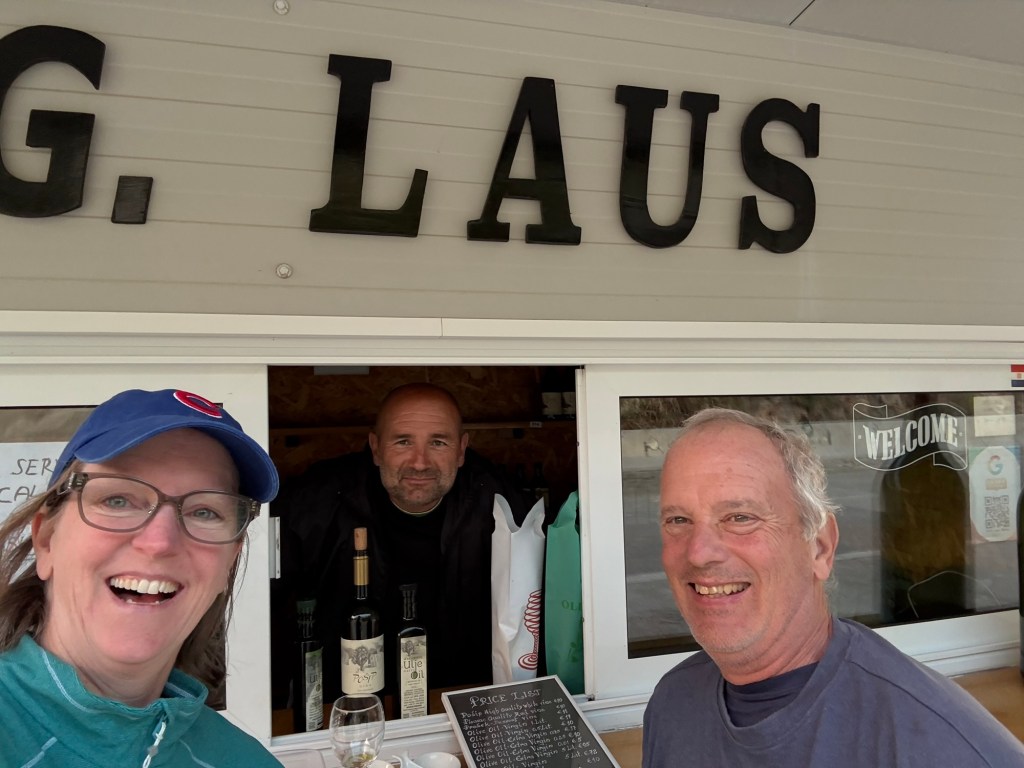
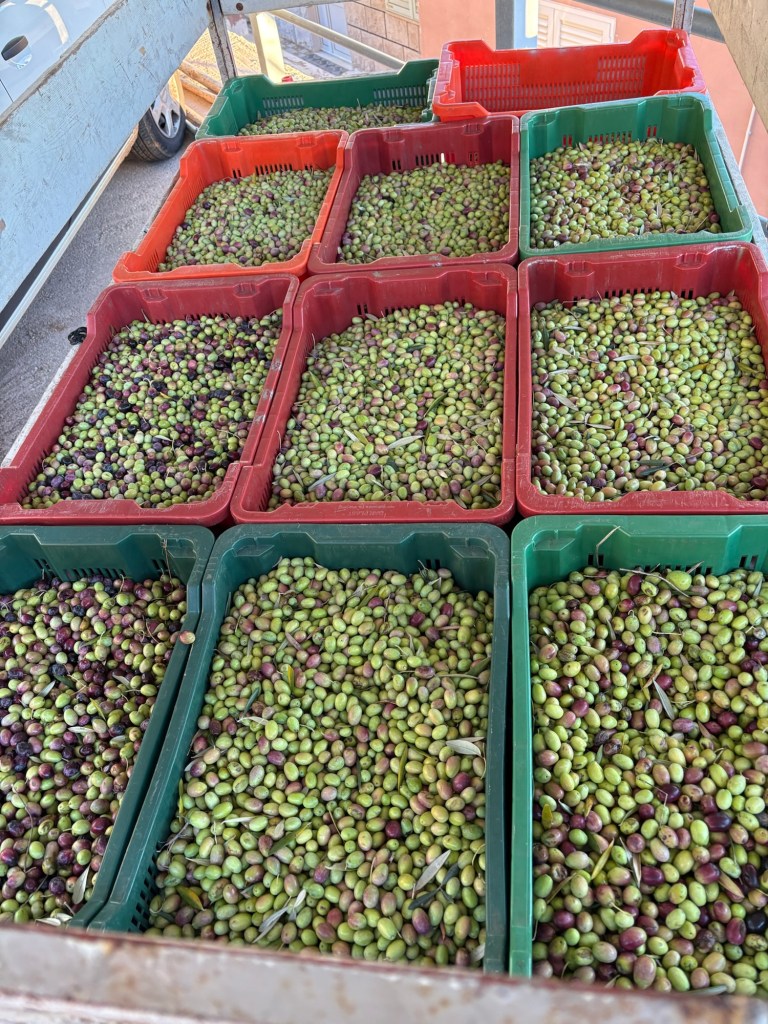
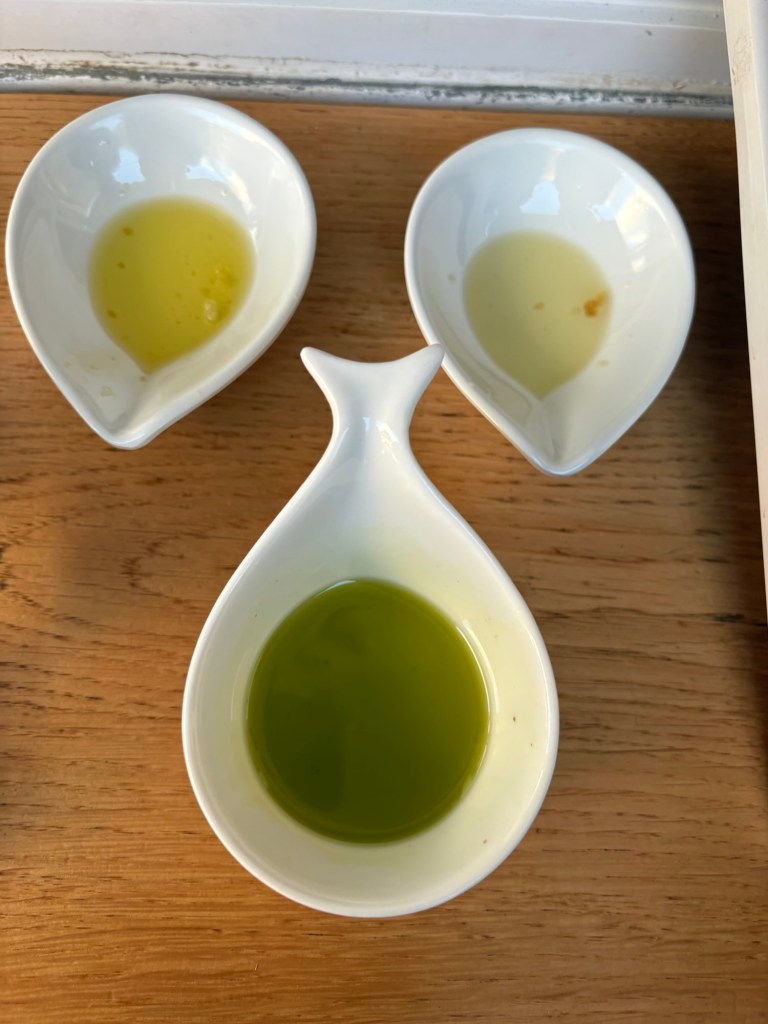
On the island of Korcula we learned you have to pick the olives and press them the same day.
Grapes and Olives
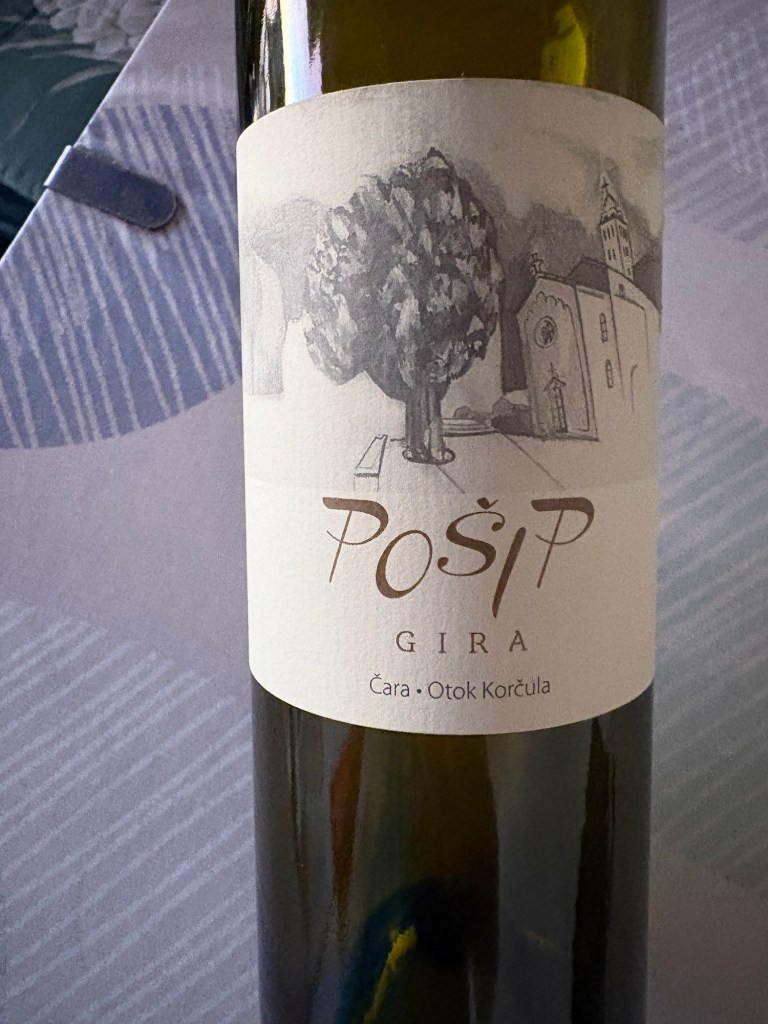
Many of the restaurants have their own house wine from the family vineyard and they make only enough for their guests.

Stari Grad or old cities…

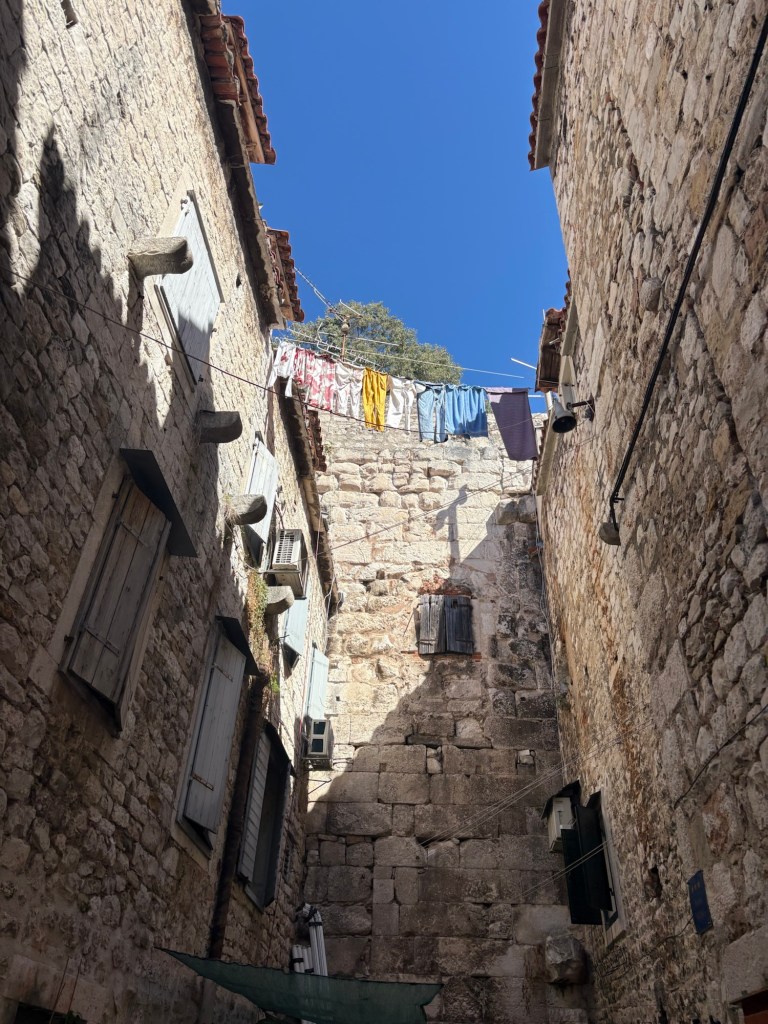
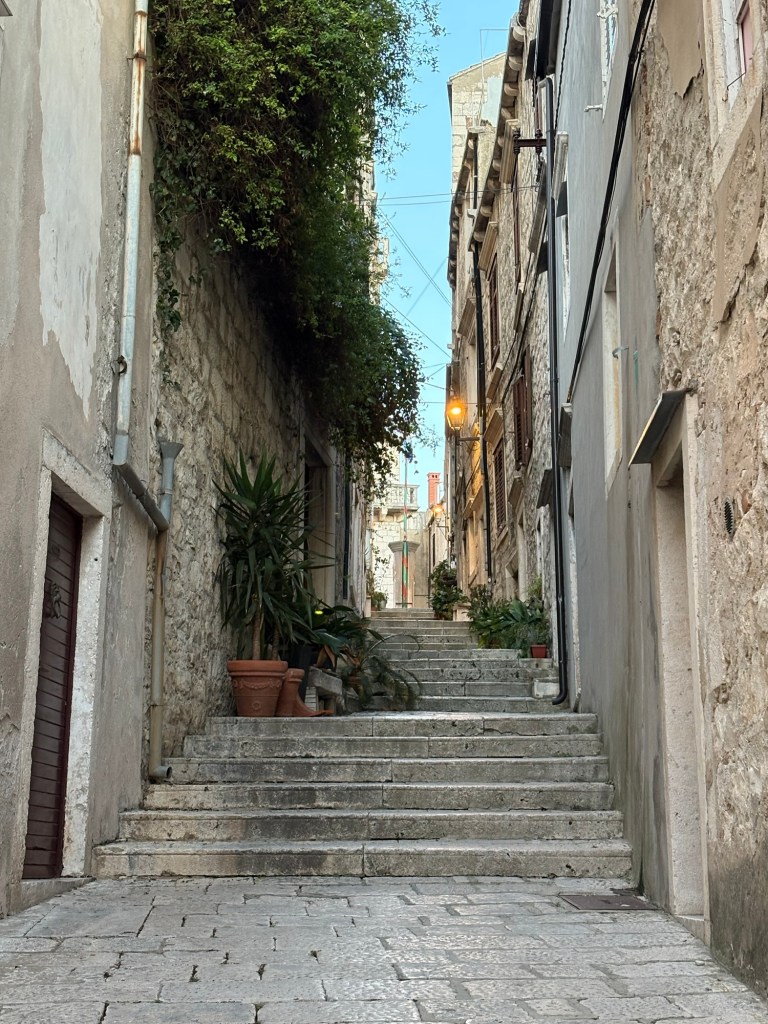
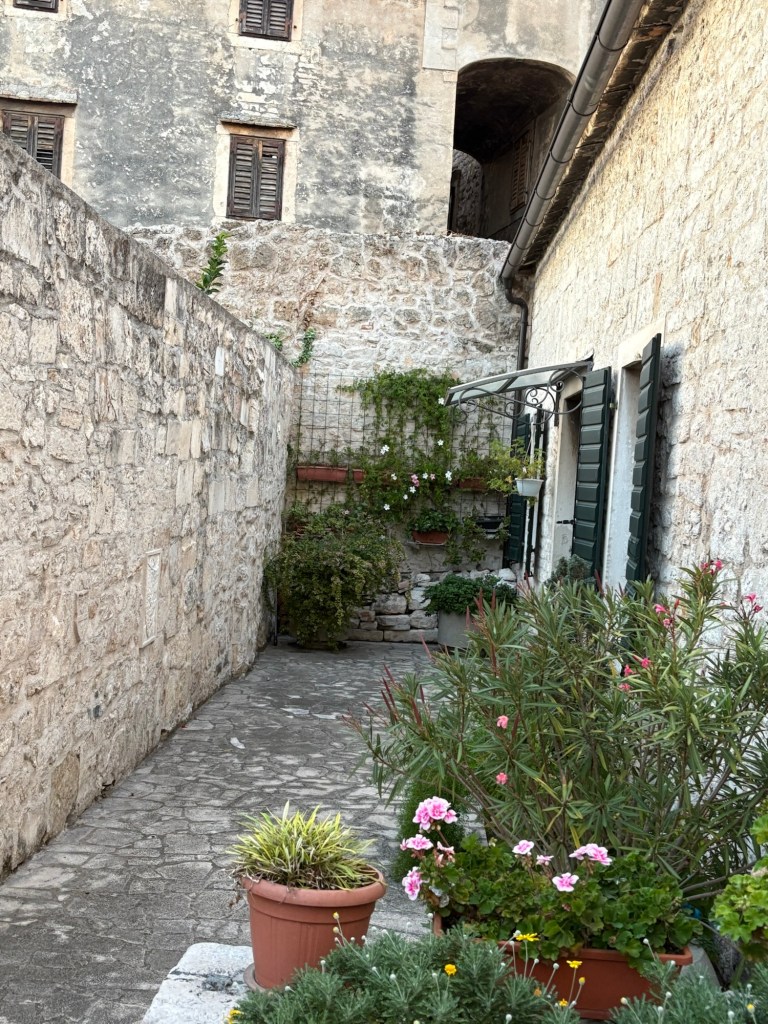
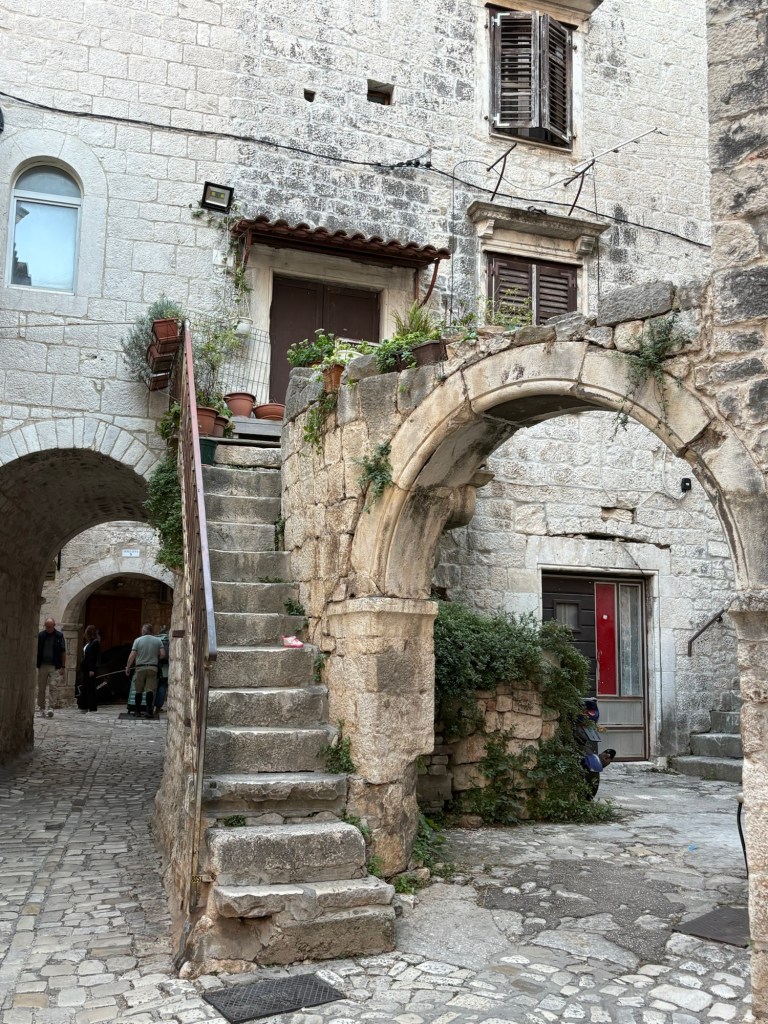
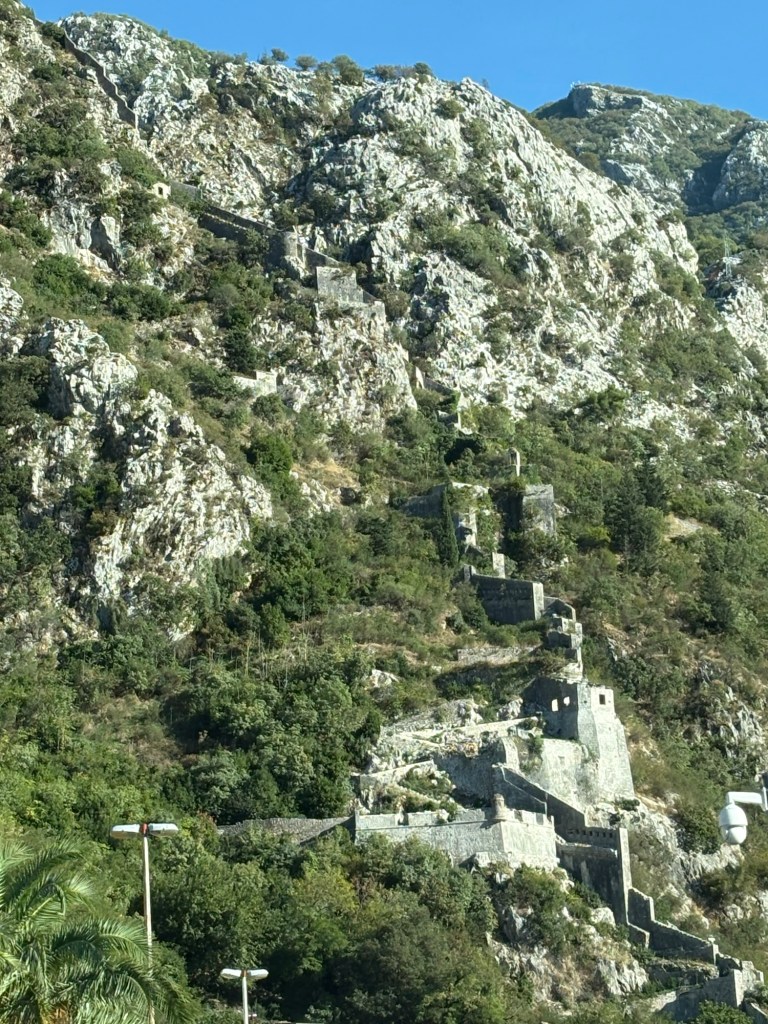
We visited many of these ancient cities, thousands of years old throughout our travels. These towns were built with a wall surrounding the city for protection.

Split
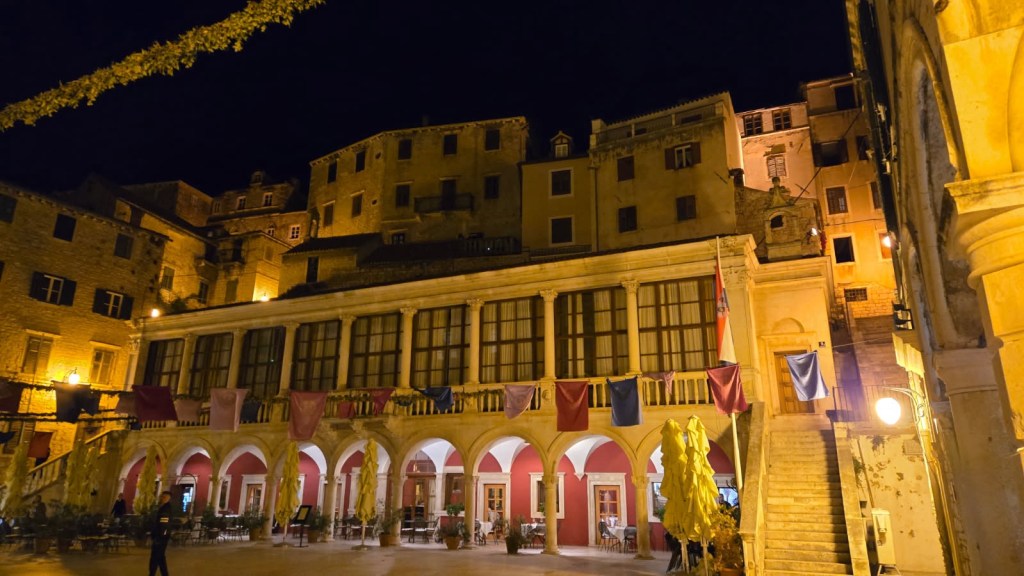
Šibenik
Many are still inhabited by locals
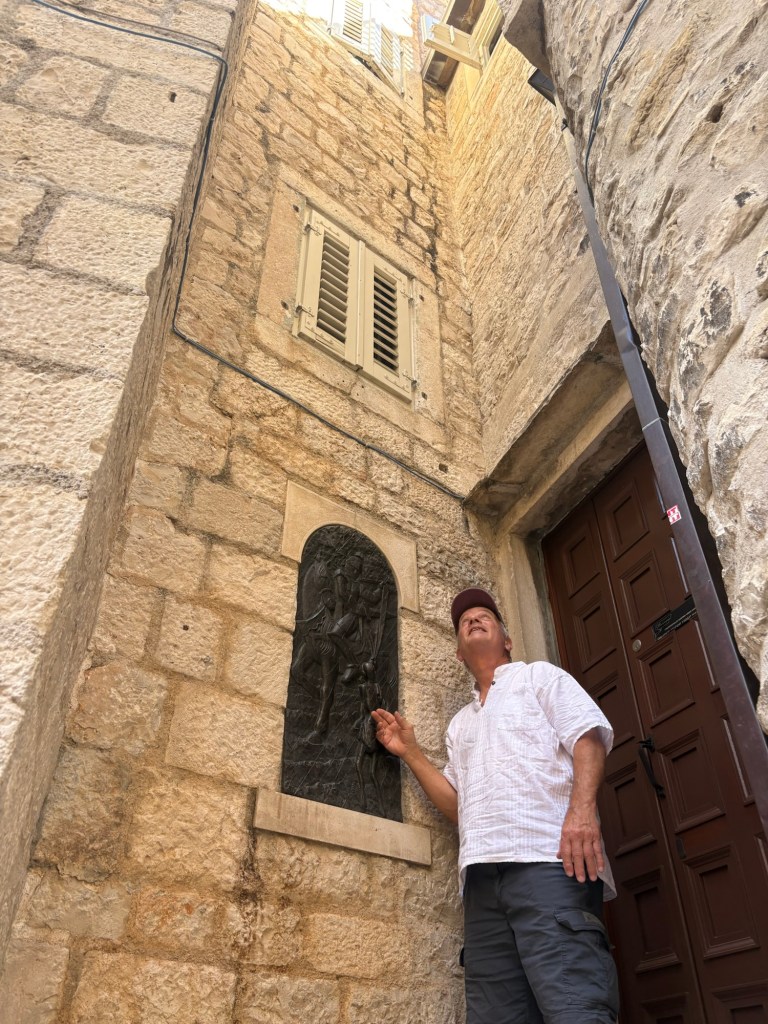
Korcula
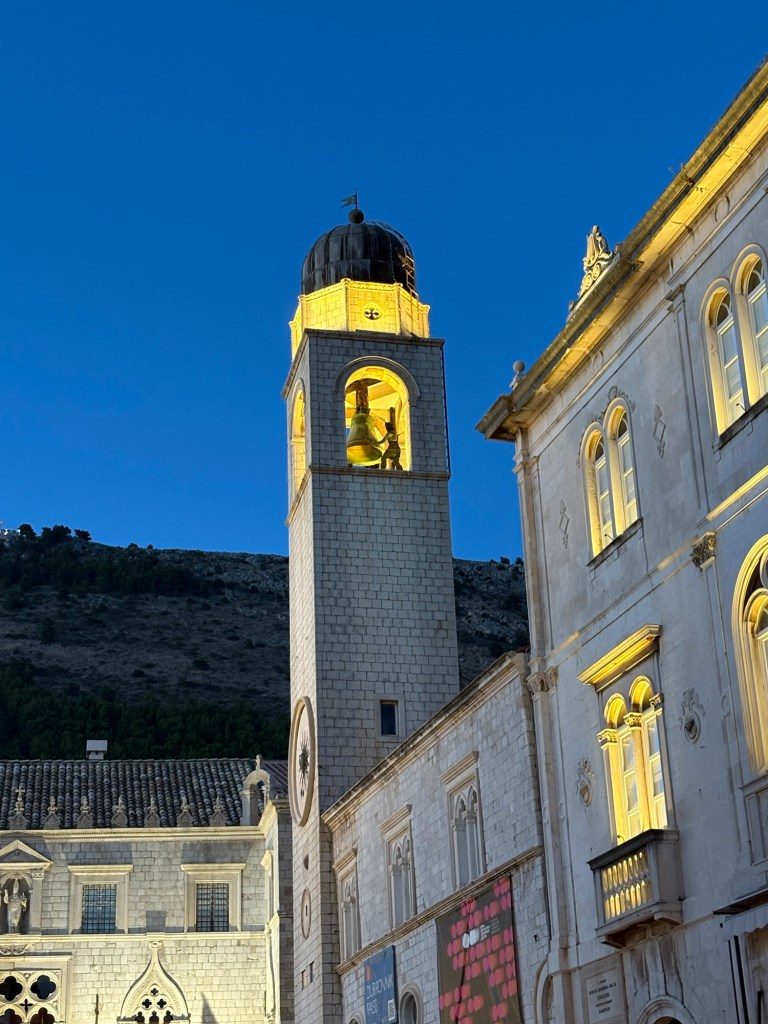
Dubrovnik
Šibenik
Trogir
Kotor

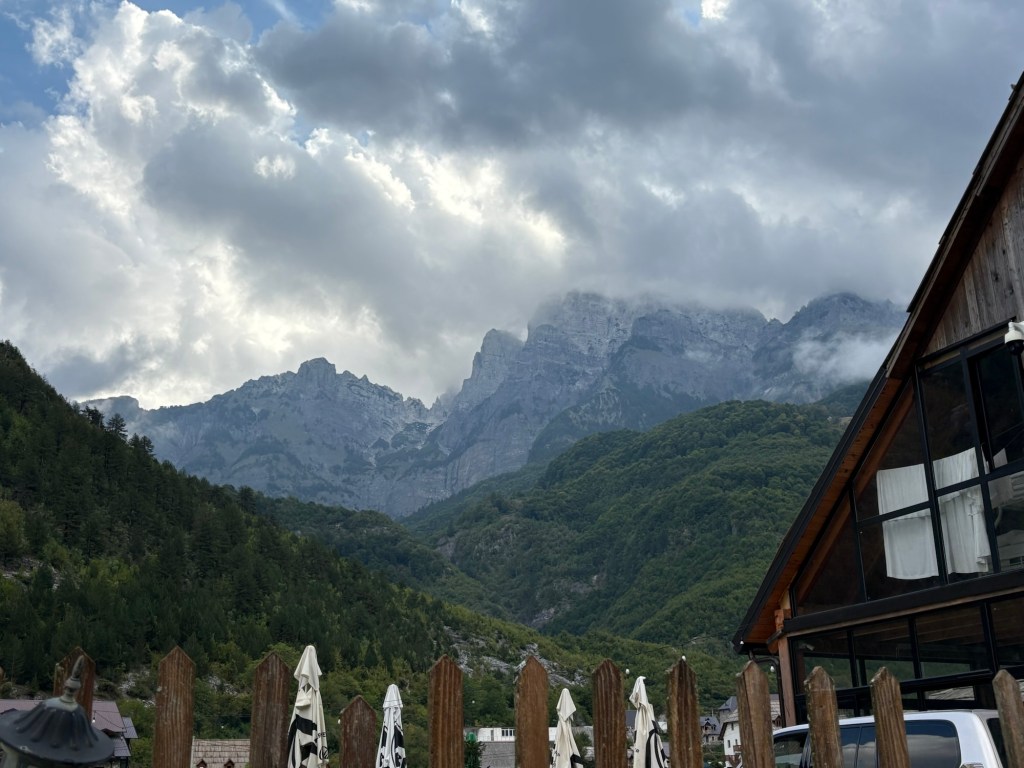
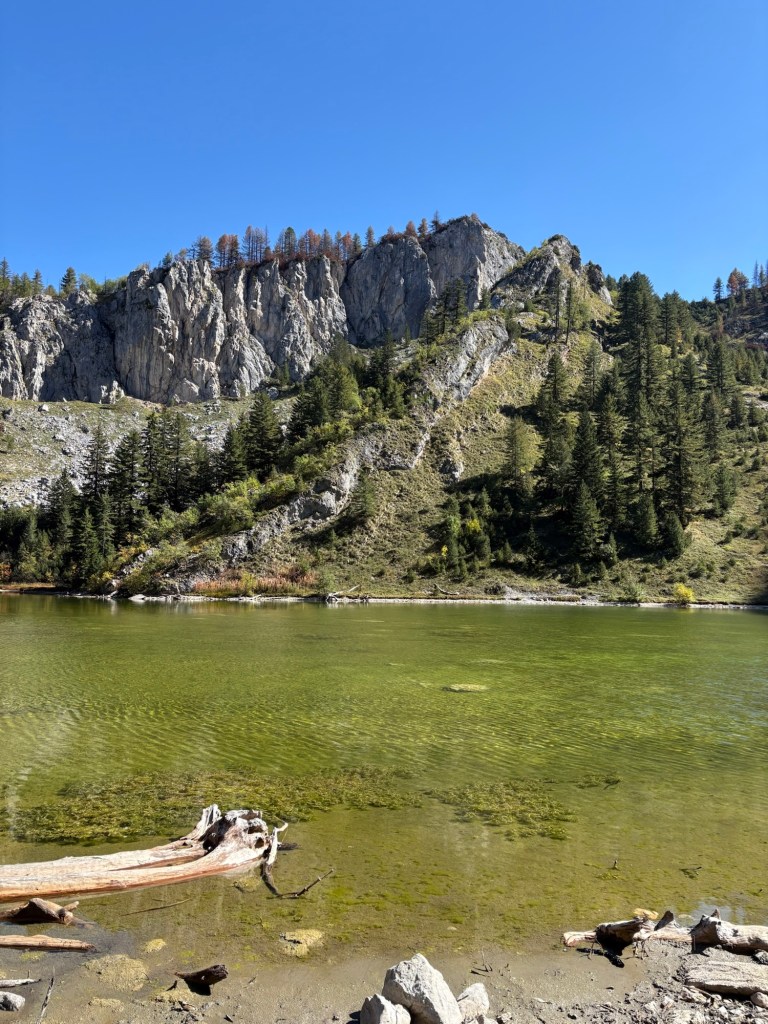
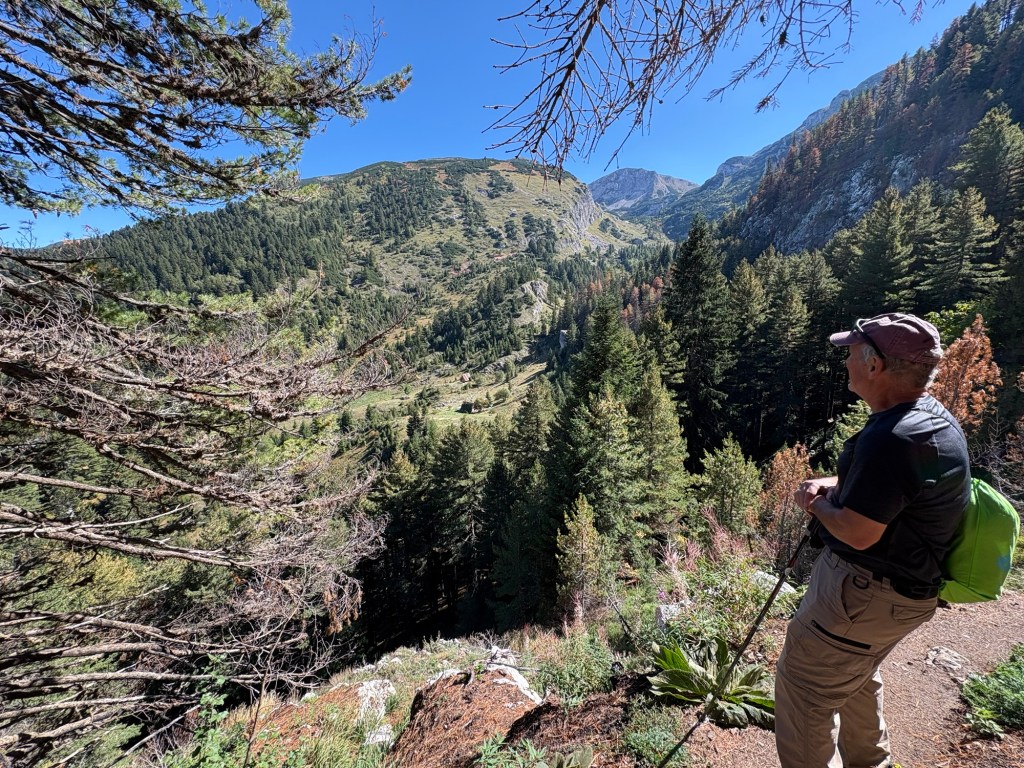
The mountains were beautiful! We visited a few areas in the Albanian Alps also called the Accursed mountains which cross three countries: Albania, Kosovo and Montenegro.

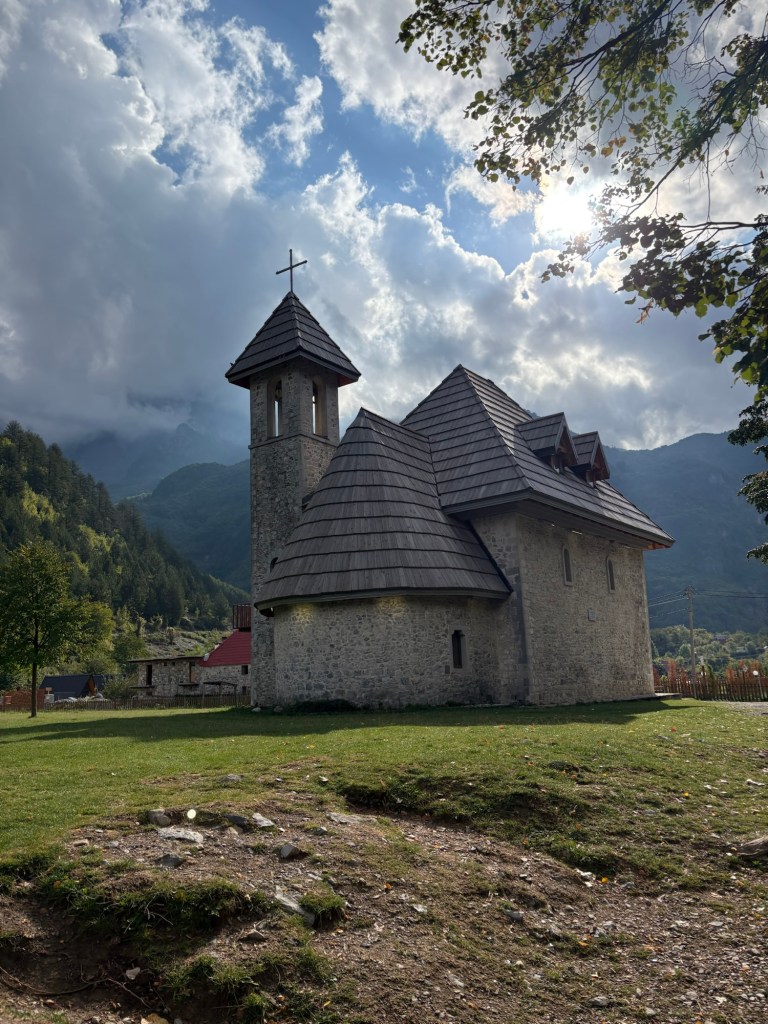
Theth Albania
Theth
Theth
Up the Rugova canyon in Kosovo
Rugova Canyon near Peja
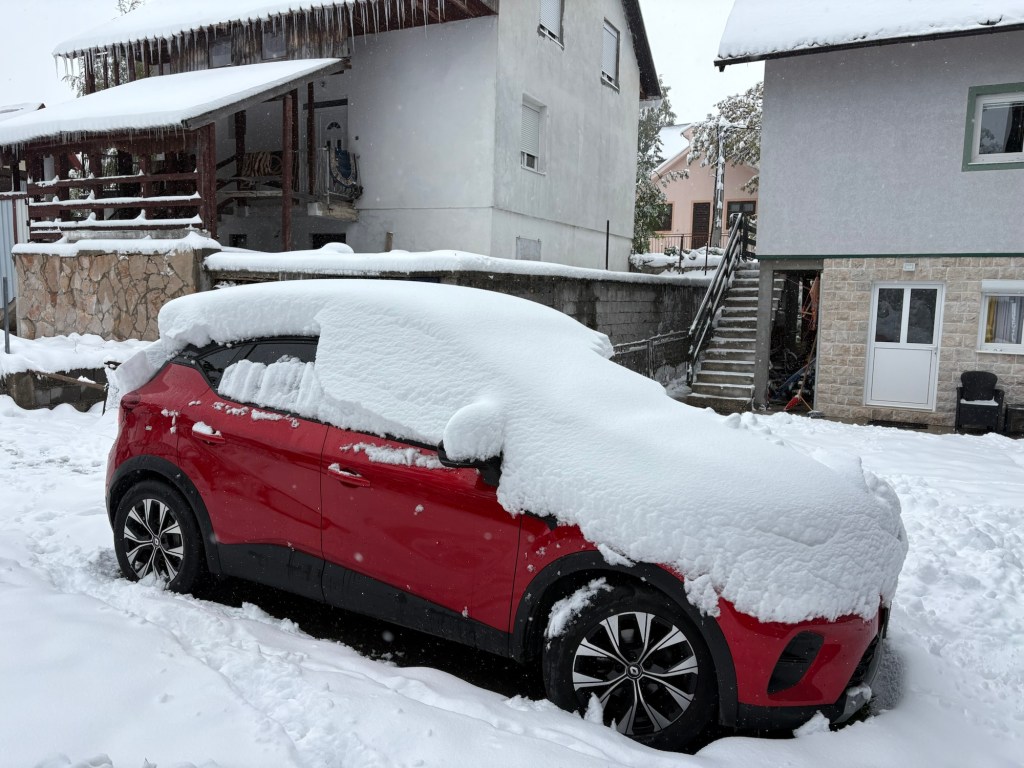
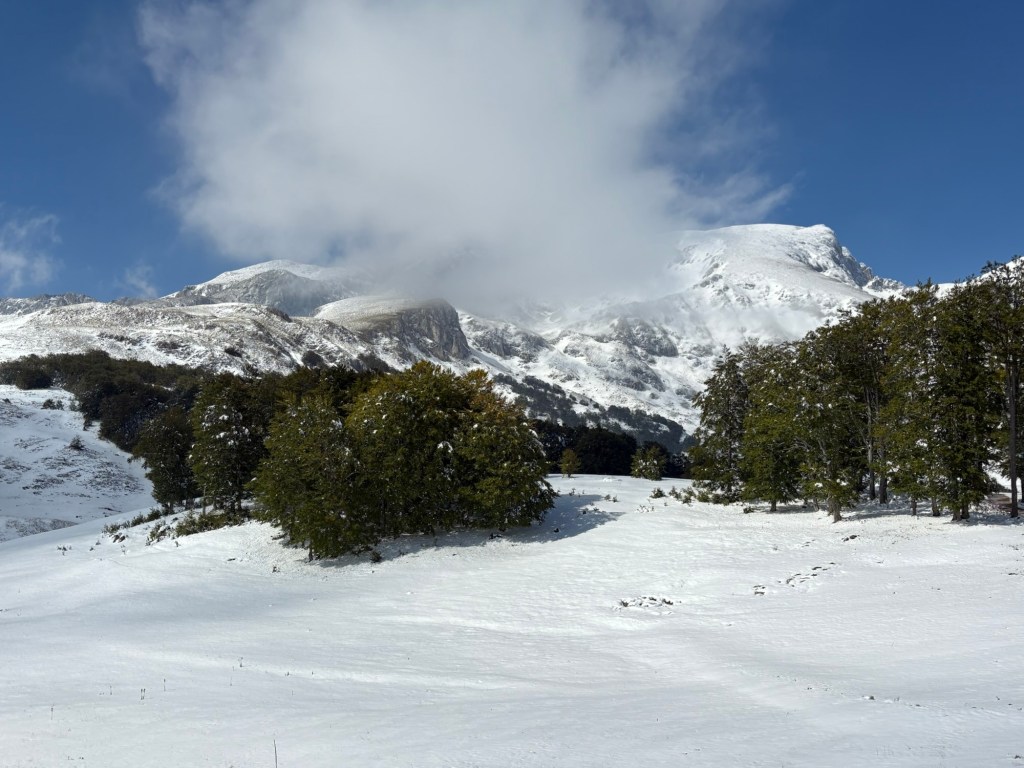
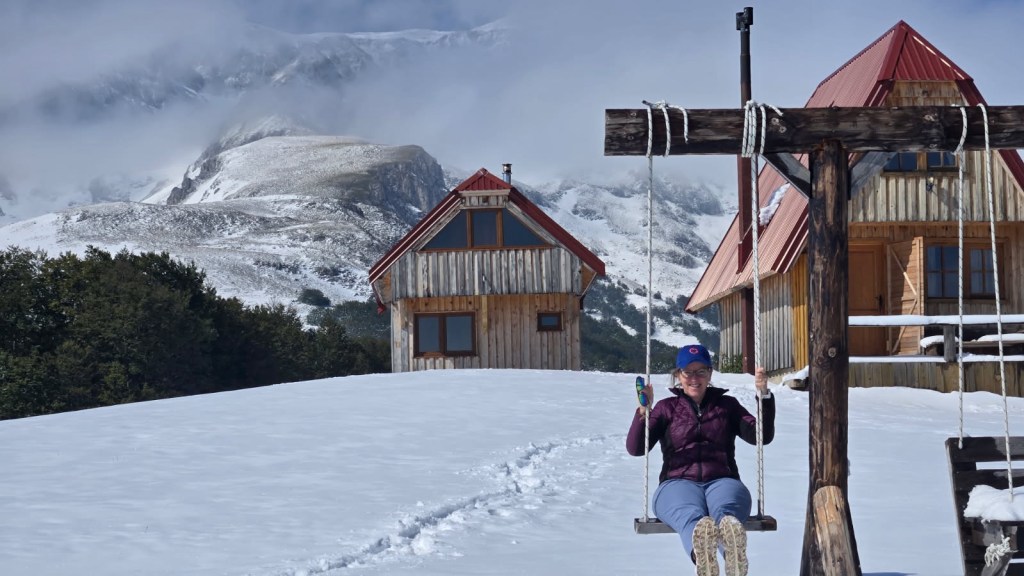
Zabljak Montenegro we got winter in early October!
Durmitor National Park
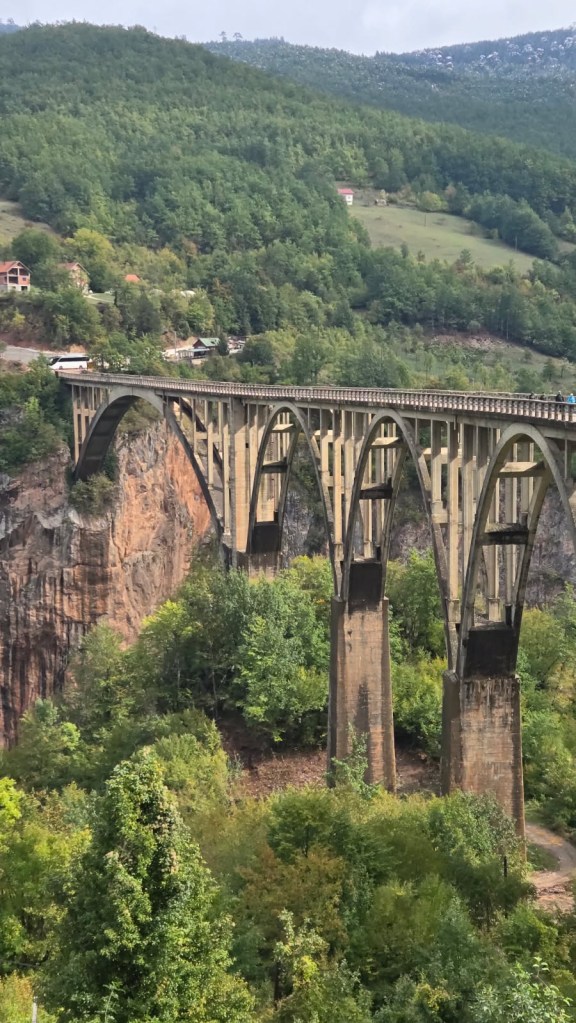
Durdevica Tara Bridge over Tara River Canyon

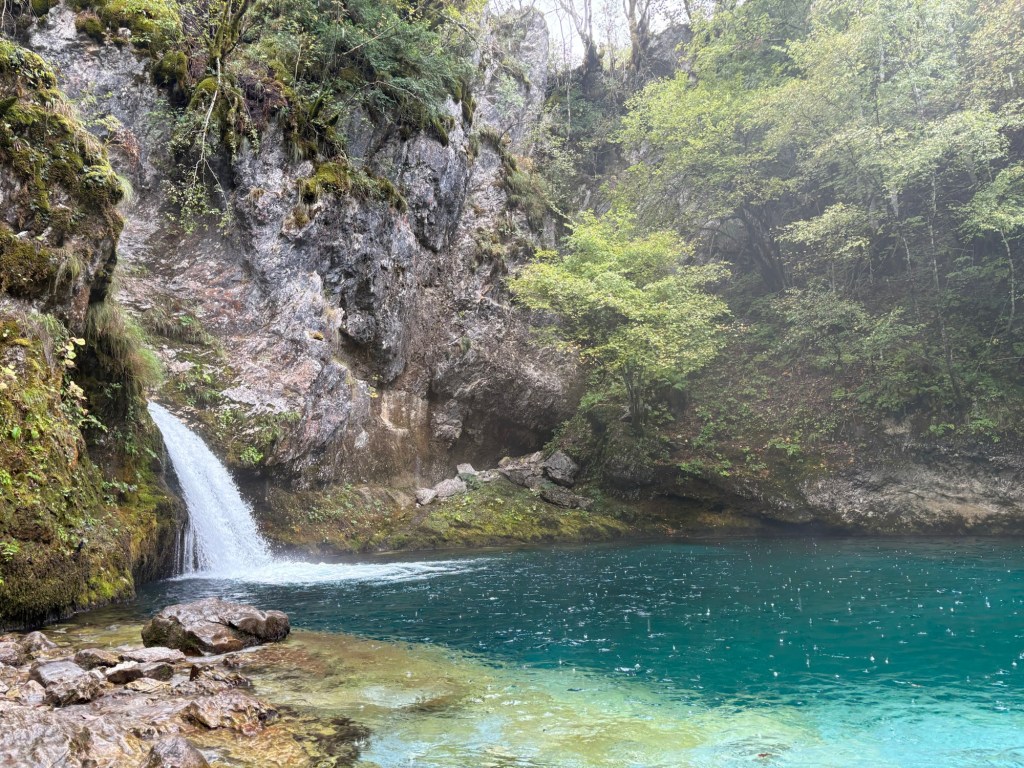
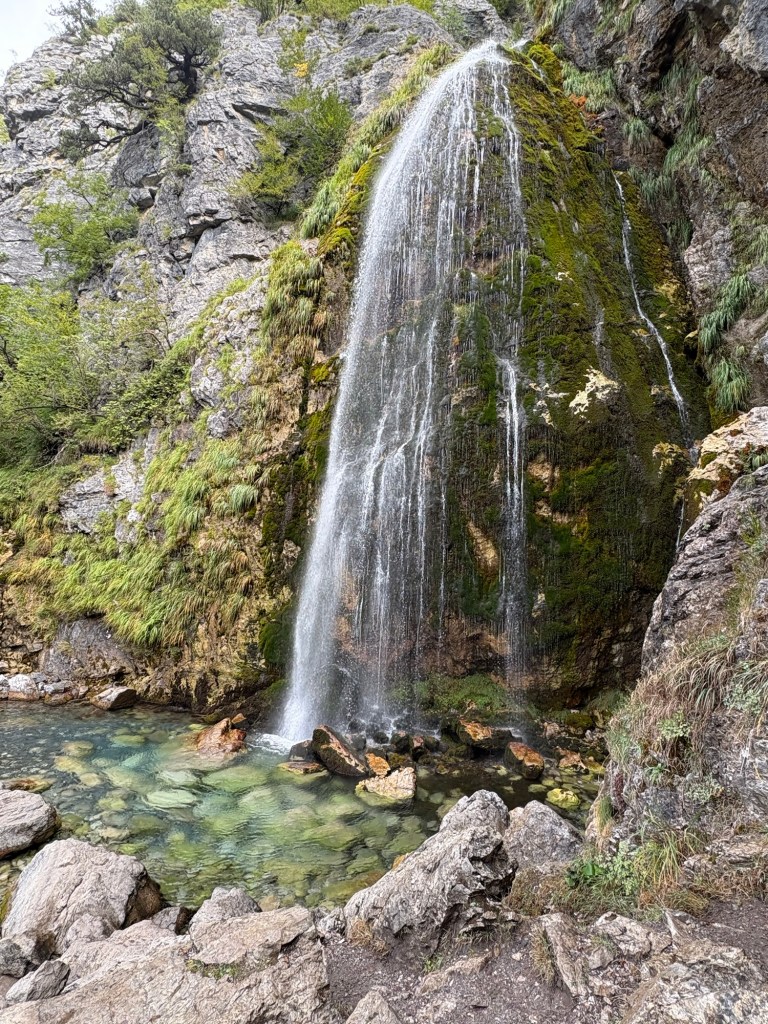
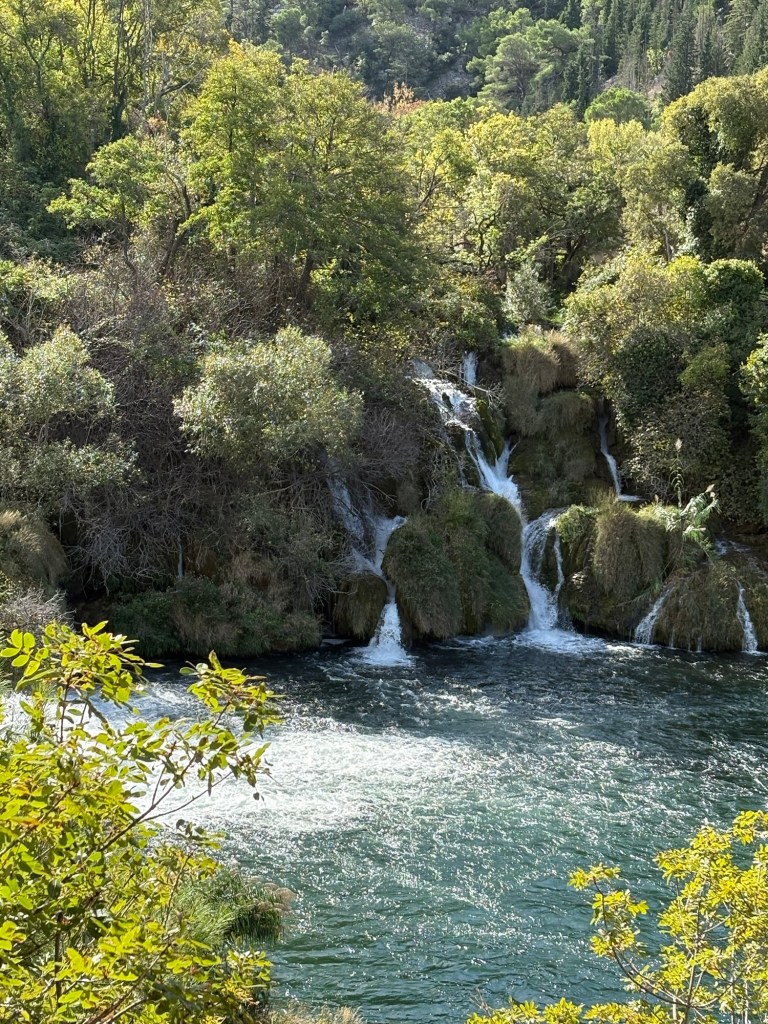
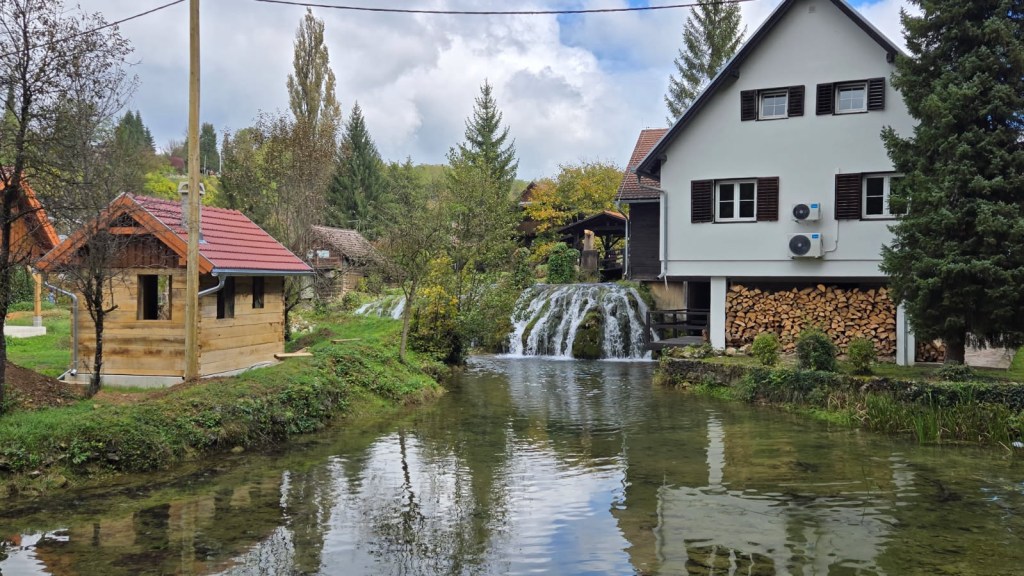
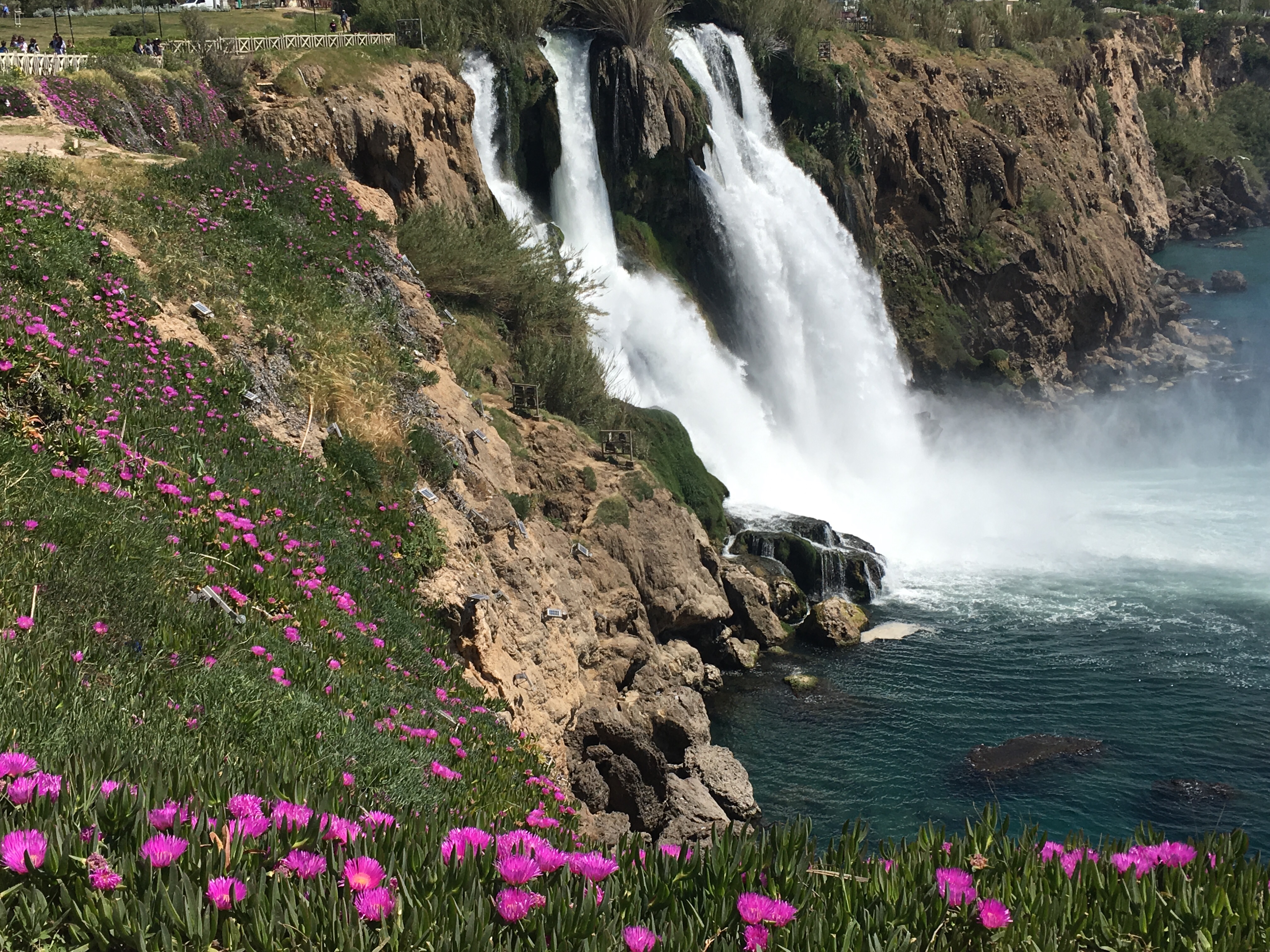
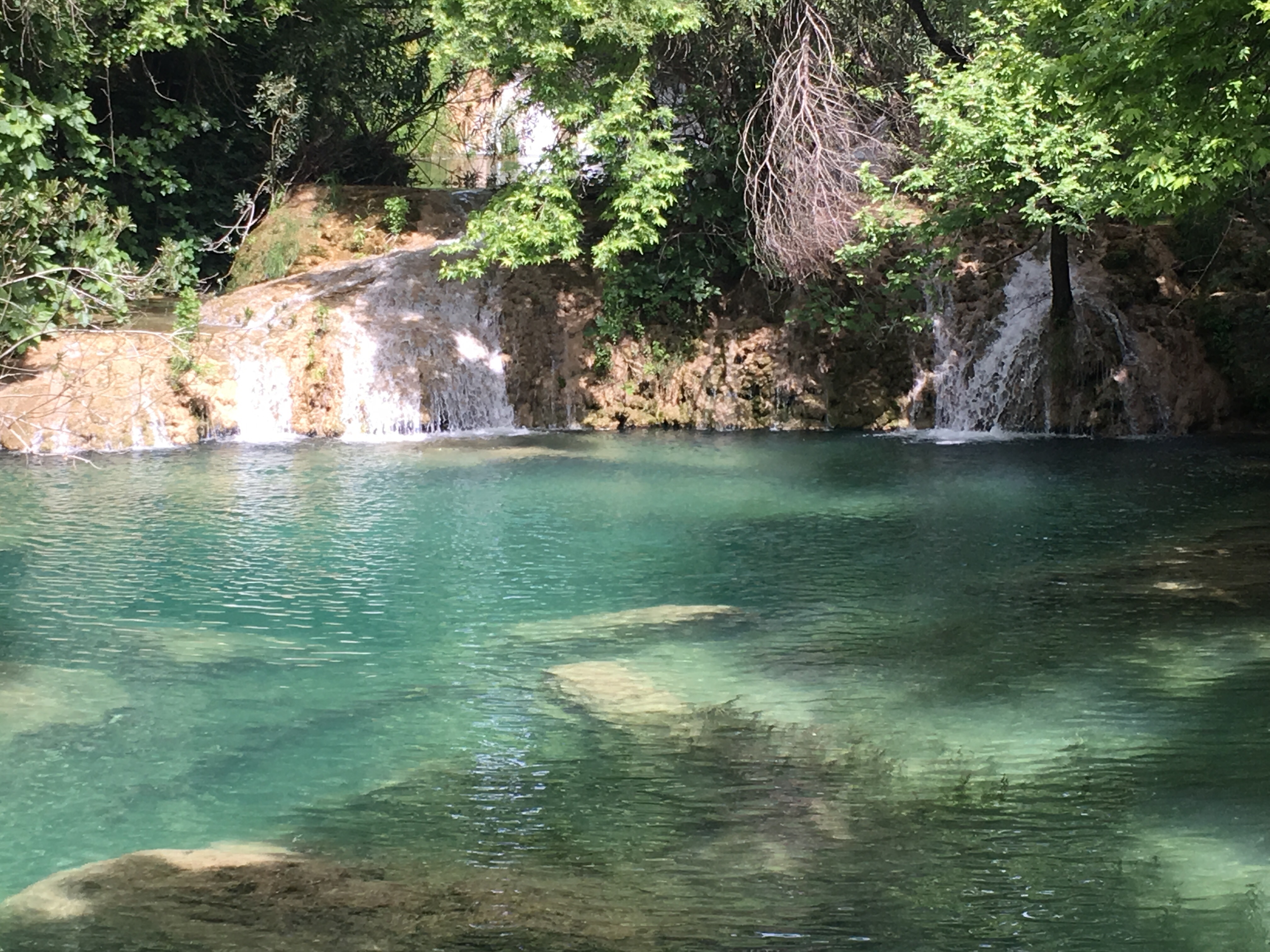
We saw many waterfalls

Theth
Krka National Park Croatia
Rastoke Croatia
Rastoke

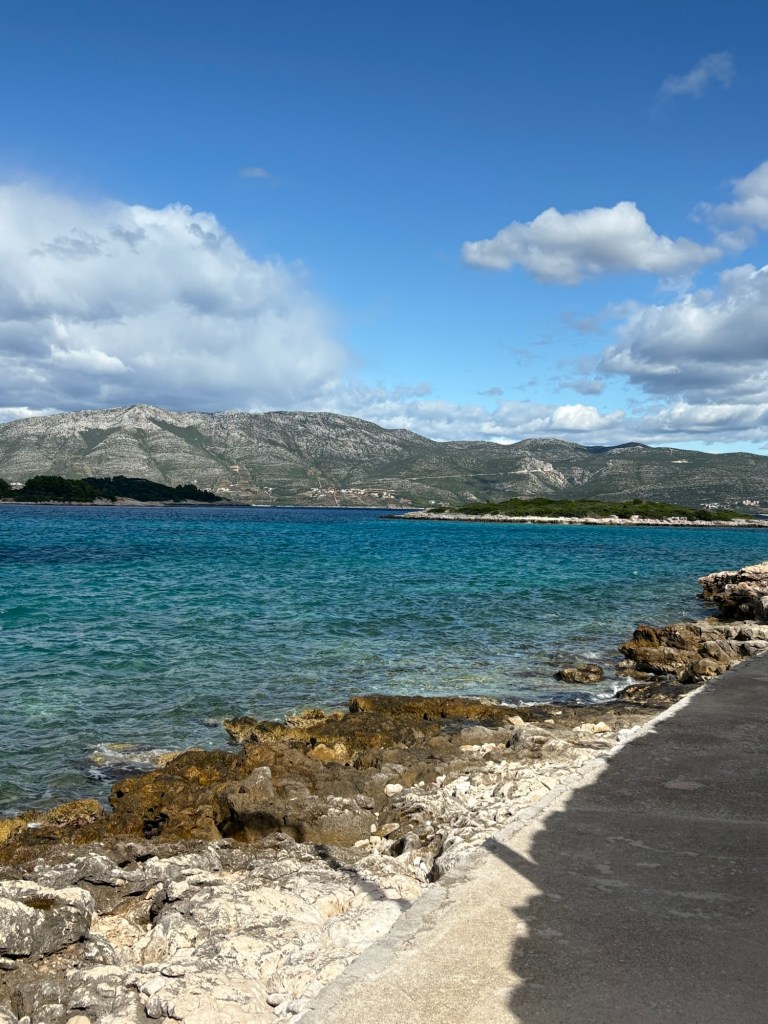
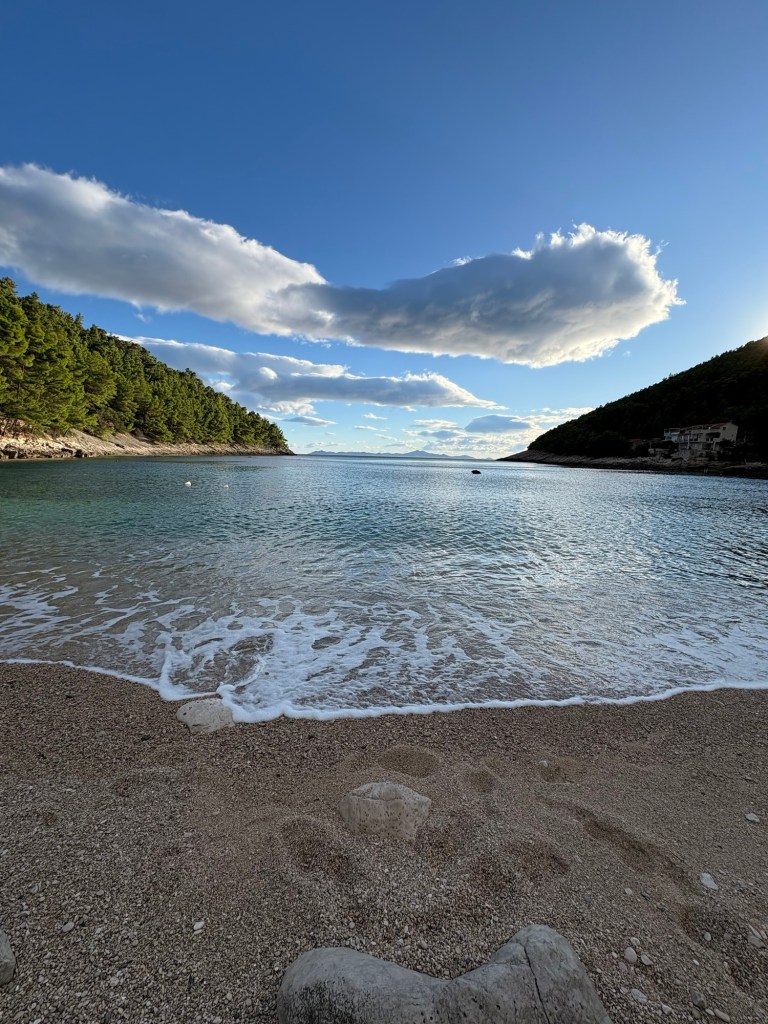
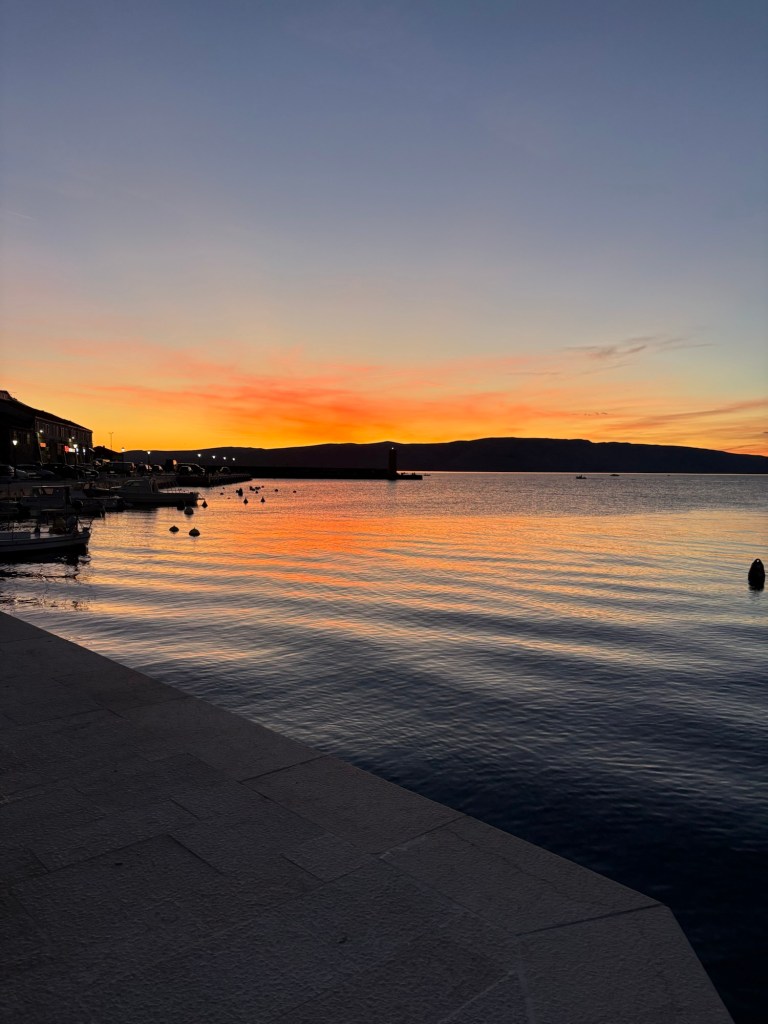
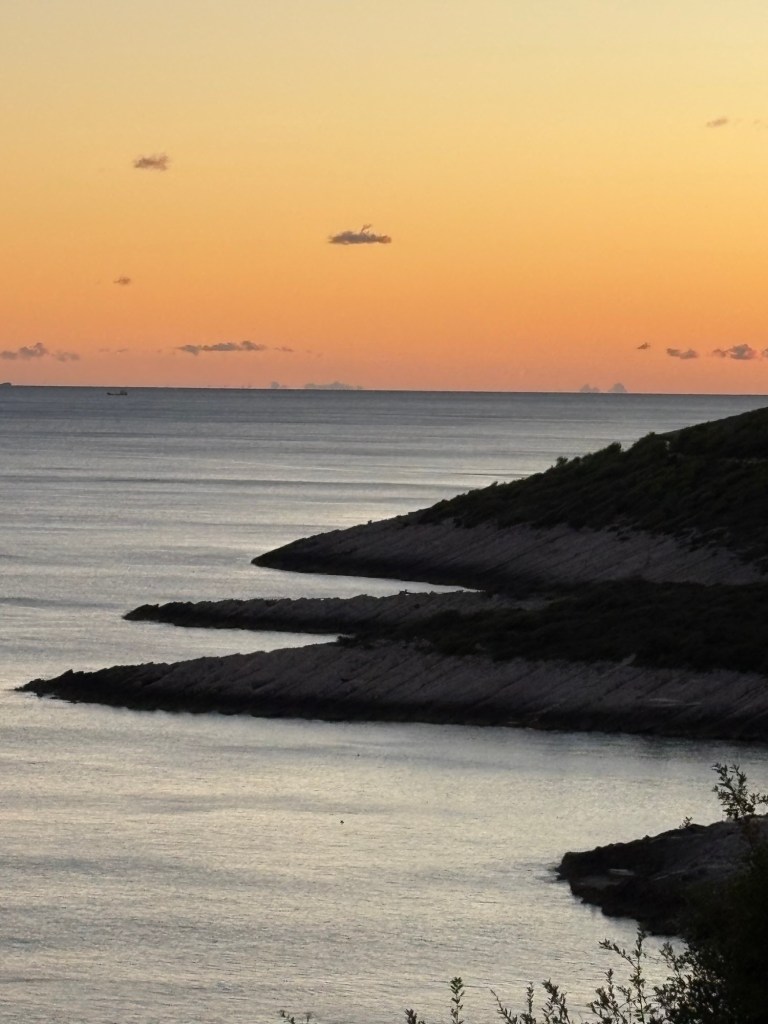
And the coastlines were breathtaking

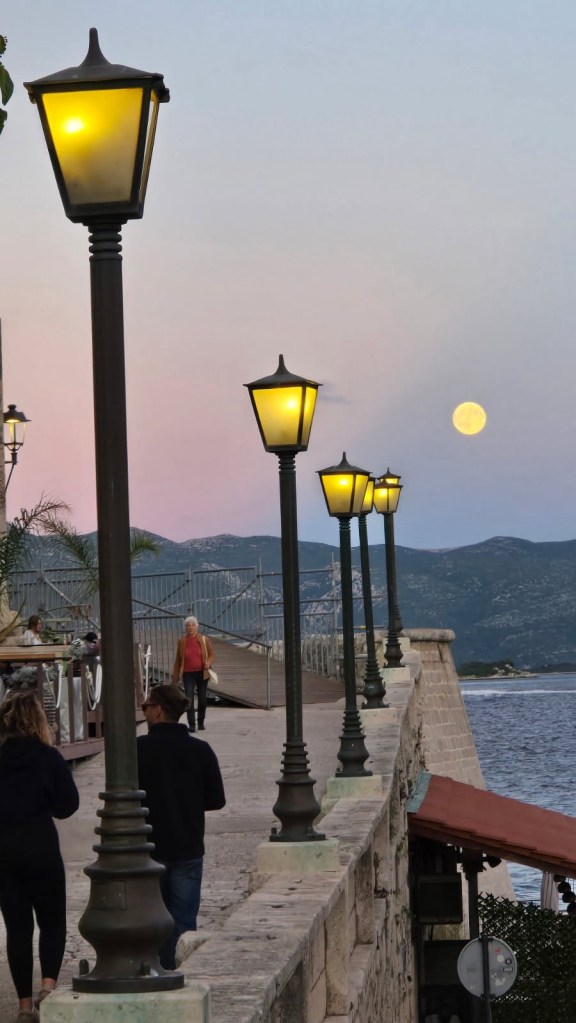
Korcula Croatia
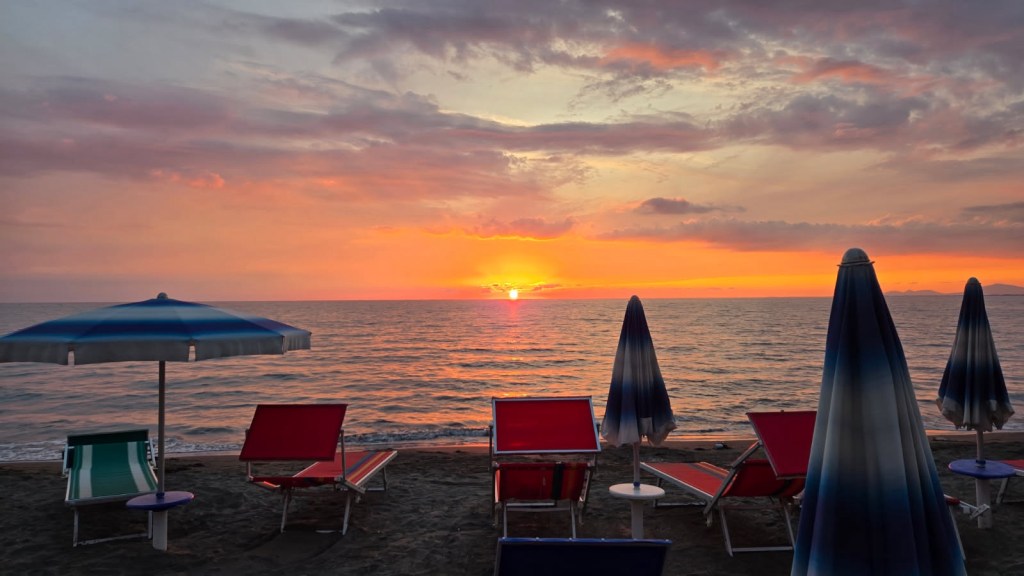
Shengjin Albania
Trogir

As we traveled the crowds of tourists were less and we saw signs of fall. Many places close at the end of October.

Krka NP
Zabljak

We loved our time exploring and we definitely want to return. Tourism is relatively new to many places we visited and the hospitality we received was incredible.

Thank you for your kindness!

Hvala-Croatian, Montenegrin and Bosnian

Faleminderit– Albania and in Kosovo

Shengjin Albania
Split, Croatia
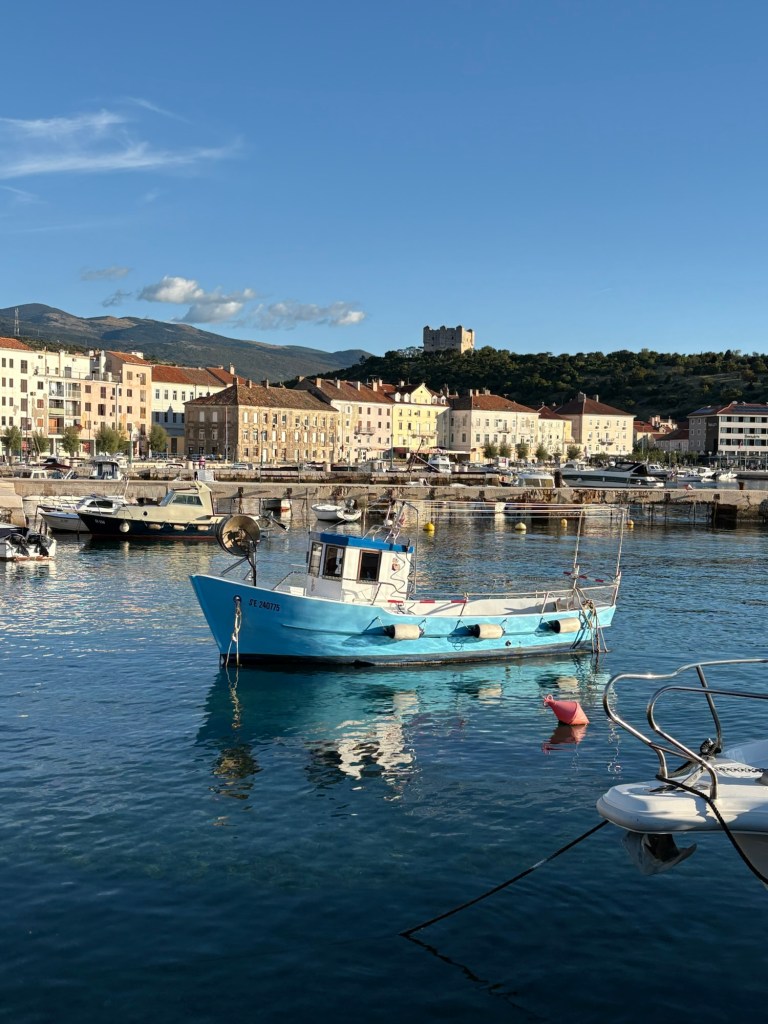
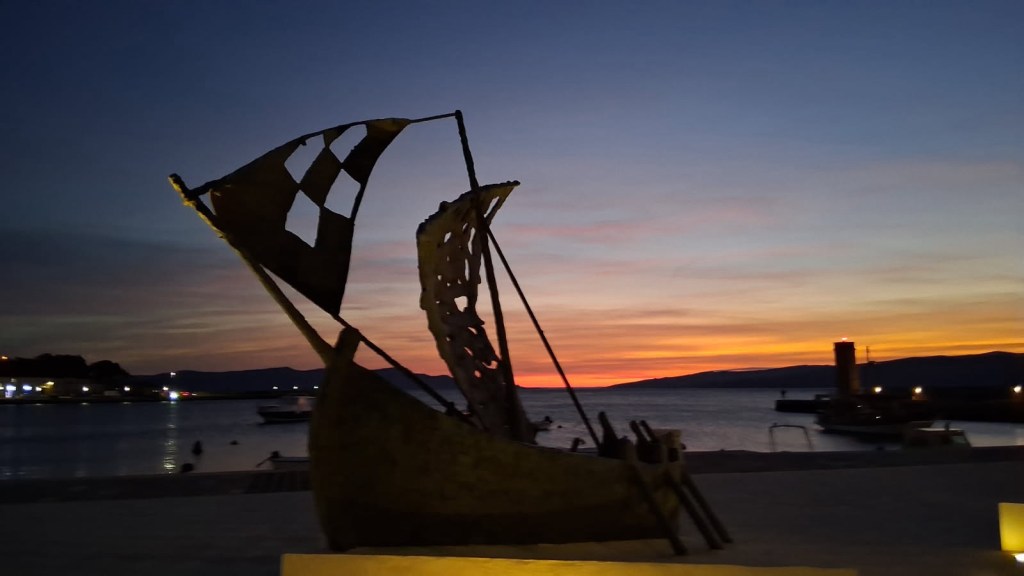
Senj, Croatia
Senj
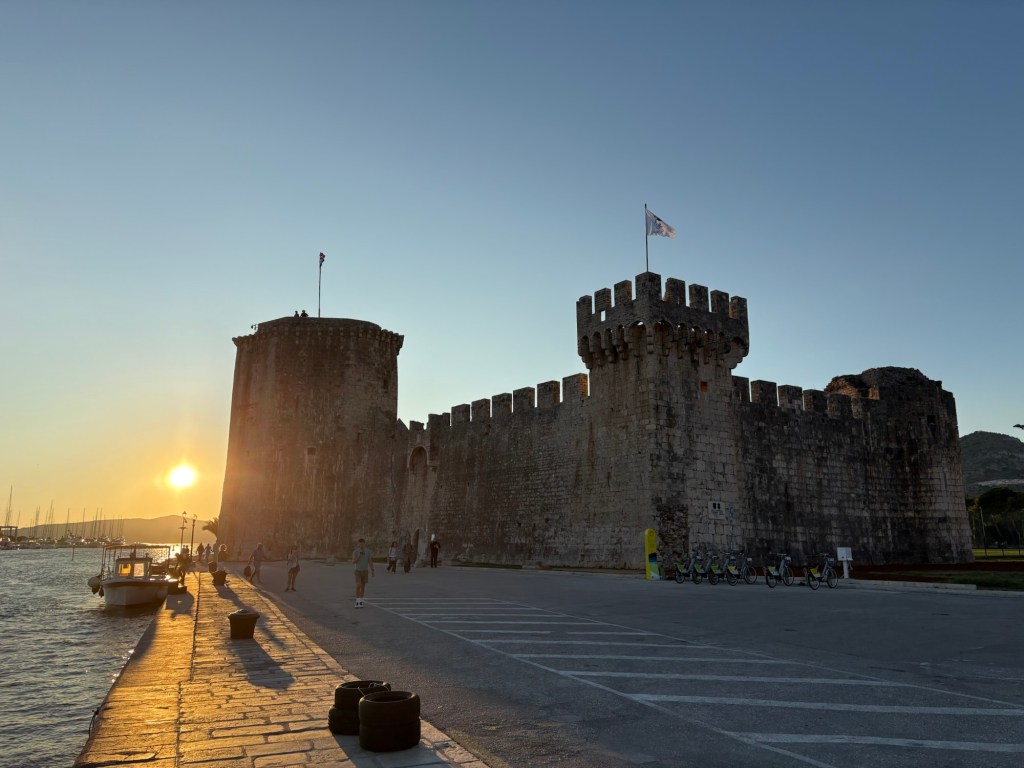
Trogir
(this castle was one of the filming sights for Game of Thrones)
Korcula

Love you and think of you often!

Jim and Michelle

Scotland…a Wee Country with a lot of character

We spent 15 amazing days traveling through Scotland by car. Jim drove on the left side and I did my best to navigate and not show how nervous I was and we made it.

This became our moto!
The weather was mostly good…people kept saying your from Seattle so you’re used to this.
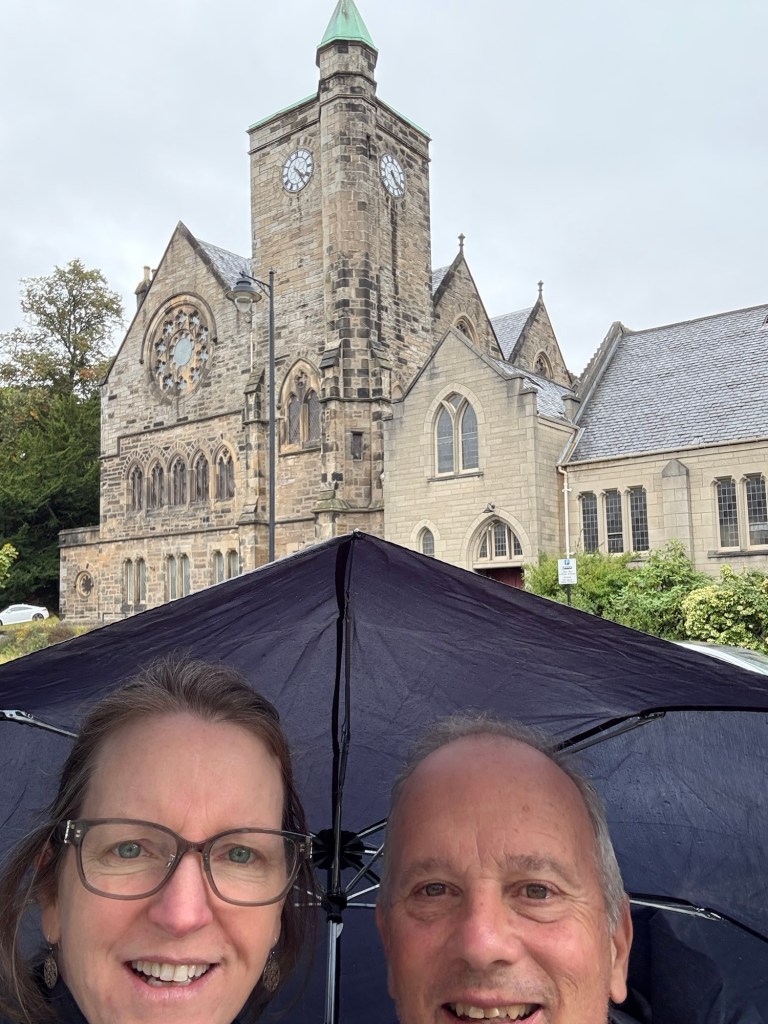
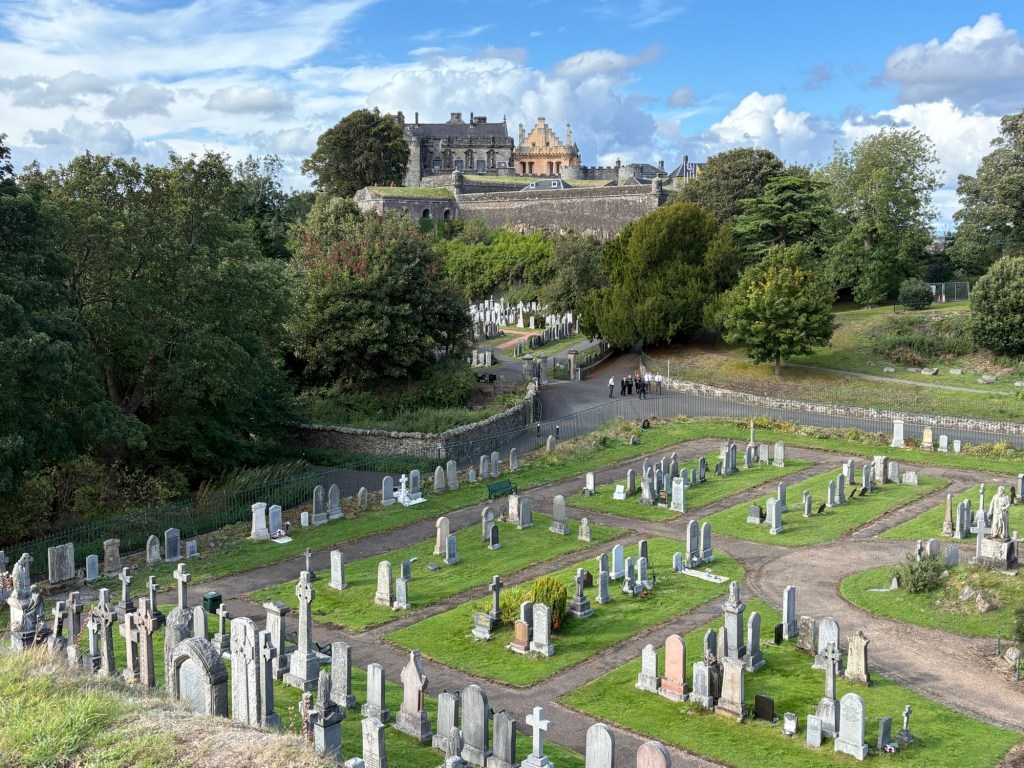
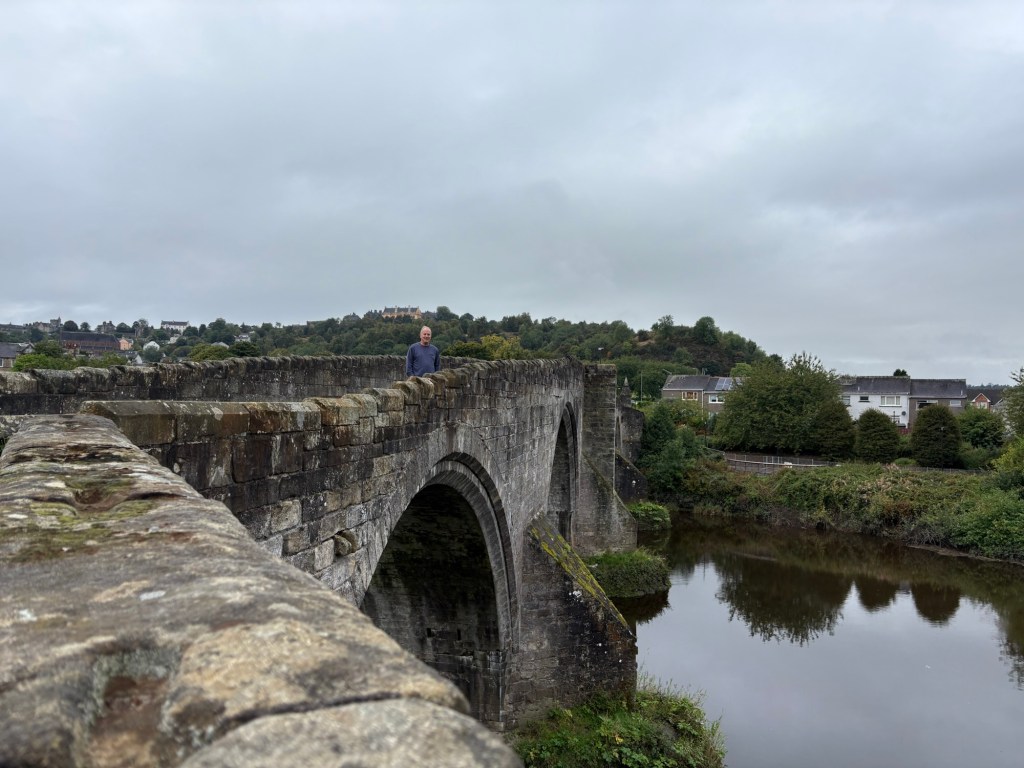
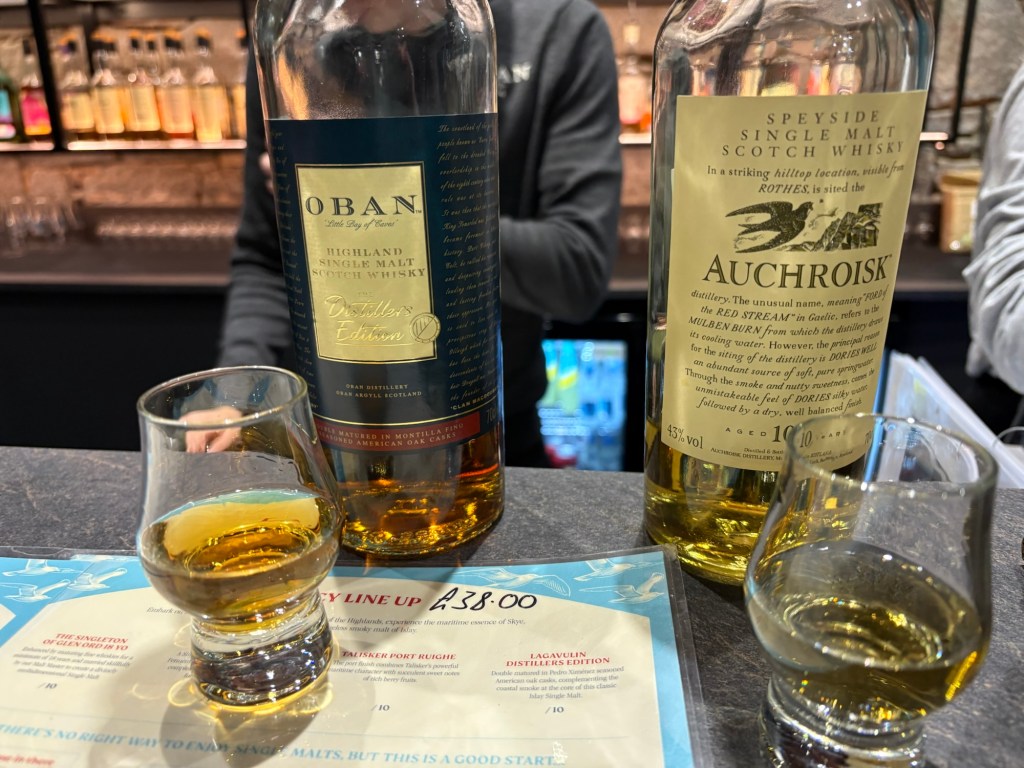
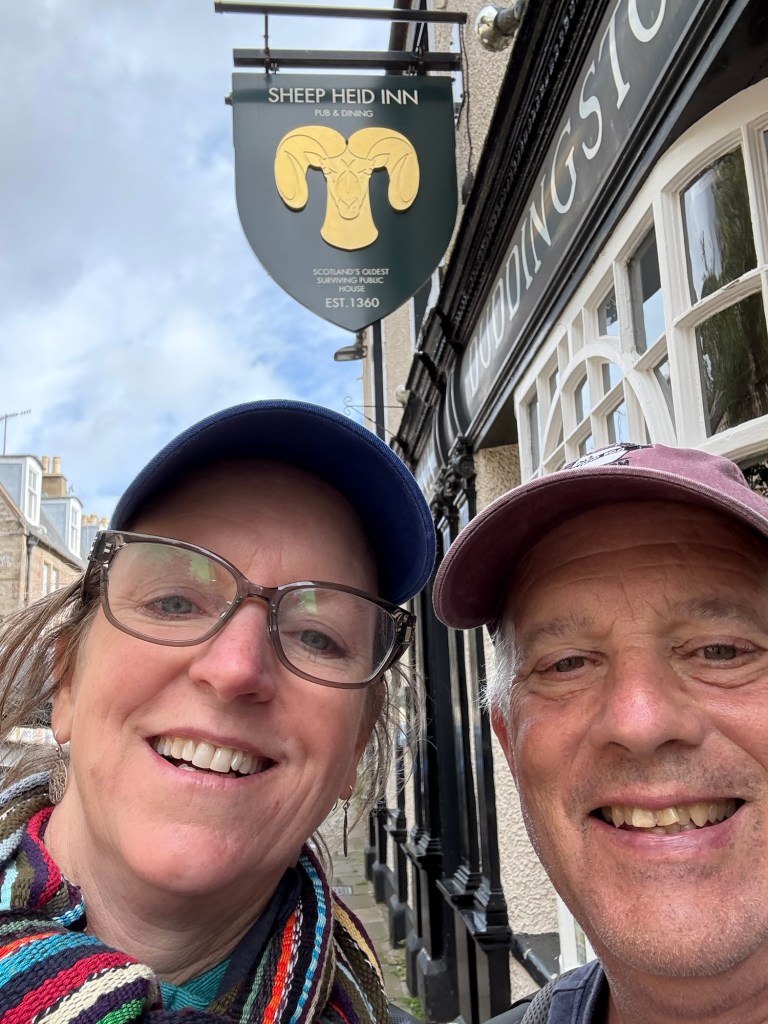
We went through Stirling to Oban, a sweet coastal town, where we tried a wee dram of Whiskey.

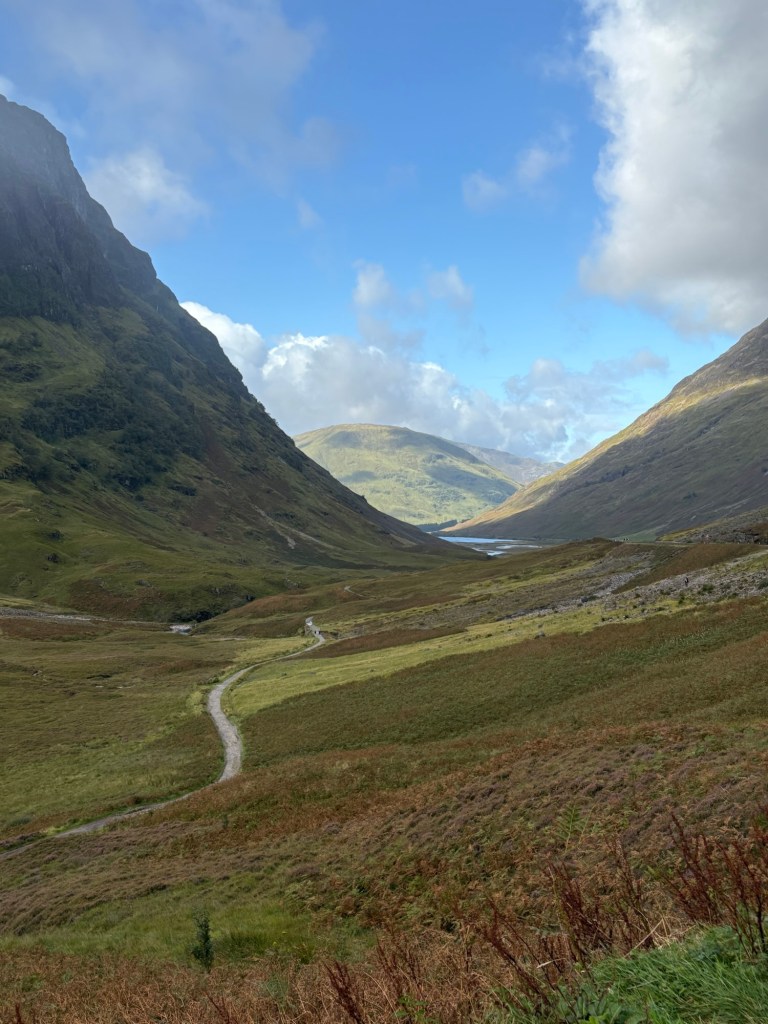
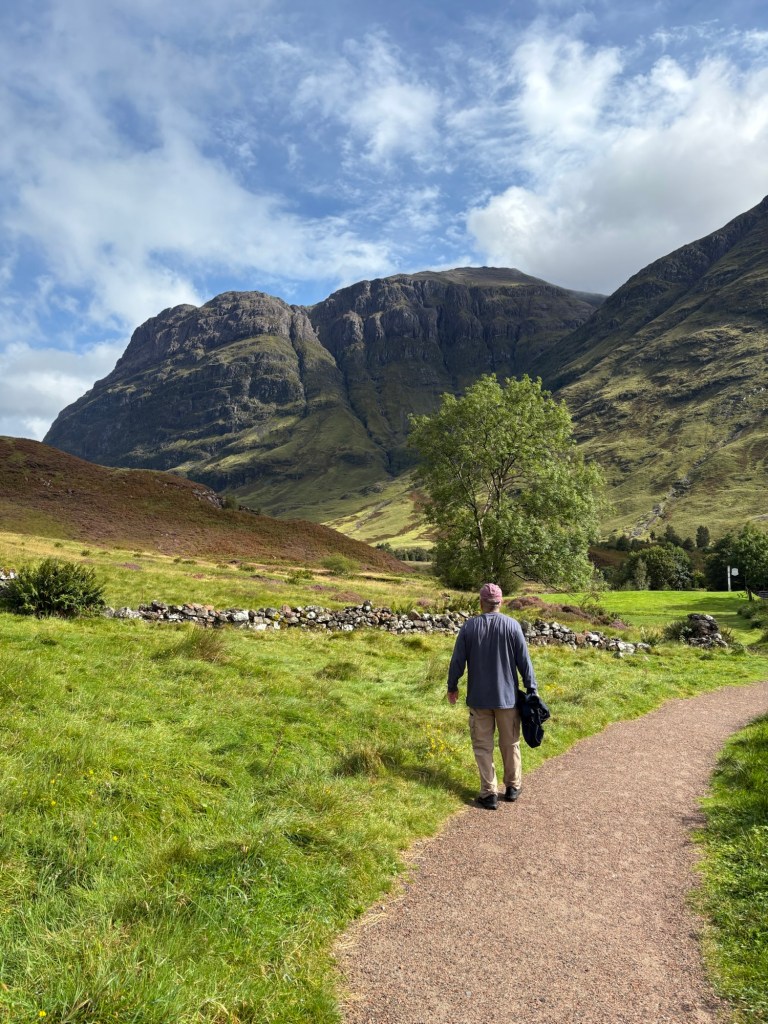
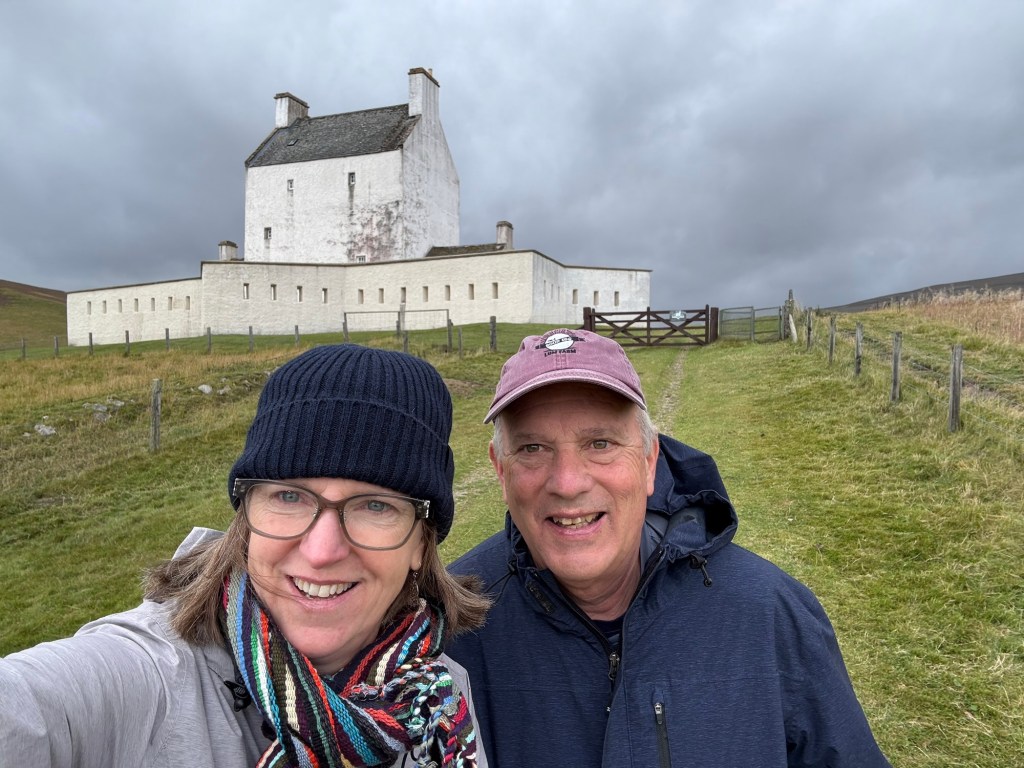
From there we headed to the highlands, where the walking began.

Always up for a challenge

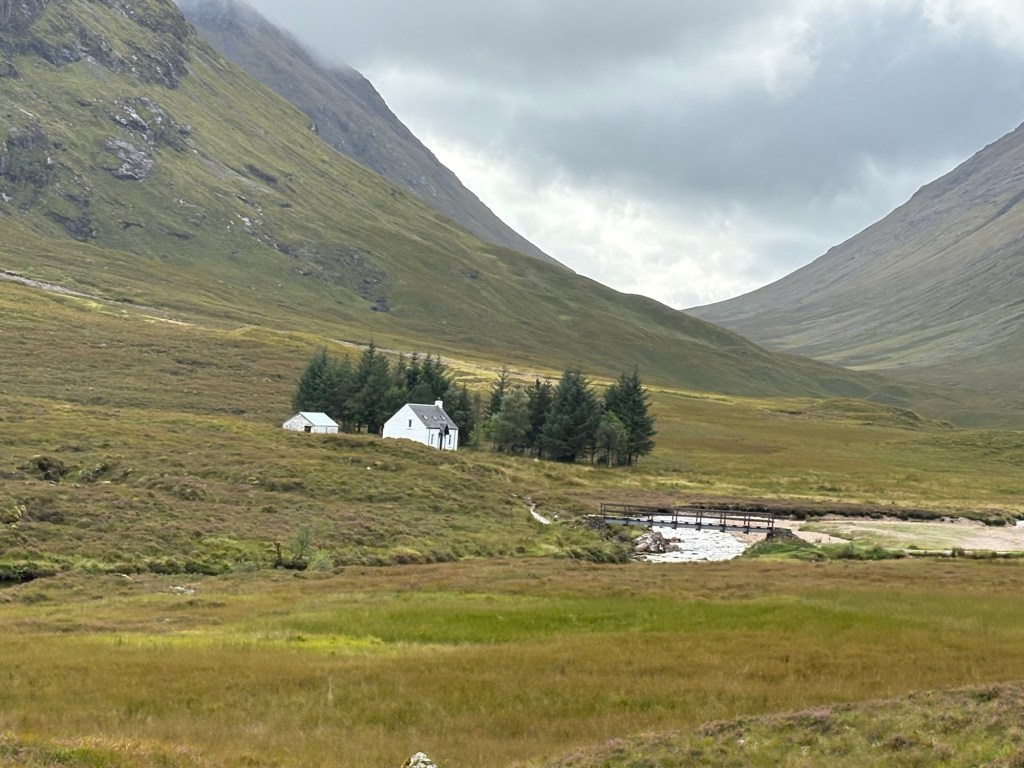
The most photographed house in Scotland.

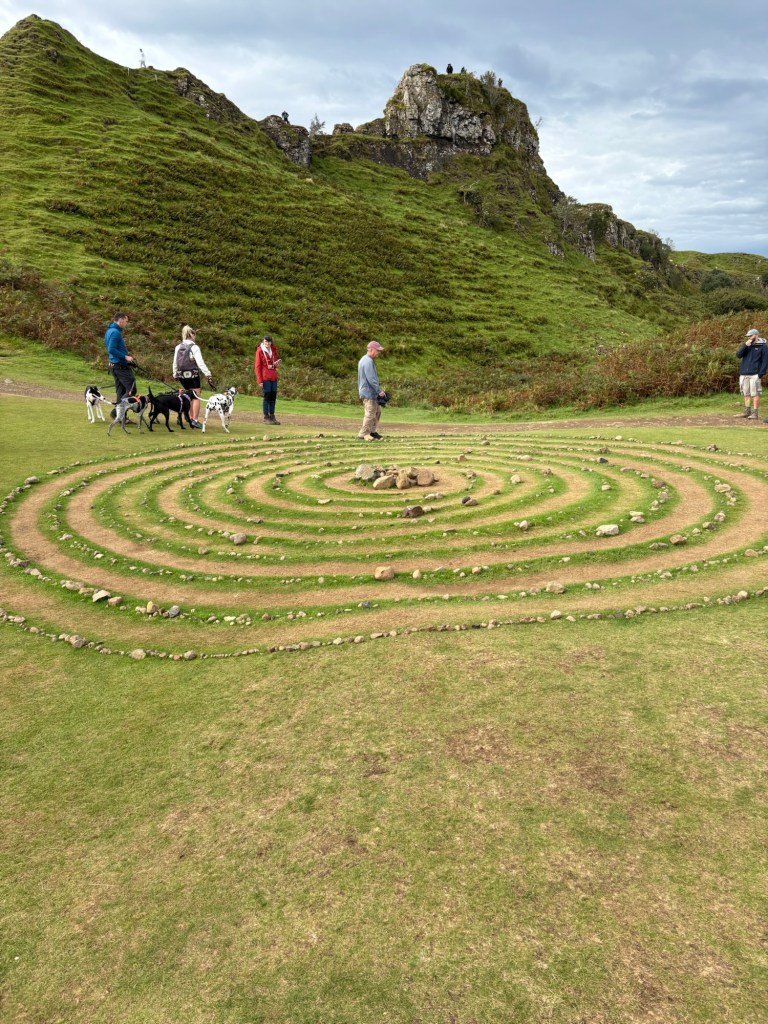
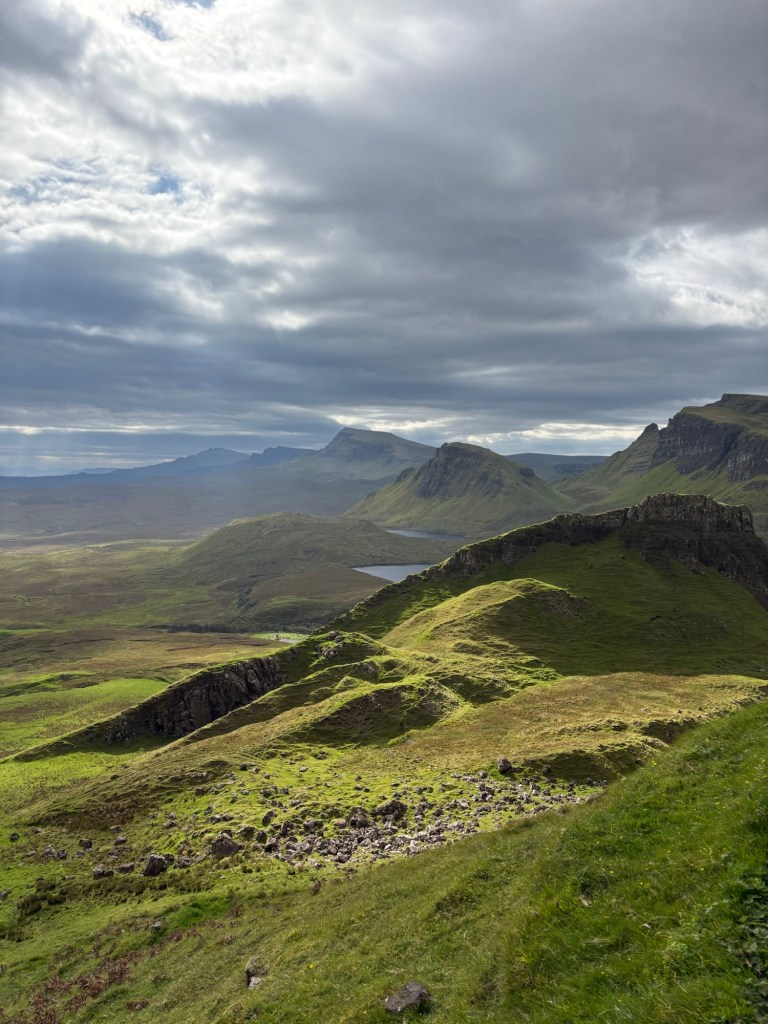
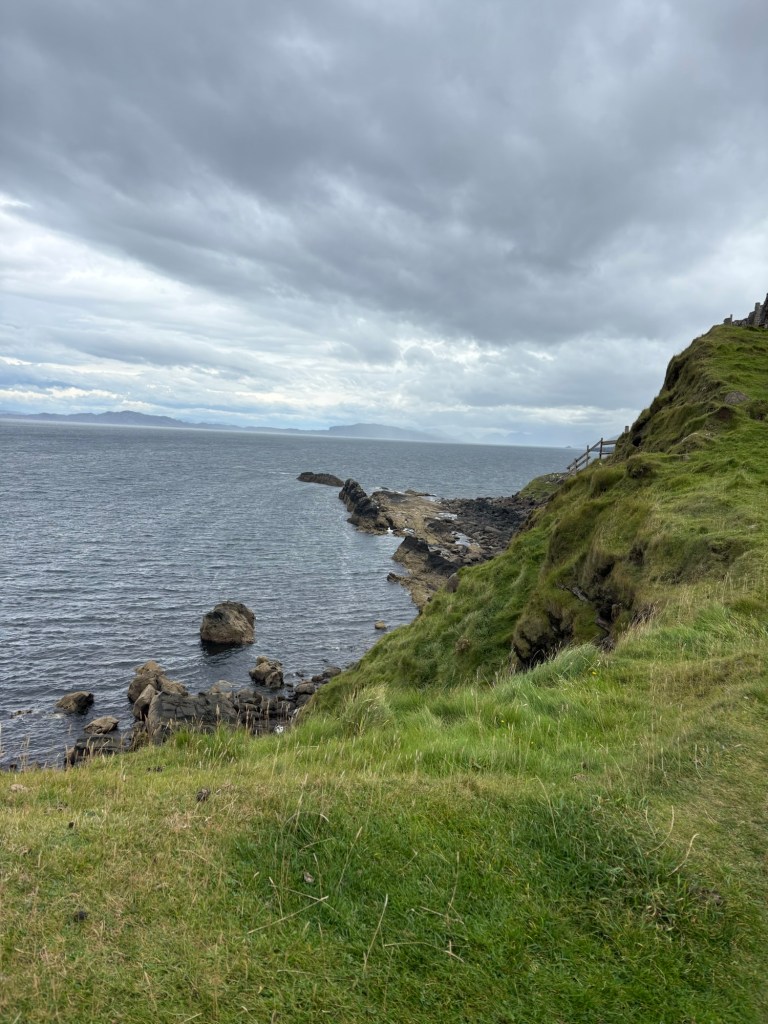
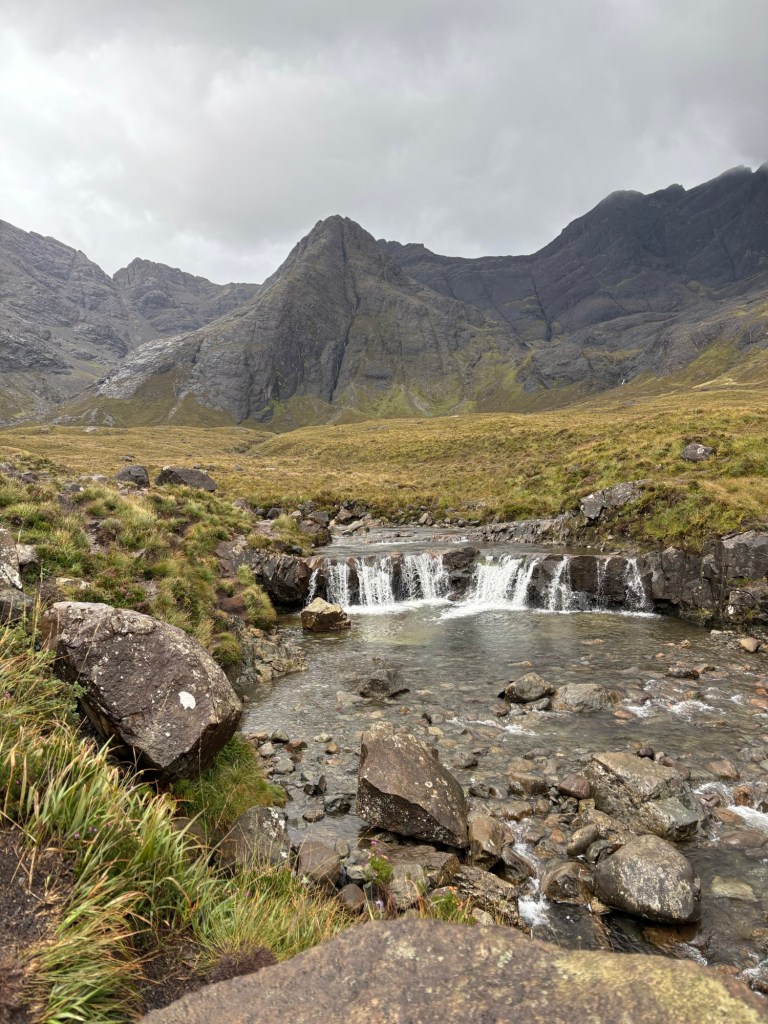
From there onto the Isle of Skye with Fairy Glens, coastal hikes, heather for miles and the occasional sheep.

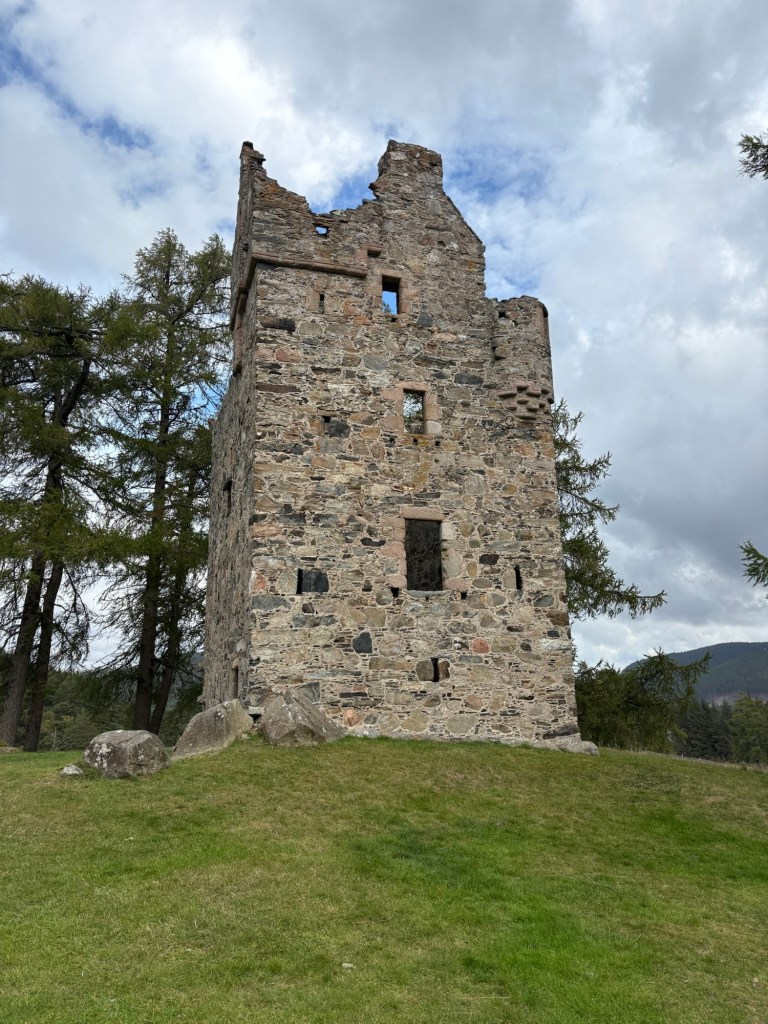
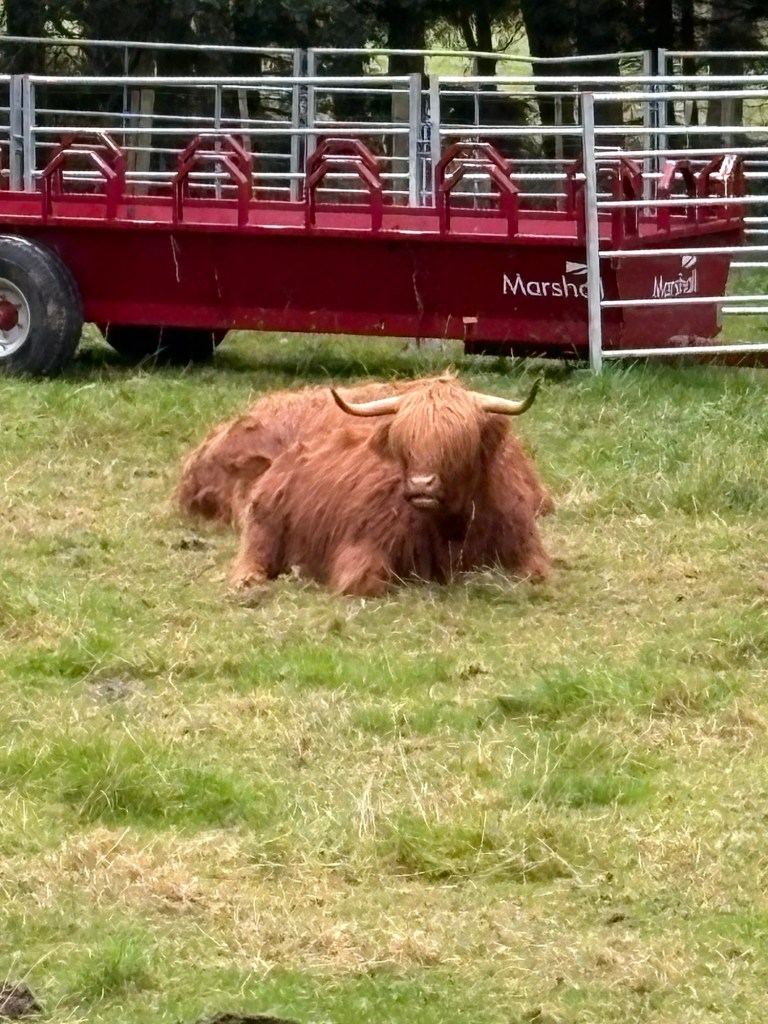
We moved on across the country to the east coast but stopped in some quaint towns along the way and saw some castles and our first up close Highland Coo! A royal coo on the property of Balmoral.

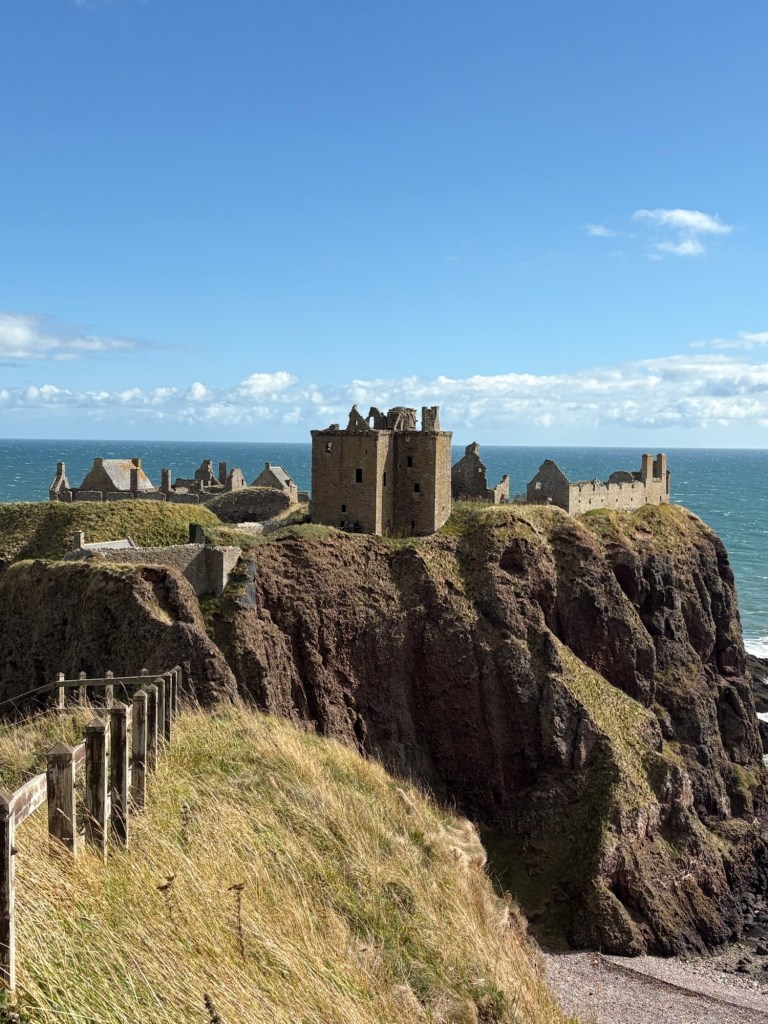
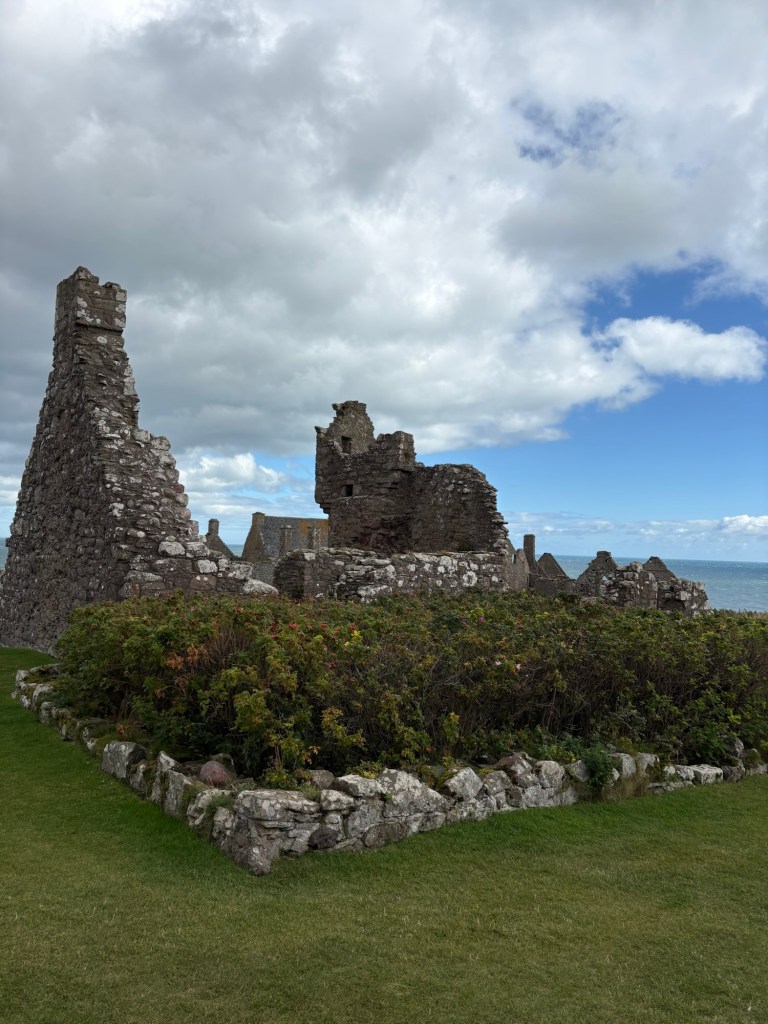
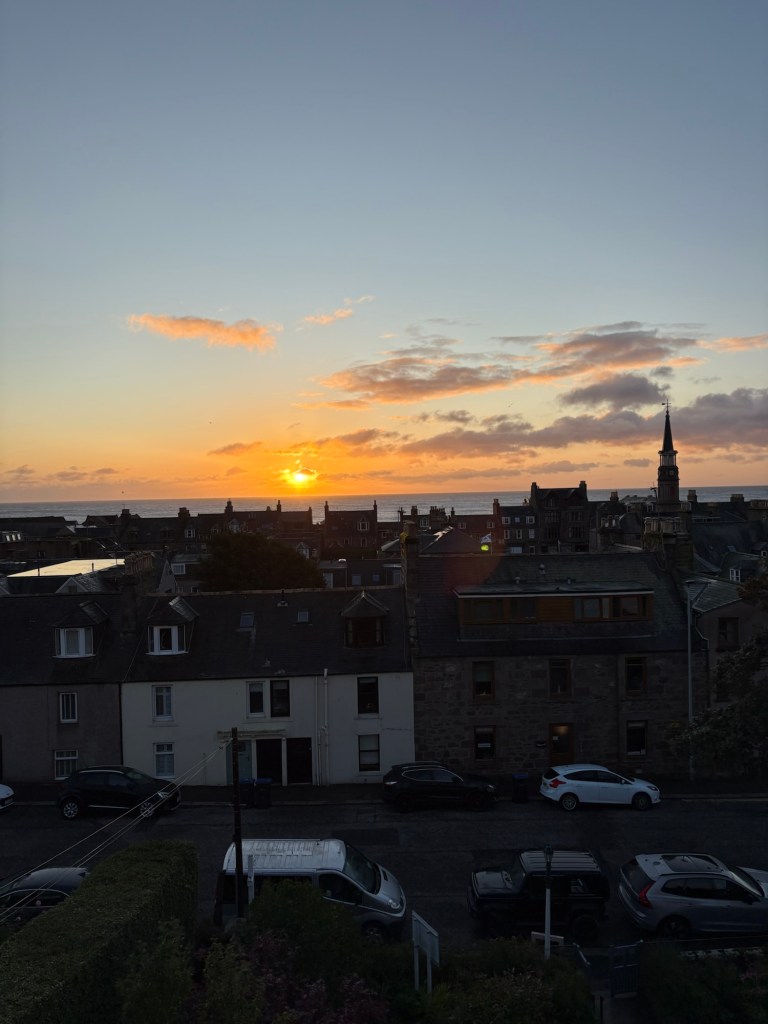
We made it to Stonehaven on the east coast to see the spectacular castle Dunnottar and stay in a sweet B&B with a view.

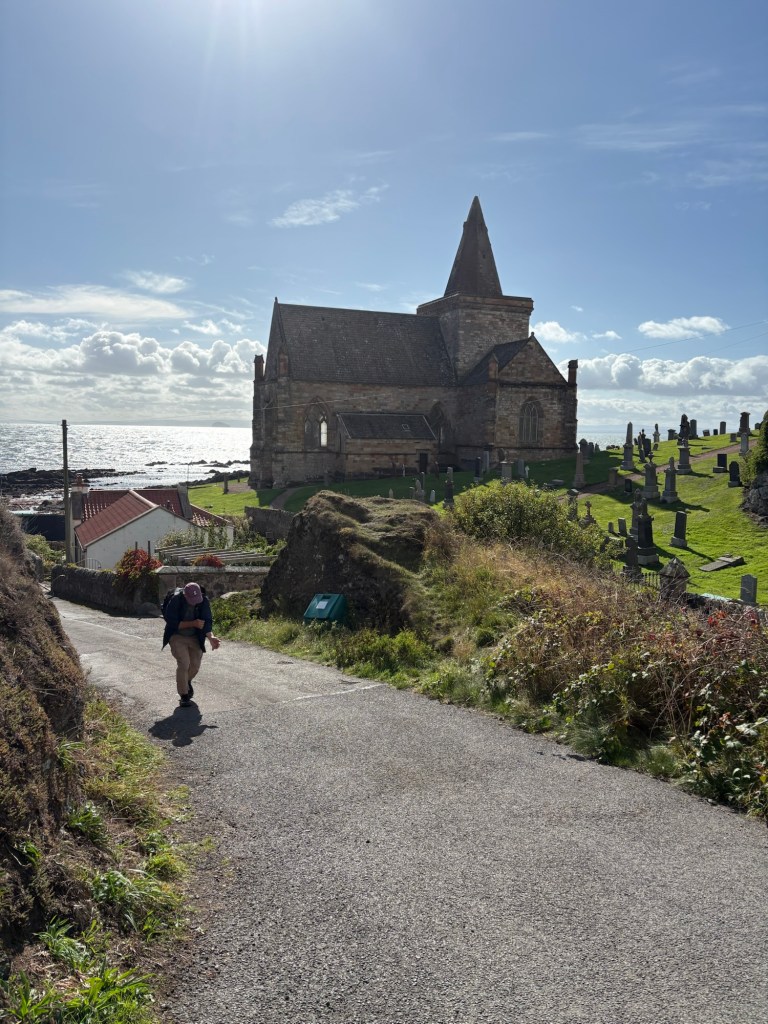
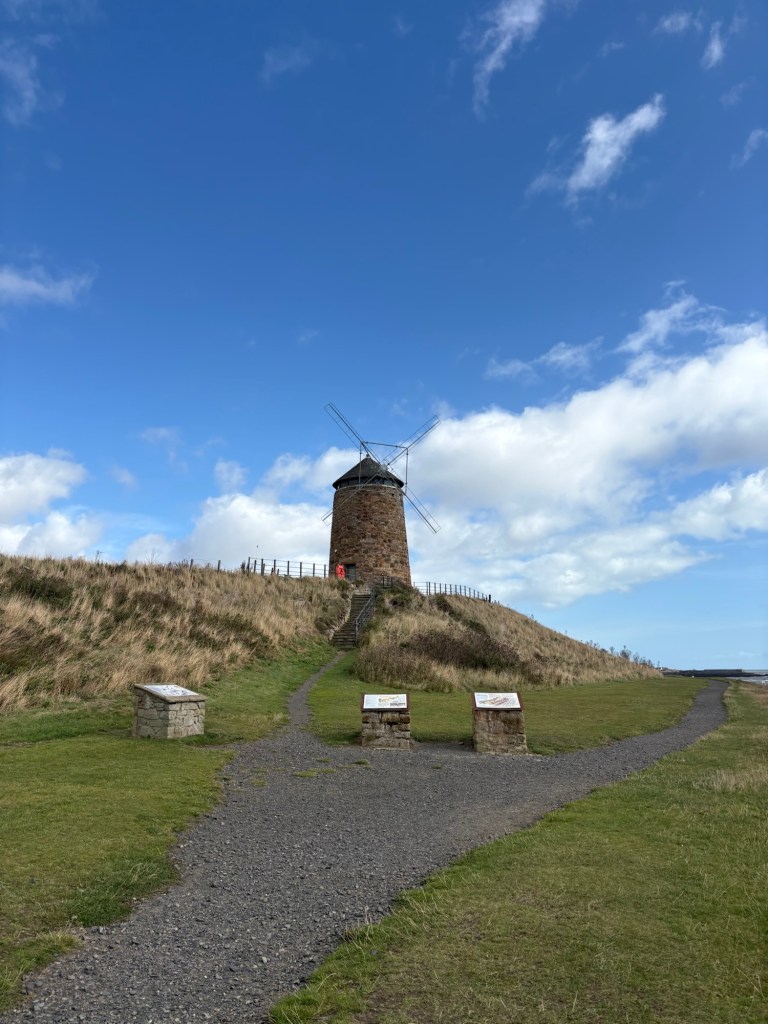
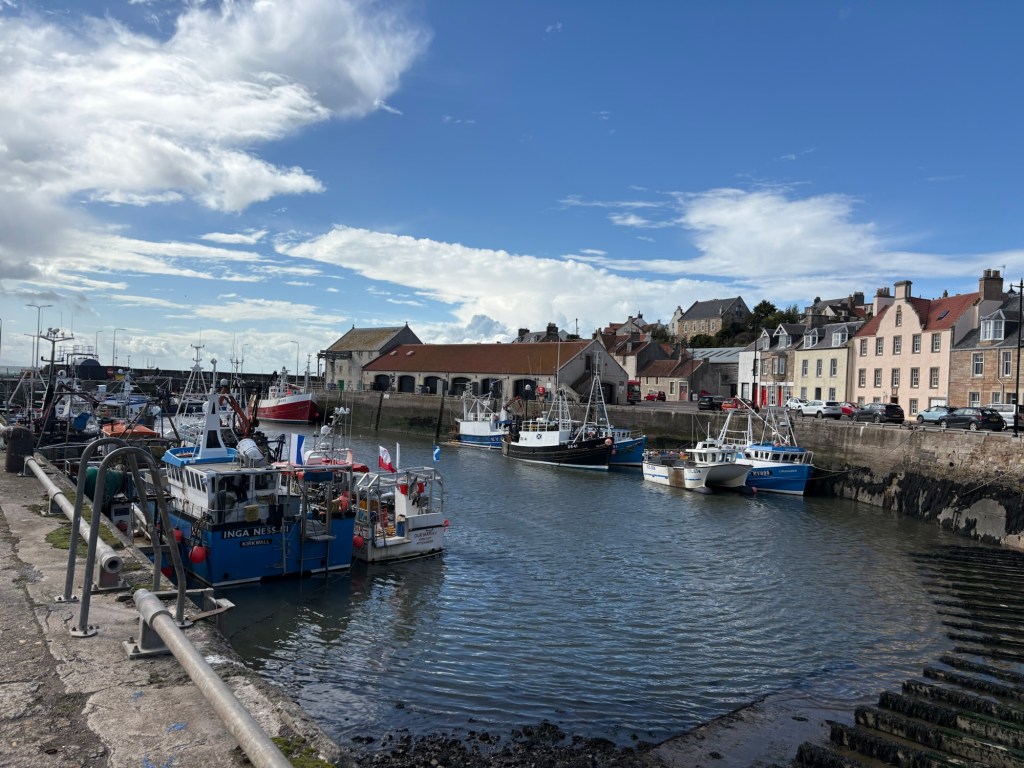
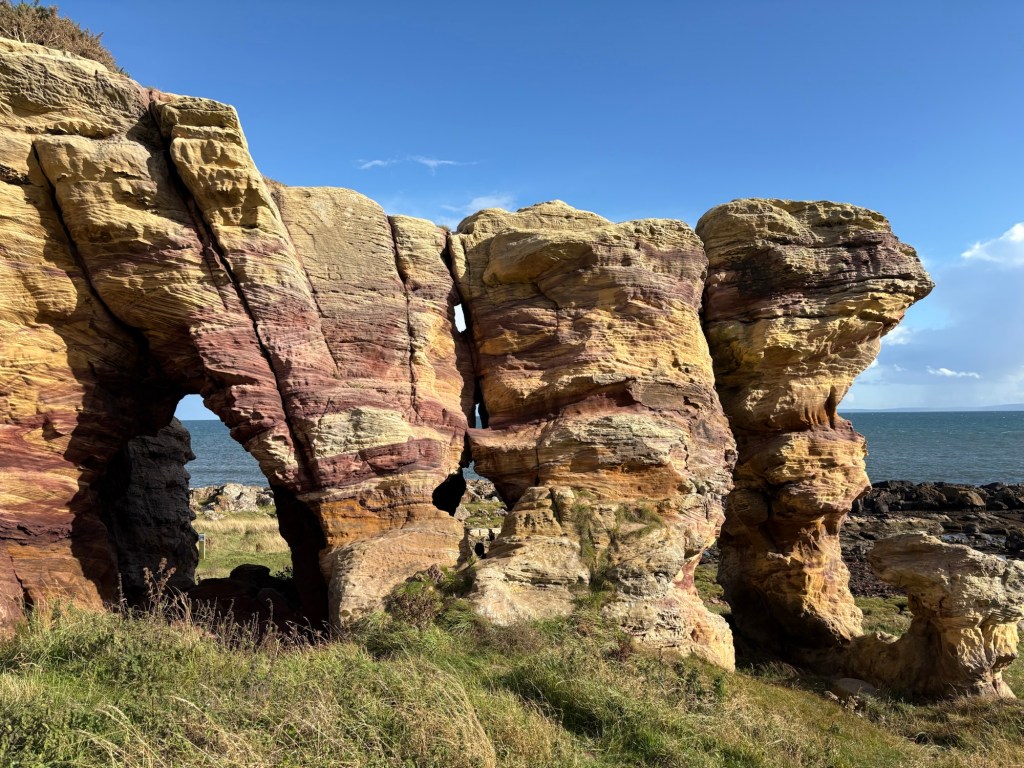
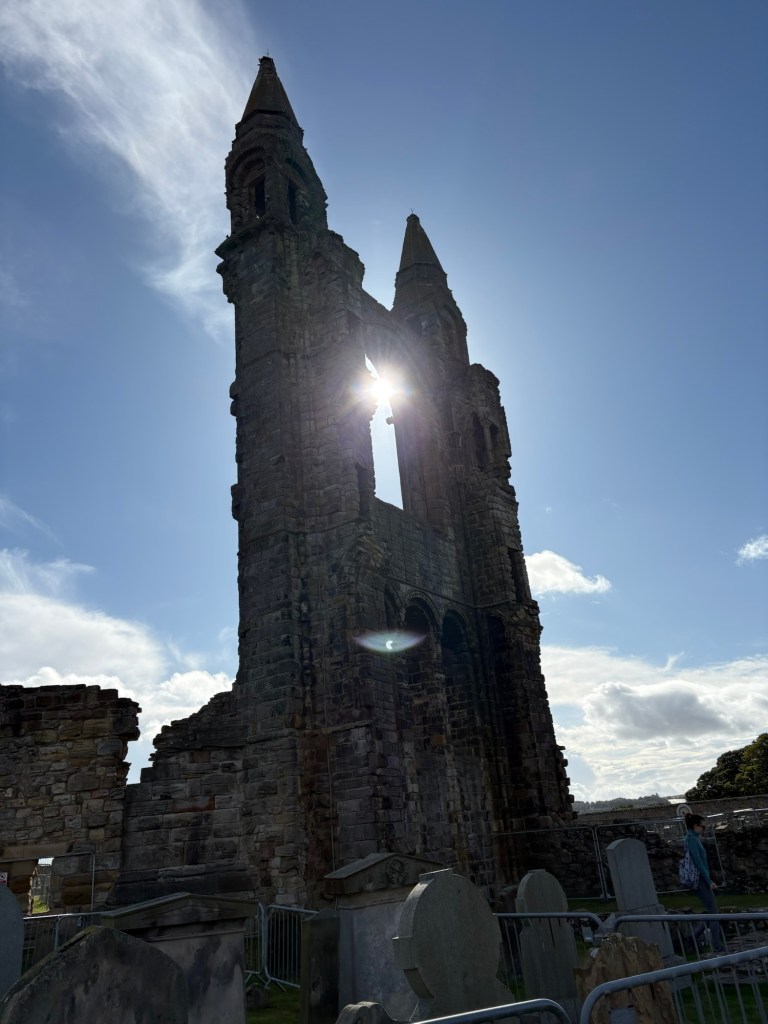
A short drive south to walk along the coastal path through Pittenweem and visit St Andrews was next.

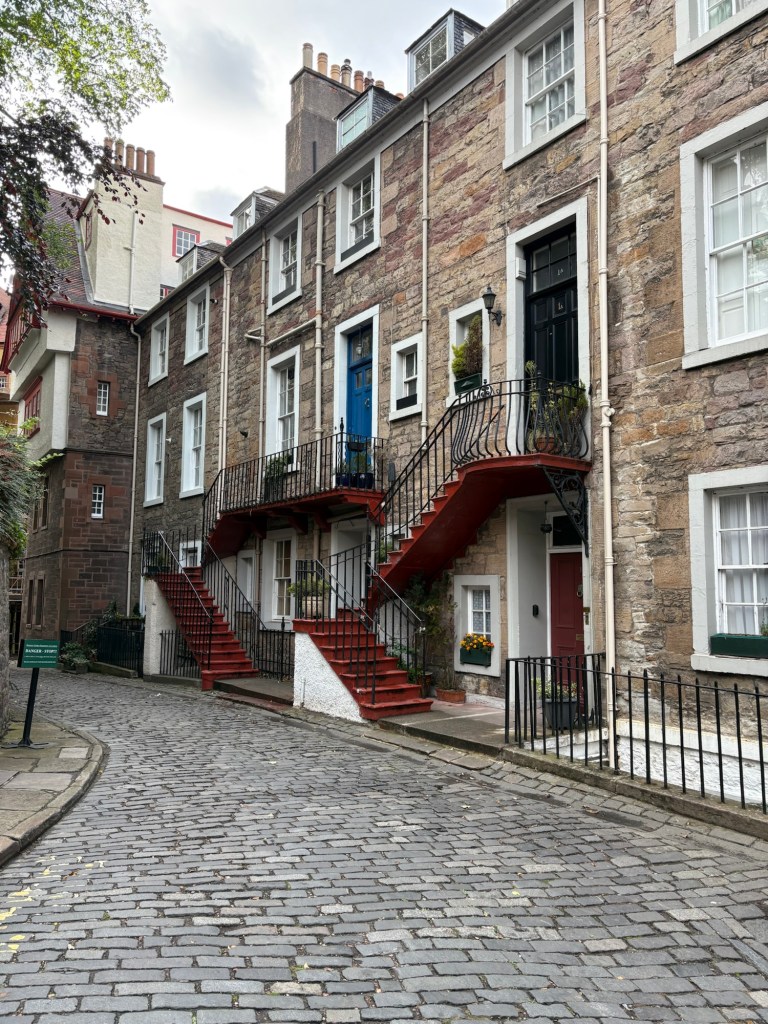
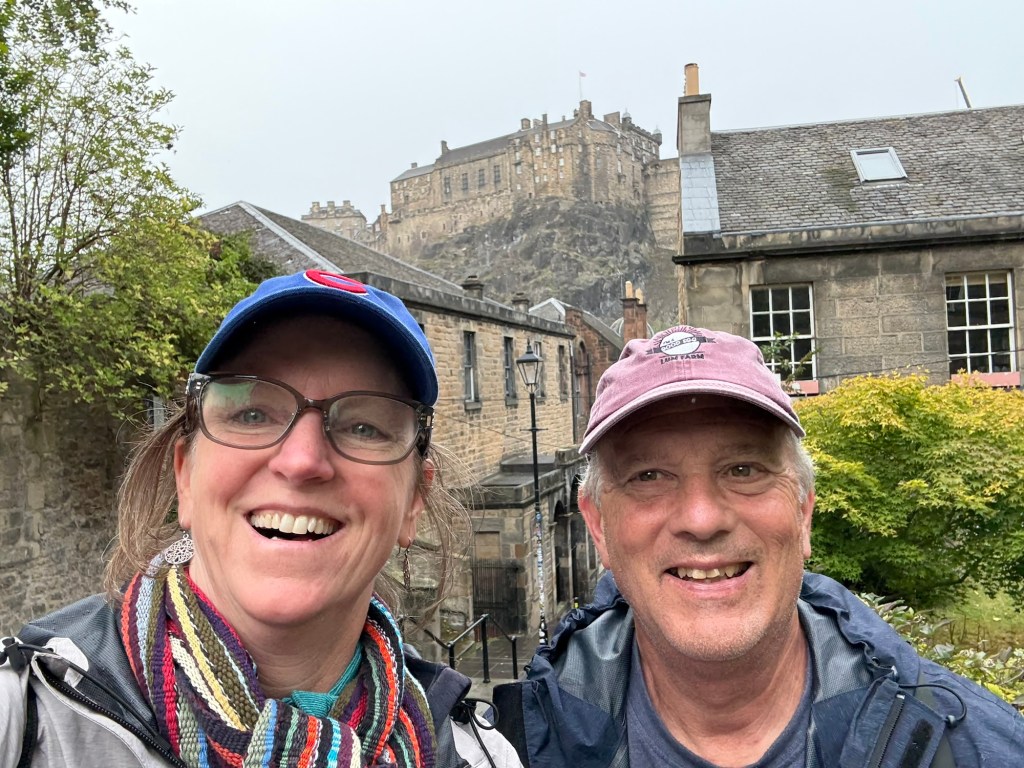
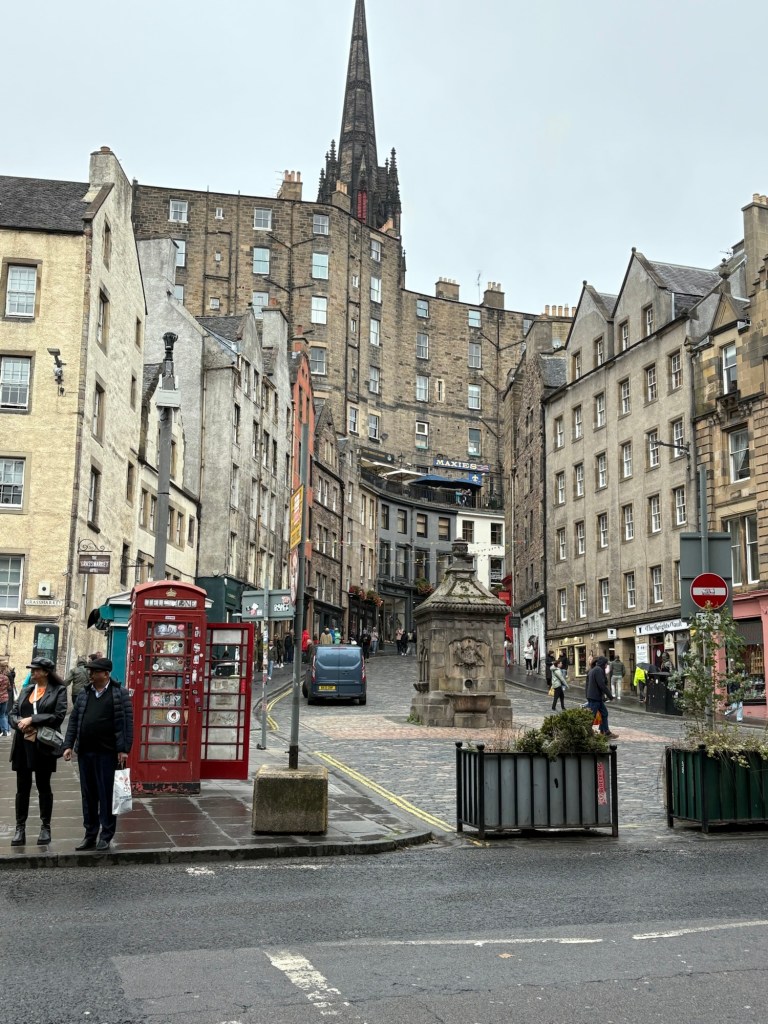
And the circle was complete when we retuned to Edinburgh for our final few days.

We only scratched the surface but loved our time here. In contrast to our coast to coast drive through the US (3684miles)we only drove 974 miles. Scotland is much smaller, but with serene country sides and coastlines and a long interesting history. The people we met, both travelers and locals were so kind and made the visit even more memorable.

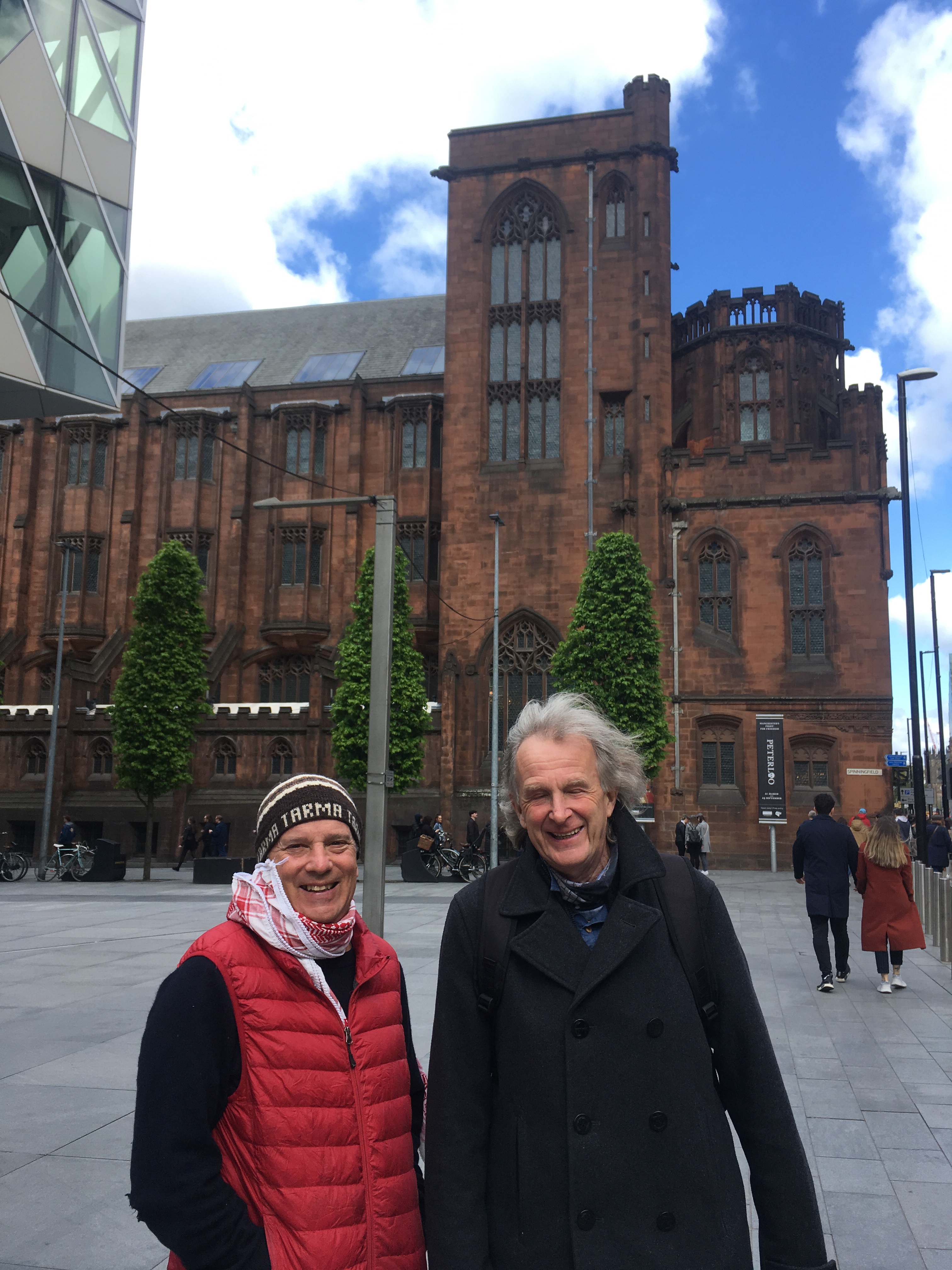
Bonus side trip we took the train to Manchester England to visit a good friend who we met 7 years earlier on our Camino and had a fun time catching up.

Yes we did more walking!

We say see you later to the UK as we head to warmer weather in Croatia.

We are grateful for the time we have spent here!

Jim and Michelle

3685 miles and 14 days later we made it to Asheville NC

Leaving home Aug 14

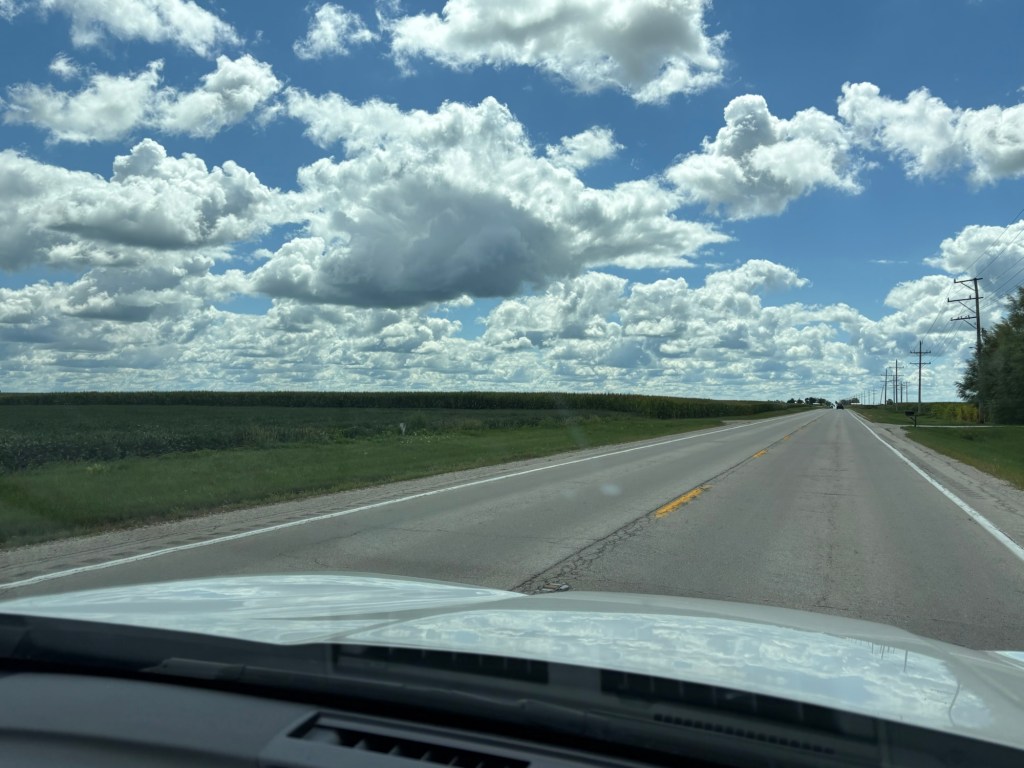
We started our year away with a cross country road trip! We curved our way through the country. Now that I think about it, none of our travel this year will be in a straight line!

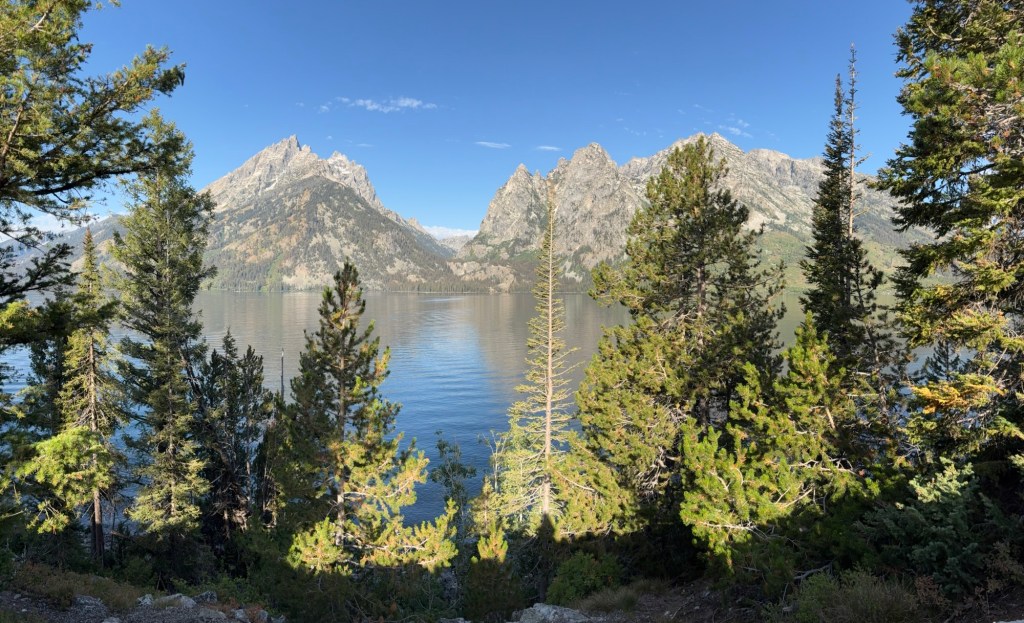
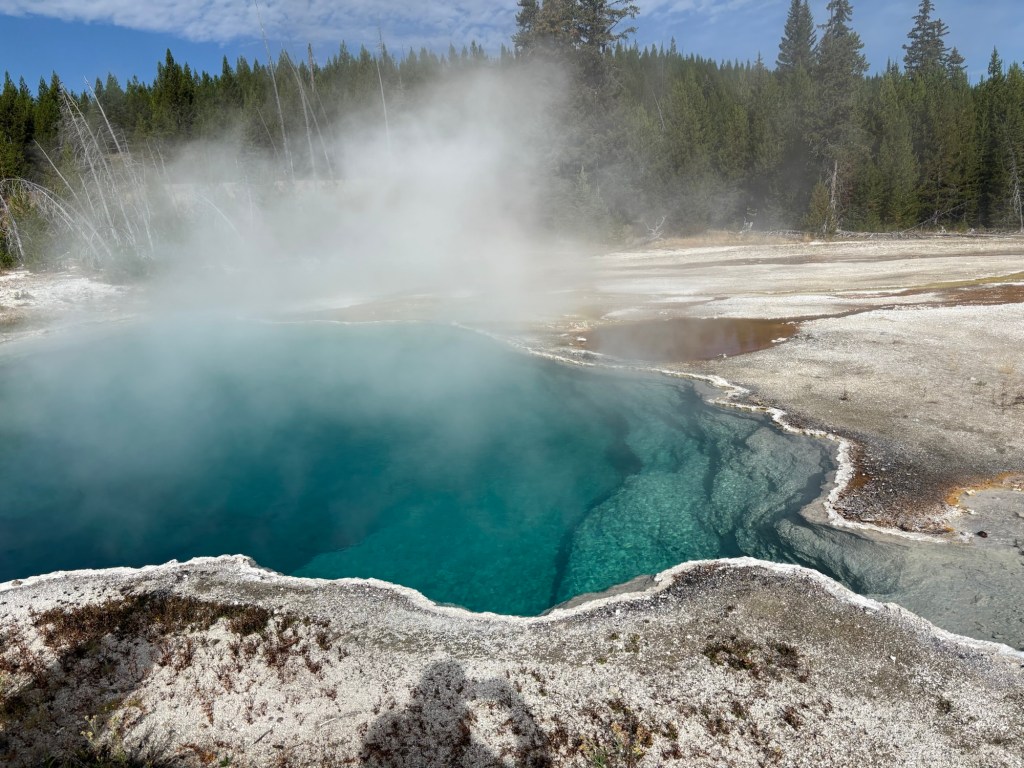
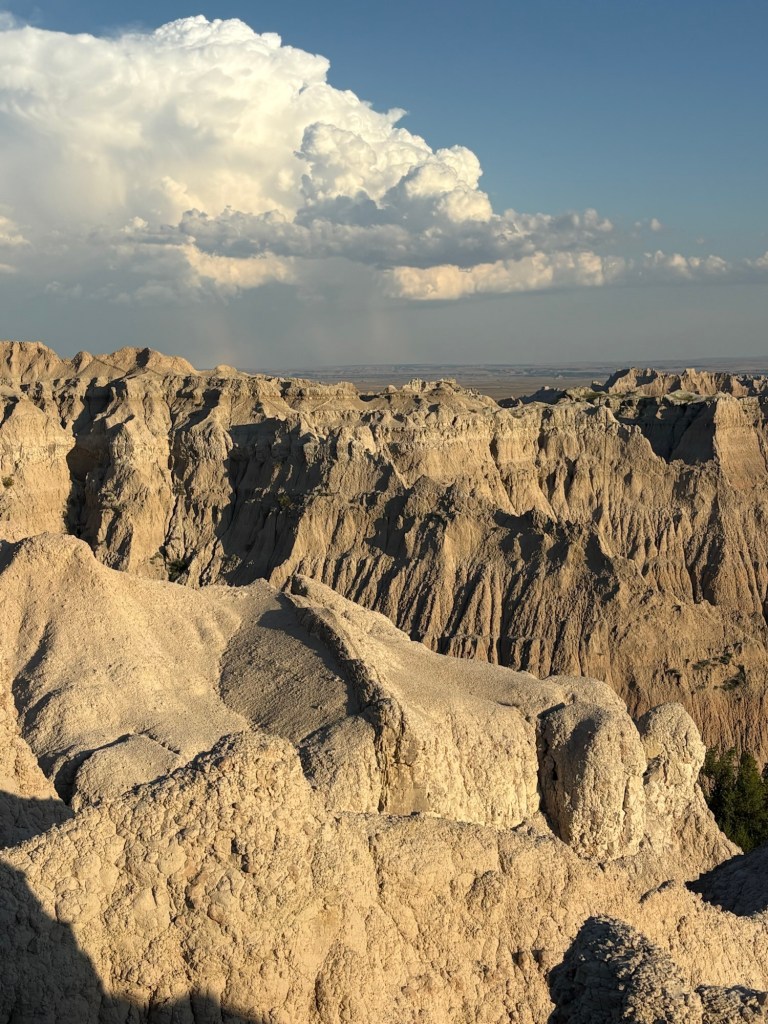
We started by visiting family in Boise and then set off to see the Tetons, Yellowstone and the Badlands. We packed our tent and did our only summer camping along the way.

Jenny Lake
West Thumb Geyser Yellowstone
Badlands

We saw quite a bit of wildlife including a black bear cub, a red fox, mountain goat, pronghorn, moose and we were stopped by buffalo taking their time to cross the road. All of it reminded us again of how beautiful and diverse and vast our country is.

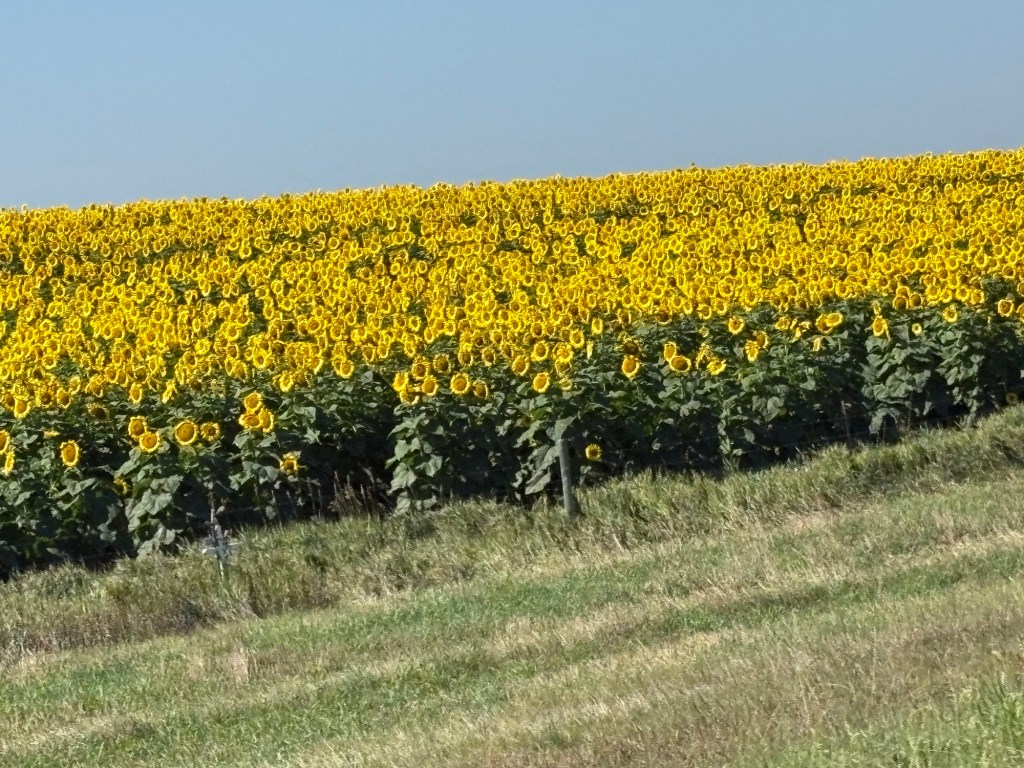
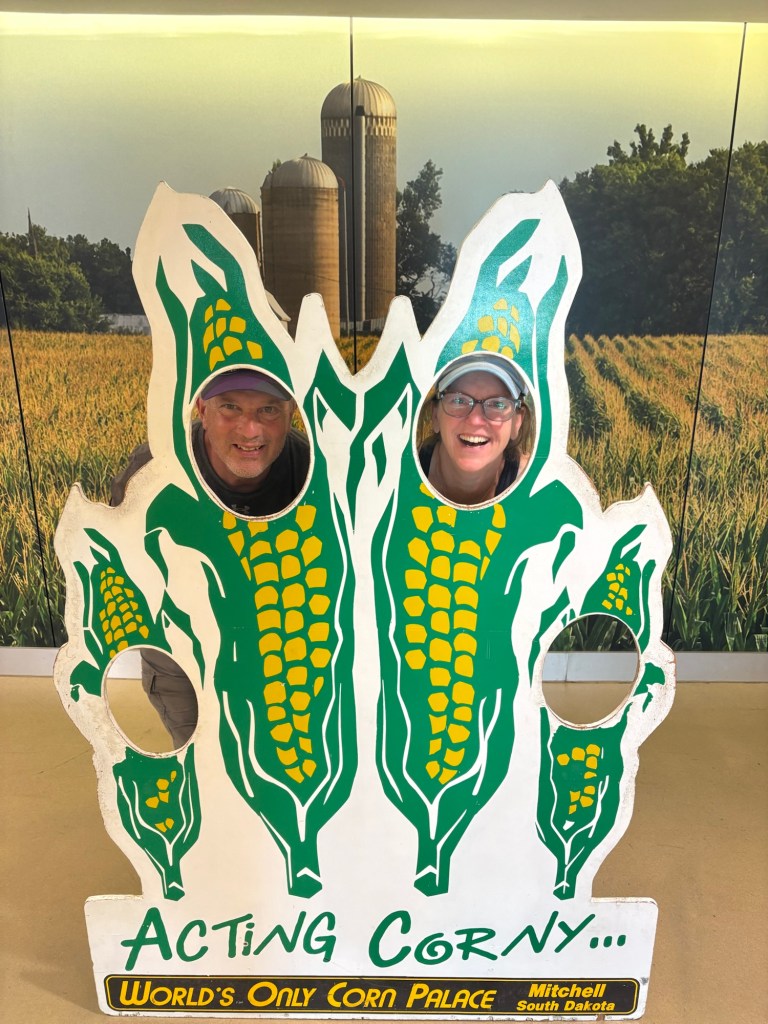
Then the corn and soybeans and sunflowers started as we continued east through South Dakota and Iowa and Illinois….

And it was a different kind of beauty. We stopped in Iowa to see a friend and in Chicago where I grew up to see my brother and family and I got to see my oldest friend from childhood.

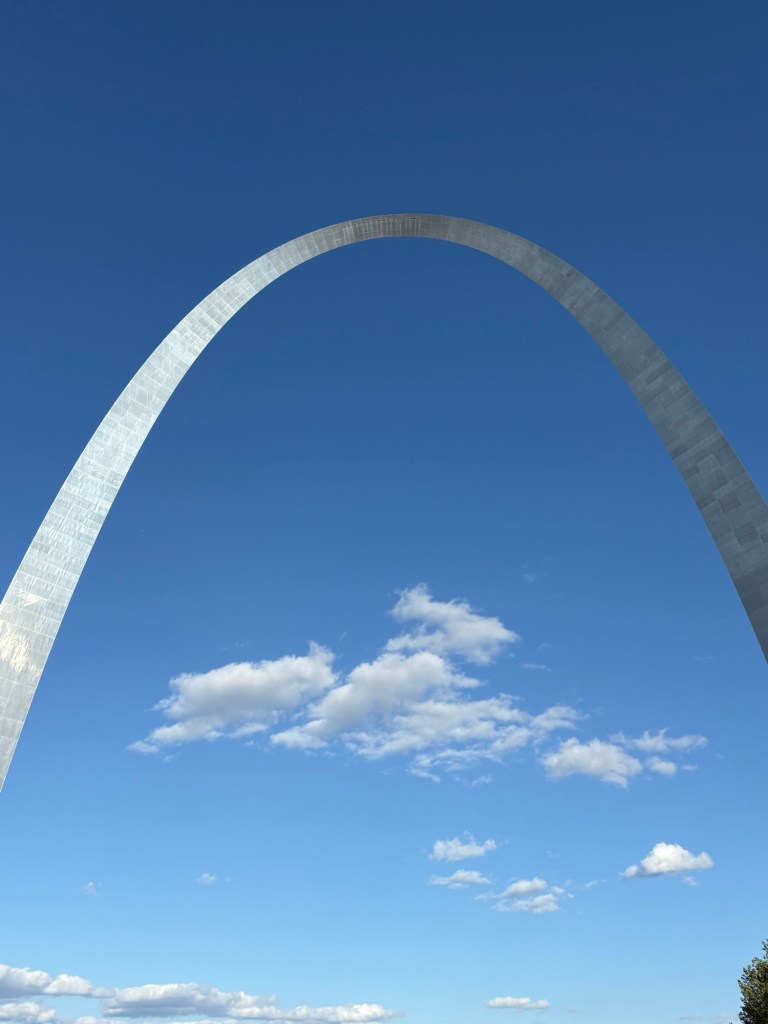
Spending time with friends and family was such a gift. We left Chicago and headed south to St Louis. What a cool city with so much history. I didn’t know the smallest national park is Gateway Arch.

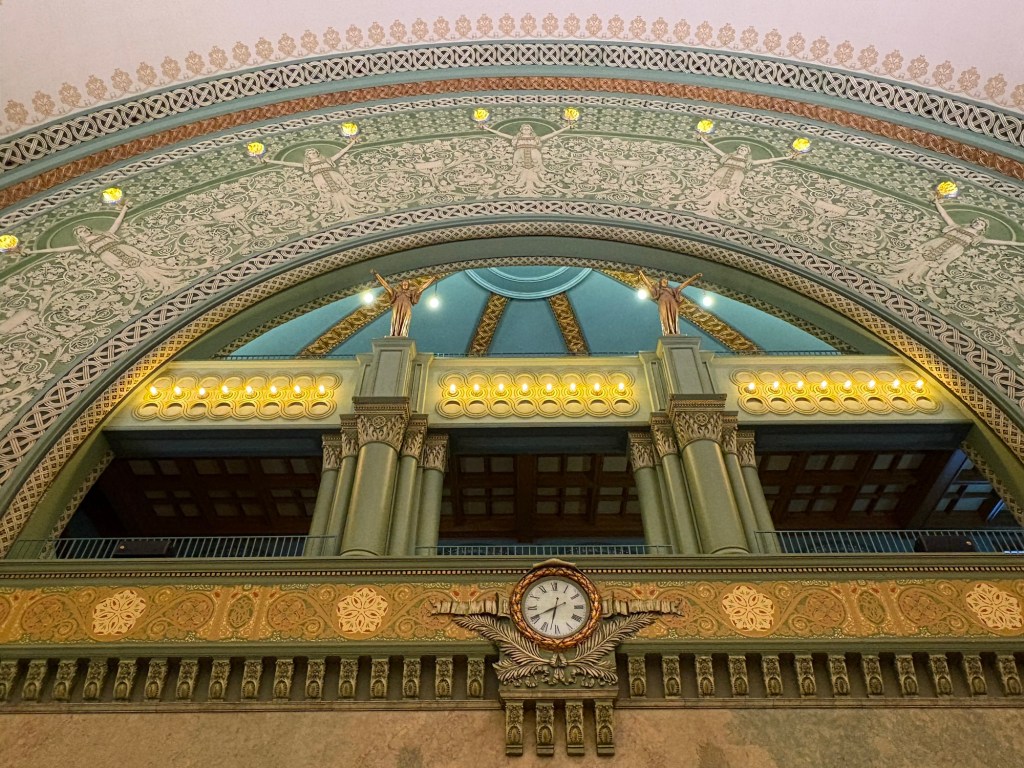
Union Station
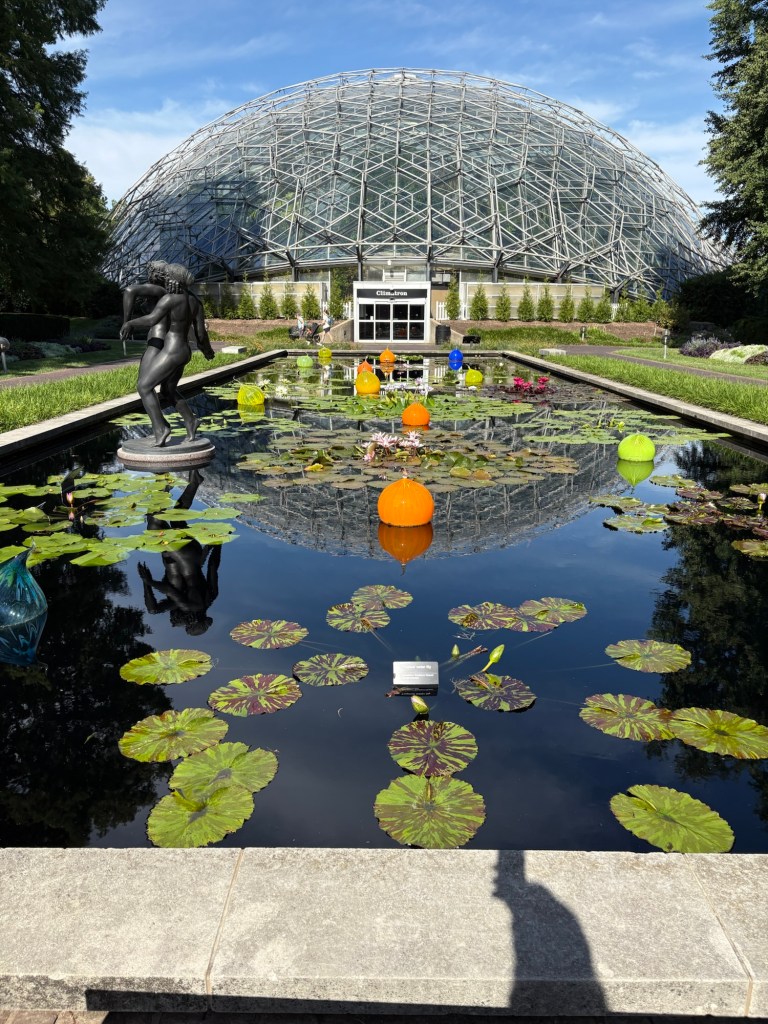
Botanical Gardens

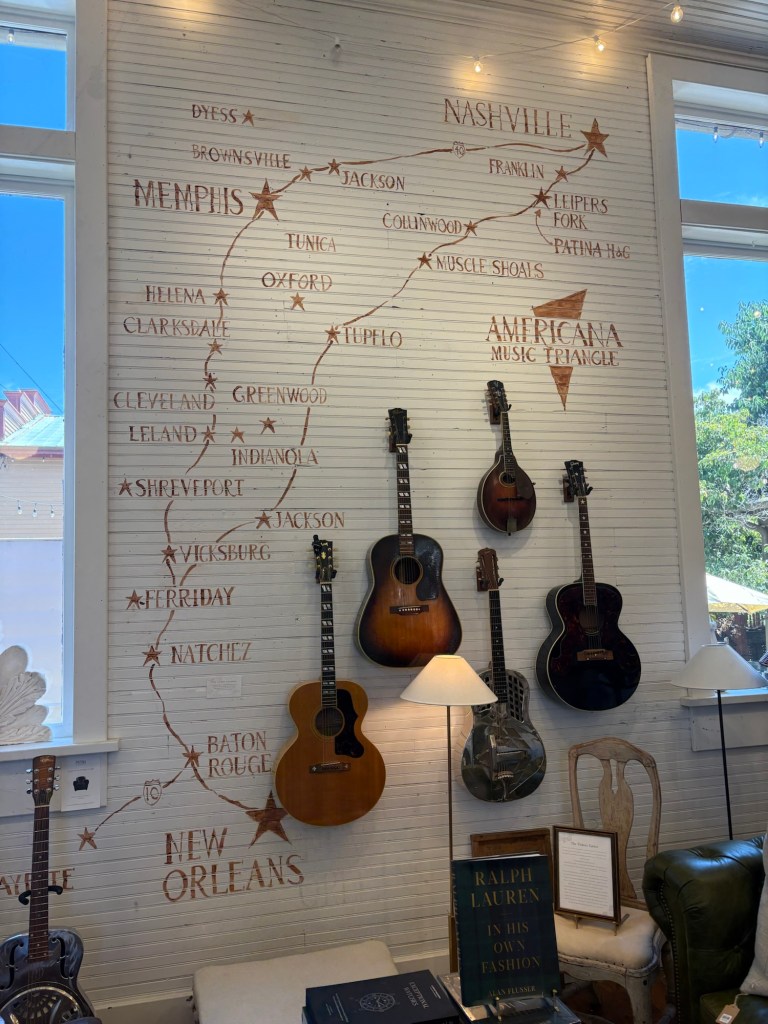
We continued south to Nashville to spend time with my sister and hear some great music.

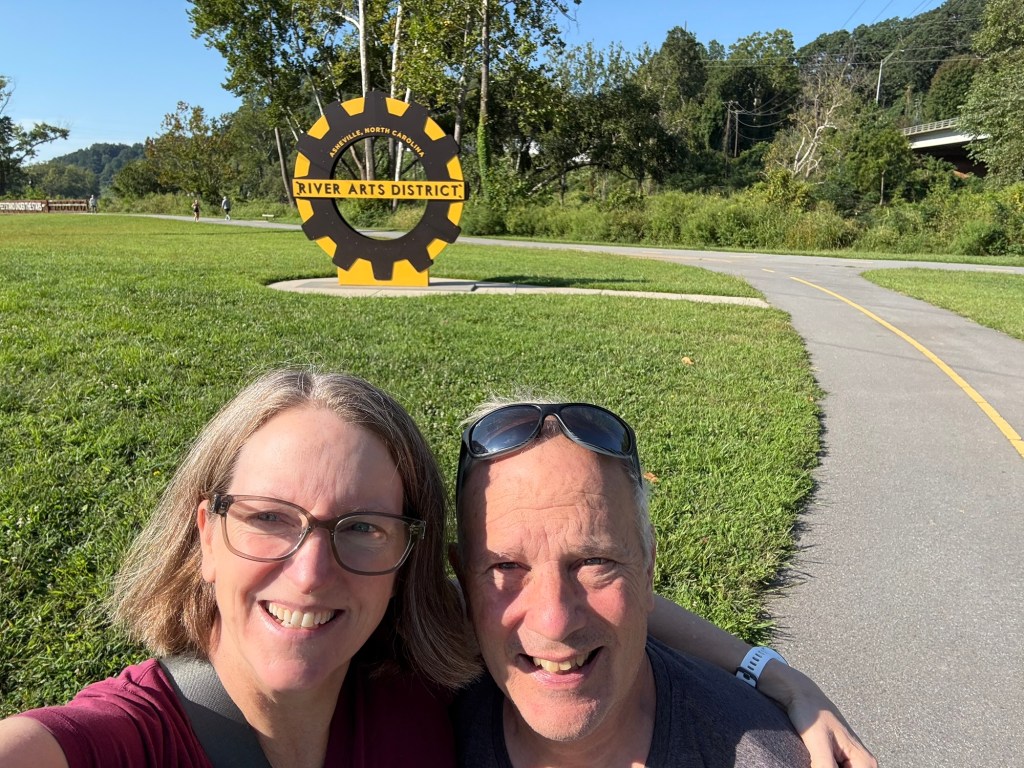
And our final leg of the trip was to Asheville, North Carolina to see my parents.

We had 5 days laughing and catching up and spending time with their friends. Jim and I unpacked our road trip things and packed for our next leg and did lots of walking…fall is in the air.

We feel refreshed and ready to go…off to Scotland. Im looking forward to see 🐏 and Jim is nervous to drive on the left side of the road. But overall we feel grateful to be able to go and we miss you already!

“One’s destination is never a place but rather a new way of looking at things” — Unknown 

England an unexpected addition

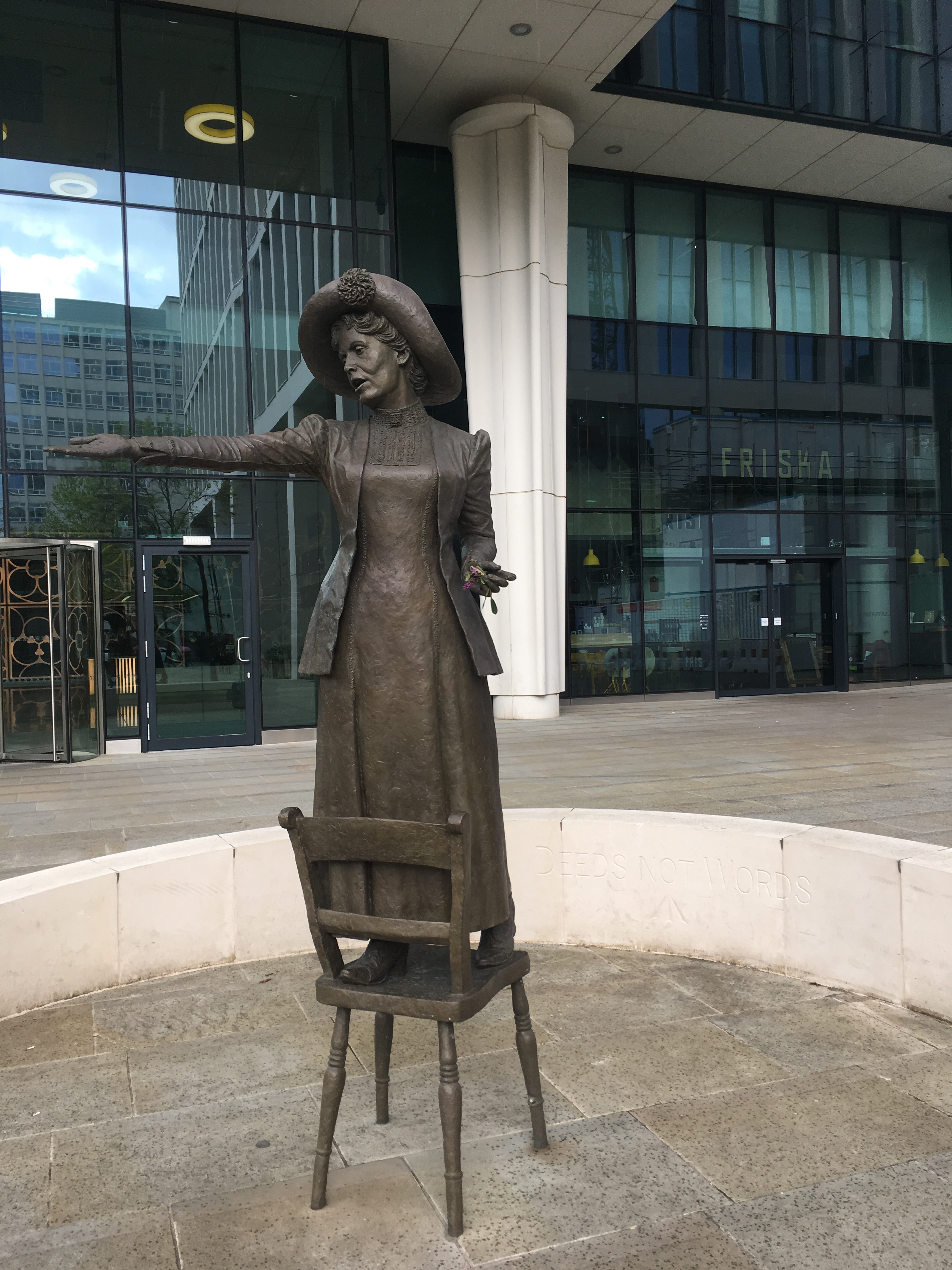
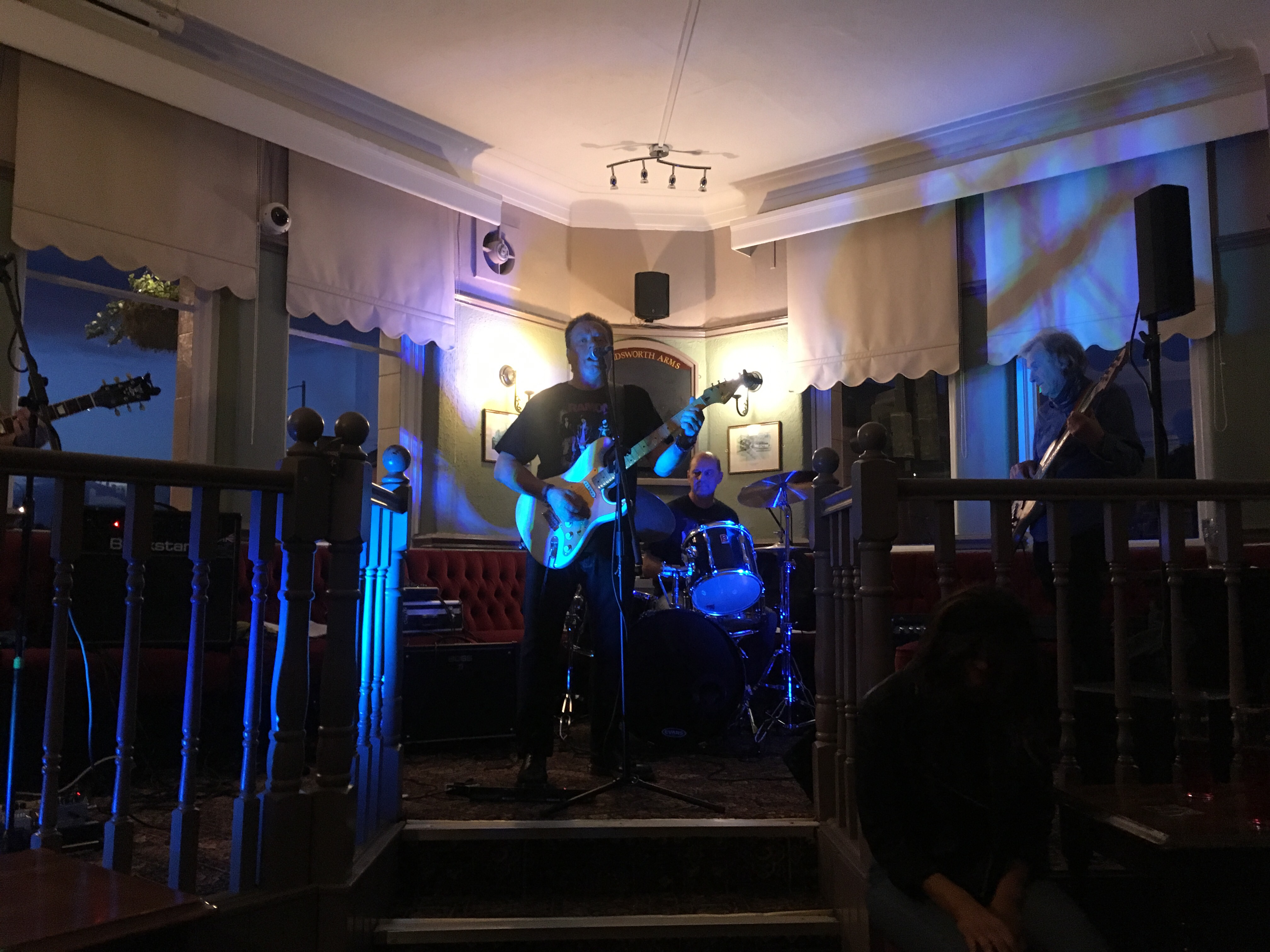
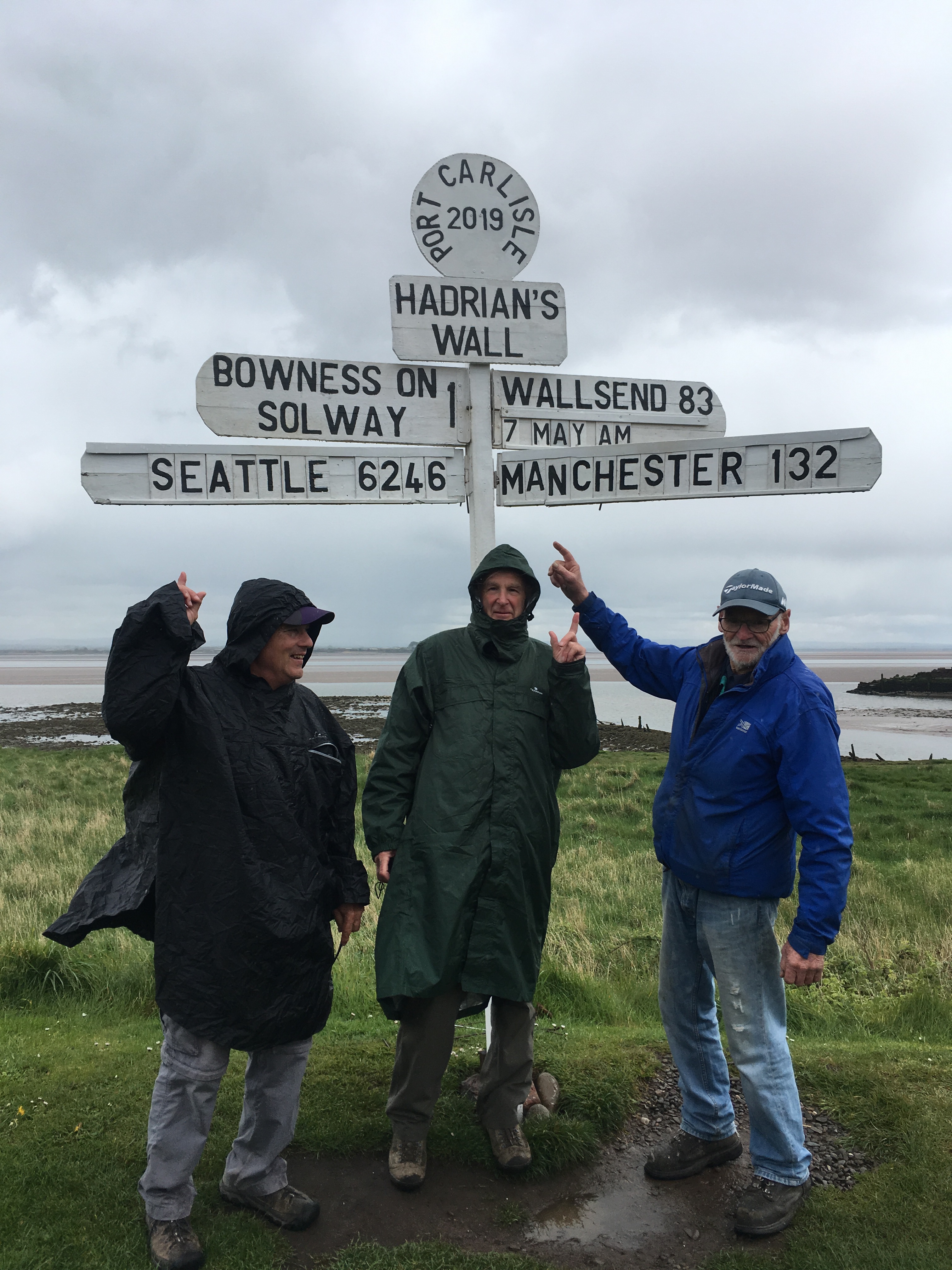
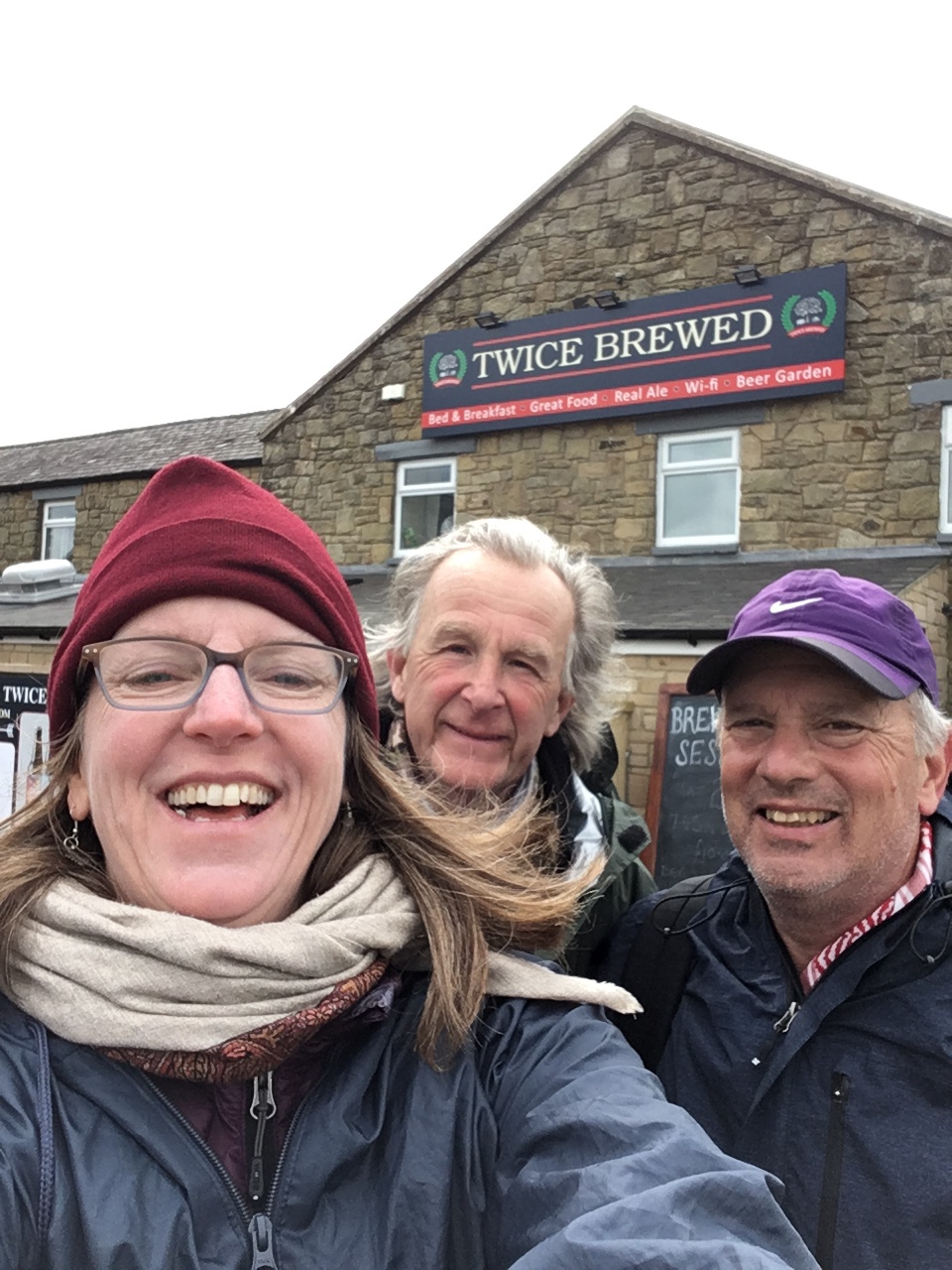
We hadn’t planned to go to England when we left home. It all began when we walked the Camino back in August and September. We met a fellow pilgrim named Brian and we walked over half the Camino with him. He is from Manchester, England. Somewhere in the process of enjoying the Camino we mentioned Hadrian’s Wall. Brian had never walked it and thought it sounded like a good idea. So when we parted ways in September, he went back and started making a plan. By October he had it all scheduled and in May we were flying into Manchester to meet him. We flew into Manchester and spent a couple days exploring the city and resting. Brian was gracious to let us stay with him, which included doing our laundry and he was our tour guide. He plays bass in a band and they had a gig while we were there, so we got to experience a real pub band. He also hosted a gathering with family and friends, who we had heard about while we were walking the Camino, and we were delighted to meet them.

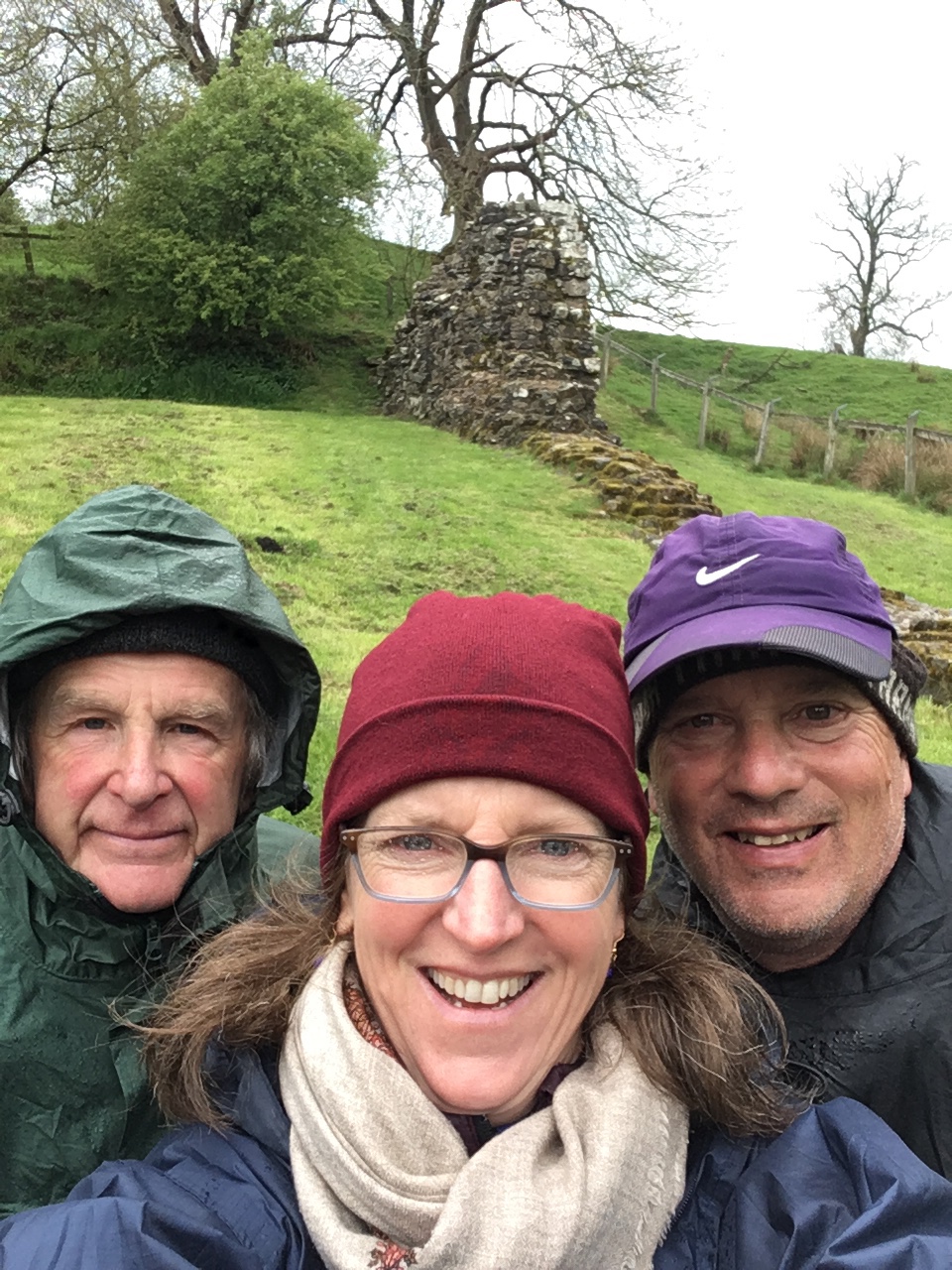
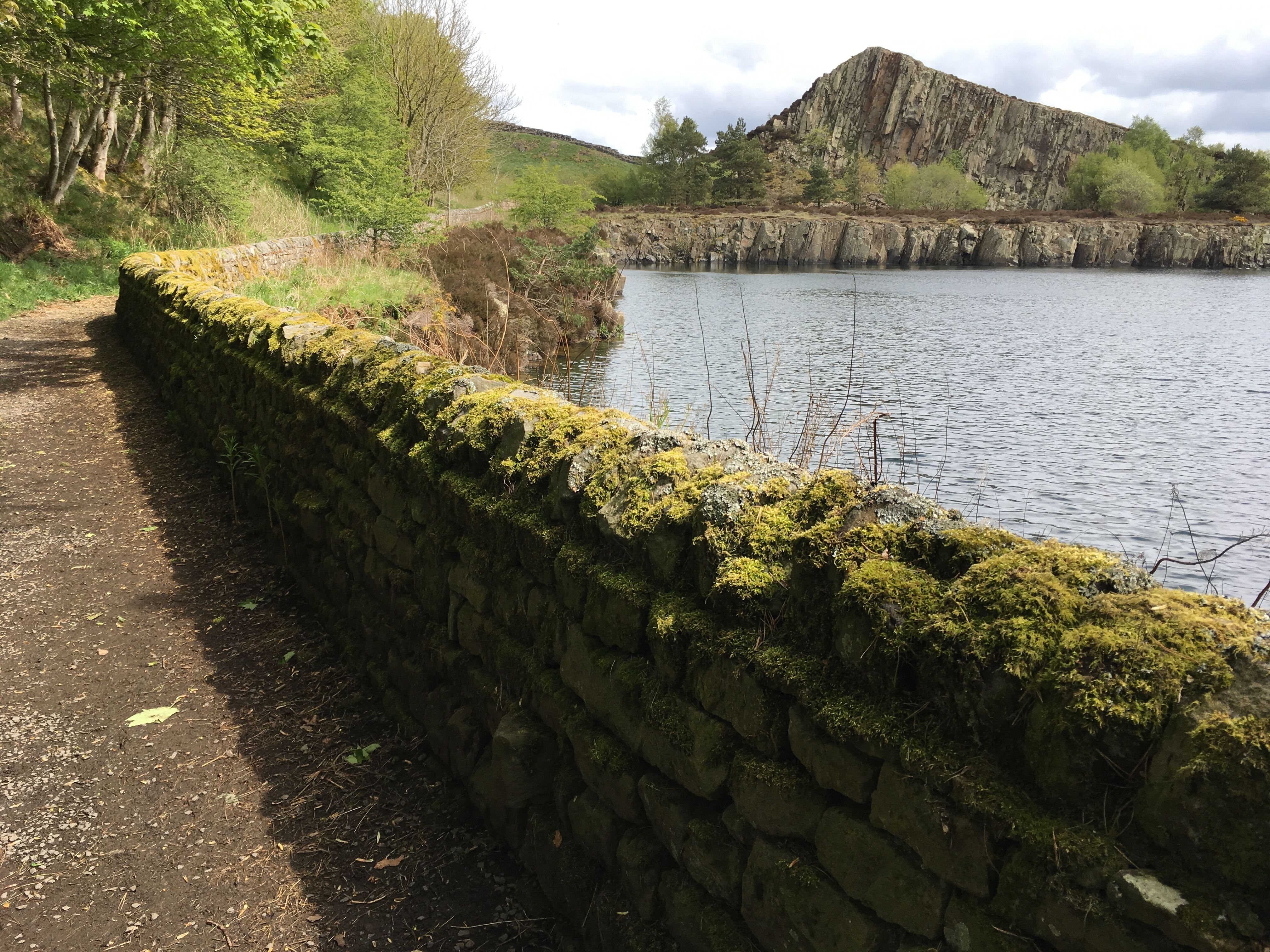
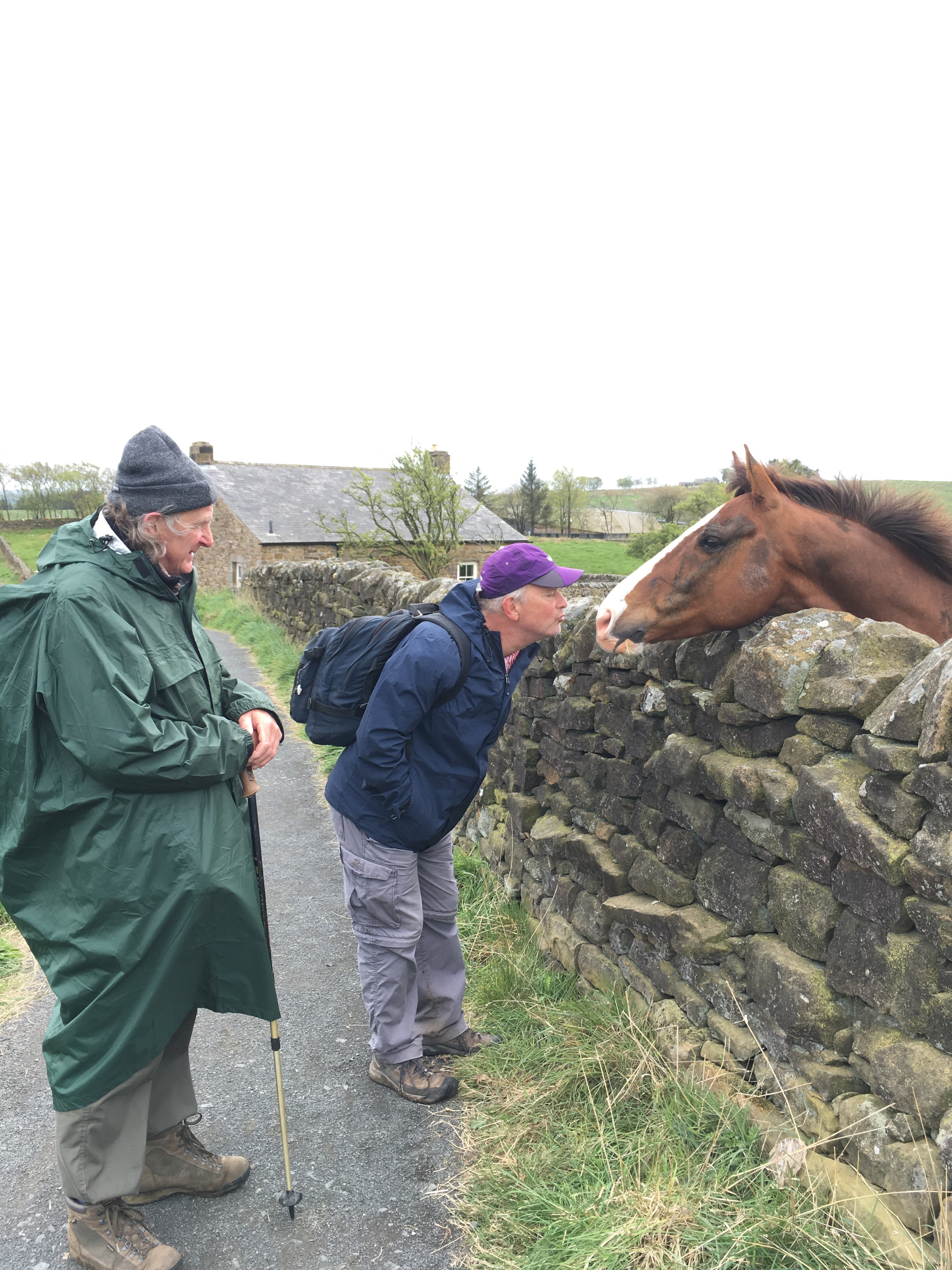
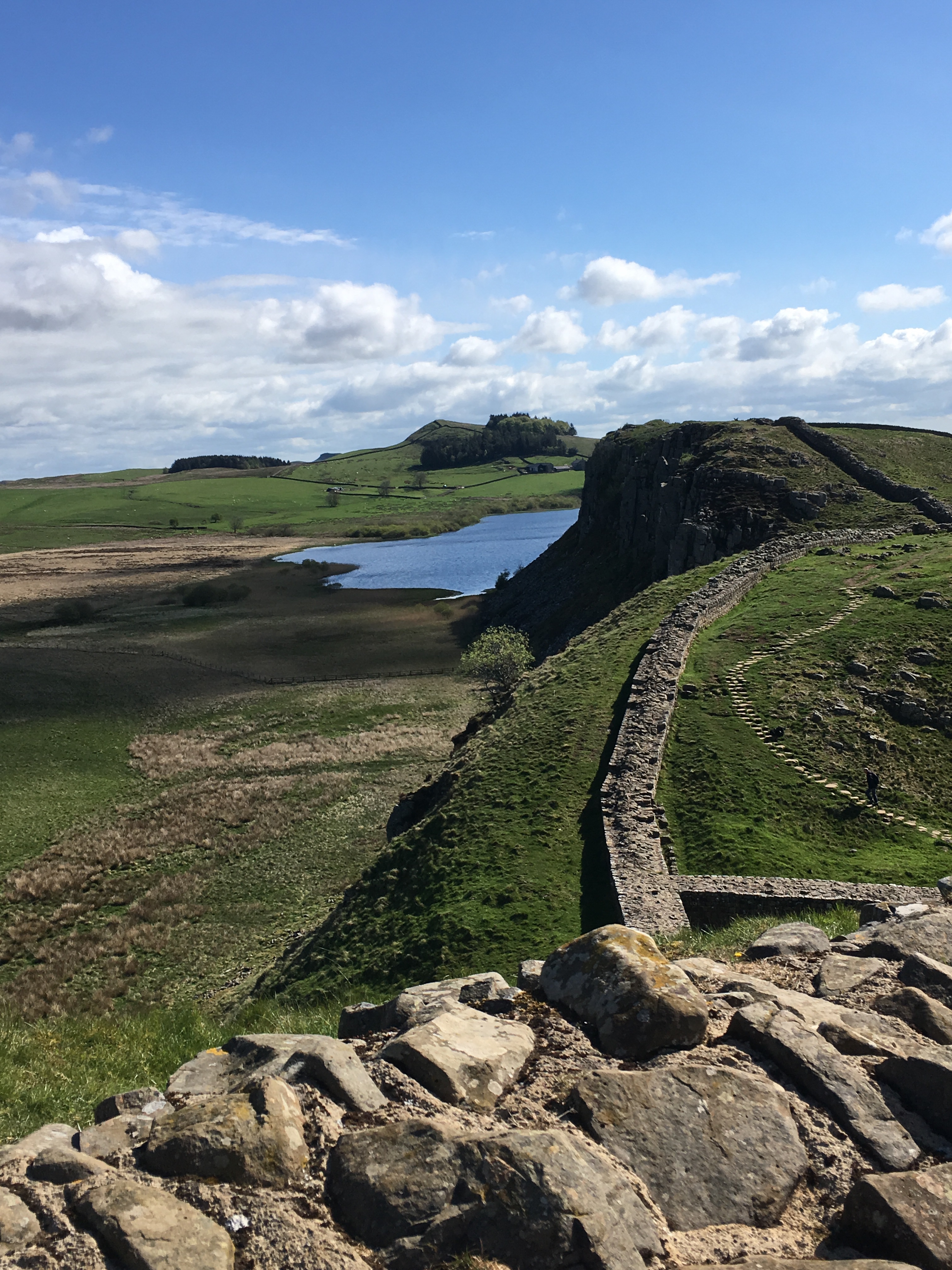
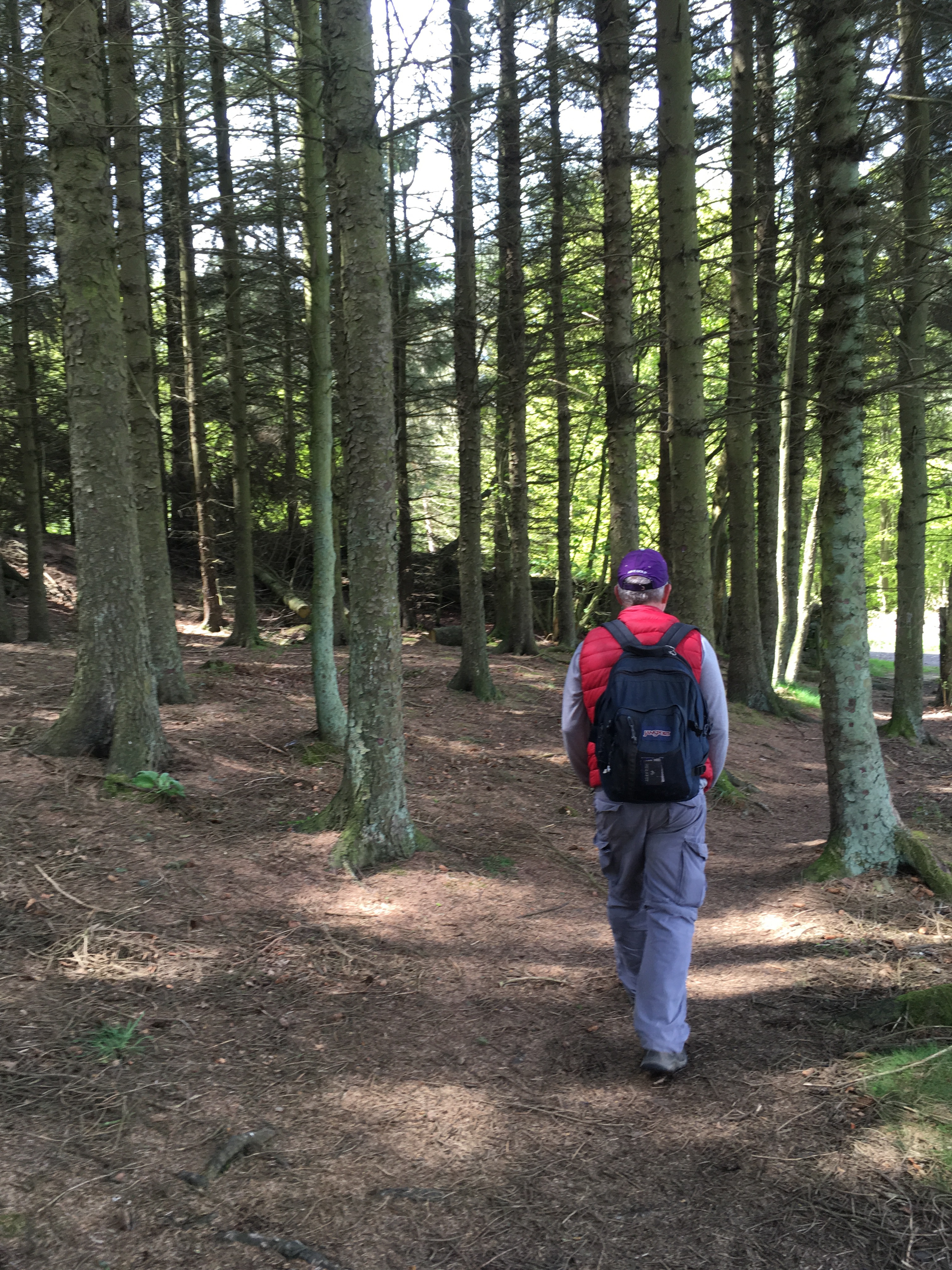
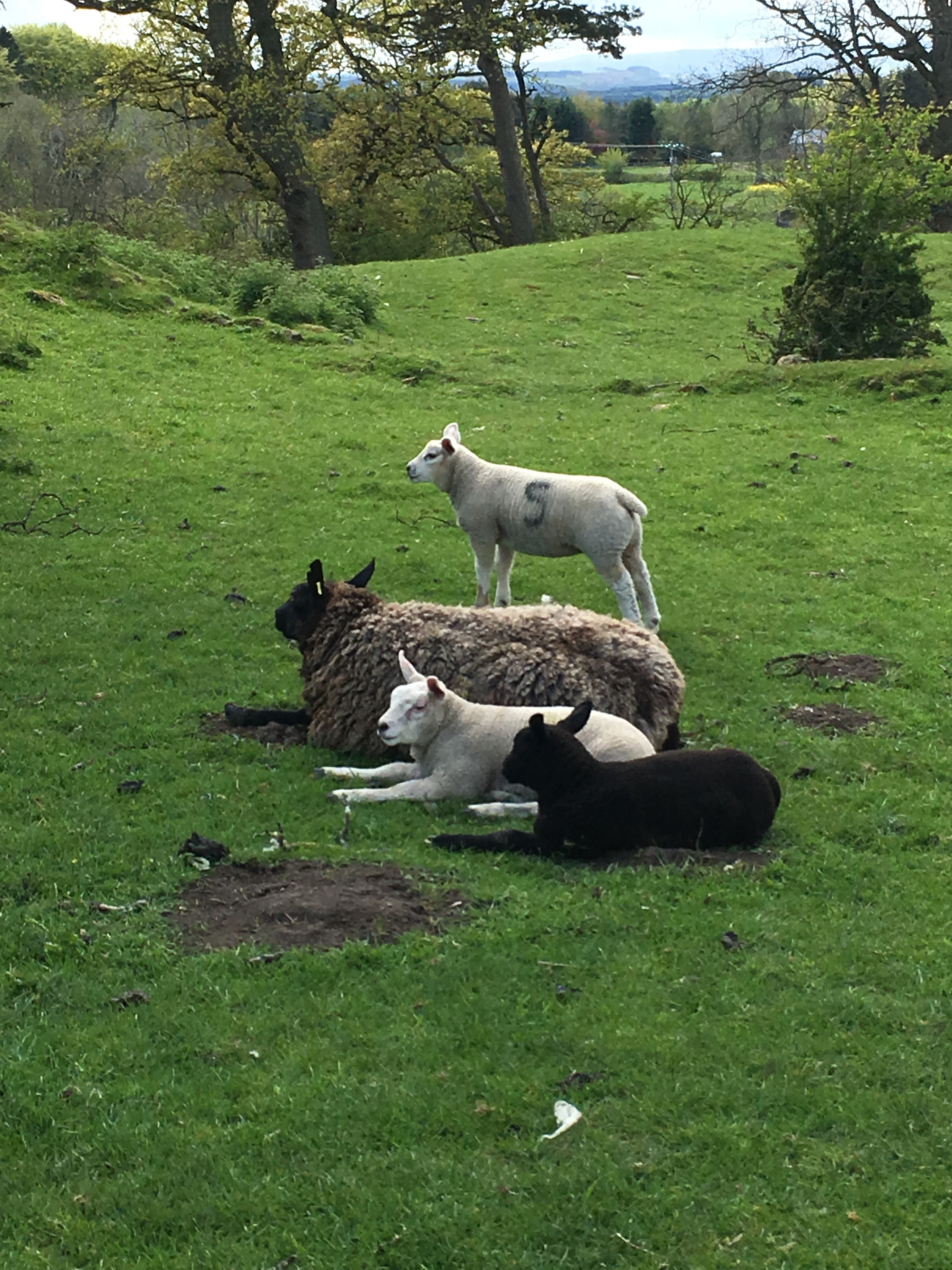
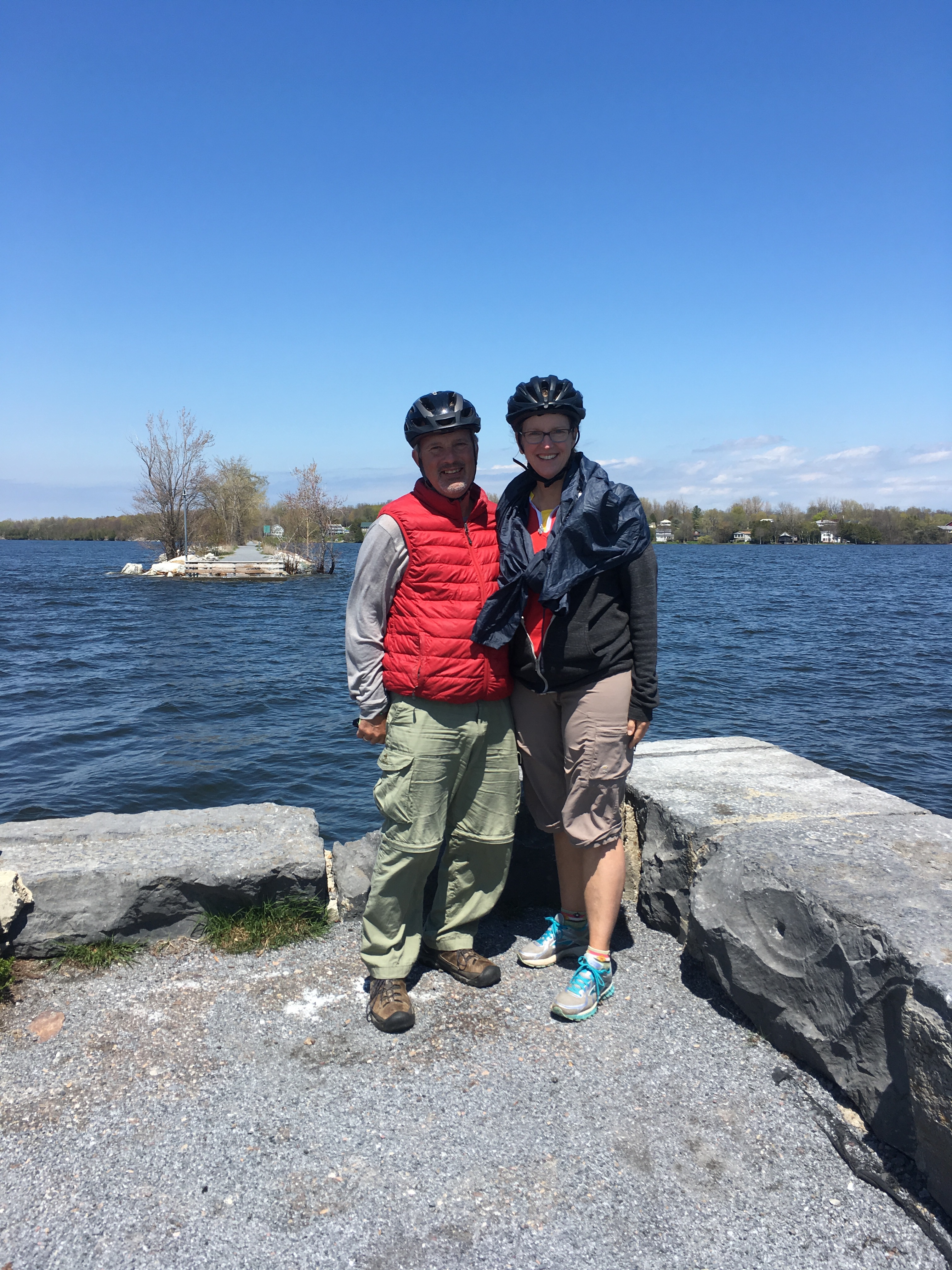
After a few days we headed up to Bowness on Solway to start our six day walk, west to east (mostly) on Hadrian’s Wall. We had set housing for the week which meant we didn’t have to carry our heavy packs, thank goodness! But it did involve some transportation coordination from the beginning and ending of each days walk, which could get complicated. We took buses, we used Brian’s car, a taxi and we even hitchhiked once. The walk was beautiful and peaceful with very interesting history. The scenery in northern England is incredible, hilly in spots but great views North into Scotland and south into the Lakes District. We walked through many pastures of cows and sheep, it was lambing season. We had all kinds of weather including hail but we tucked into a pub to miss that. The rhythm of walking for multiple days felt good after so much fast paced travel, and we took our time.

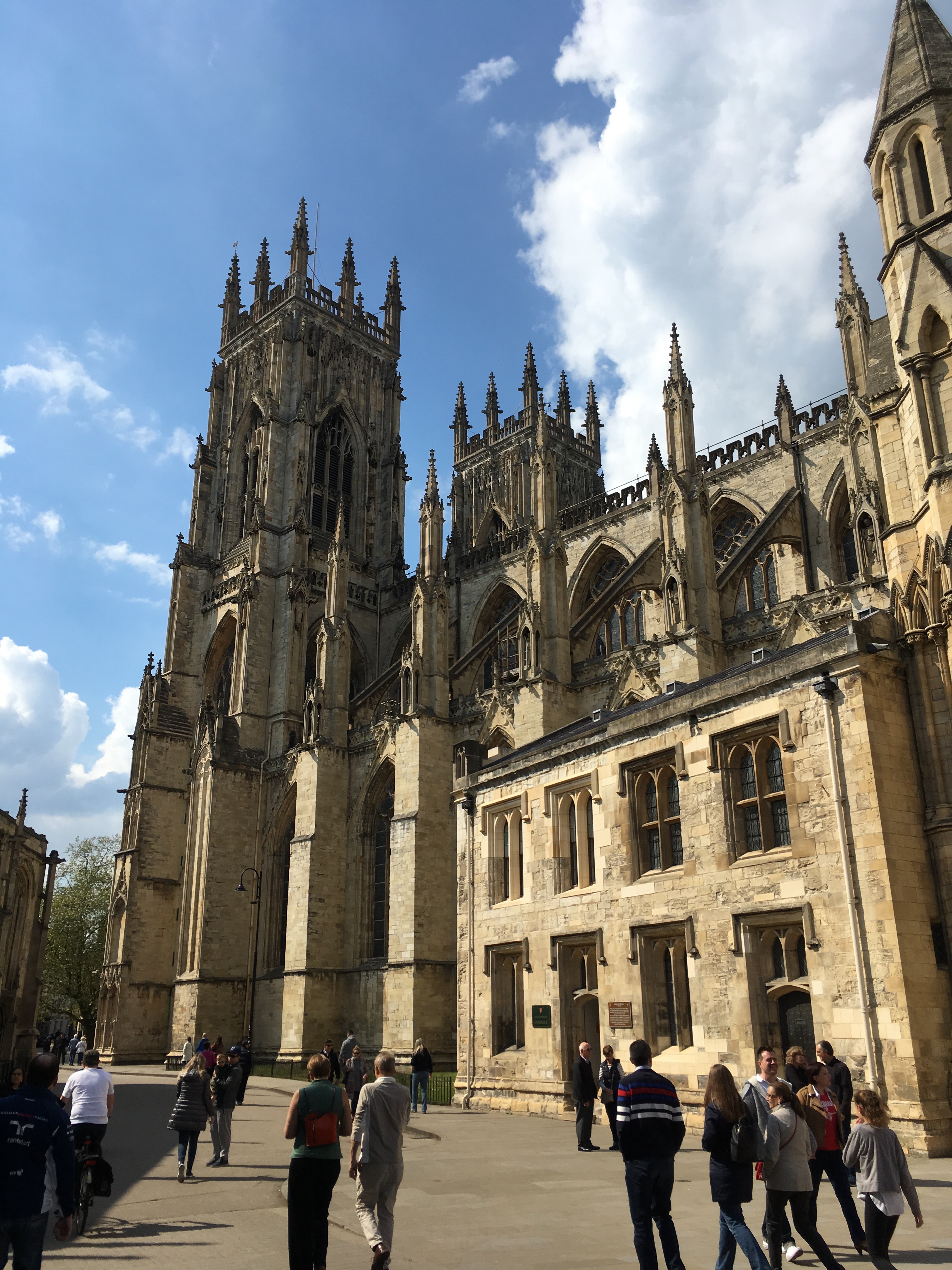
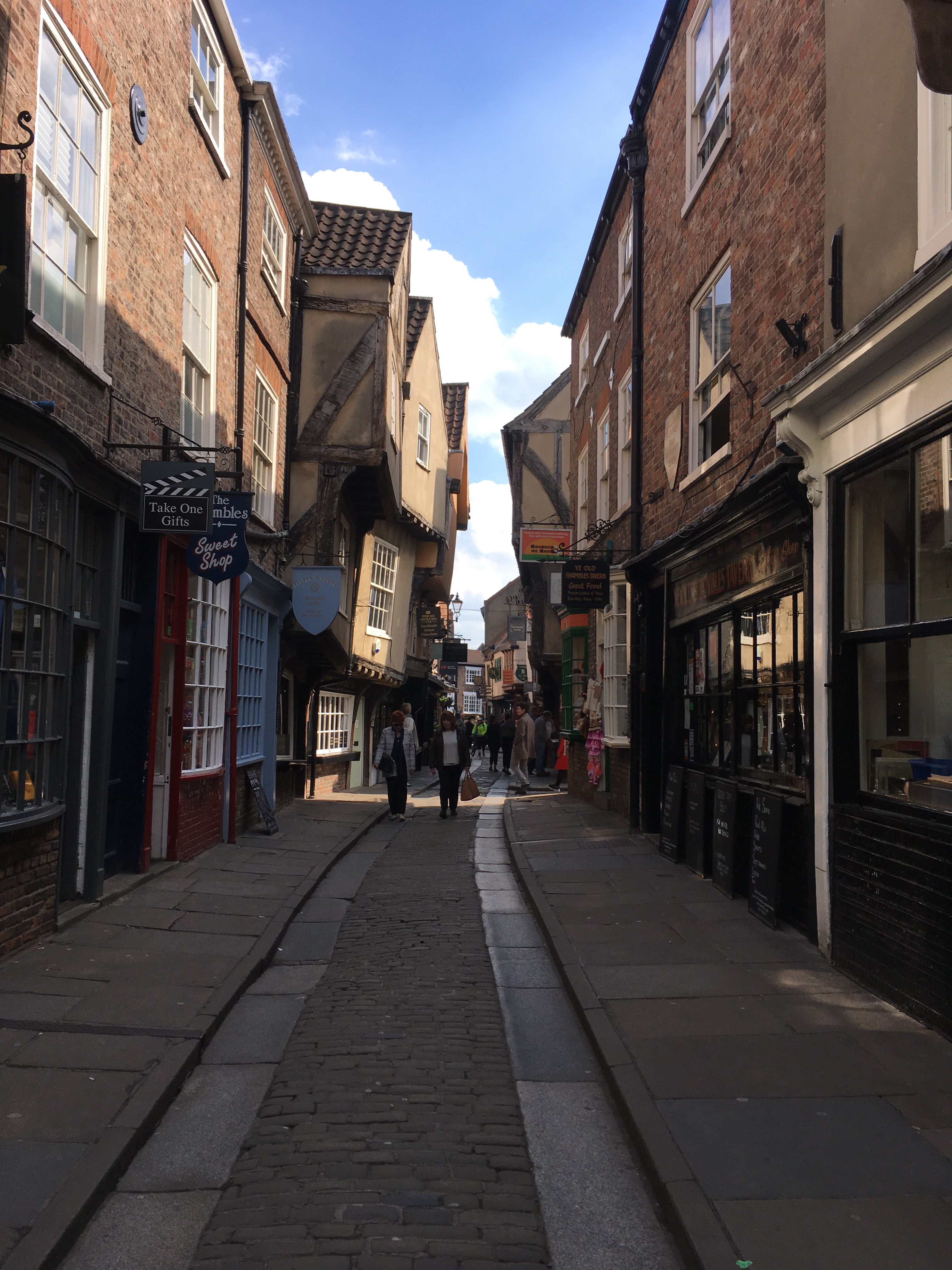
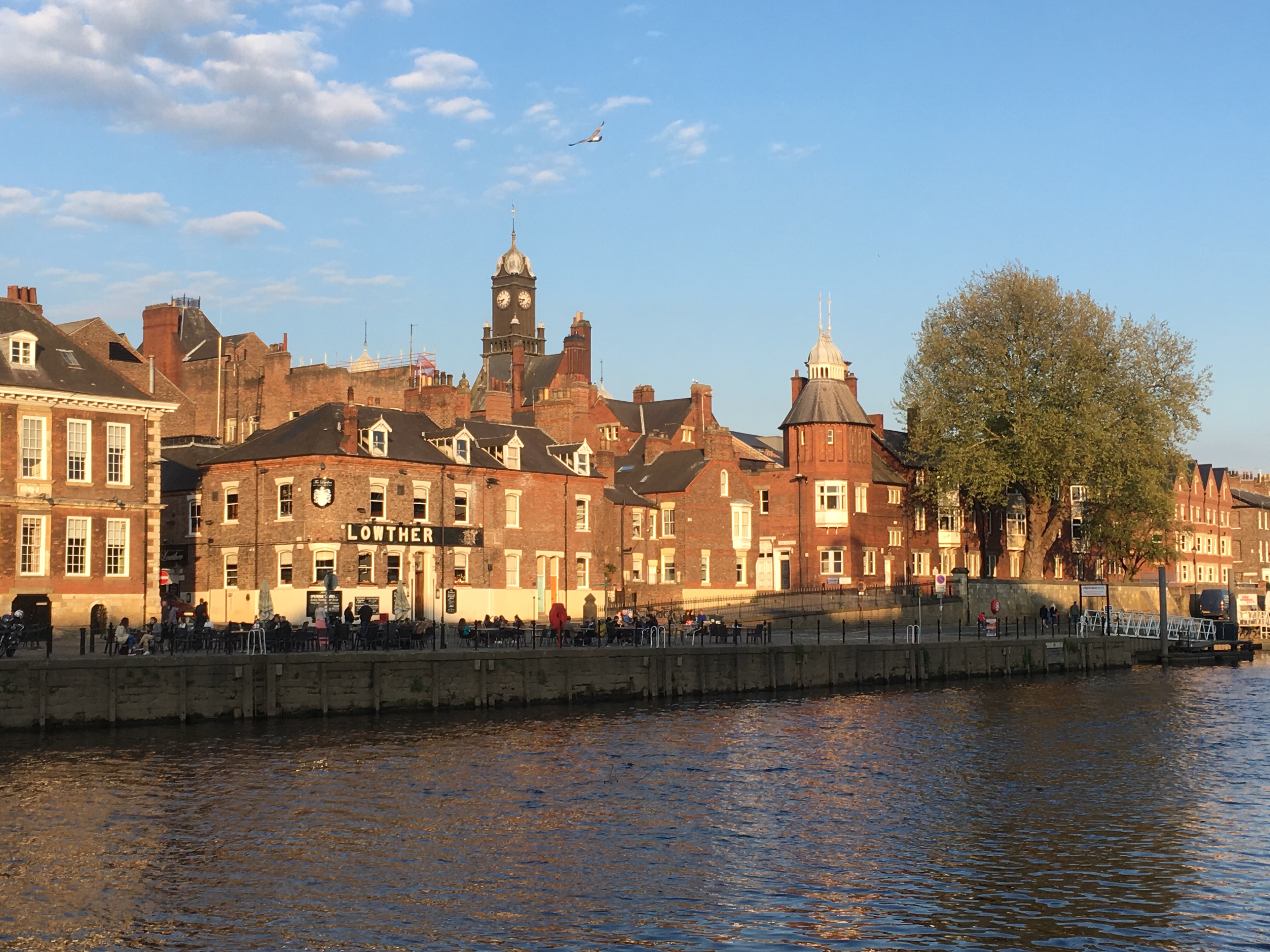
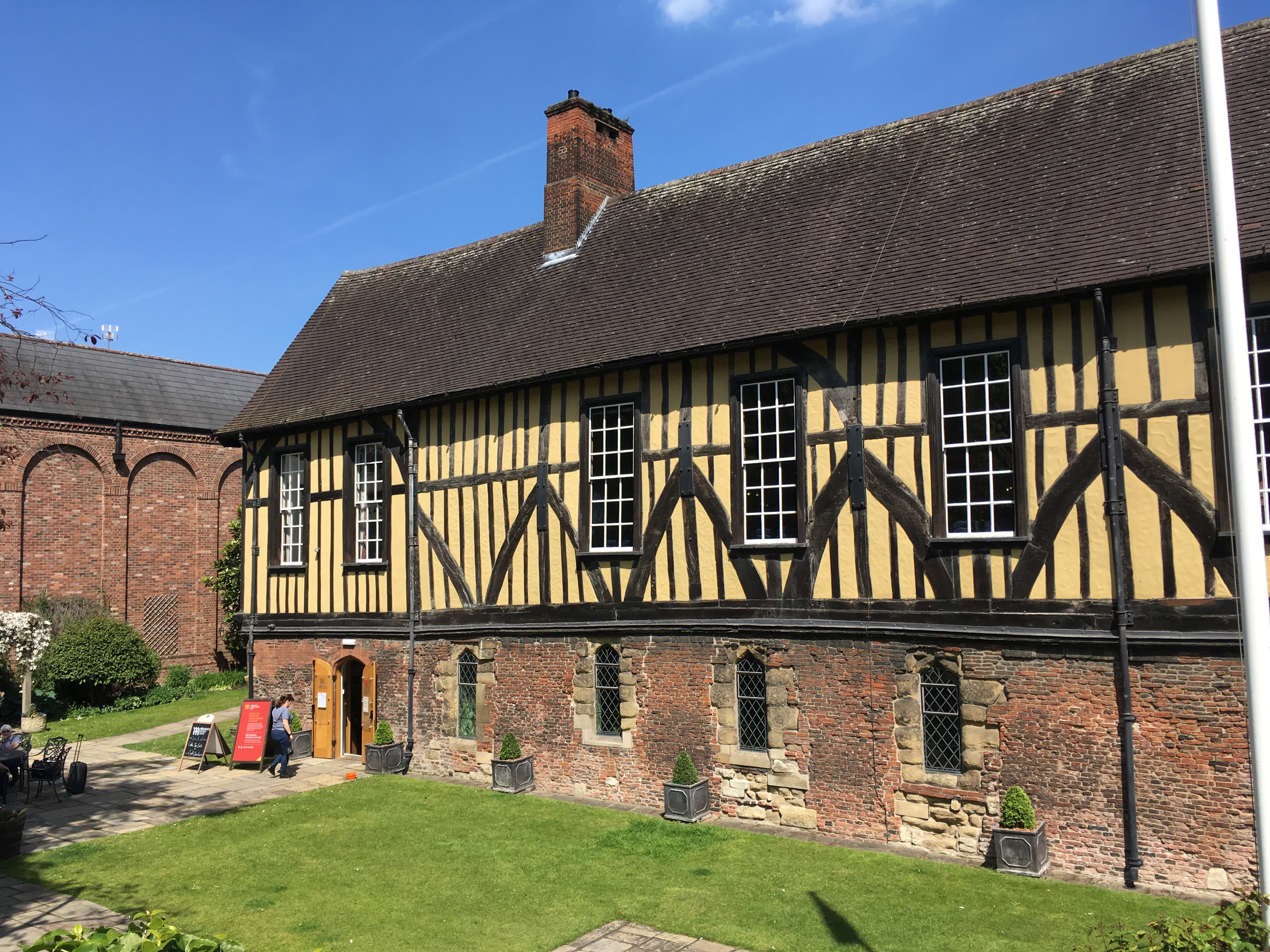
Jim and I added a day because Brian had to get back for another concert, life of the rich and famous. So all in all we completed about 60 miles of the wall, which was good enough for us. We then took a train down to York to visit the historic city and a few days of site-seeing. We walked the city wall, sipped tea, learned about some of the gruesome history and how the Harry Potter series got its inspiration for Dagon alley from here. After a few days we hopped on a train back to Manchester to have one more evening with Brian and a farewell bonfire in his backyard. It felt like a quick trip and there is so much more to explore and so much more walking to do, another time. The highlights definitely were visiting with our friend again and walking together.

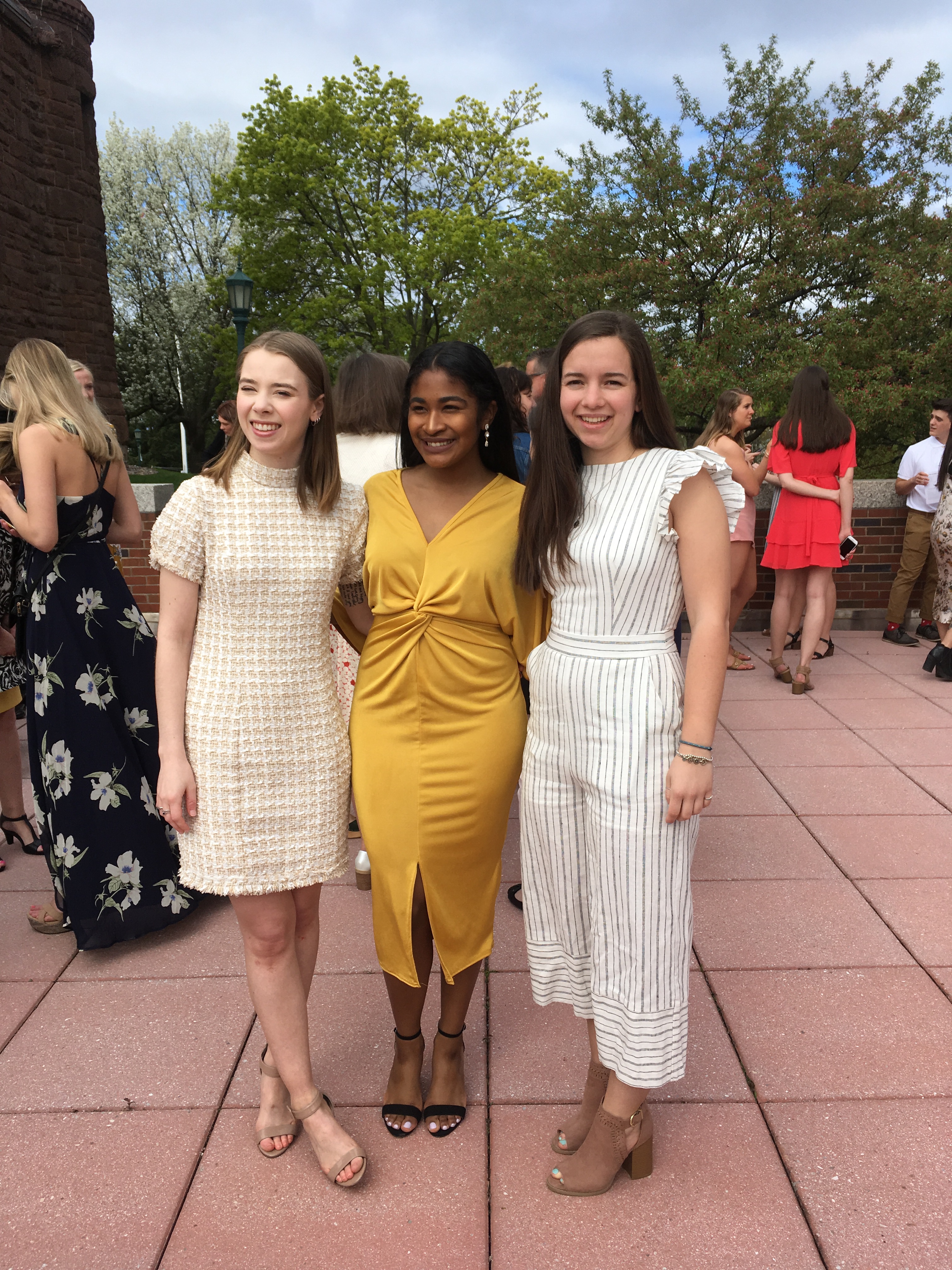
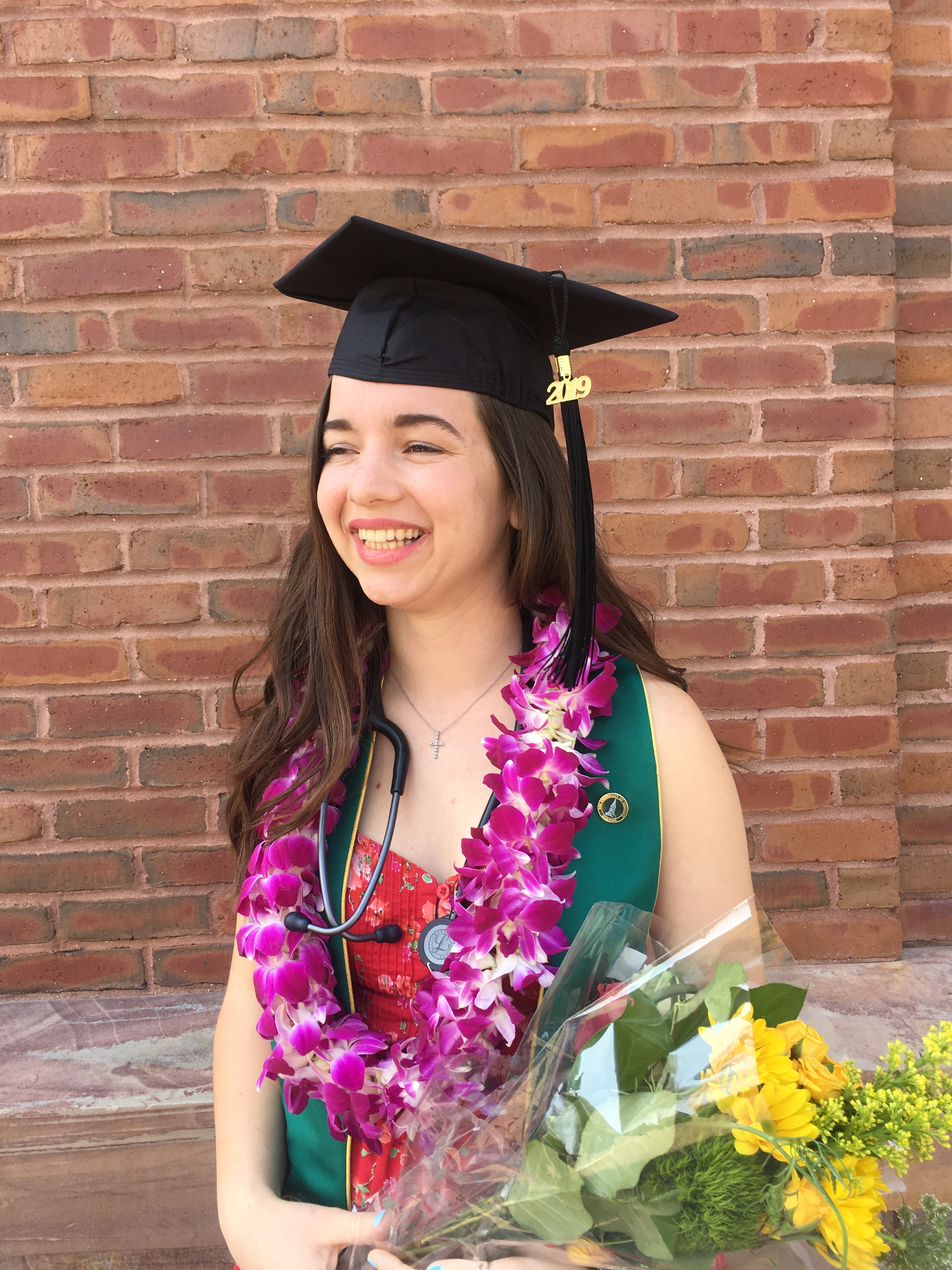
We left Manchester for two quick stops in the States. First we flew to Boston, rented a car and drove to Burlington, Vermont for Emily’s graduation. She finished nursing school and we celebrated over a long weekend, including her best friend Morgan who flew out to join the party. Burlington is a nice, little city. It reminds me of Seattle in some ways with all the microbrews, cafes, good coffee, and street musicians, plus the lake and the mountains. It was a great visit and a festive occasion!

We then drove back to Boston, flew to Atlanta, rented a car and drove to Asheville, North Carolina to see my parents and my youngest daughter who goes to school there. We had six days to catch up with everyone including meeting my nephews wife and brand new baby. That makes me a great aunt for the second time! We ate southern barbecue, went to my daughters house warming party, and attended a pig roast to see another Camino friend. We also rested, drank coffee of course, and spent time with family. It was perfect.

It was good to reset our batteries back “home” for a little while before leaving on our last leg of this adventure.

Ecuador, Peru, and Columbia

Here we come!

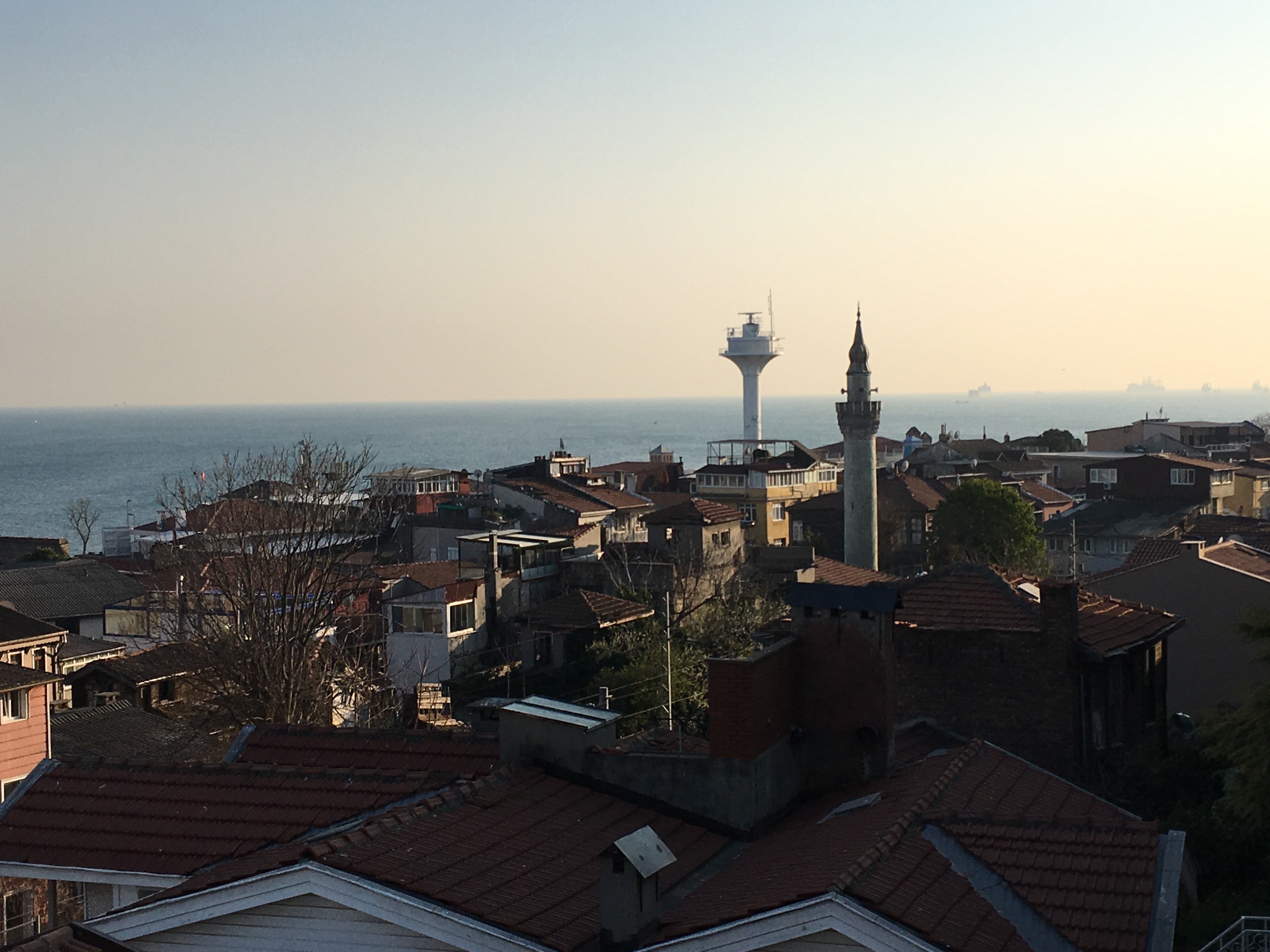
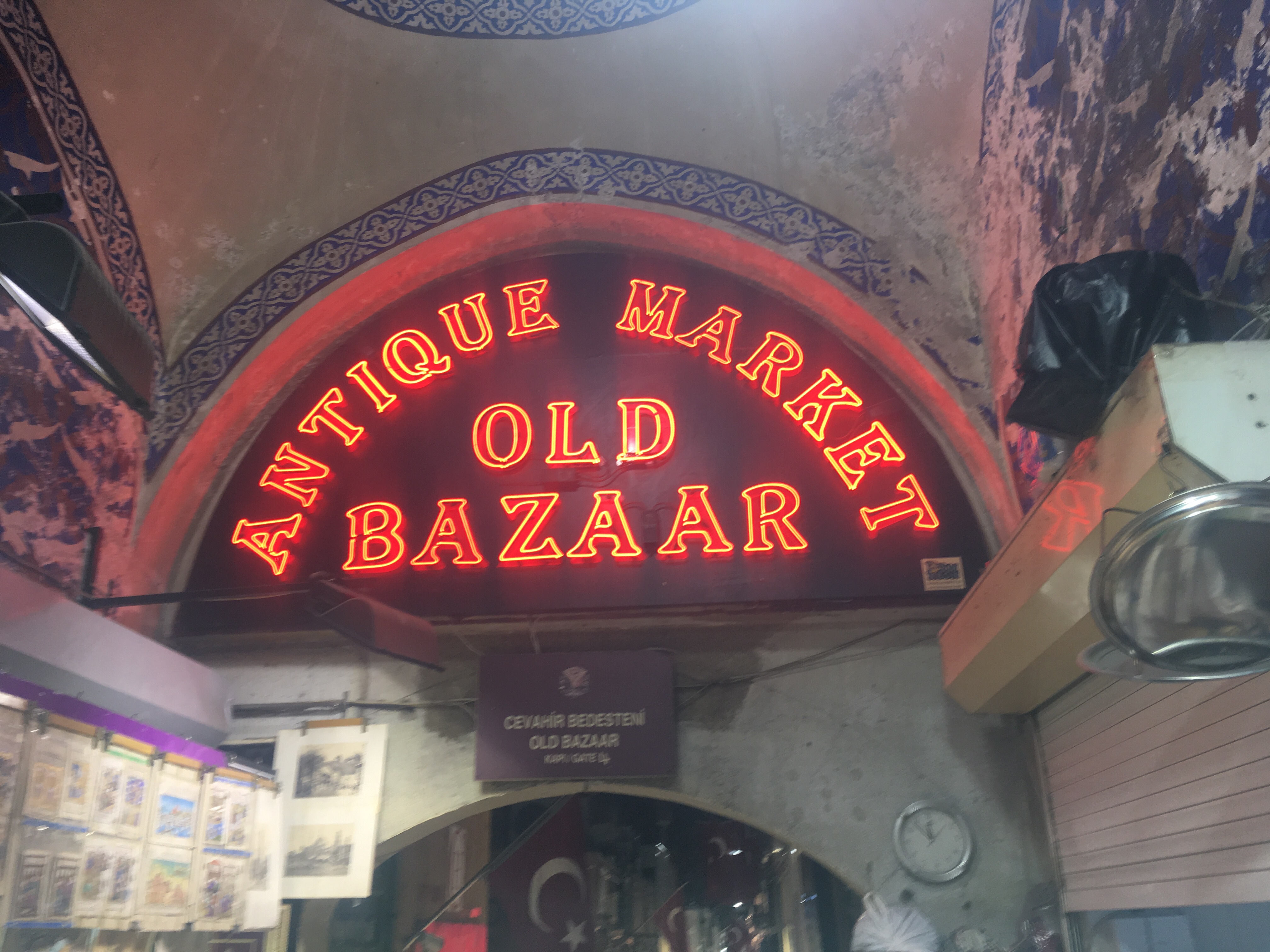
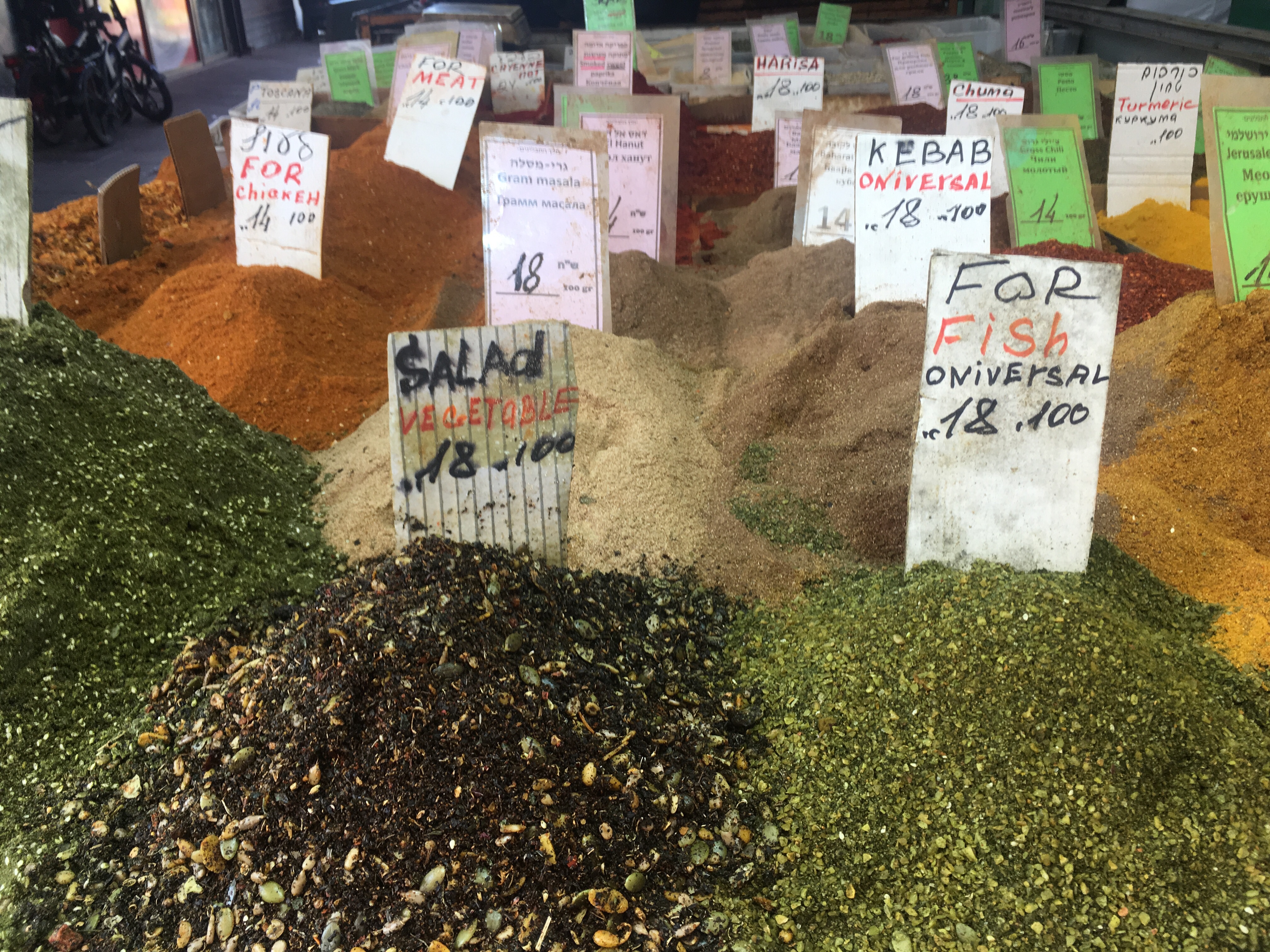
A Turkish Delight

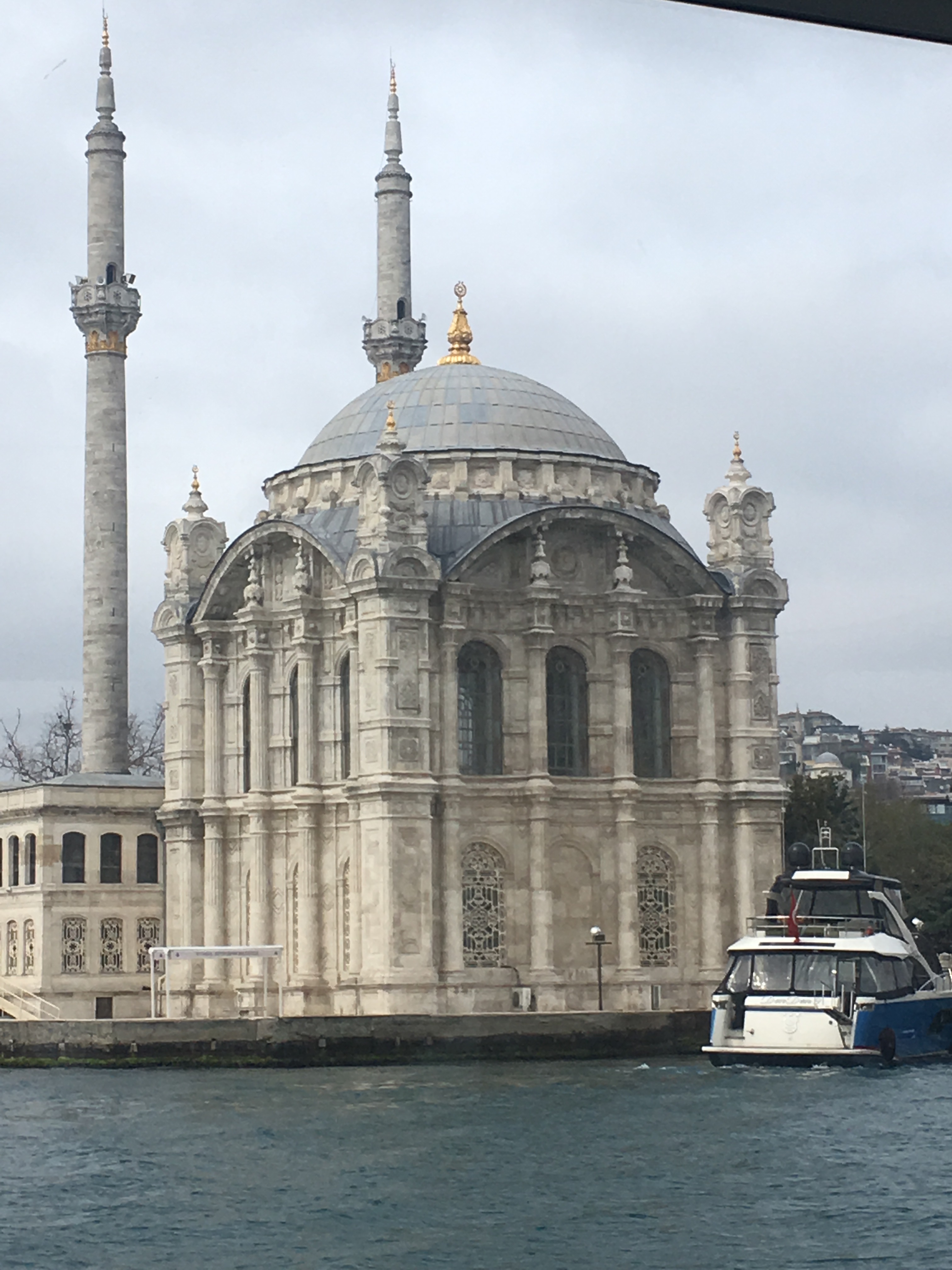
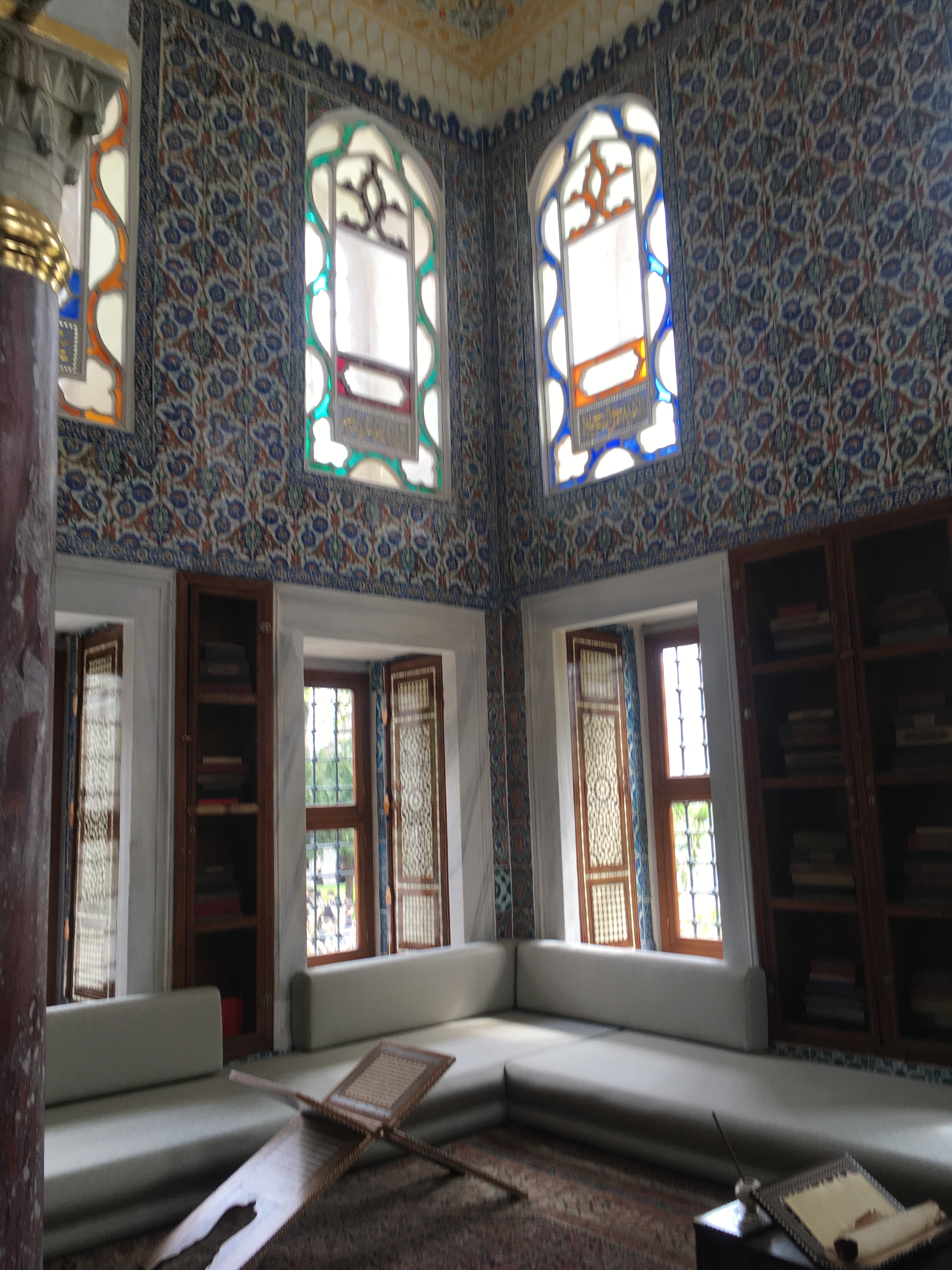
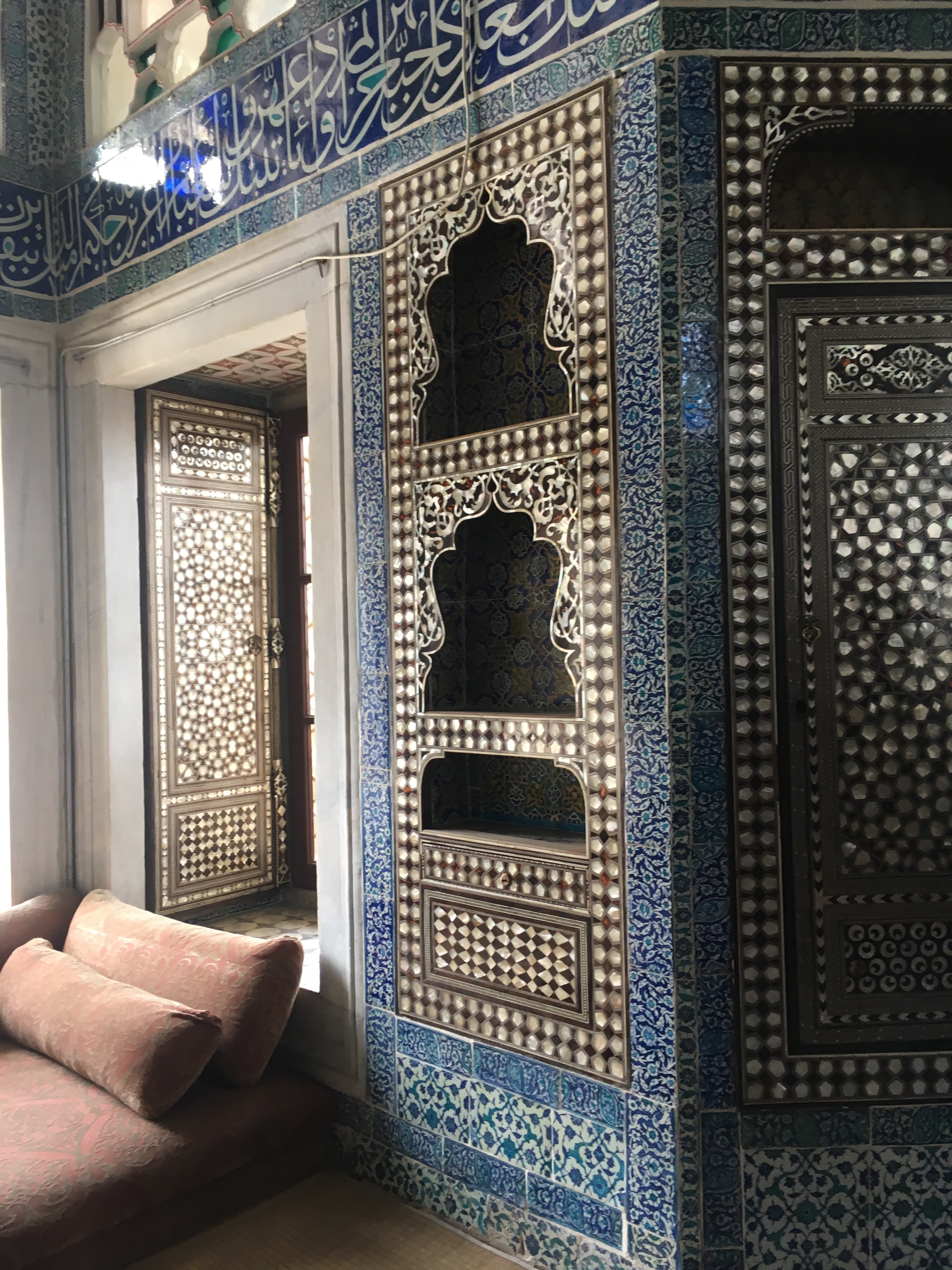
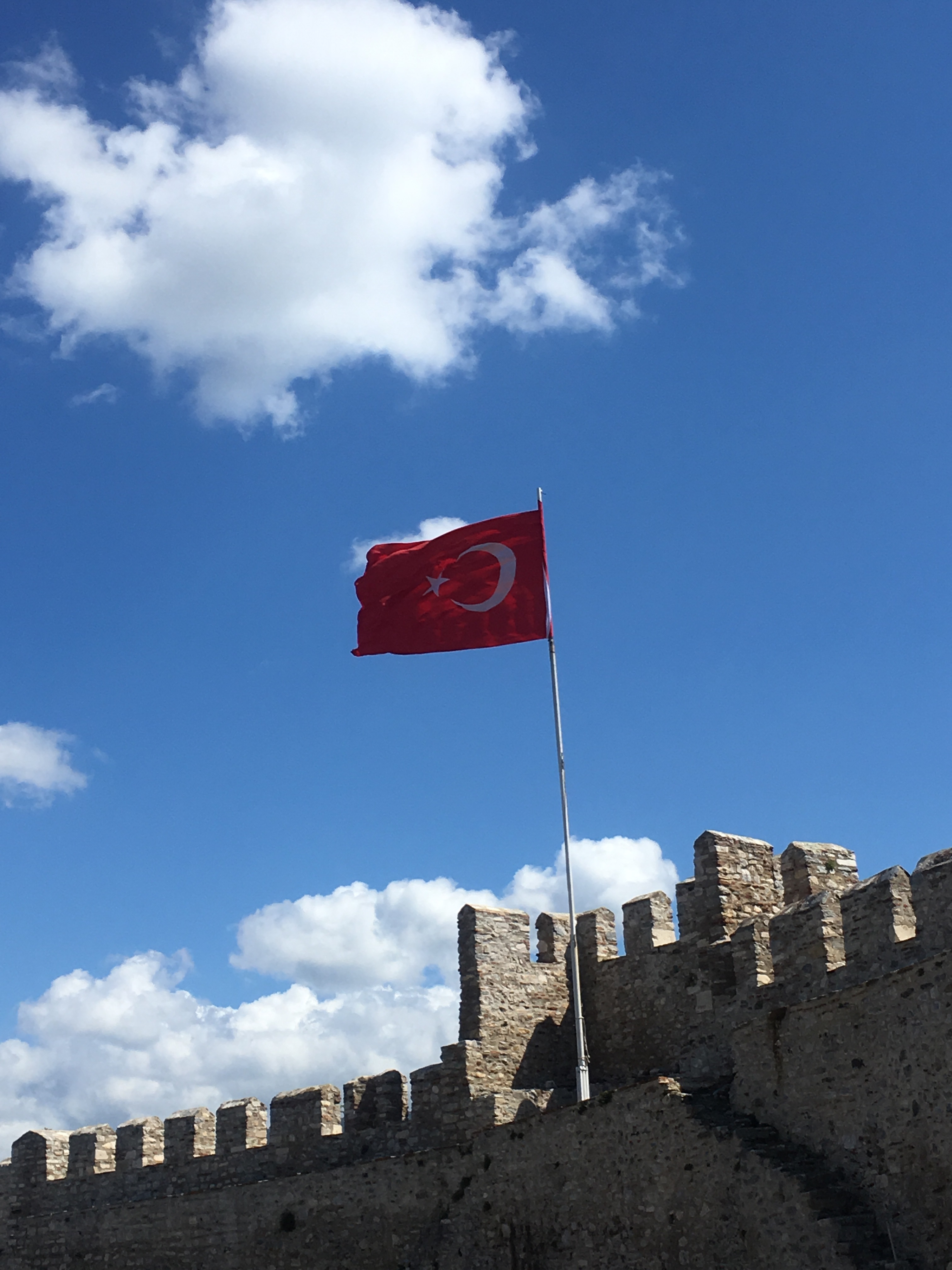
Turkey was incredible. I had no idea what to expect. I had heard about Istanbul and the spice markets and beautifully tiled mosques. That was only the beginning, it was all that and so much more.

Let me give you a little view into how we plan each leg our our trip. About two weeks before a new country we mention to each other in passing that we should probably start planning for the next country. Then we put it off for another week because we are trying to soak in all we can about where we are presently. About three days before we get to our new country we get serious. We Google “0ne month itinerary in Turkey” and look for something that fits us. We compare a couple of sites together to get the not to miss places. We then come up with a loose schedule and consider the transportation options. We then start looking on Booking and Airbnb for places to stay. Hopefully we get the first half to 3/4 set in place before we arrive. We always check the cancellation policies in case something comes up after we arrive. If we are lucky we have a connection to someone in that country who can provide insider tips. That’s how we planned Turkey.

-Start and end in Istanbul.

-Rent a car after Istanbul to travel around the country.

-Visit 12 different locations.

-Start in Istanbul and travel counterclockwise following western and southern coast along Mediterranean Sea then cut back inland northeast to the center of the country and finally continue northwest back to Istanbul. 2400 miles!

There are many pluses to driving: 1. you can purchase more things and leave unneeded things in the car 2. you have a flexible time schedule 3. roads are great in Turkey 4. listen to books on CD for long stretches. I highly recommend Becoming by Michelle Obama.

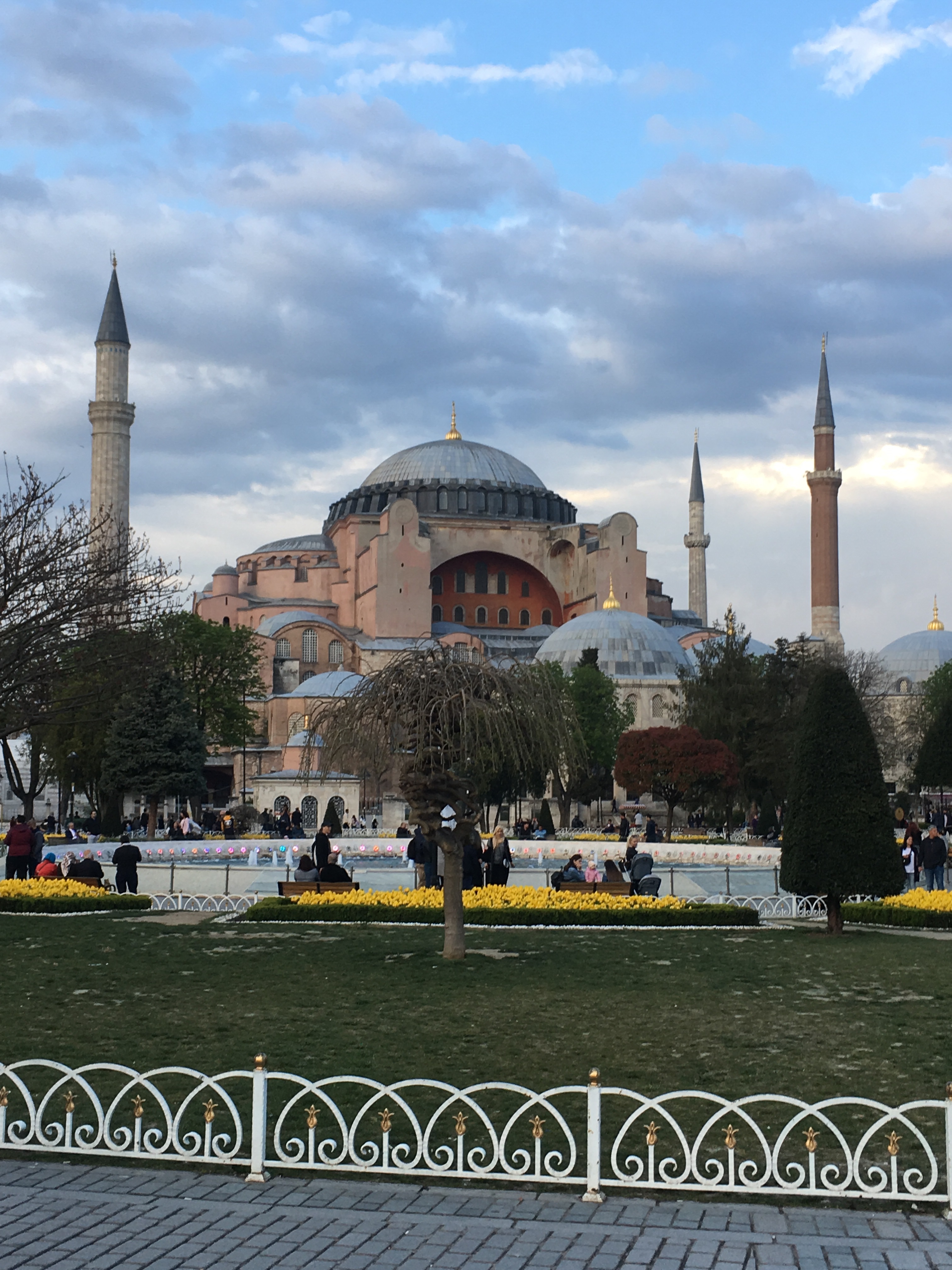
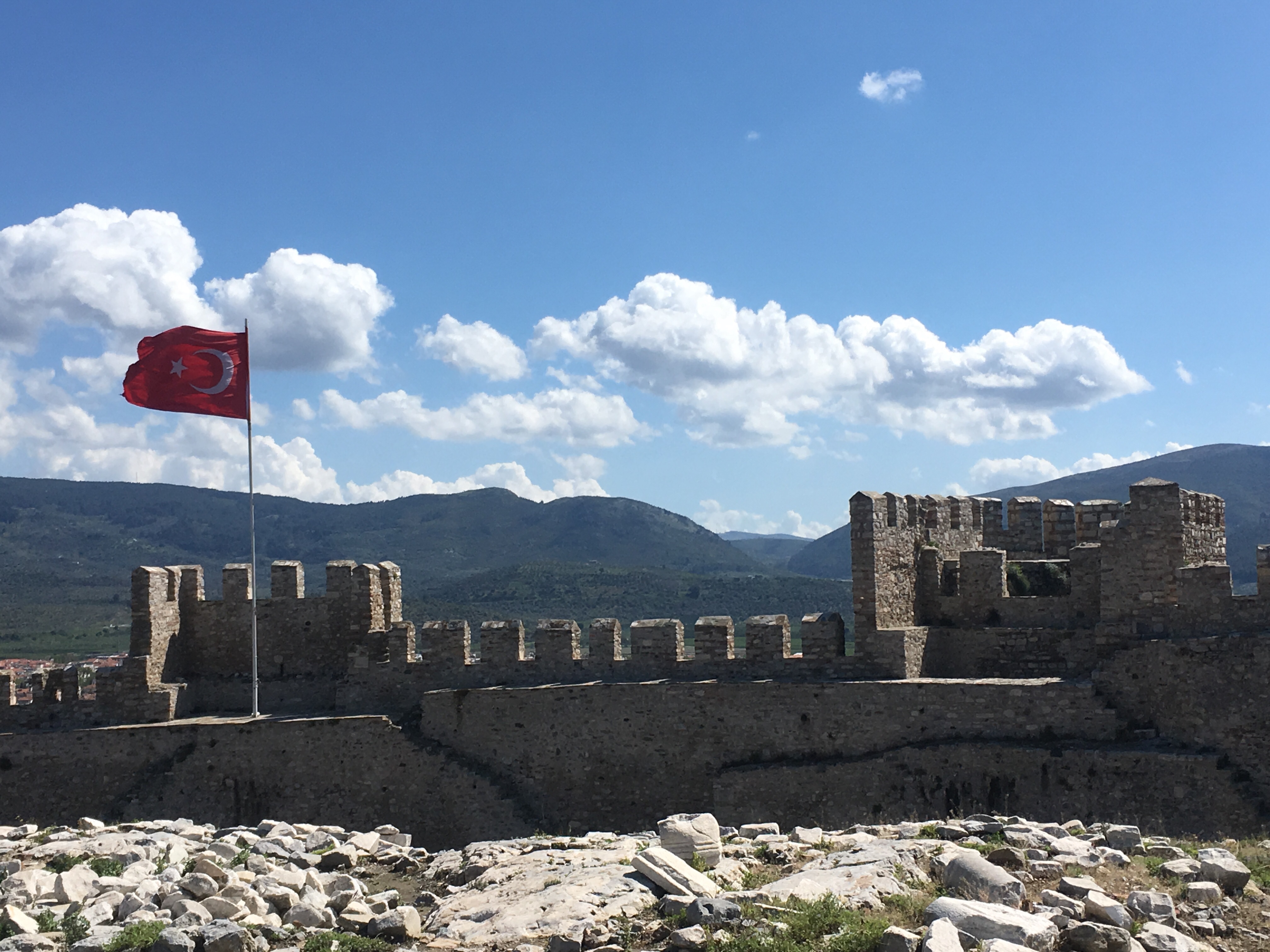
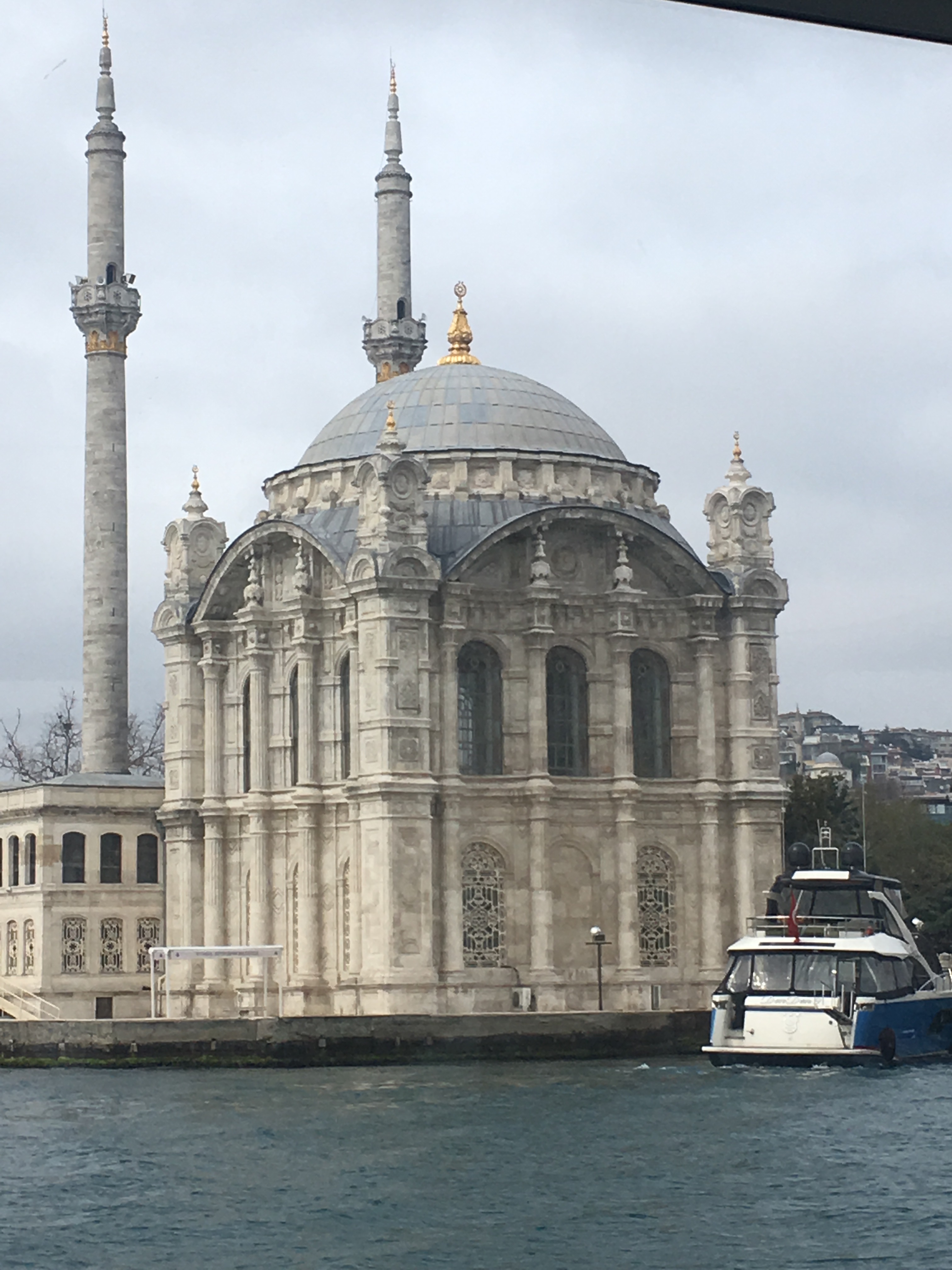
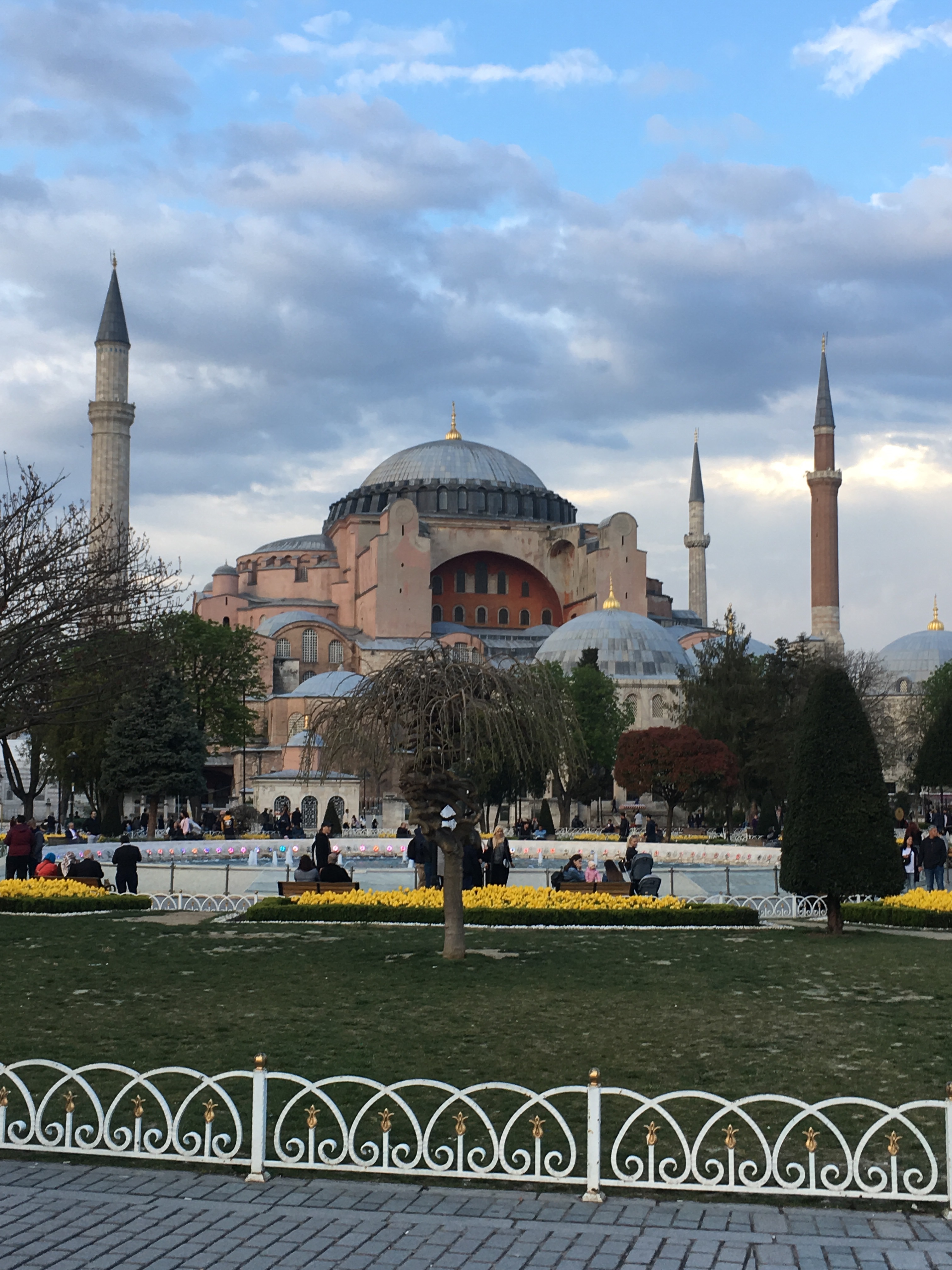
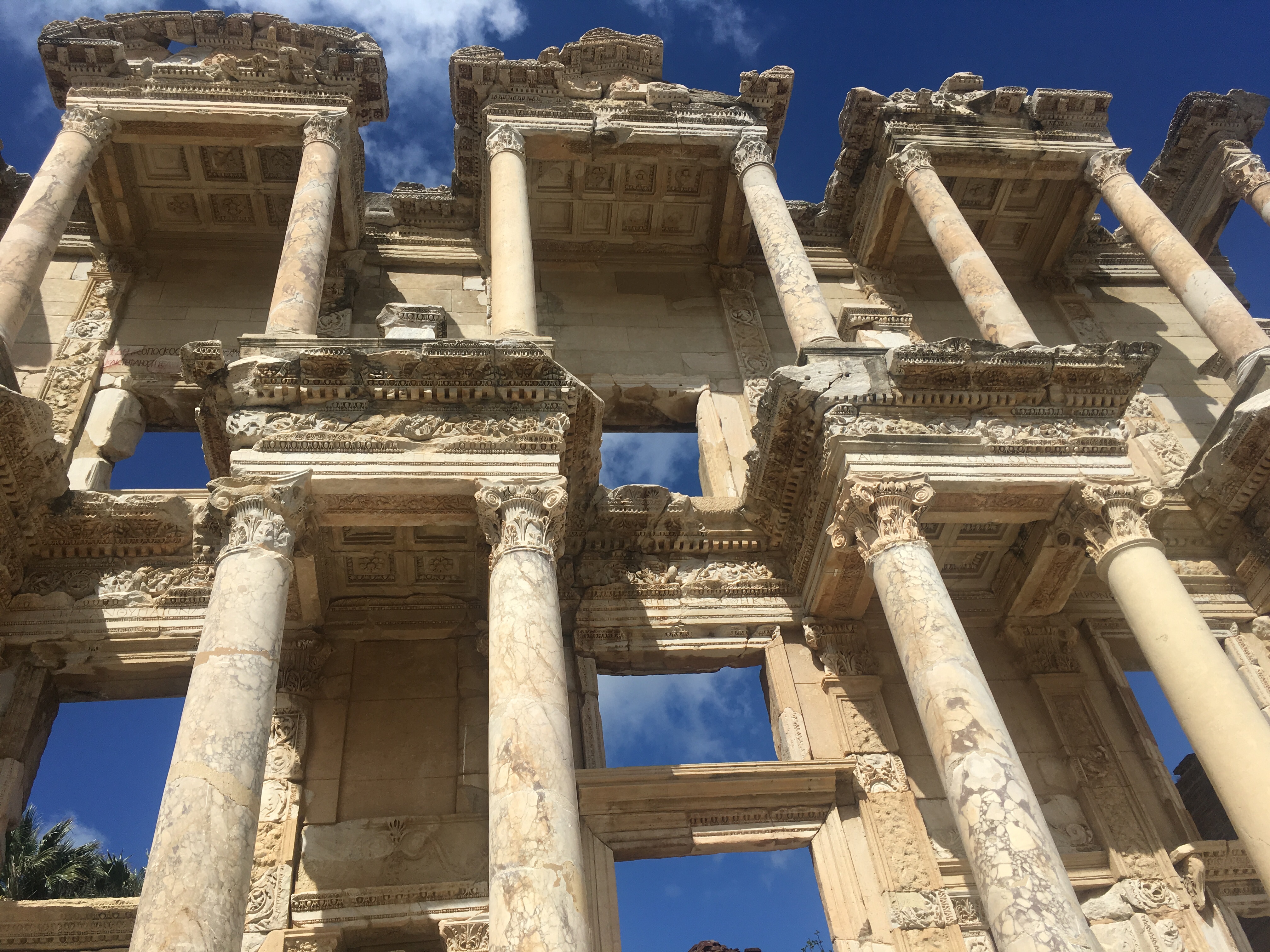
We loved it all. Istanbul was full of activity and life. We visited many historical sites and learned about the Roman, Byzantine, and Ottoman Empire’s. So much of it is still beautifully preserved and restored. I have never loved learning about history, sorry Dad, but seeing it firsthand made it come alive and seem real. We then drove to Selcuk to see Ephesus, another ancient city. Understanding the geography and the proximity to Egypt, Israel and Greece made it all make so much more sense.

One of the highlights of our trip was visiting my cousin and his wife in Urla. Their family has a home there. She grew up in Turkey and showed us around and introduced us to some of the history and culture of the country.

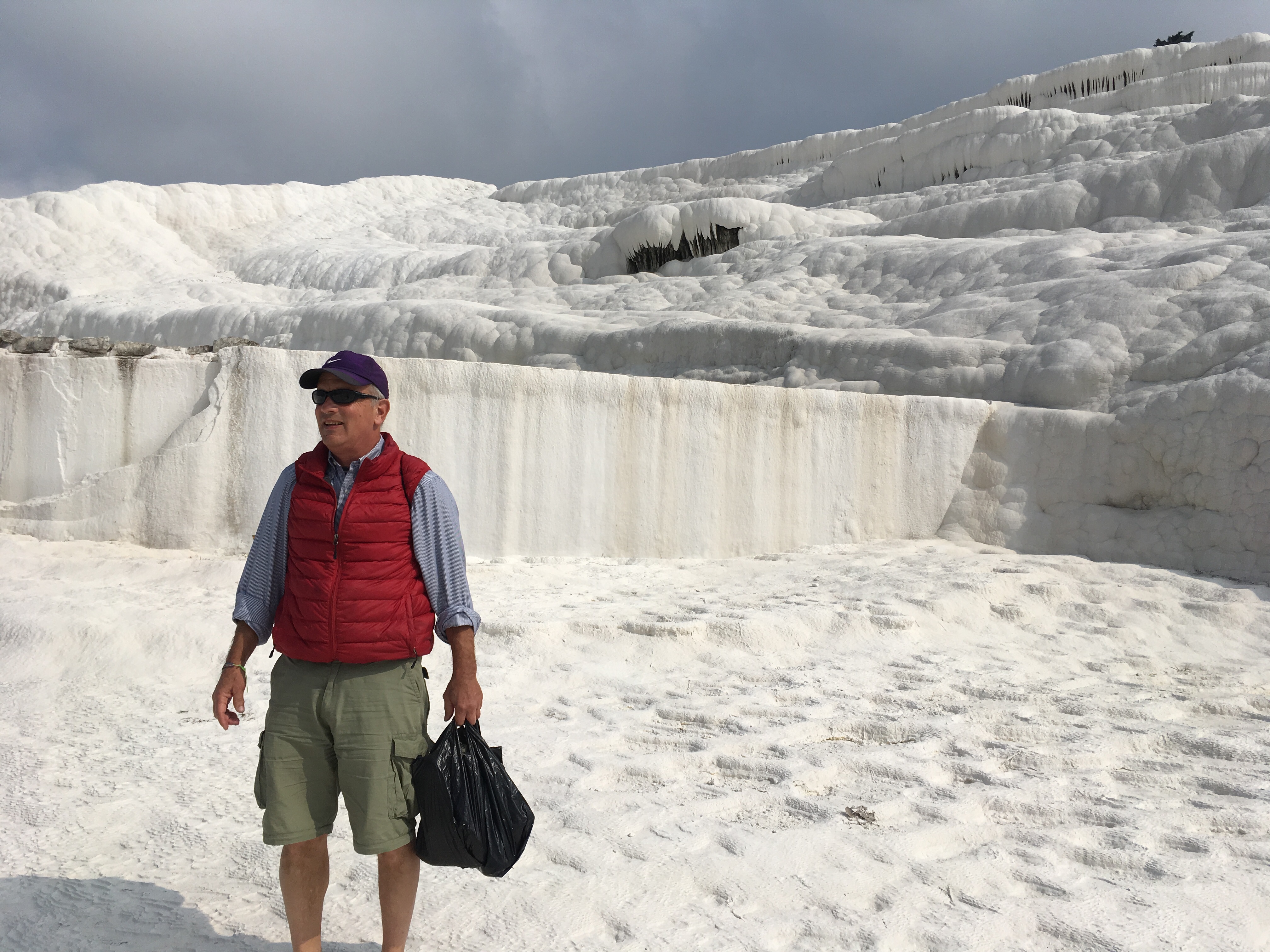
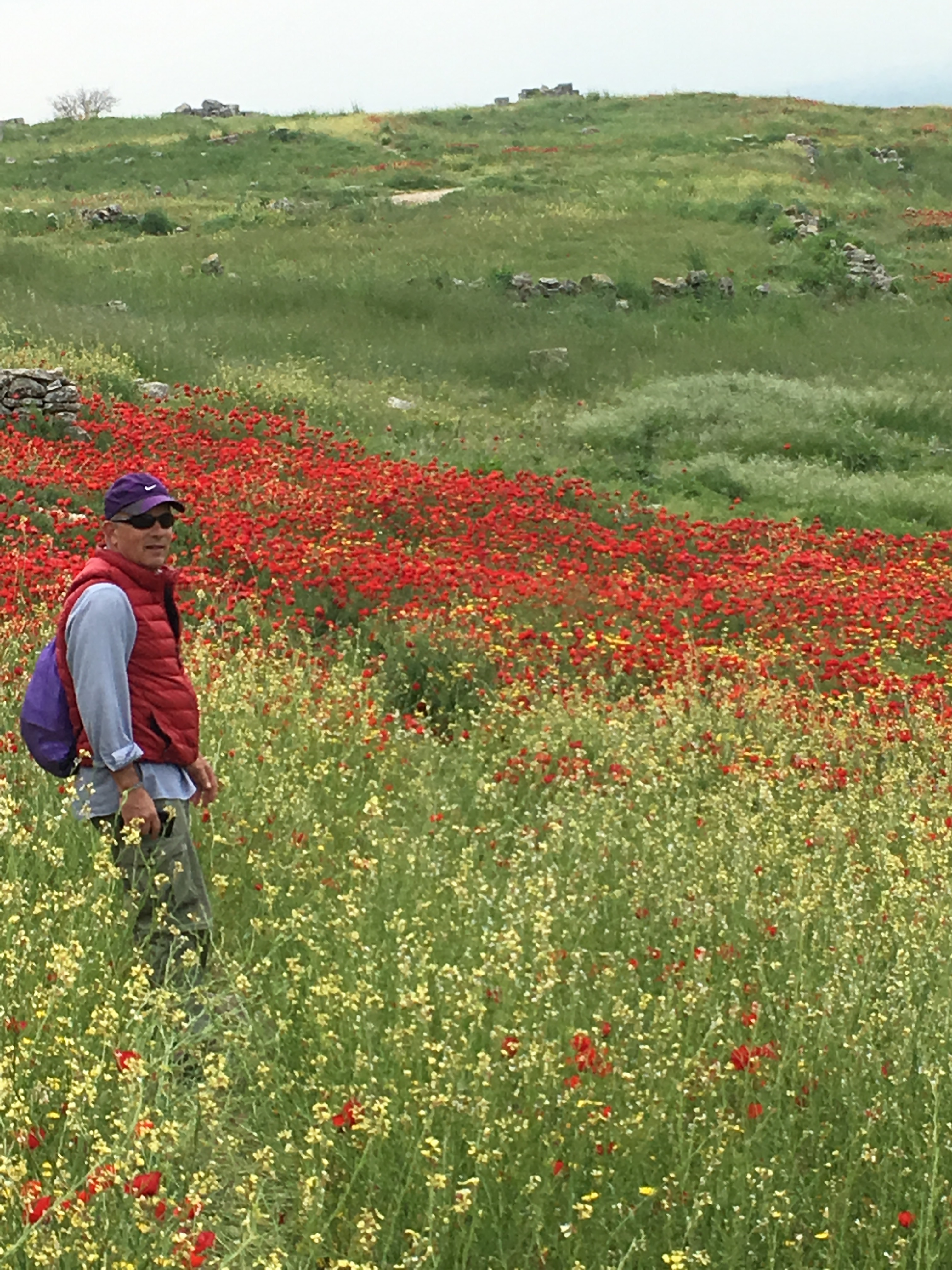
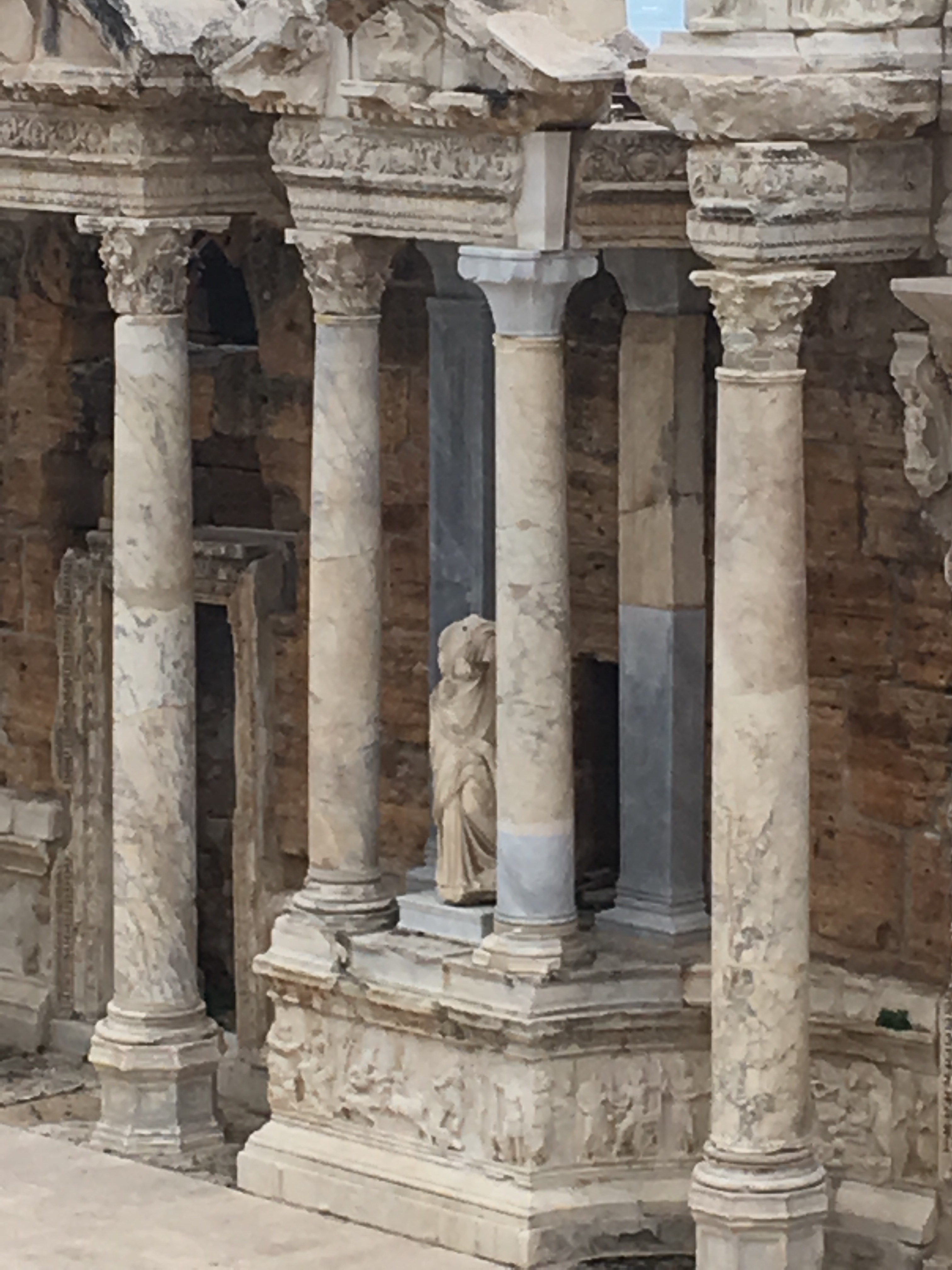
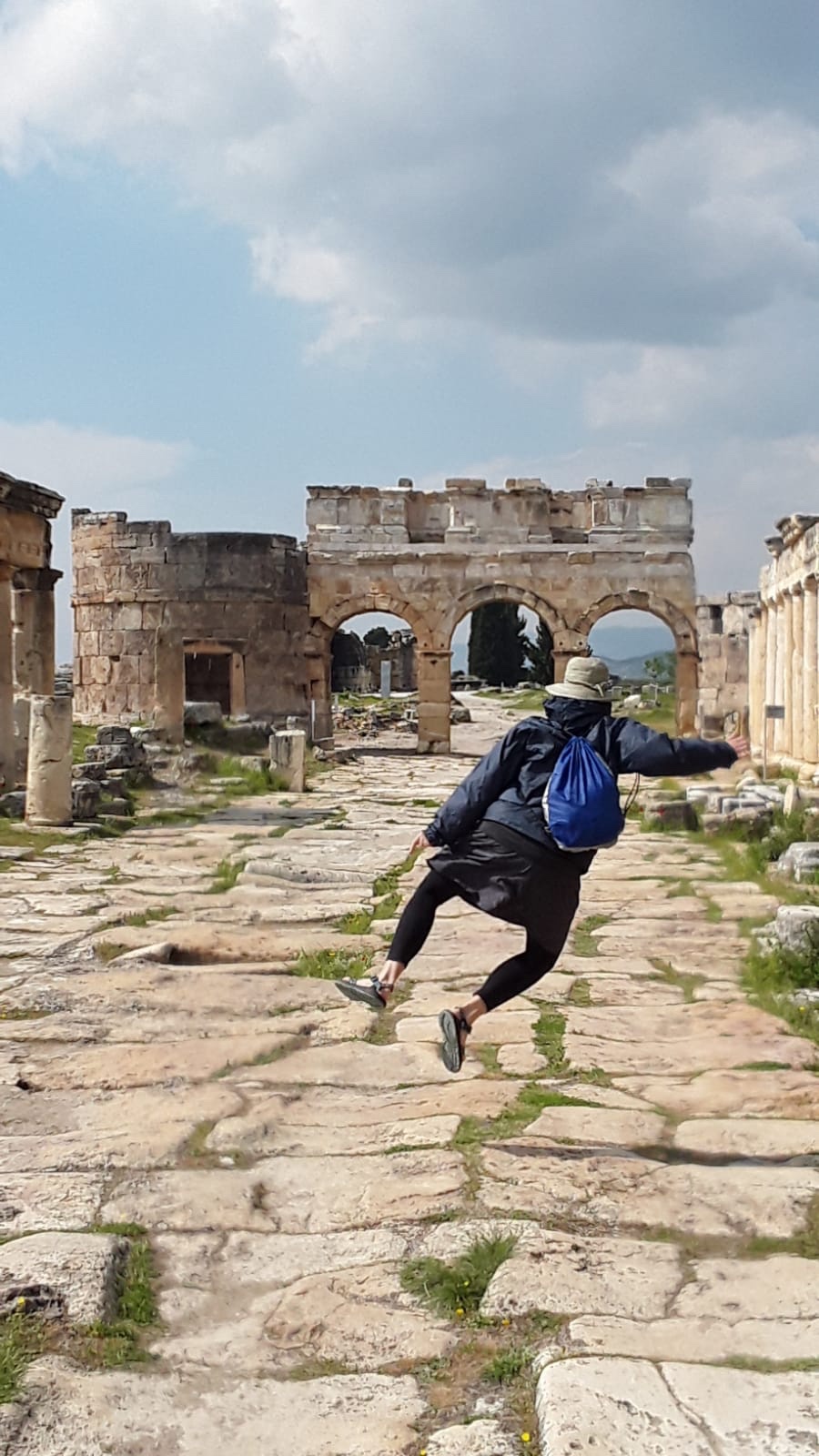
Before heading down the coast, we stopped off in Pammakale. This area has travertine rock formations created by mineral rich thermal waters. Also a Roman spa city founded around 190 BC. There were many tourists but we were glad we visited.

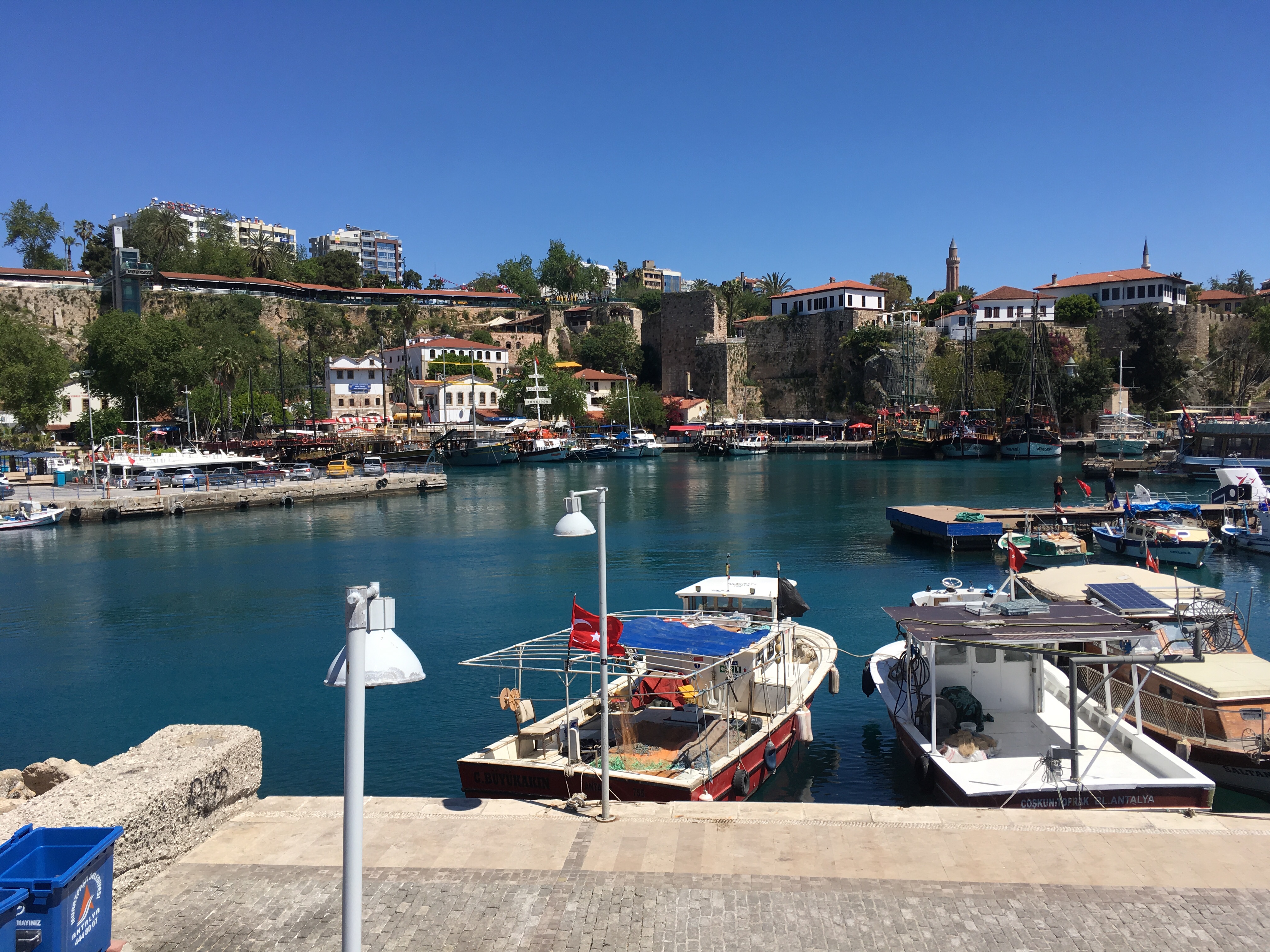
The Mediterranean coast is filled with sweeping views and coastal fishing towns. In several towns we saw fishermen coming off their boats to sell their fish to the locals on the docks. One of our favorite cities was Kas. It was very picturesque. There were markets and fishing boats in the harbor, as well as mountains surrounding the city, and beautiful beaches. The Lycian way, which is a 340 mile hike that goes along the coast, comes right through this area.

After leaving Kas we went to Olympos, a town that has held onto the hippie tradition of the sixties known for their treehouses. We stayed in a sweet cottage amongst fragrant orange blossoms. It was owned by a delightful, quirky couple who made us a delicious dinner. We wished we could have stayed longer.

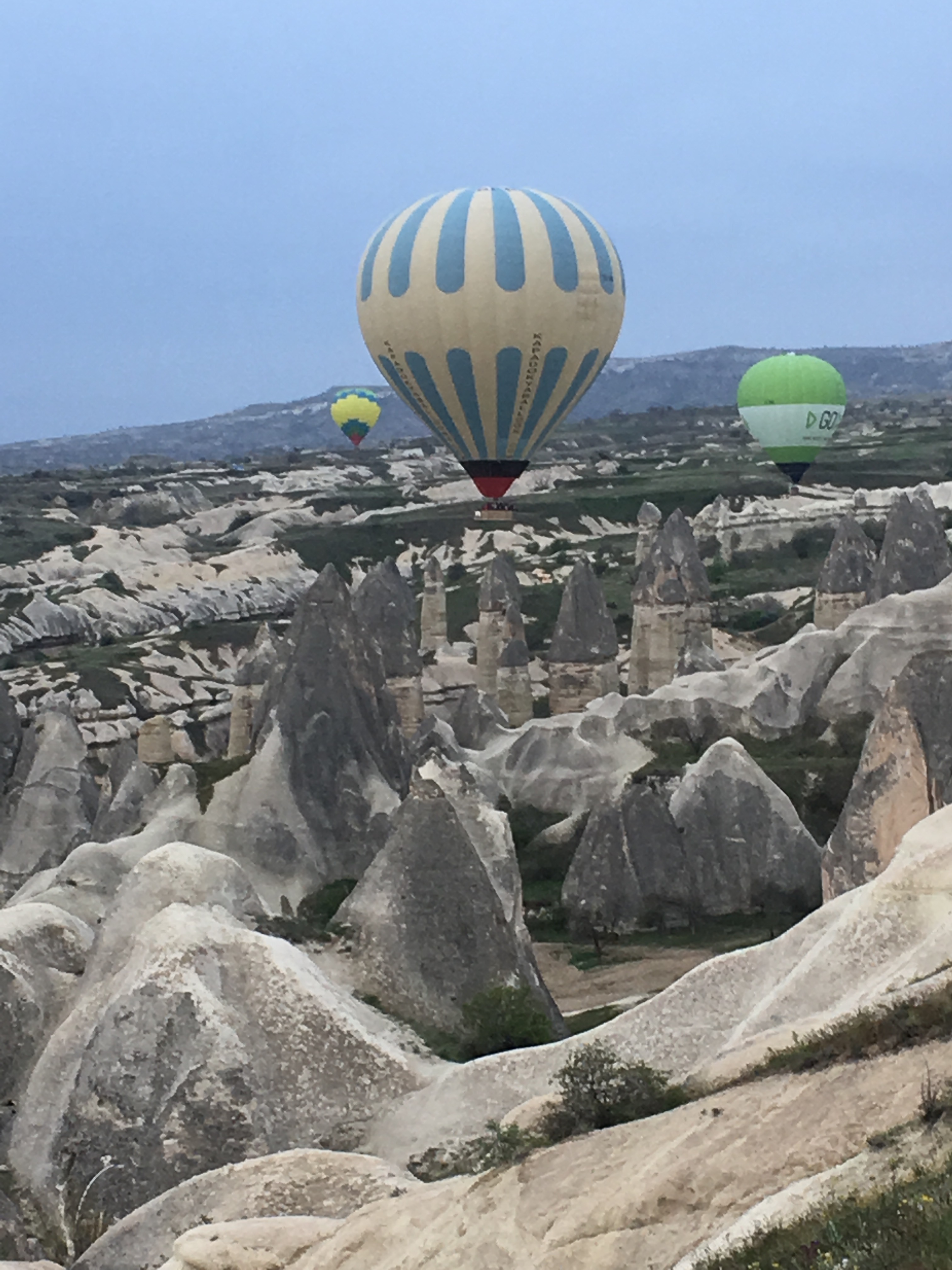
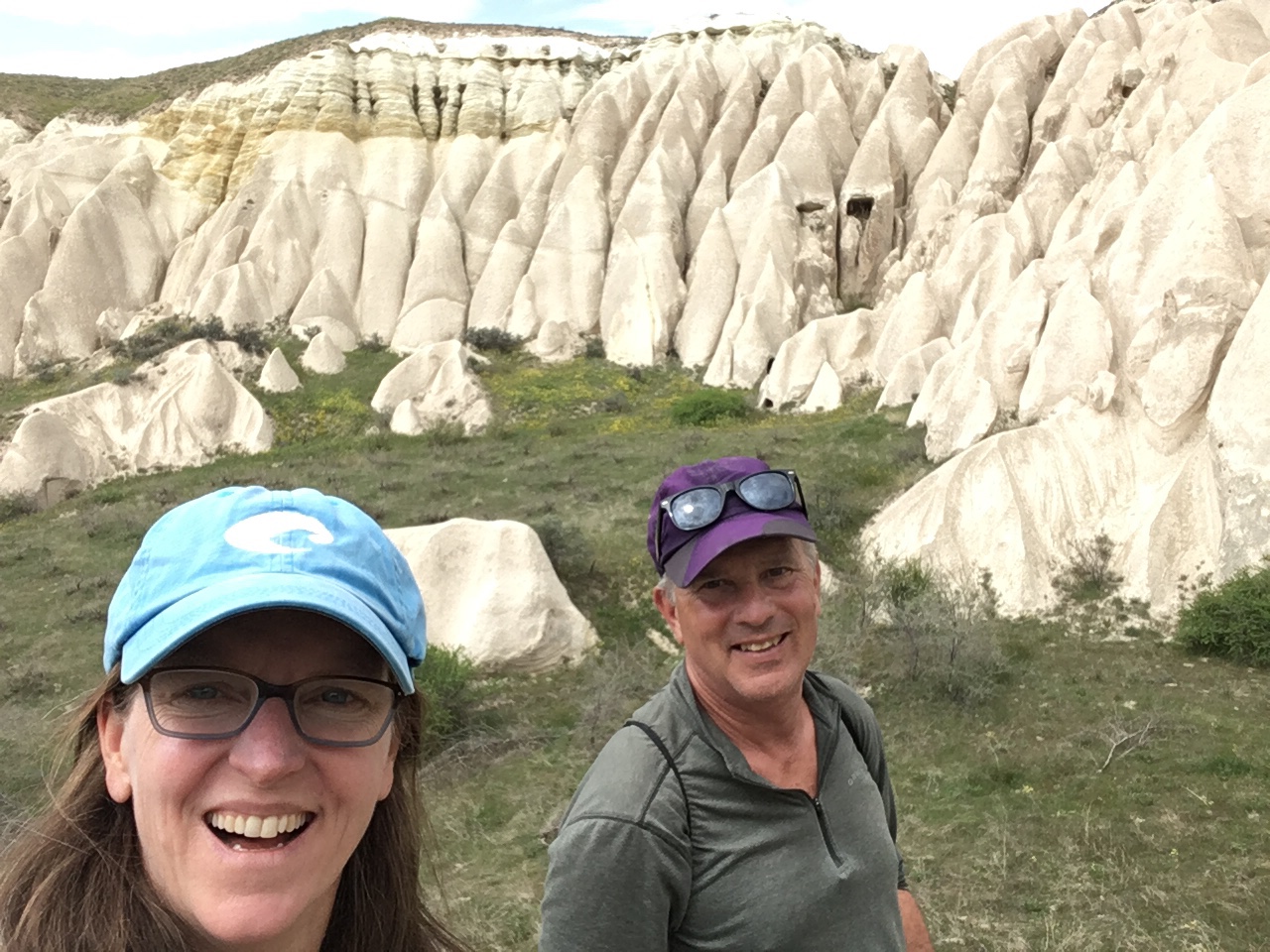
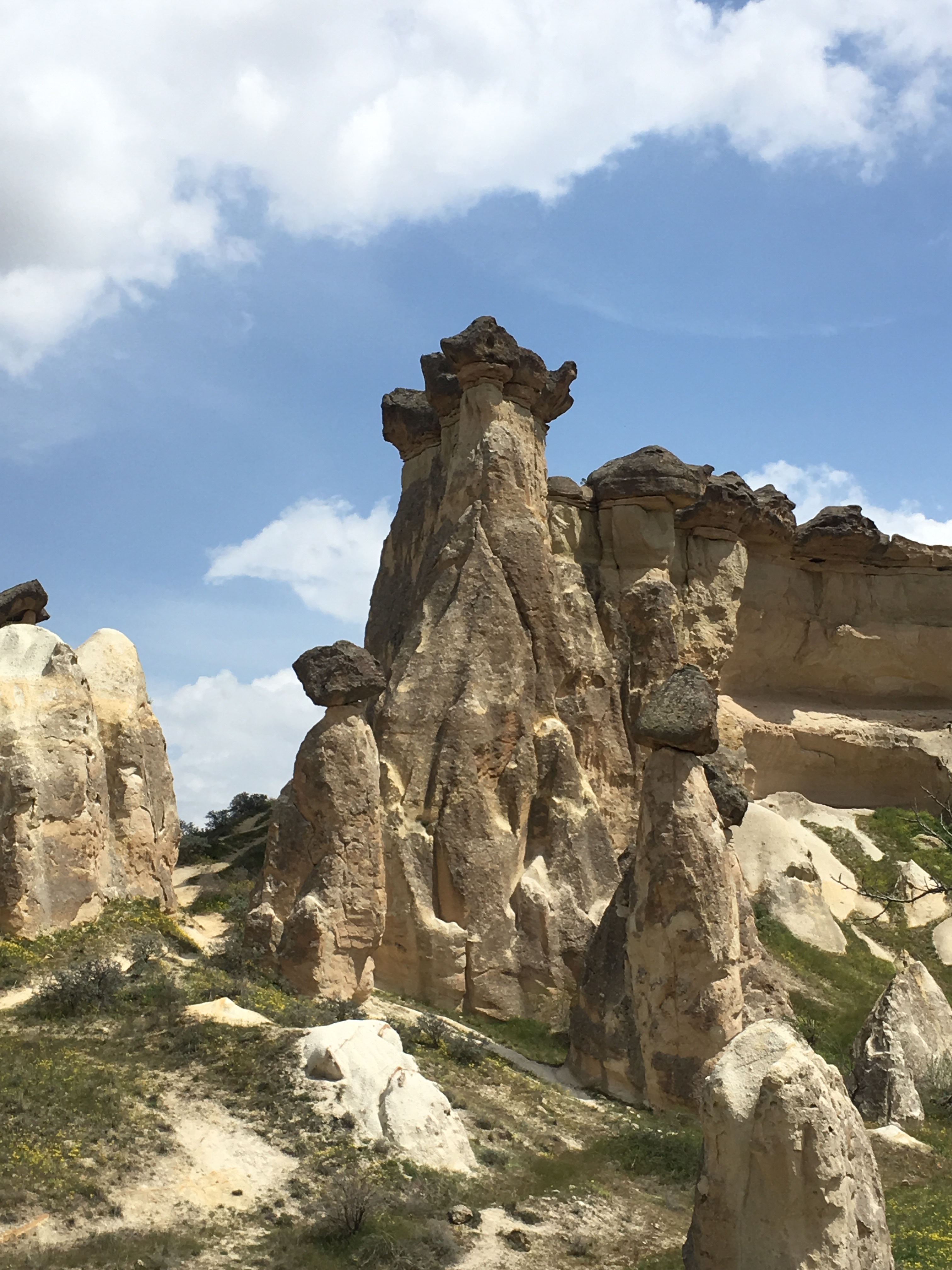
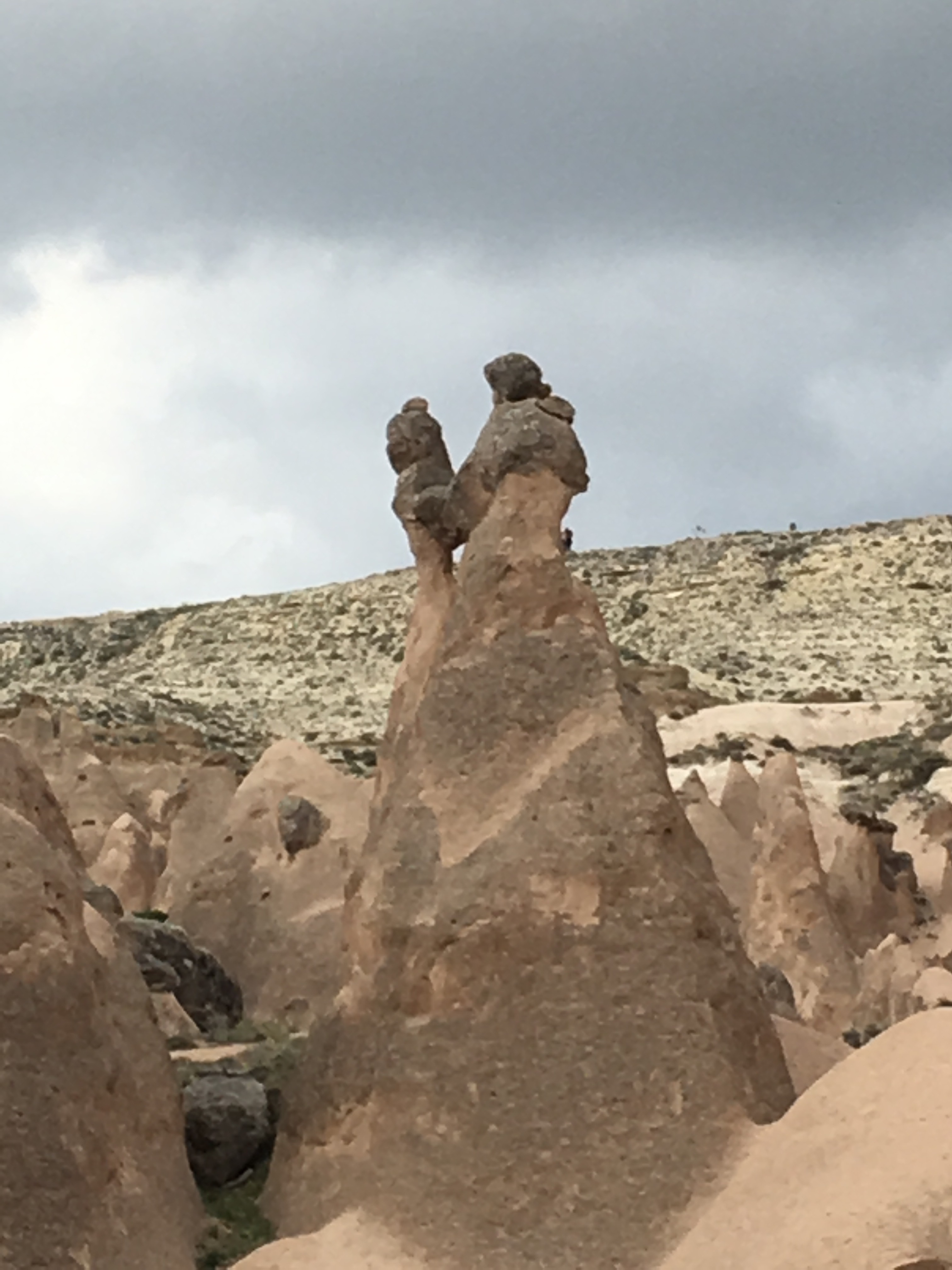
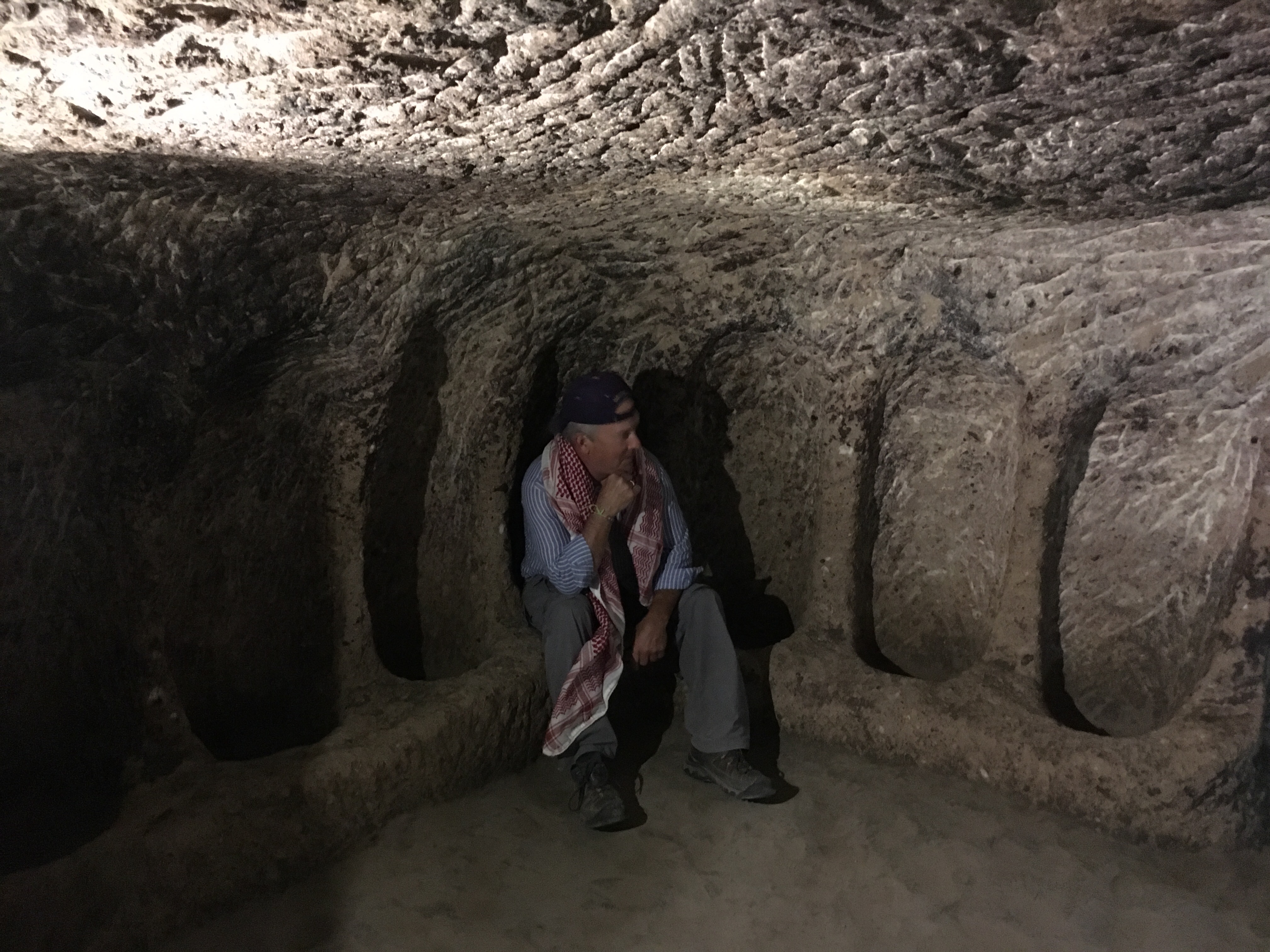
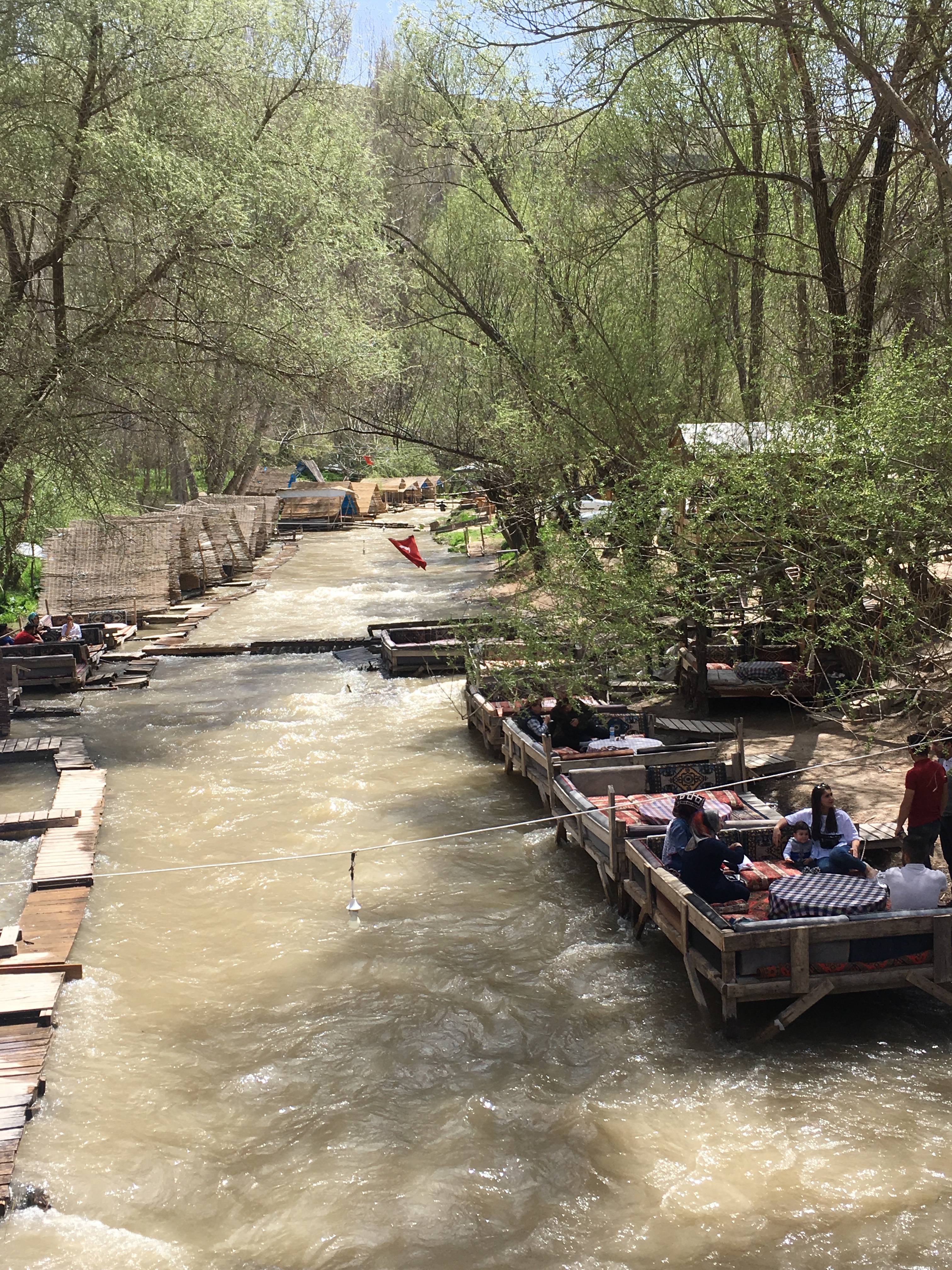
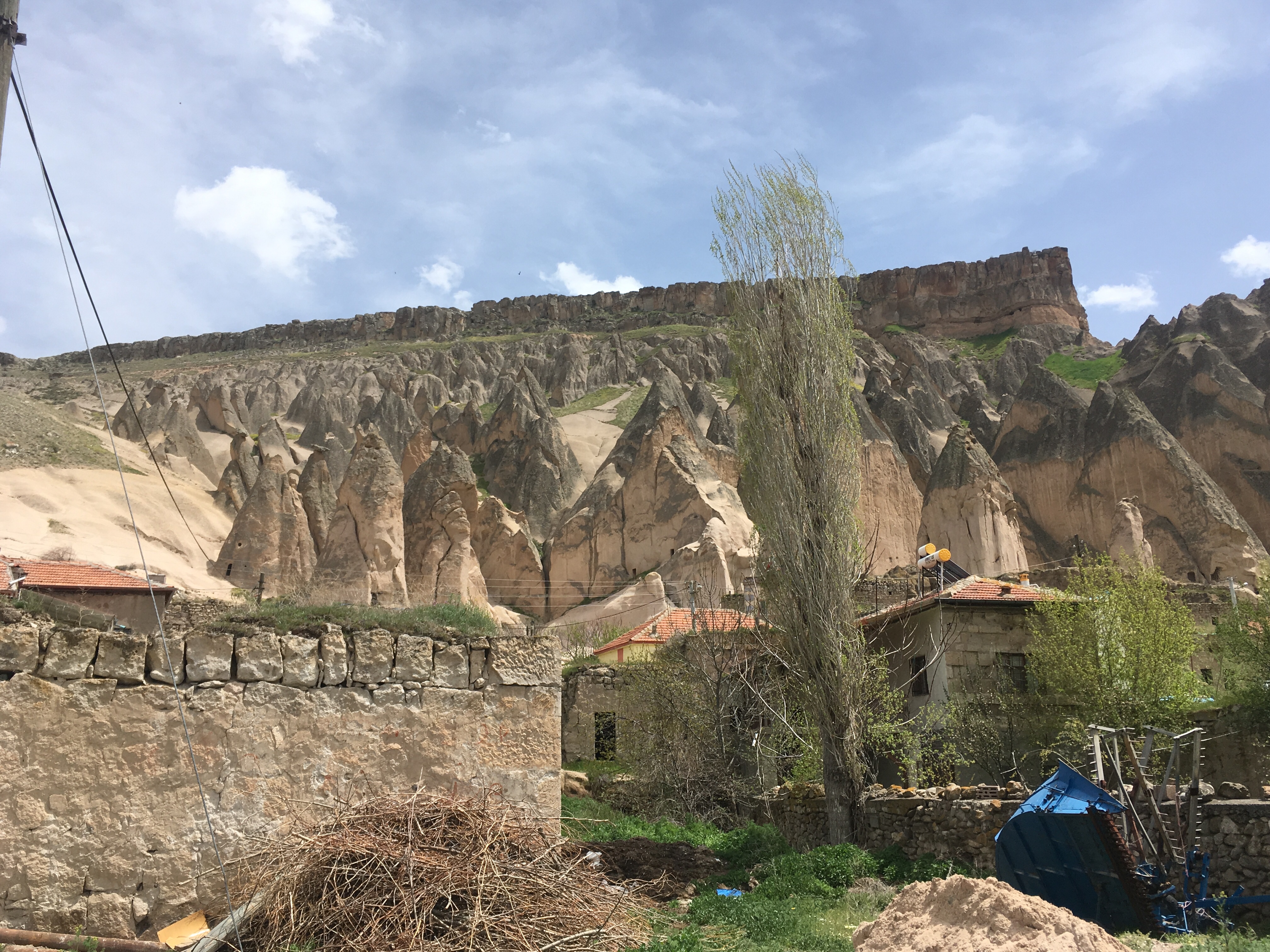
We then left the coast and headed to Cappadocia. Honestly at this point I had seen a lot of rocks and history and didn’t know if I had capacity for much more. But Cappadocia was so unique. The history and geology of this area was very different from the other places we have visited. We hiked in and around these interesting rock formations and into underground cities marveling at the ingenuity of people 1800 years ago.

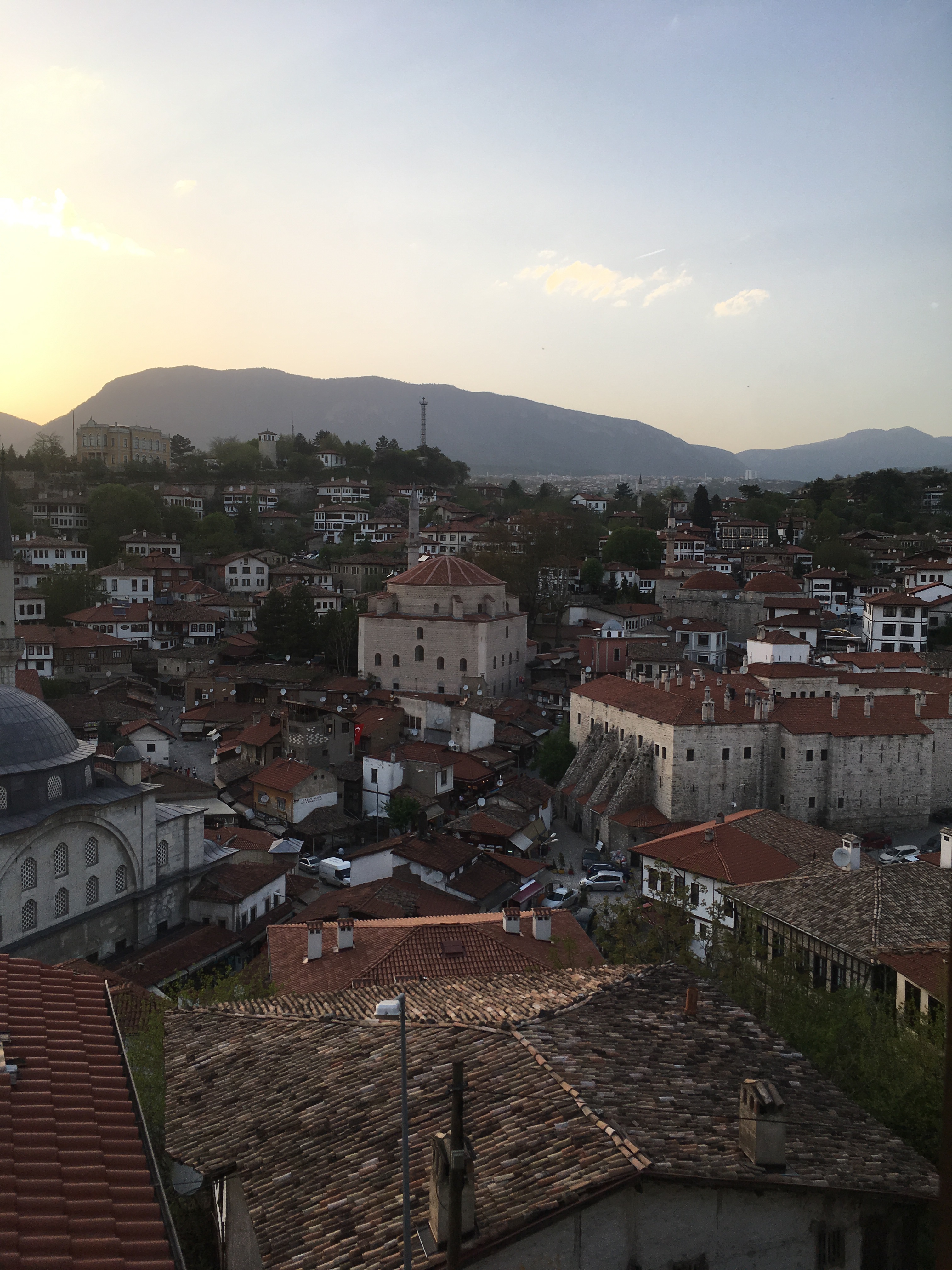
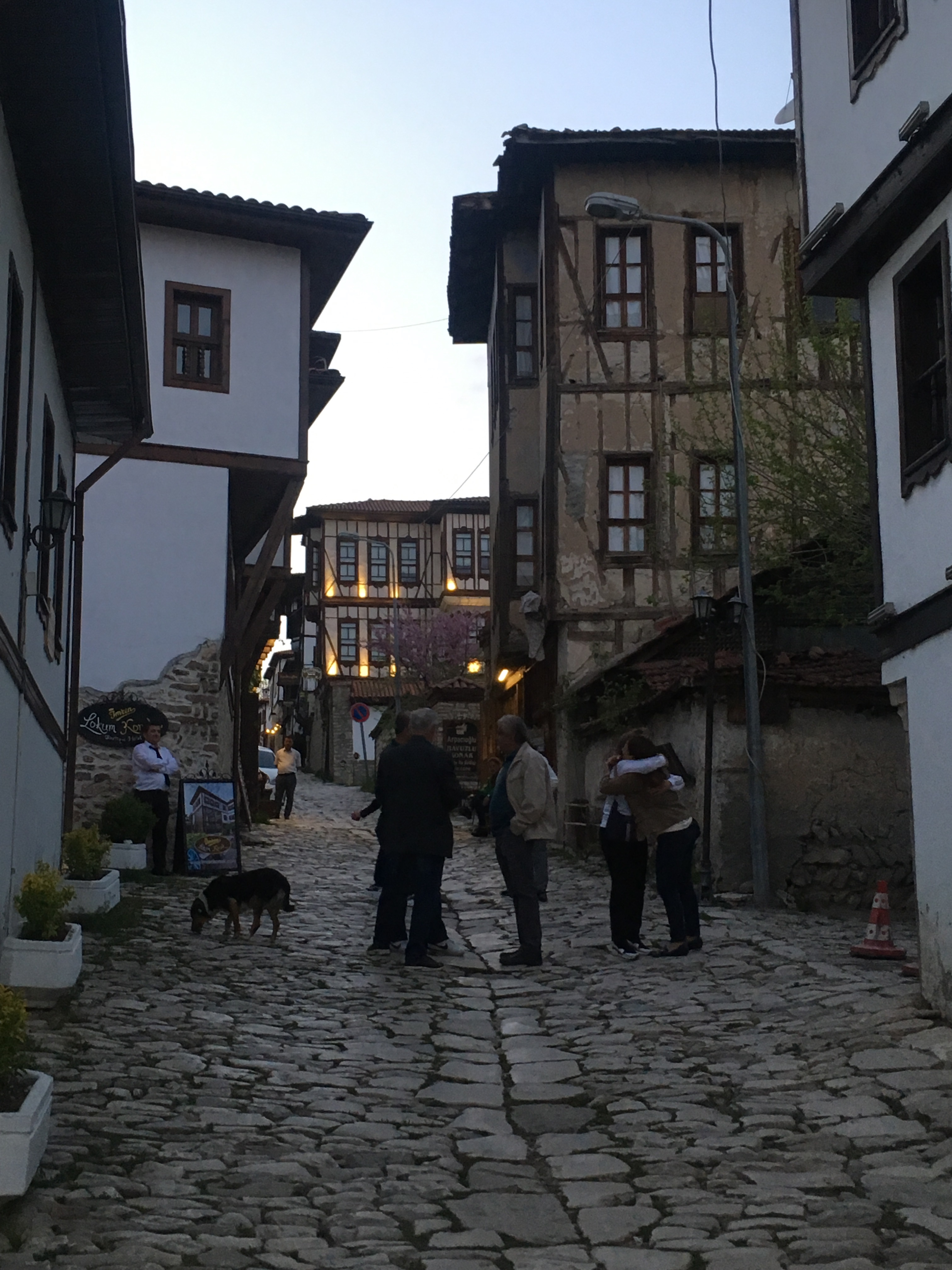
We left Cappadocia and drove to our last stop in the UNESCO world heritage city of Safronbolu. This is a very quaint city with lots of Turkish delight shops, apparently where the popular dessert originates. The 18th-19th century architecture in the Turkish Ottoman style is very well preserved and so is the traditional lifestyle.

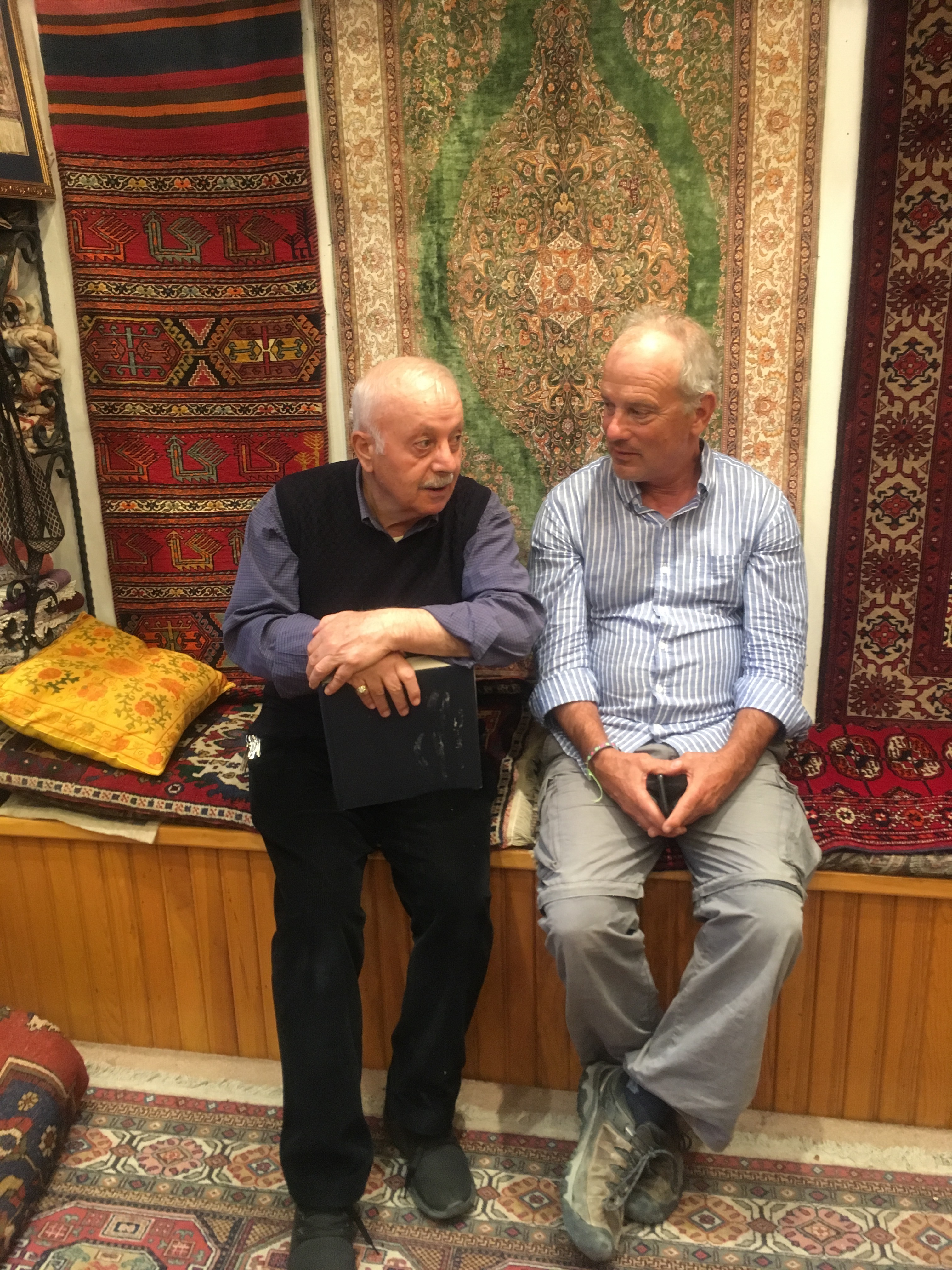
The hospitality and generosity again humbled us. One example was here in Safranbolu. In our hostel, they provided us with slippers to wear while we were in the home. I really liked them and asked if they sold them in town. Remember we had a car so we could accumulate stuff. The gentleman working that night said he would ask. In the morning the innkeeper told me he wanted to give me the slippers as a gift to remember them by. After fumbling over myself to explain, I just said thank you and accepted his kindness. This is just one example of the many interactions we have had during our travels here. As we spoke to many people while we traveled and told them we were from America, almost everyone said please tell your friends and family it’s safe here and to come visit. We had nothing but positive experiences and we would recommend a visit to Turkey.

We loved everything about Turkey.

Where is Jordan?

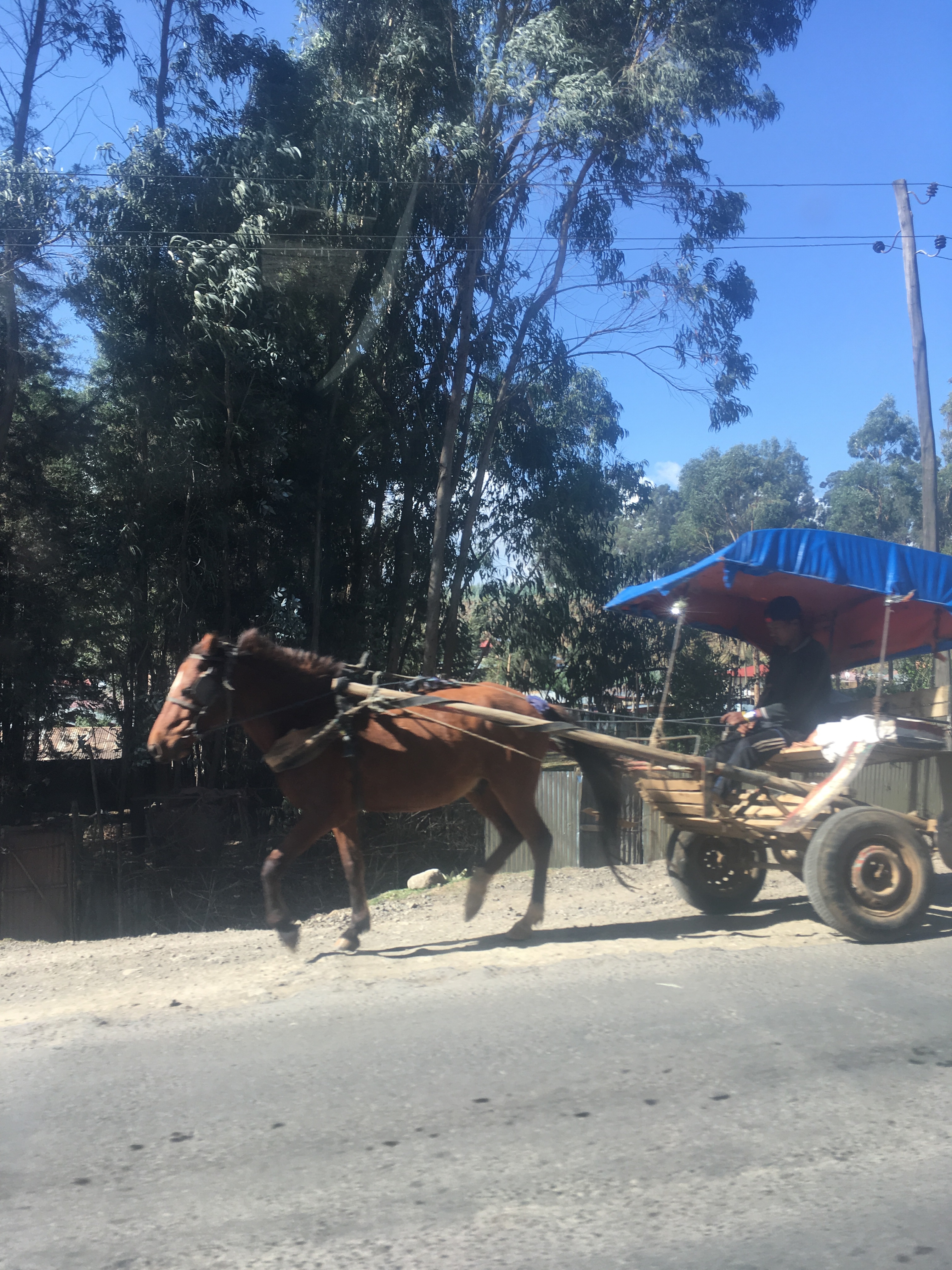
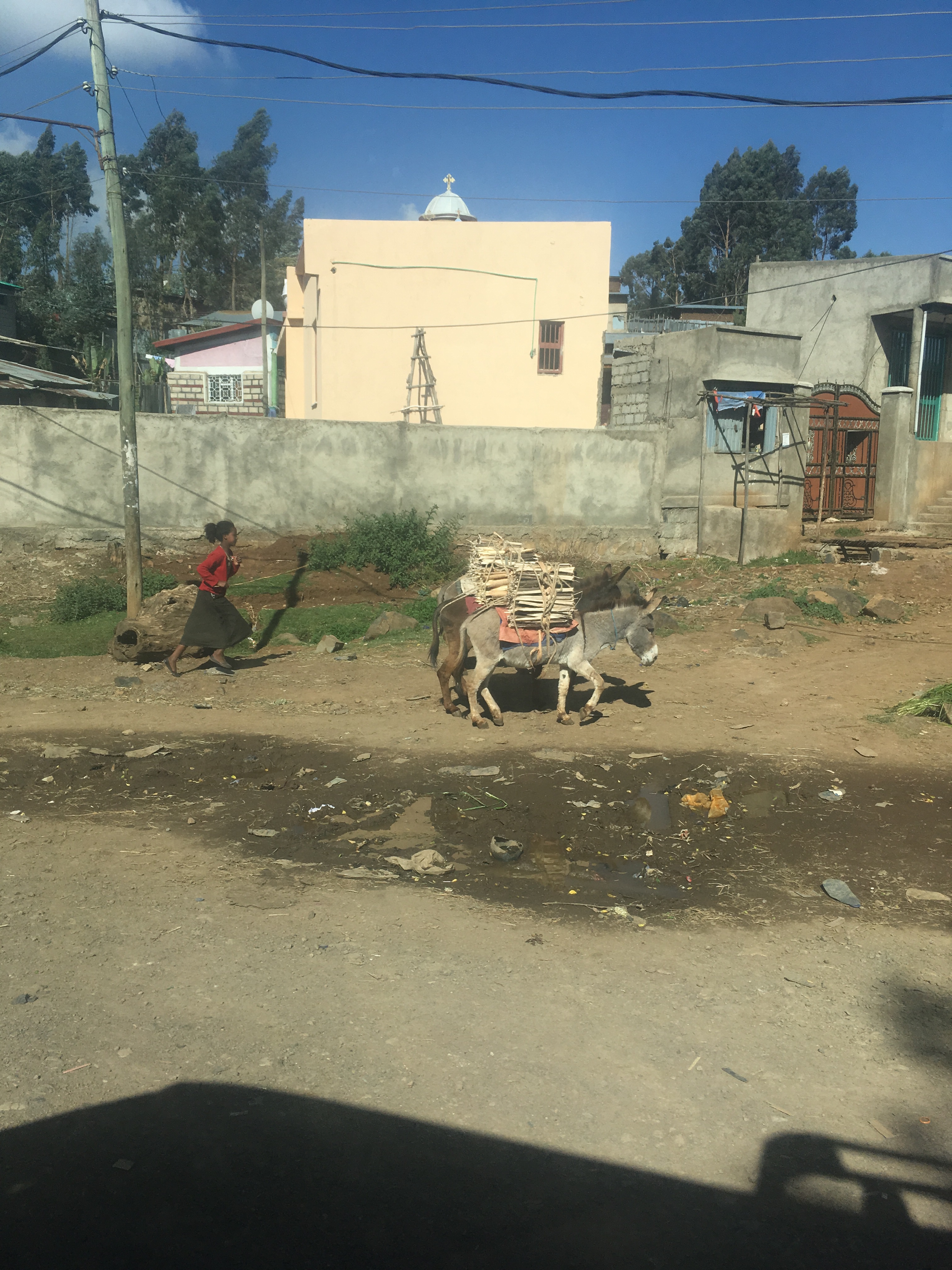
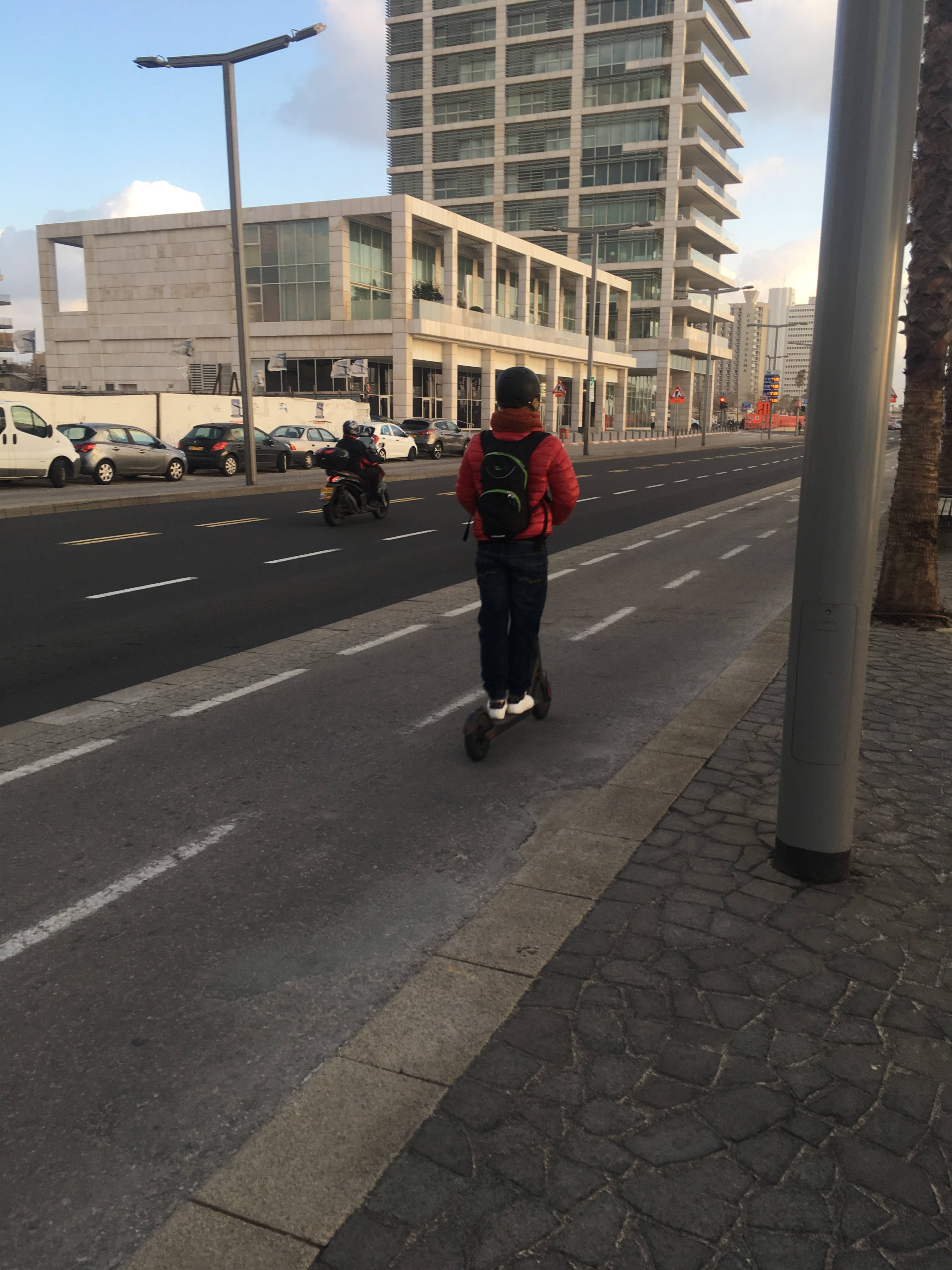
We flew from Addis Ababa to Tel Aviv in early March to spend about three weeks exploring Israel and Jordan. The difference in culture was quite a shock. That morning on our way to the airport outside of Addis I had seen several horse drawn carts and donkeys carrying goods and people to town and when we arrived I saw many electric bicycles and motorized scooters transporting people to and from. Very different transportation options.

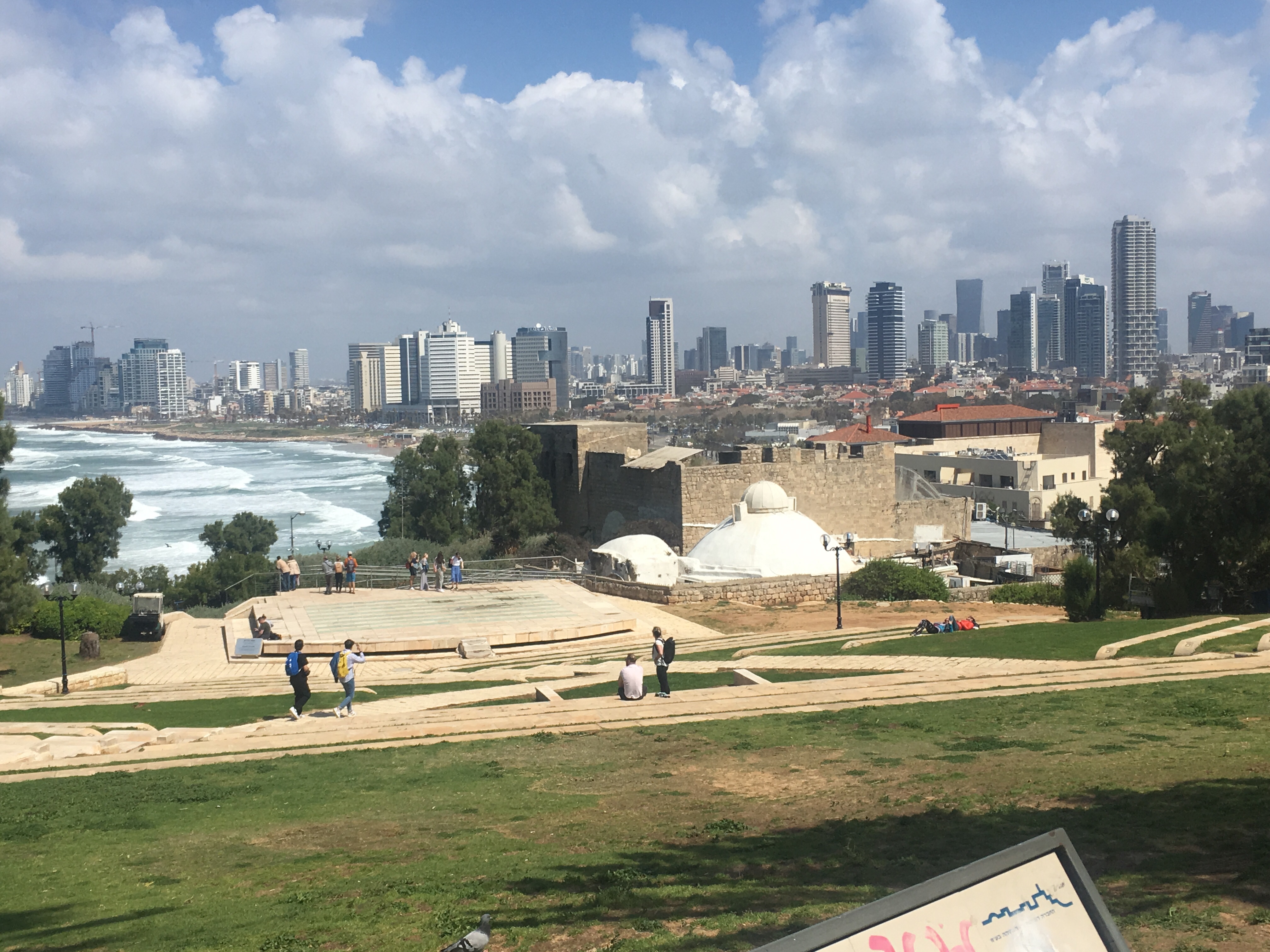
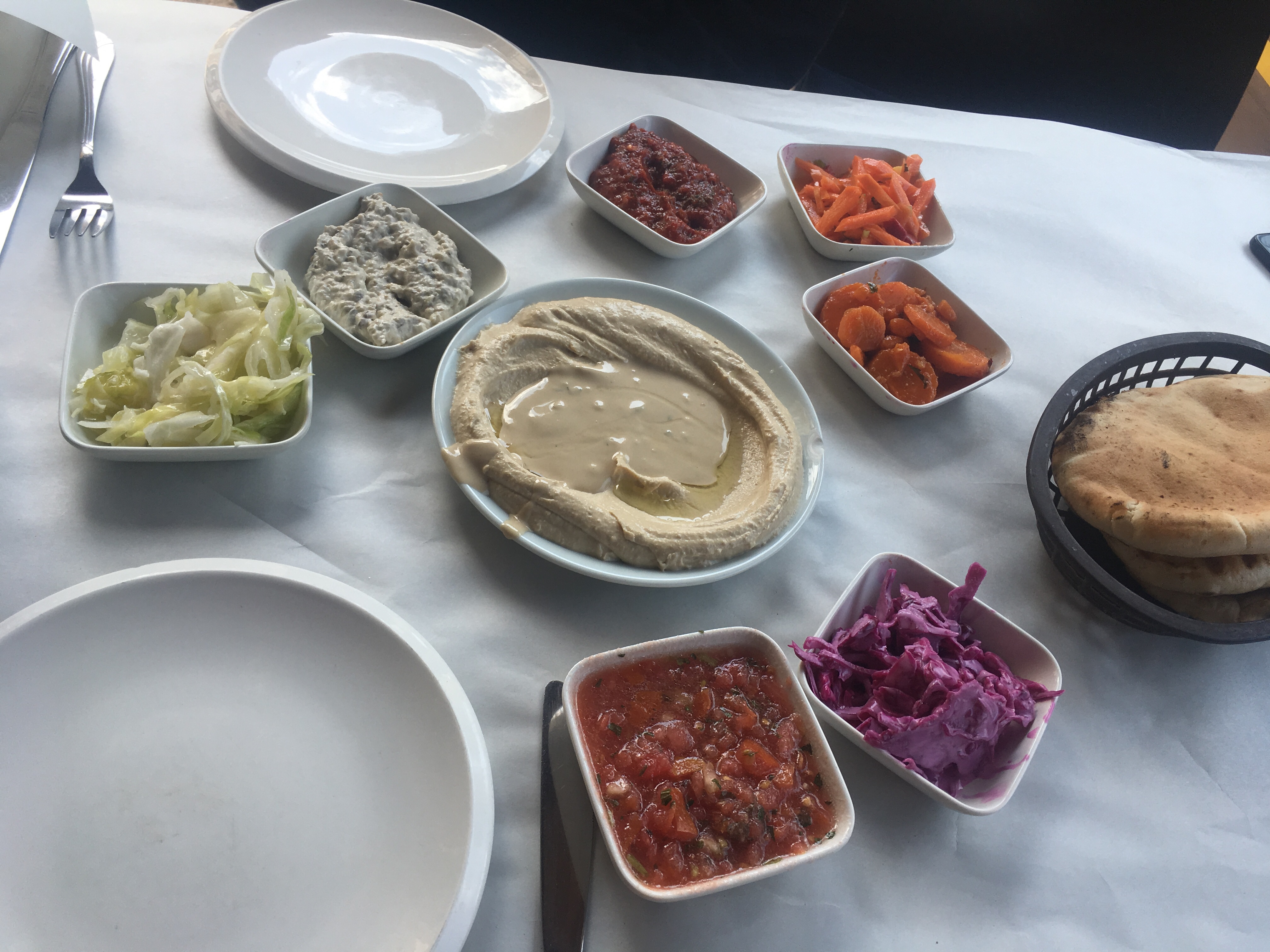
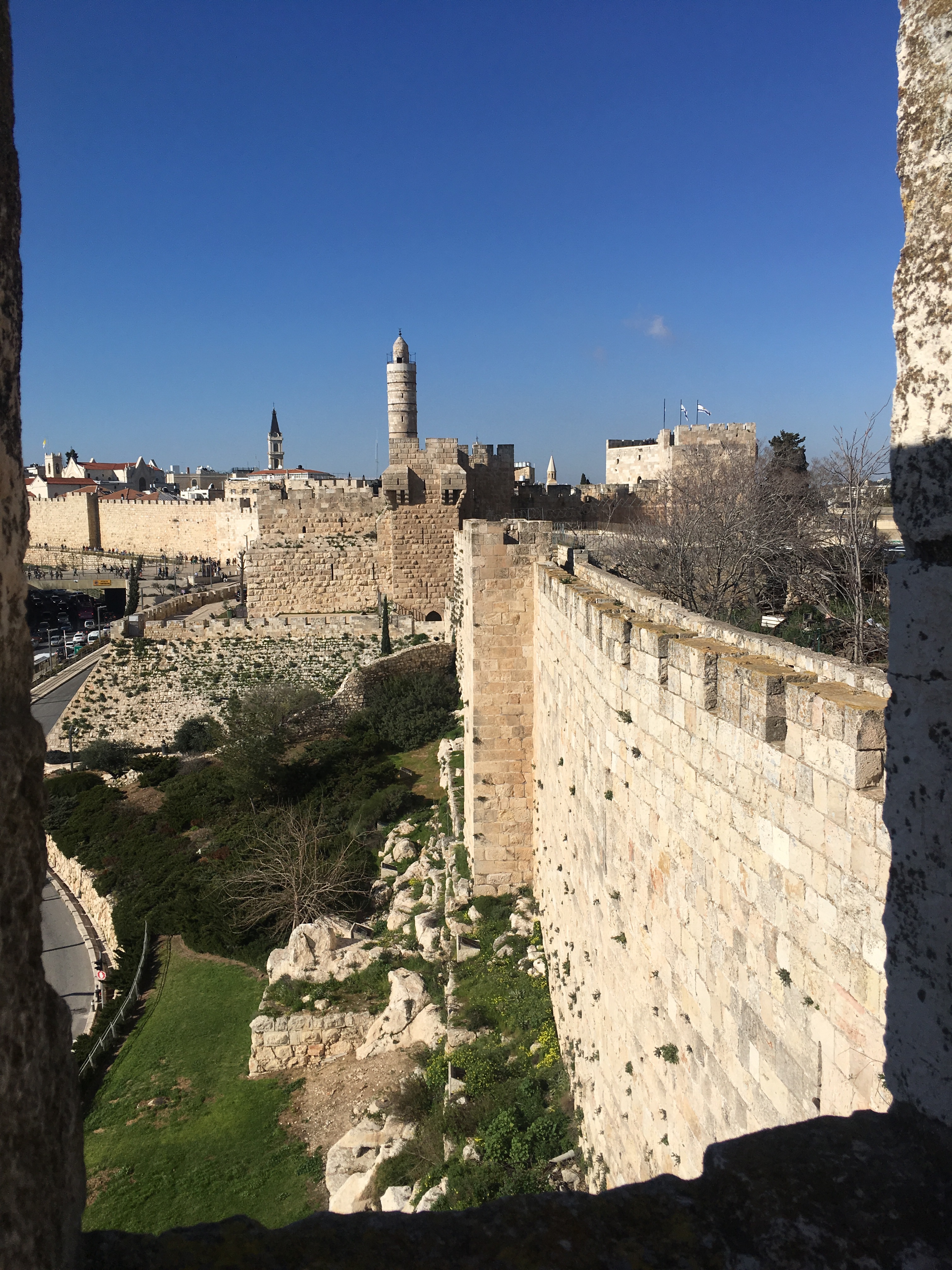
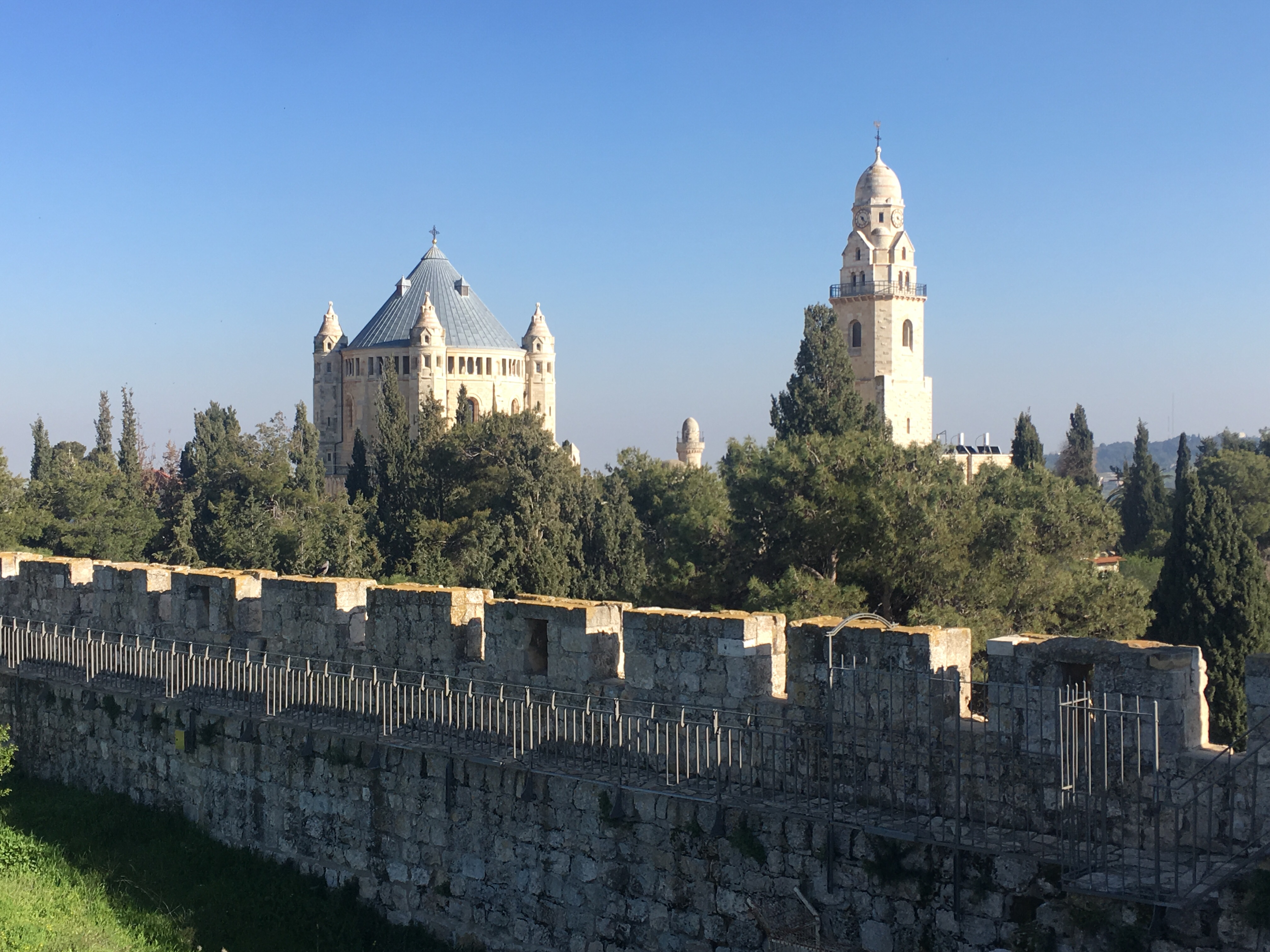
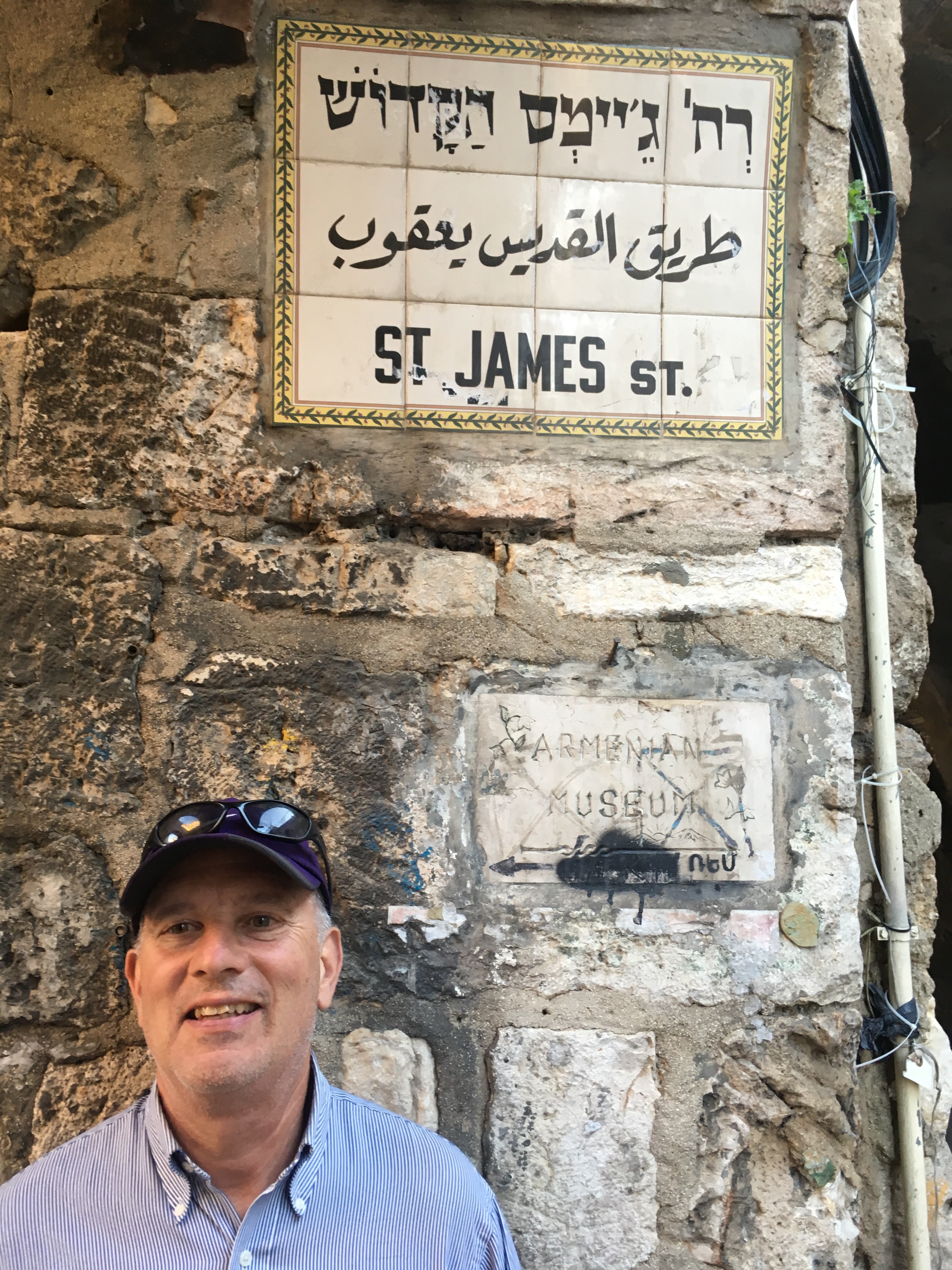
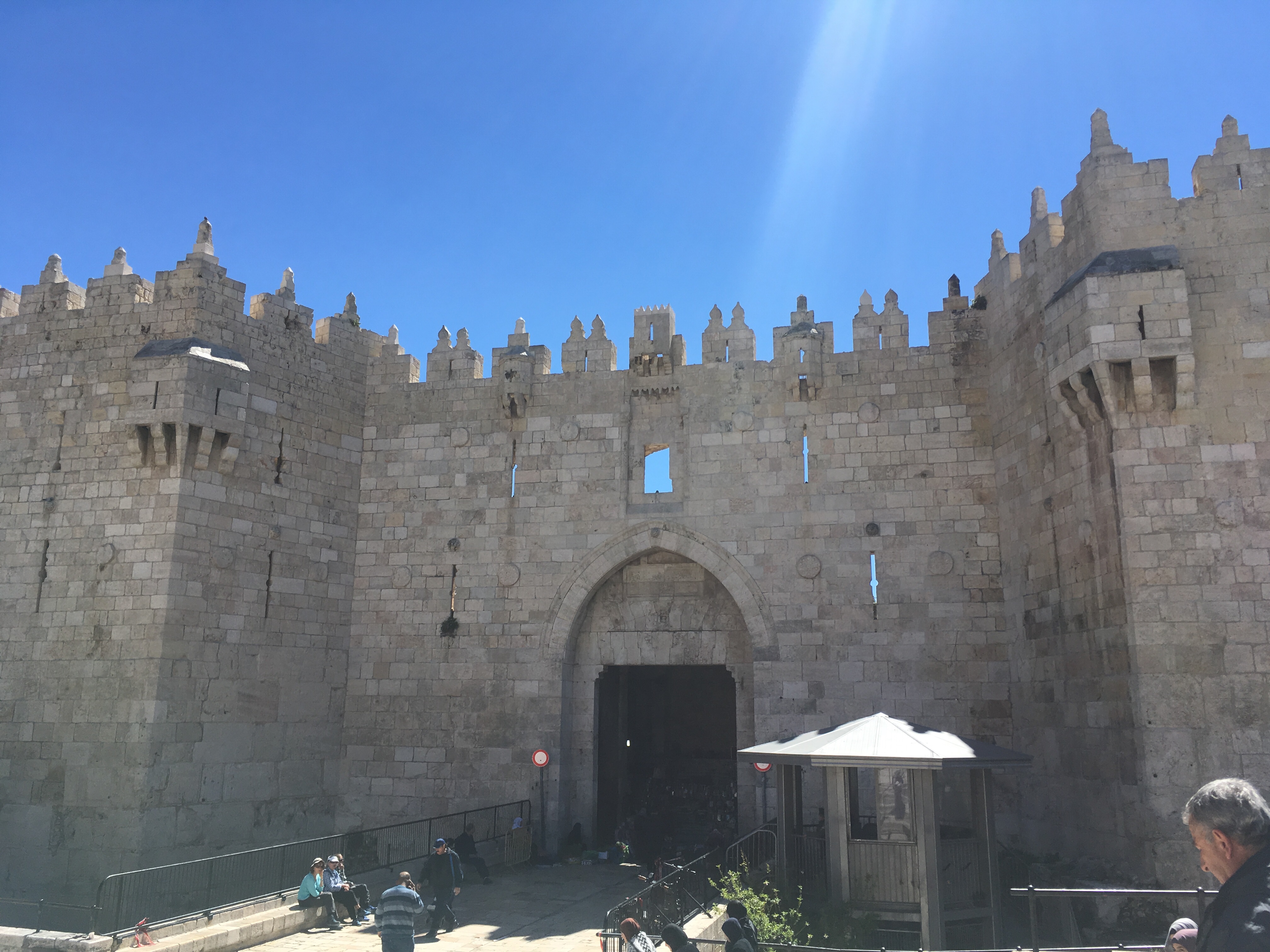
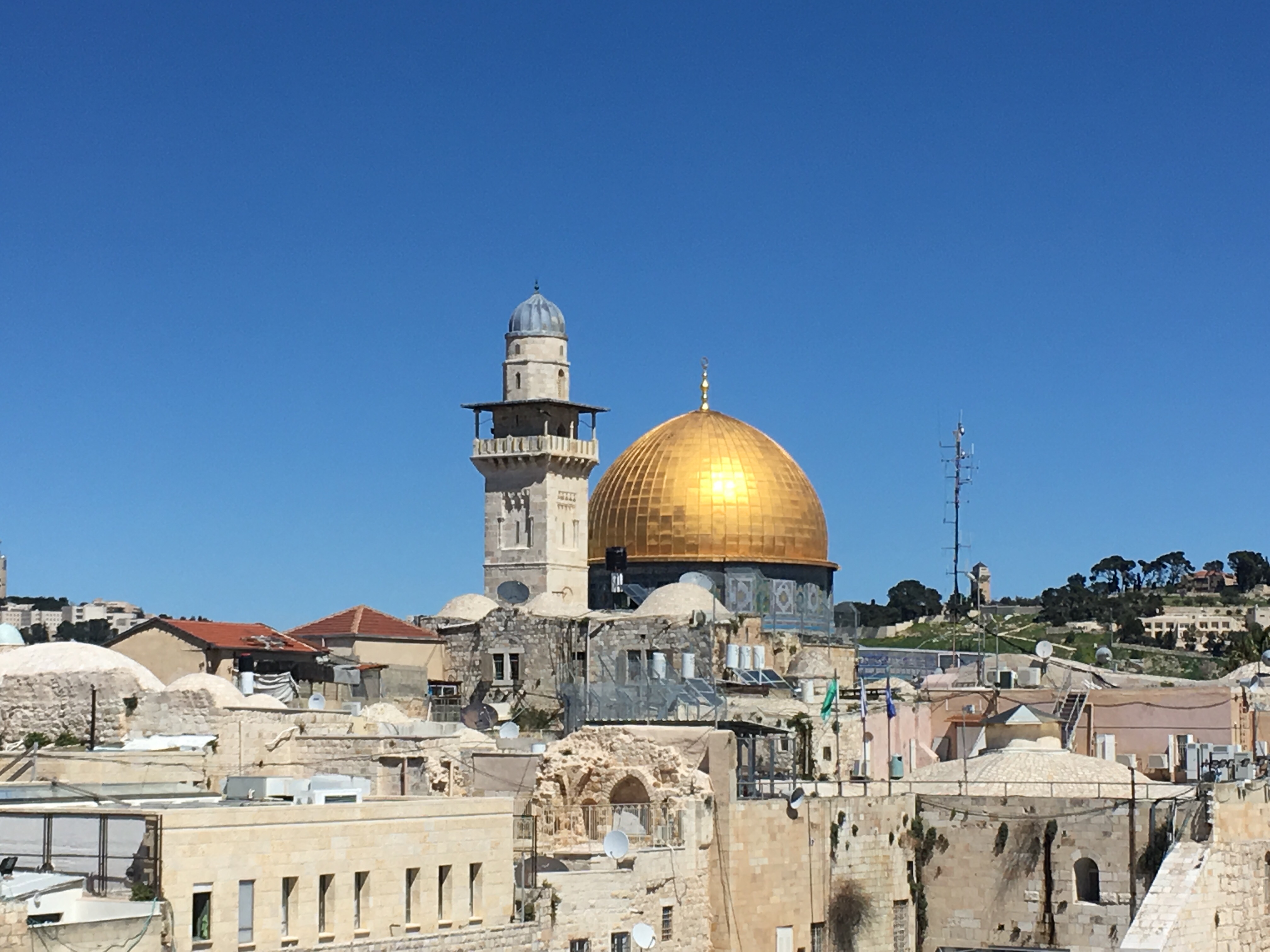
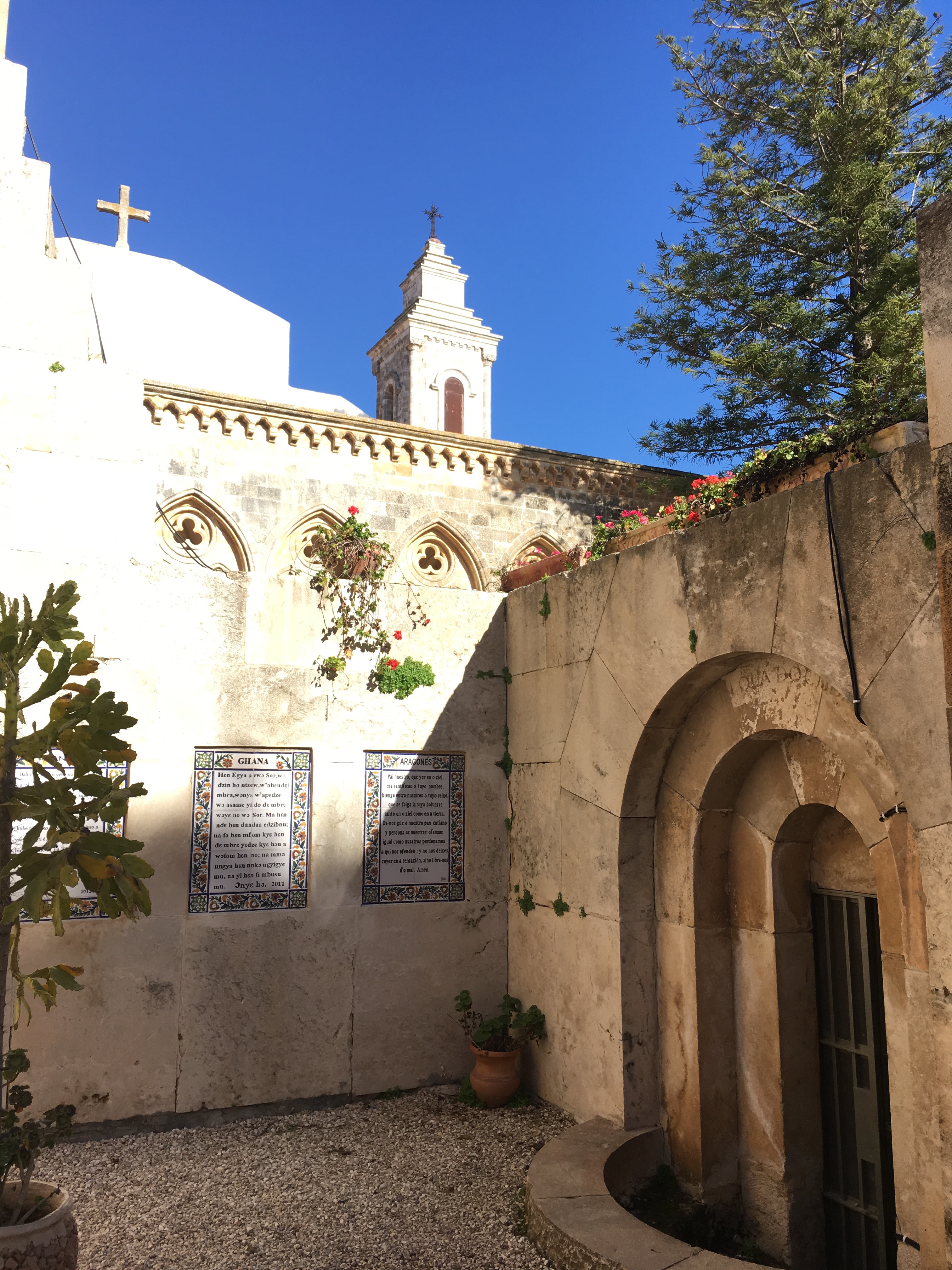
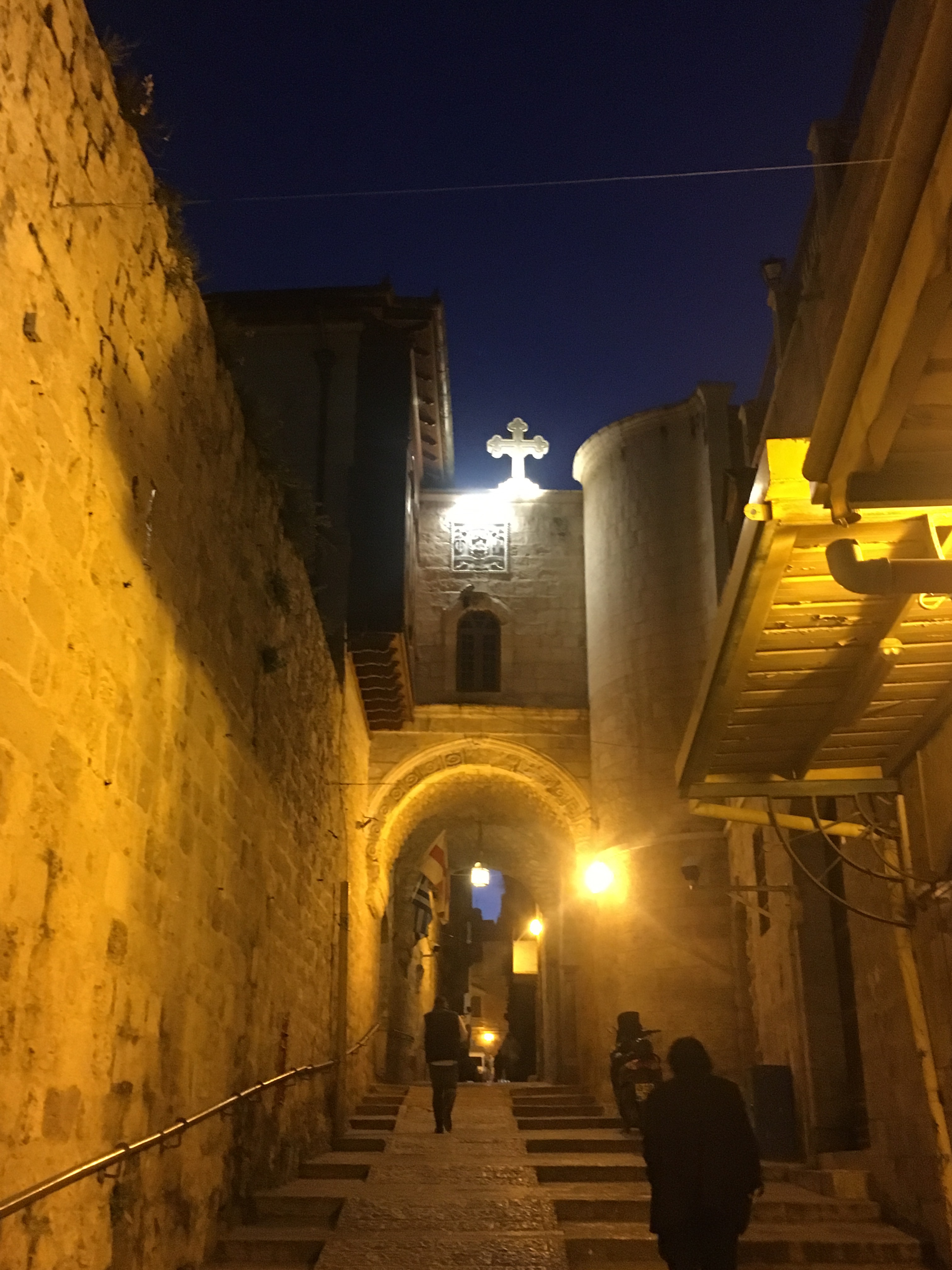
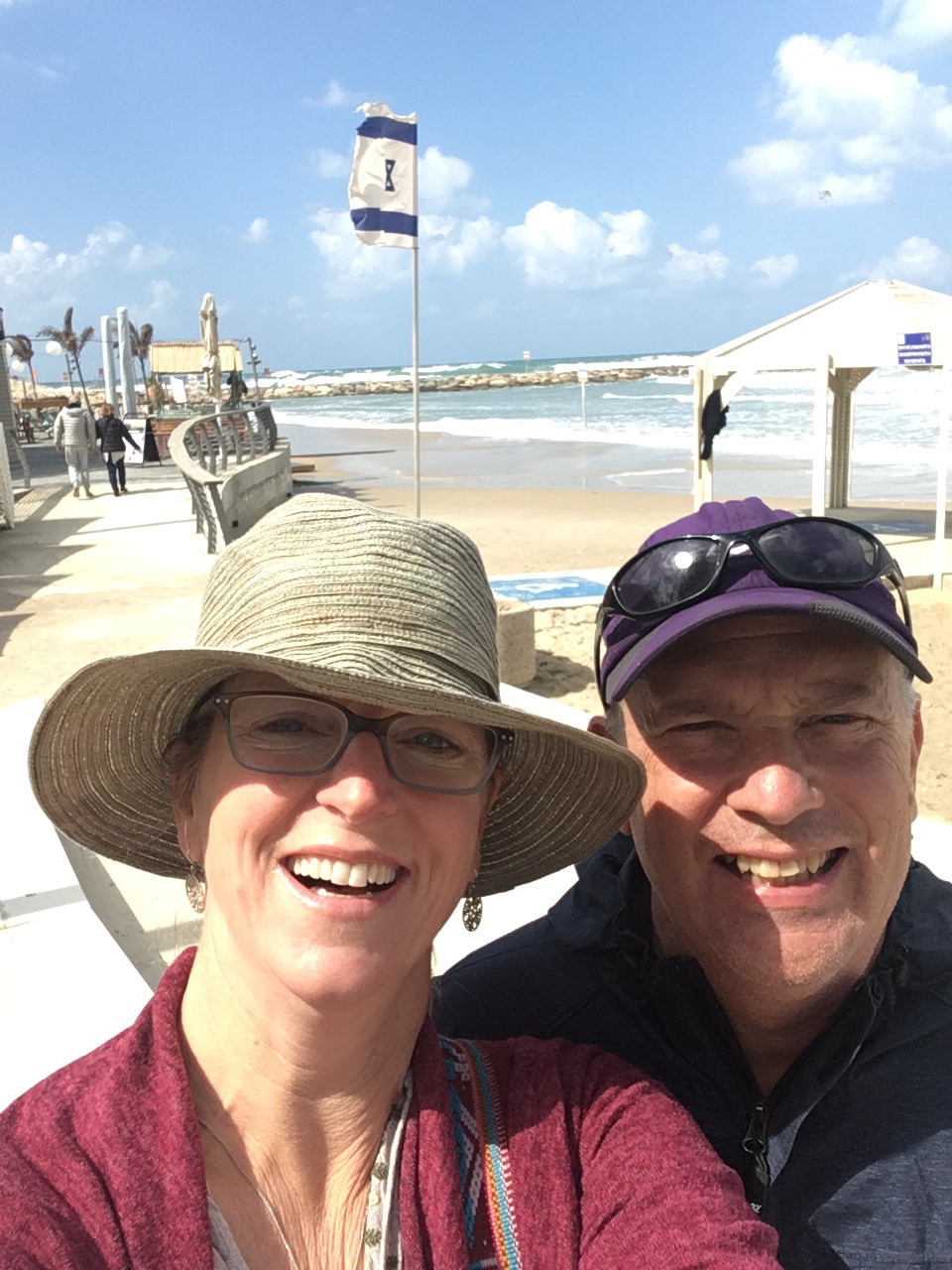
Tel Aviv is a hustling, bustling city of activity. People jogging and exercising up and down the beach. The market was full of people like our Pike Place Market but with equal numbers of locals and tourists. The tall skyscrapers with people coming and going, it all felt very fast paced. We had seen the same types of activities in Ethiopia: markets, people going to work, traffic but this felt like a much faster pace to us. I saw many people with to-go cups in their hands as they moved about. We found great food and great coffee and enjoyed sitting and watching all the activity. After two days of exploring we took about an hour bus ride to Jerusalem, which is a very different type of city. The old city is divided into 4 quarters: the Arabic quarter, the Jewish quarter, the Armenian quarter and the Christian quarter. It is considered one of the holiest cities for Muslims, Jews and Christians and they share many of the holy sites in and around the city. There are mosques, temples and churches all within the ancient walls and many people of deep faith choose to live near theses holy sites. For three days we explored and walked and took in as much as we could of the history and story of these ancient roads and buildings. One of my favorite times was after dinner one night we walked through the old city and wandered the narrow pathways while there were no tourists and very few people out. It was quiet and the lights were dim and it felt very serene. We were there on the eve of a holiday called Purim, which commemorates the salvation of the Jewish people in Persia from Haman (read book of Esther). It’s a celebratory holiday and the kids were very excited and lots dress up in costumes, like our Halloween.

We then took a bus up north to Tiberius to the Sea of Galilee. Another beautiful area filled with religious history. We happened to be there during a momentous occasion. Every year thousands even millions of butterflies, called Painted Ladies, migrate to their breeding grounds in Europe and pass through northern Israel searching for food. This year there was record breaking numbers recorded in the billions! It was quite something to see them in swarms, unfortunately some on the windshield as well.

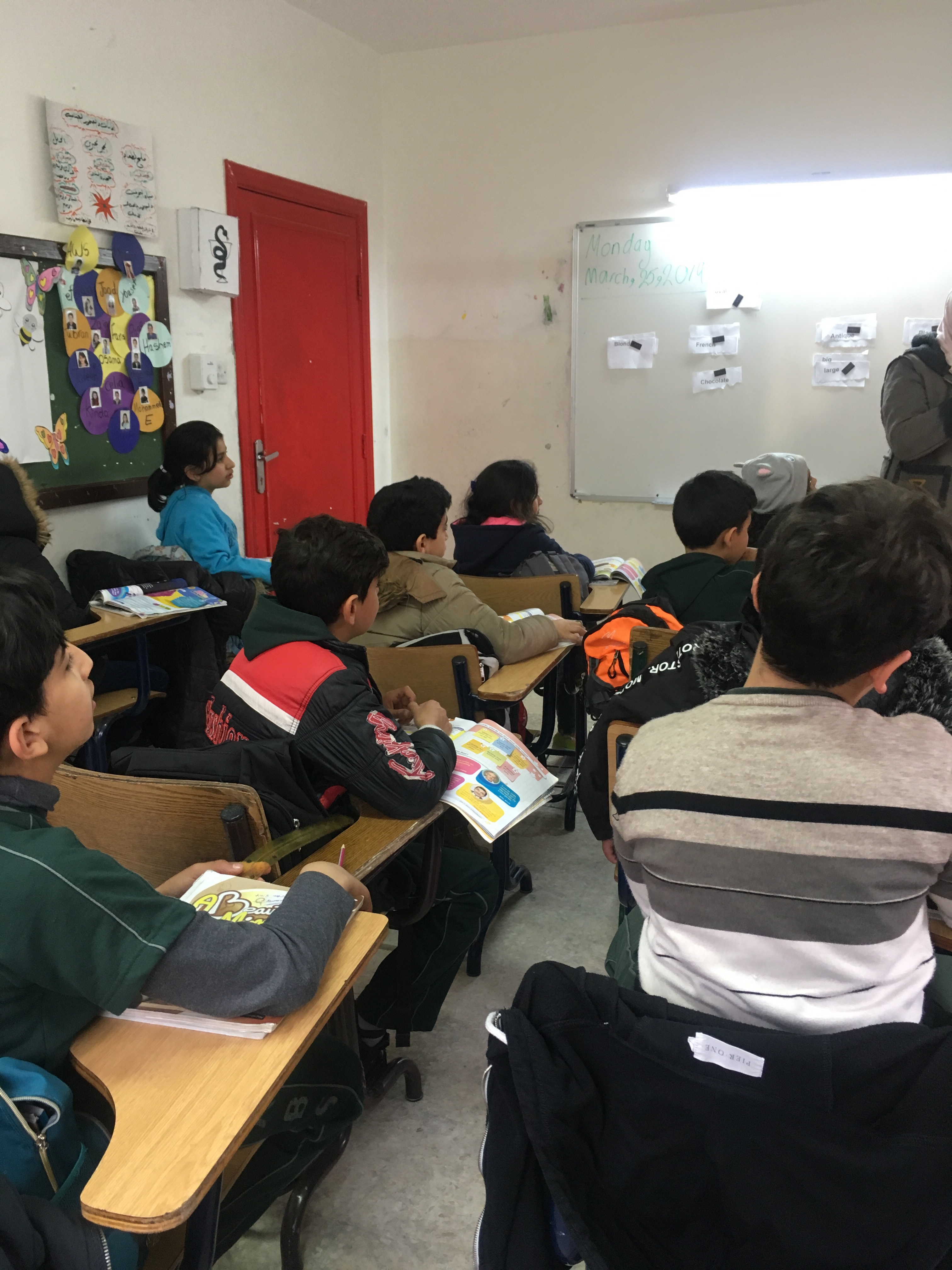
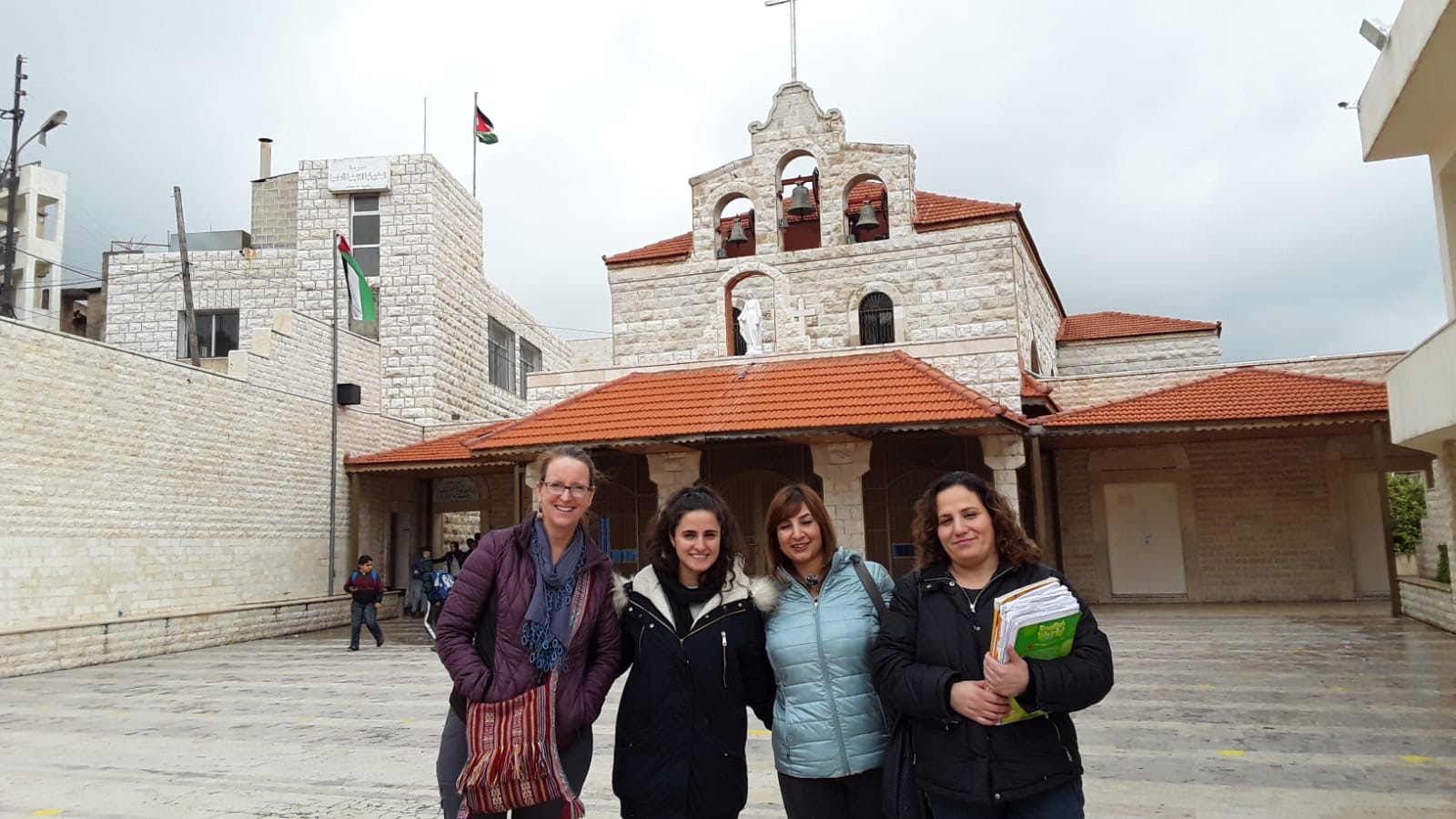
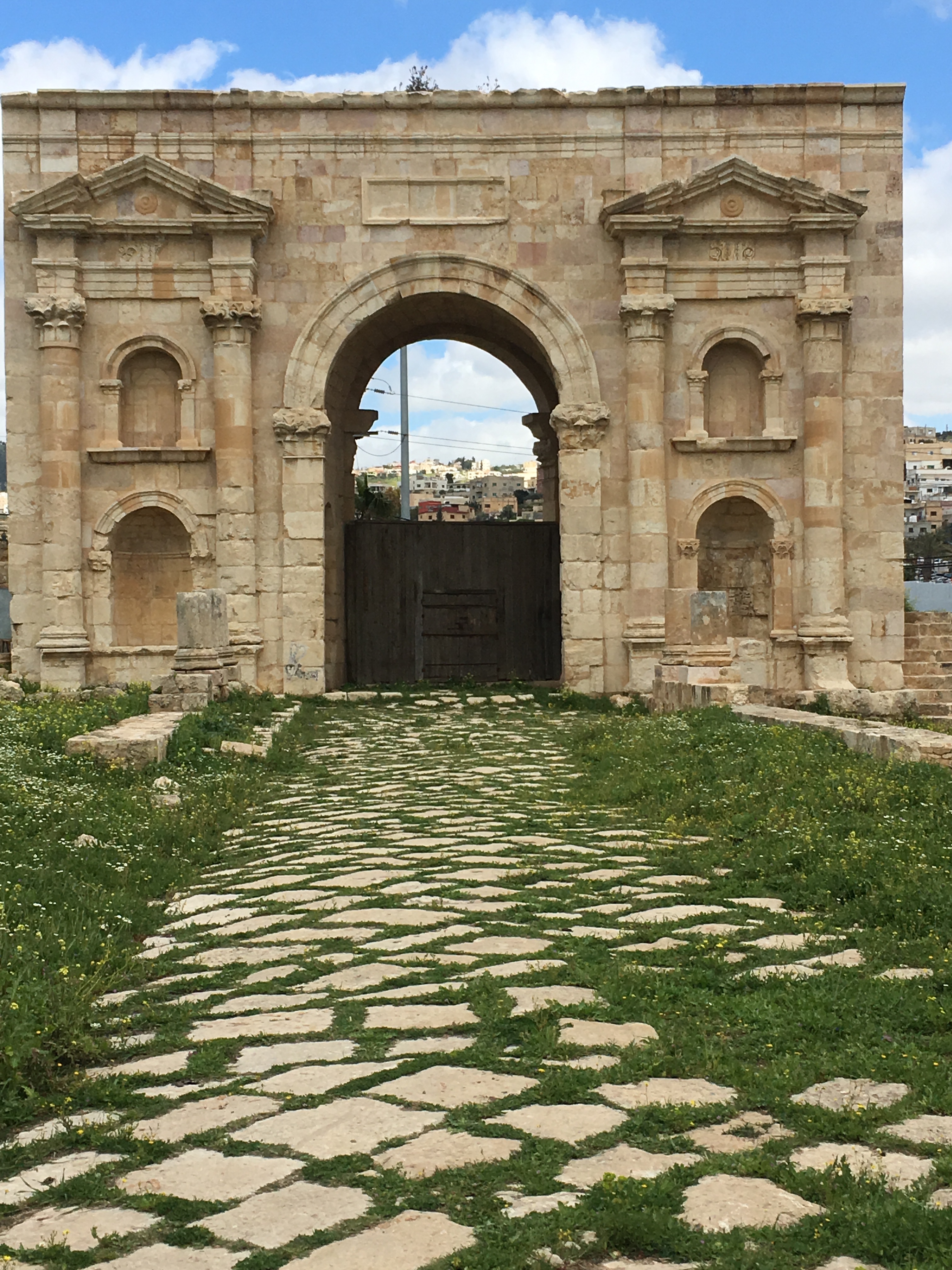
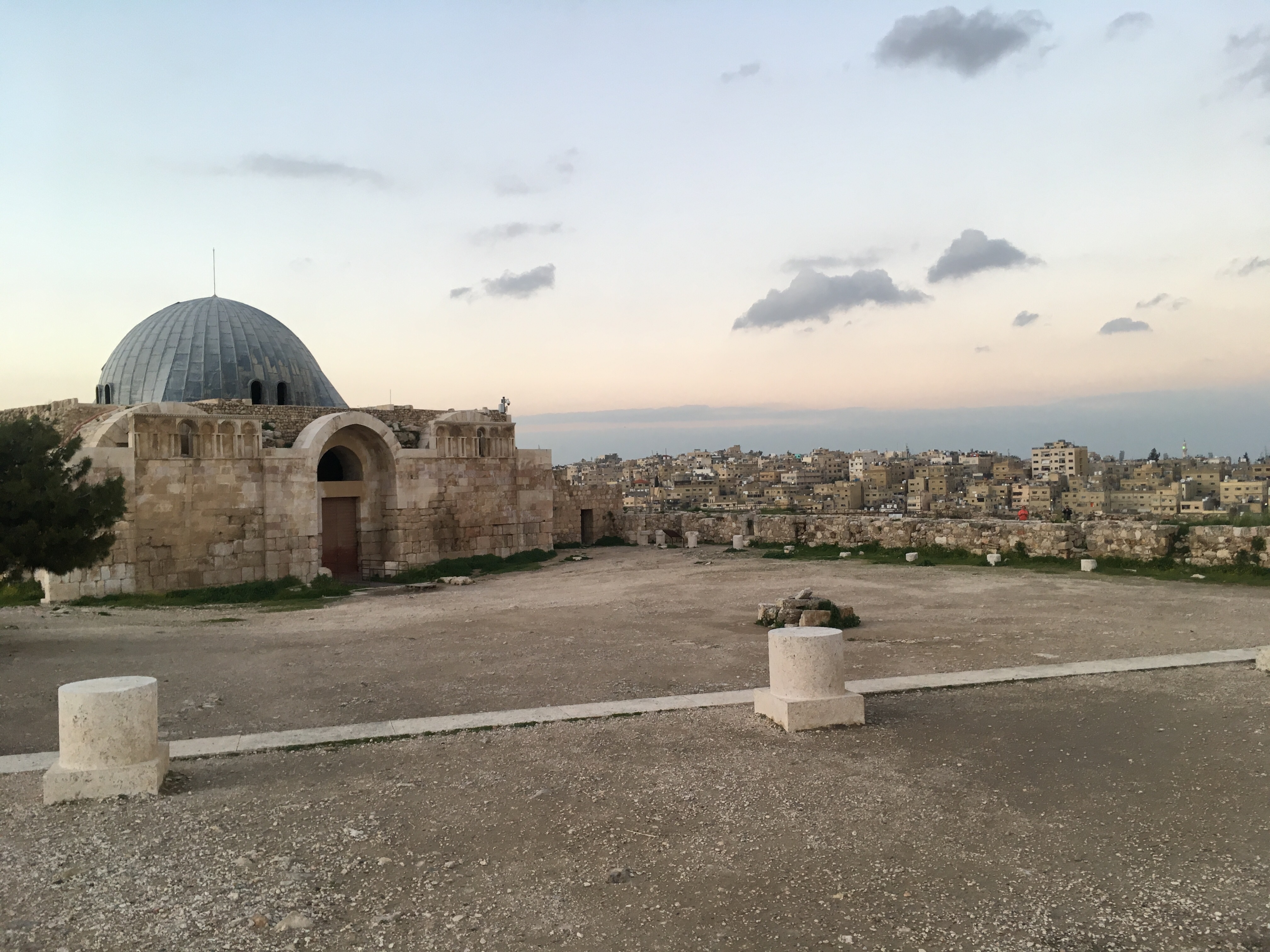
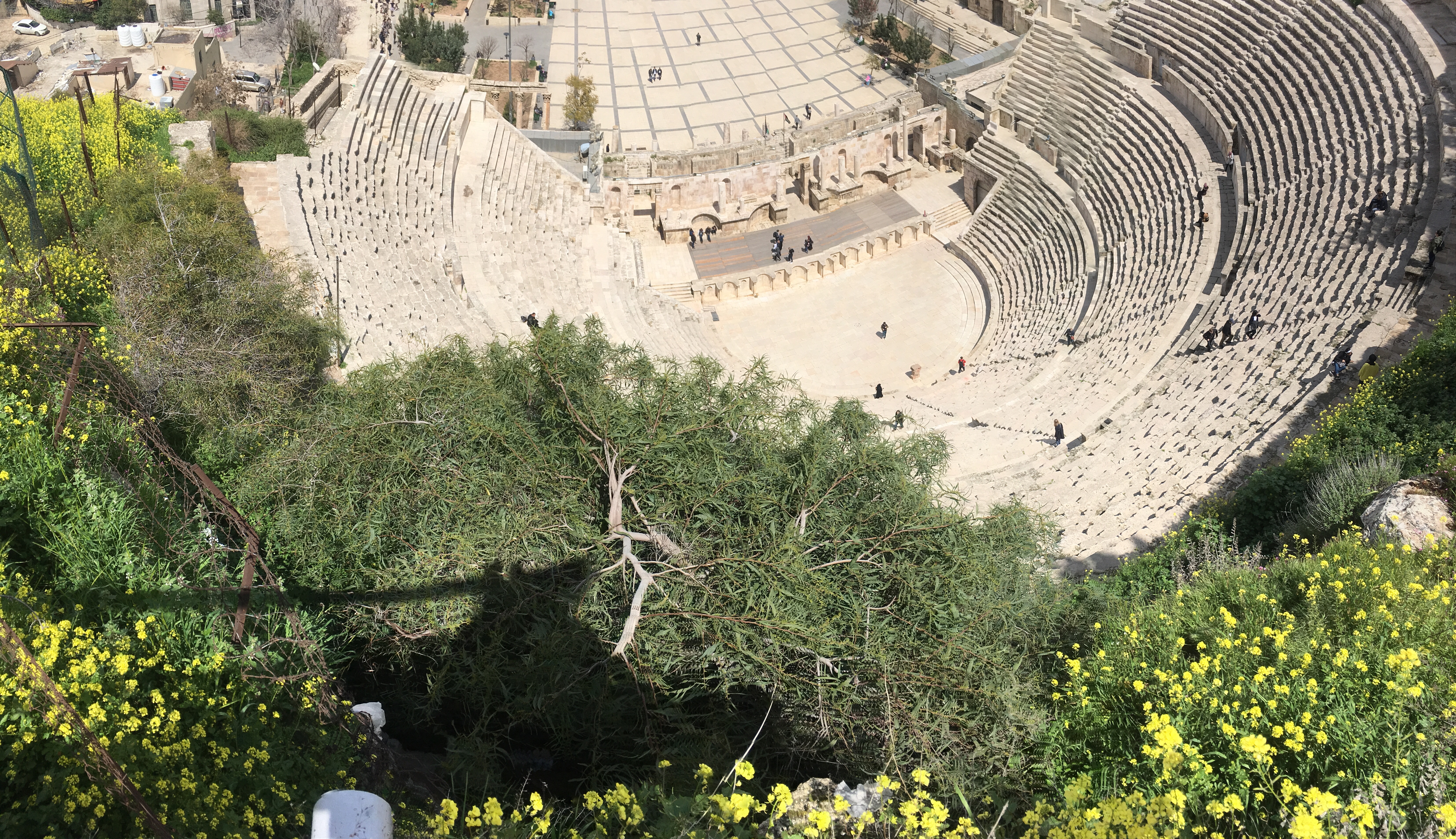
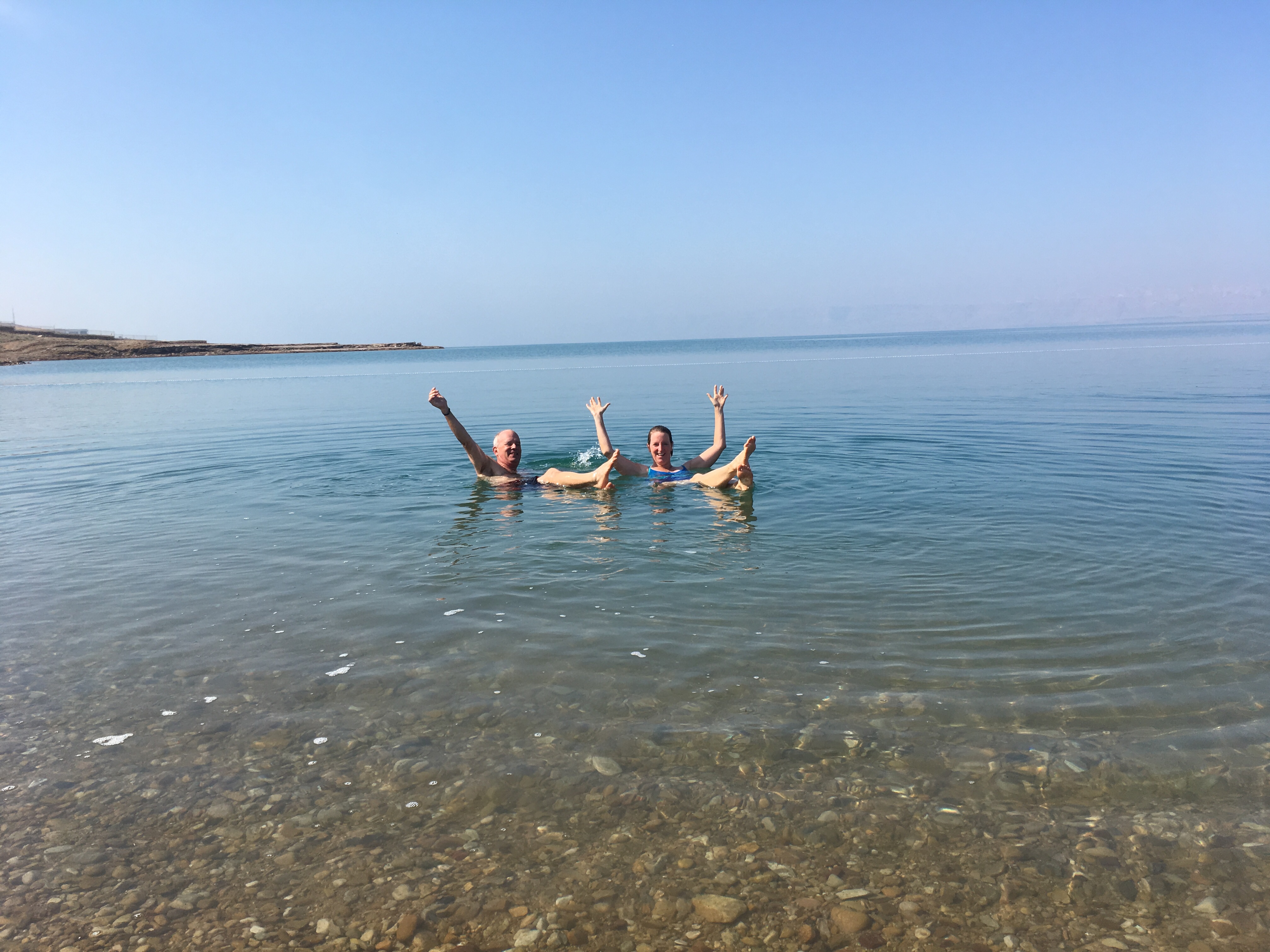
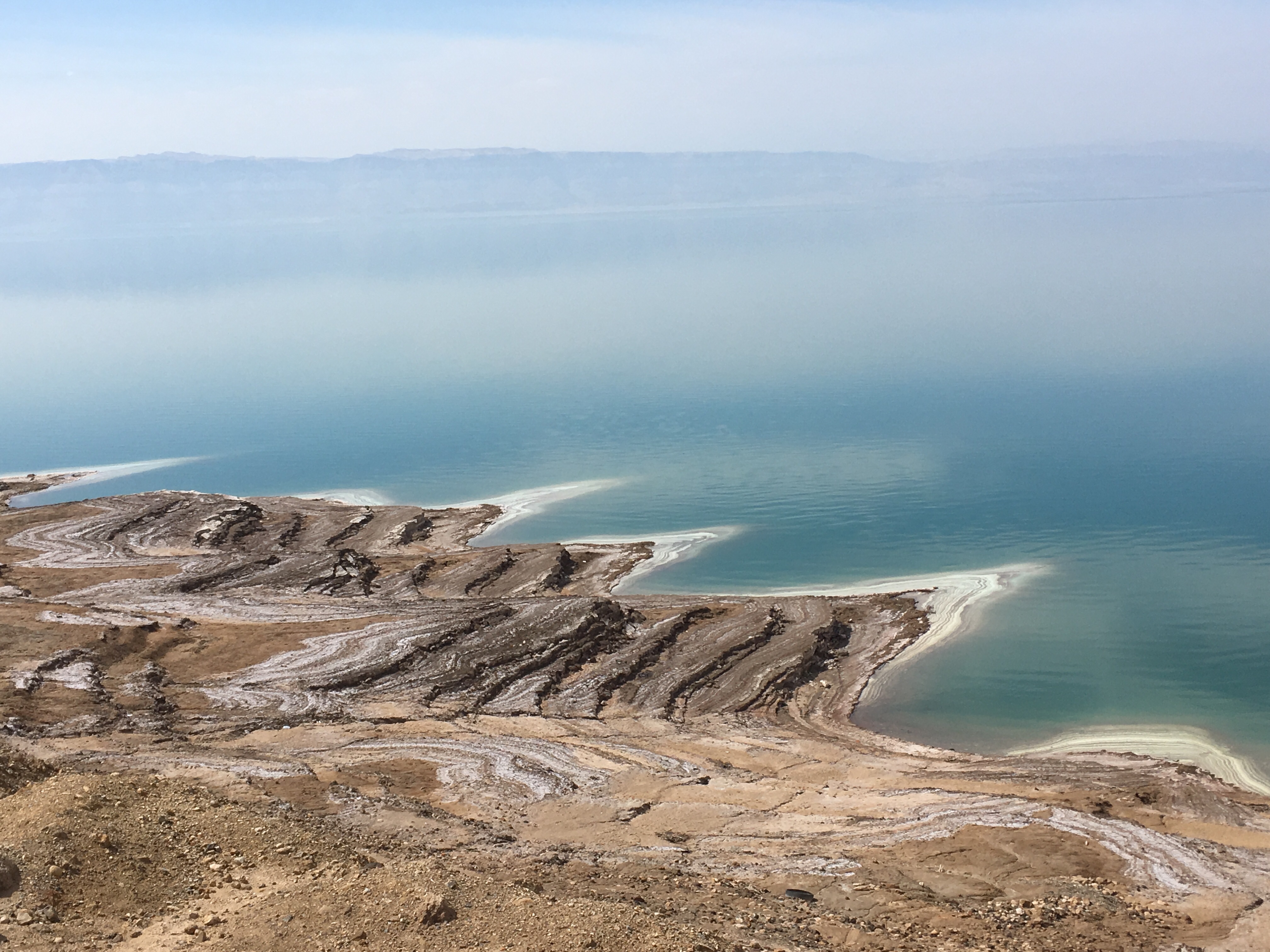
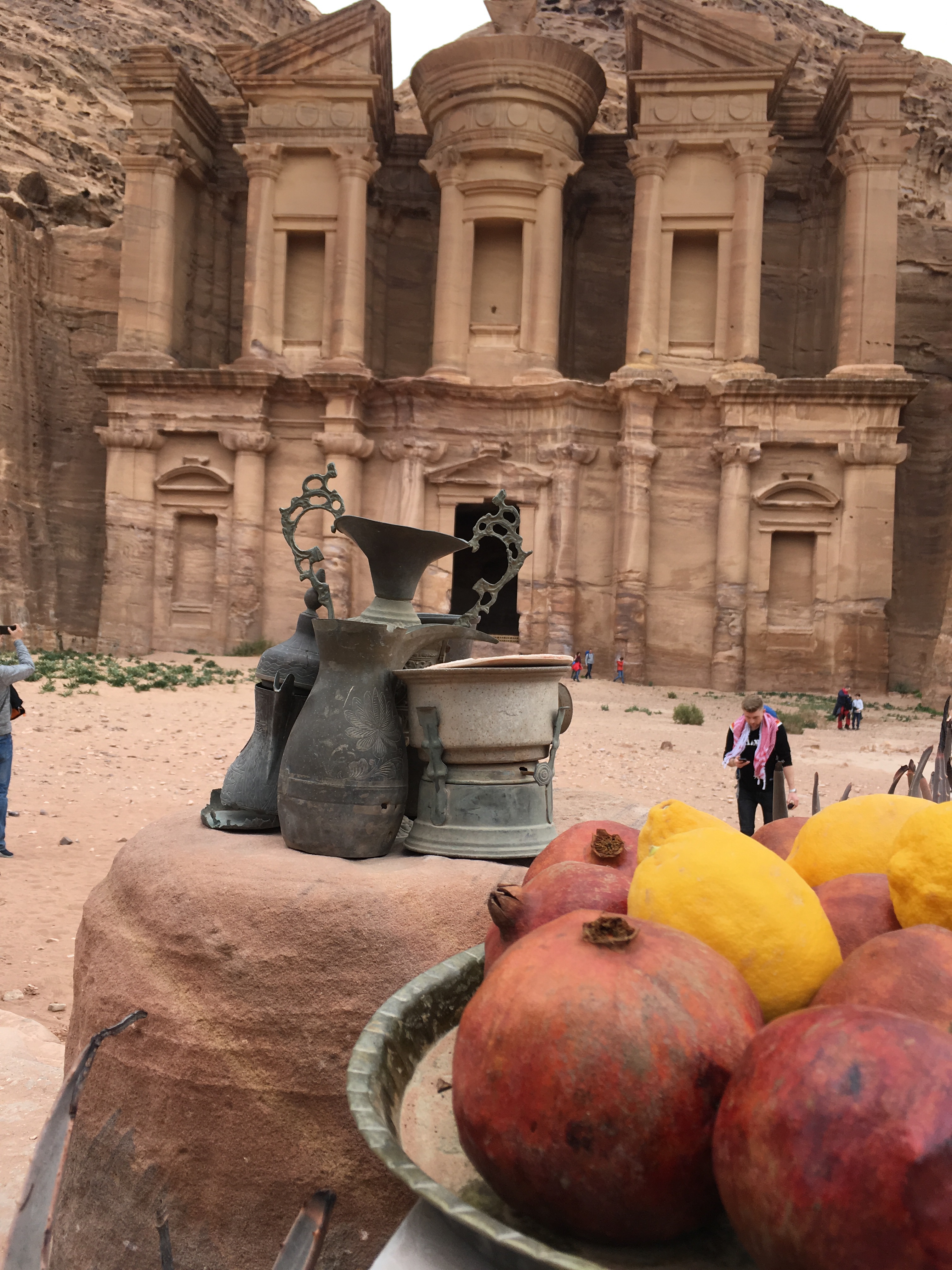
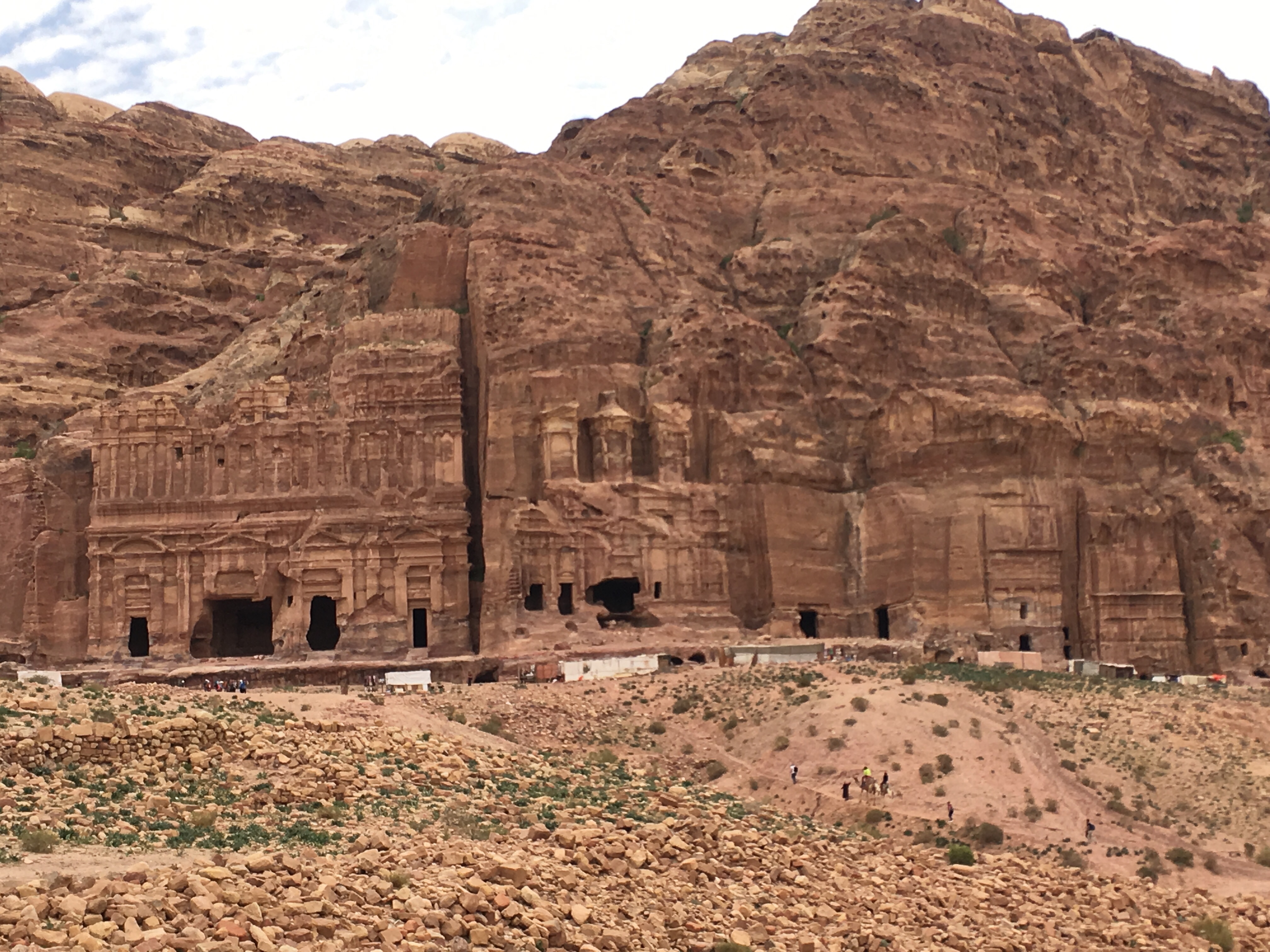
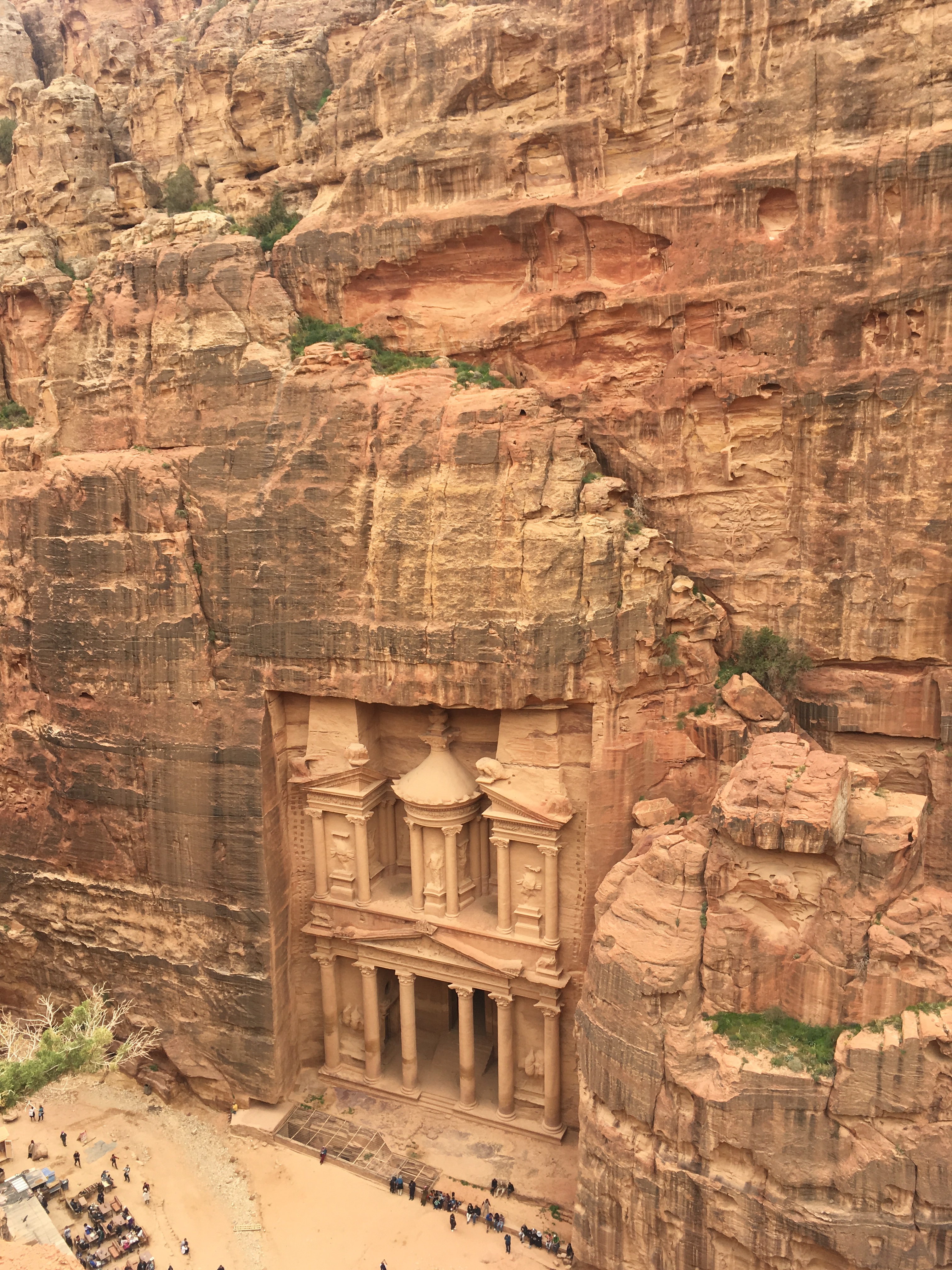
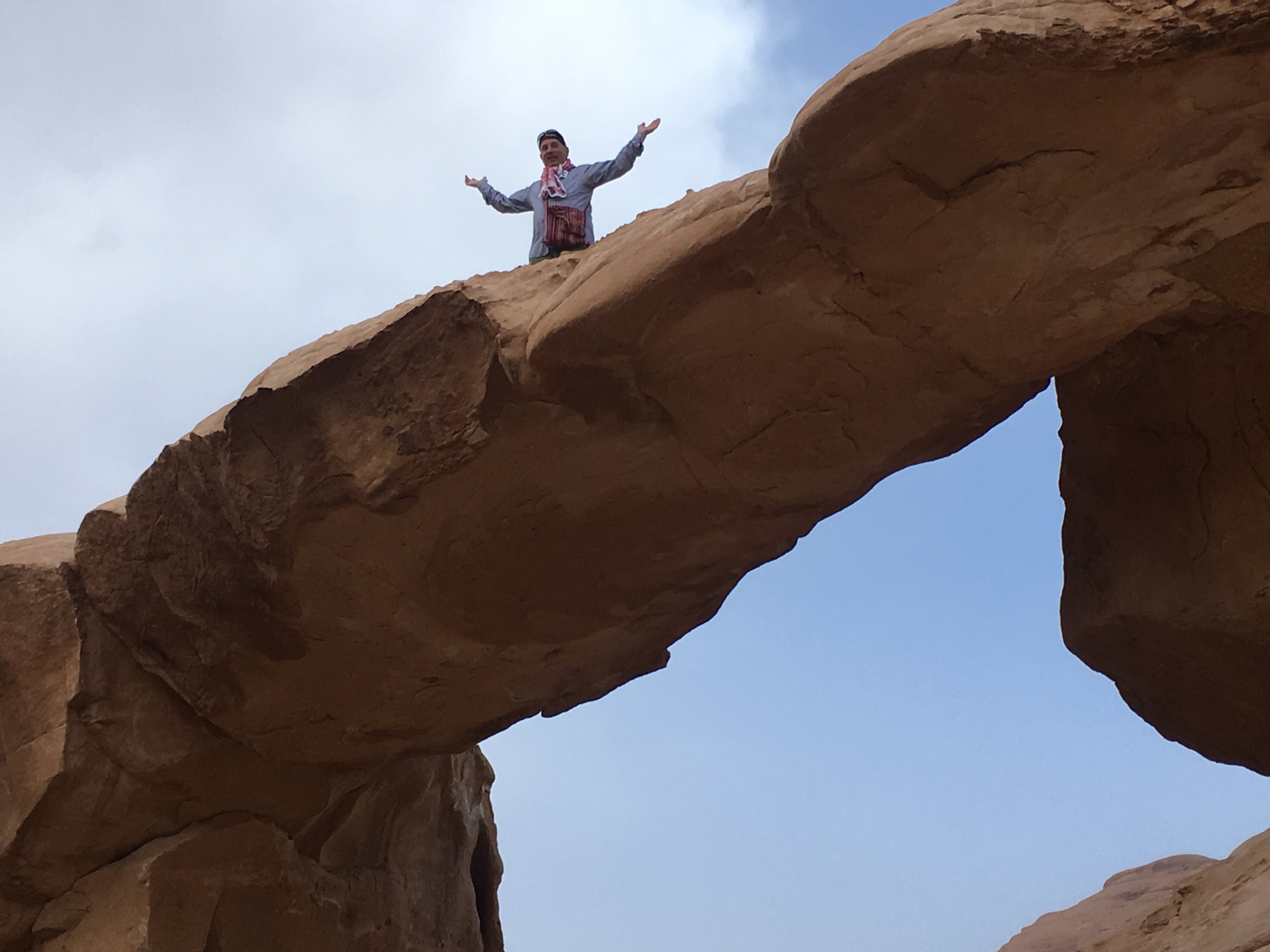
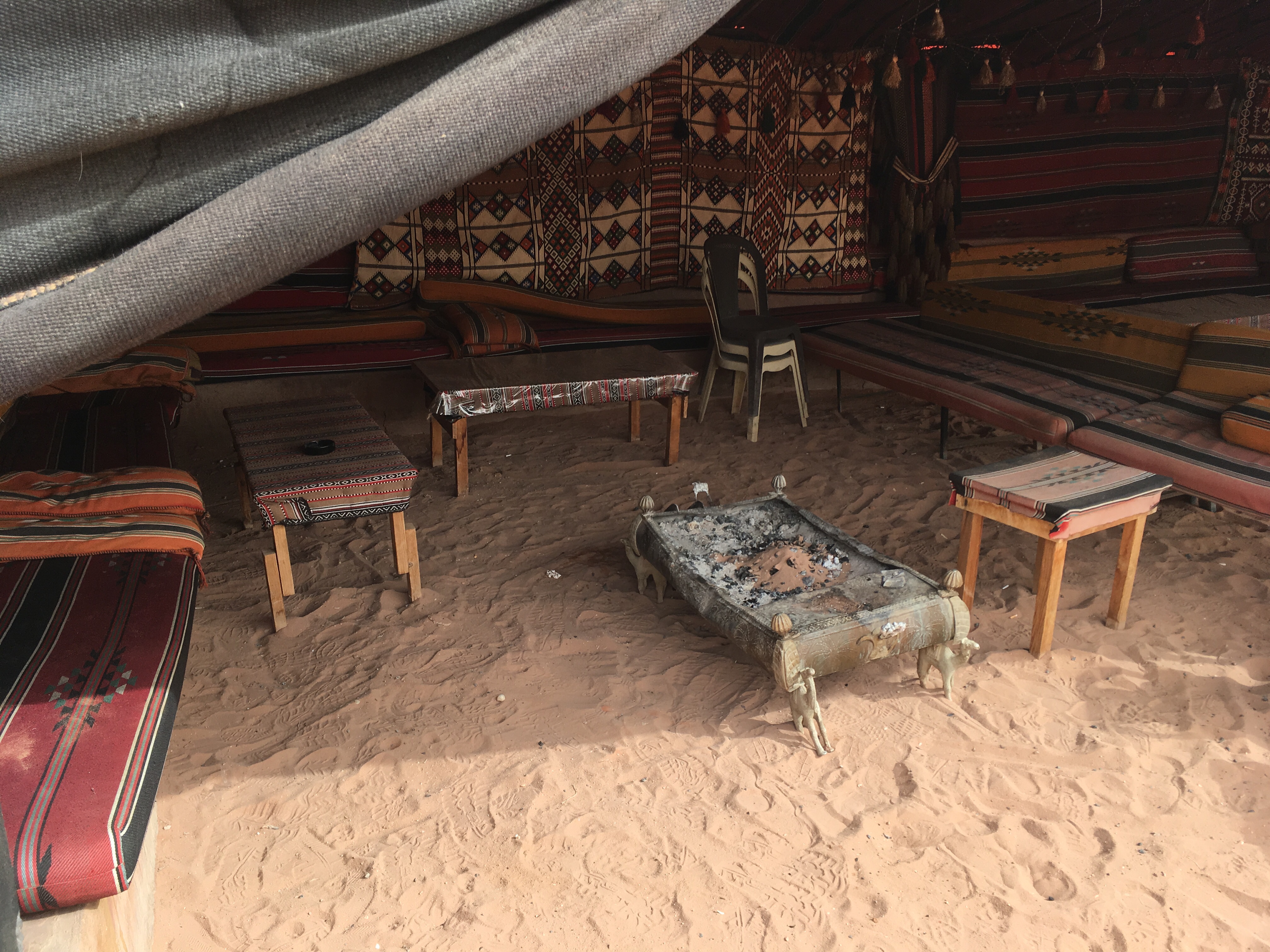
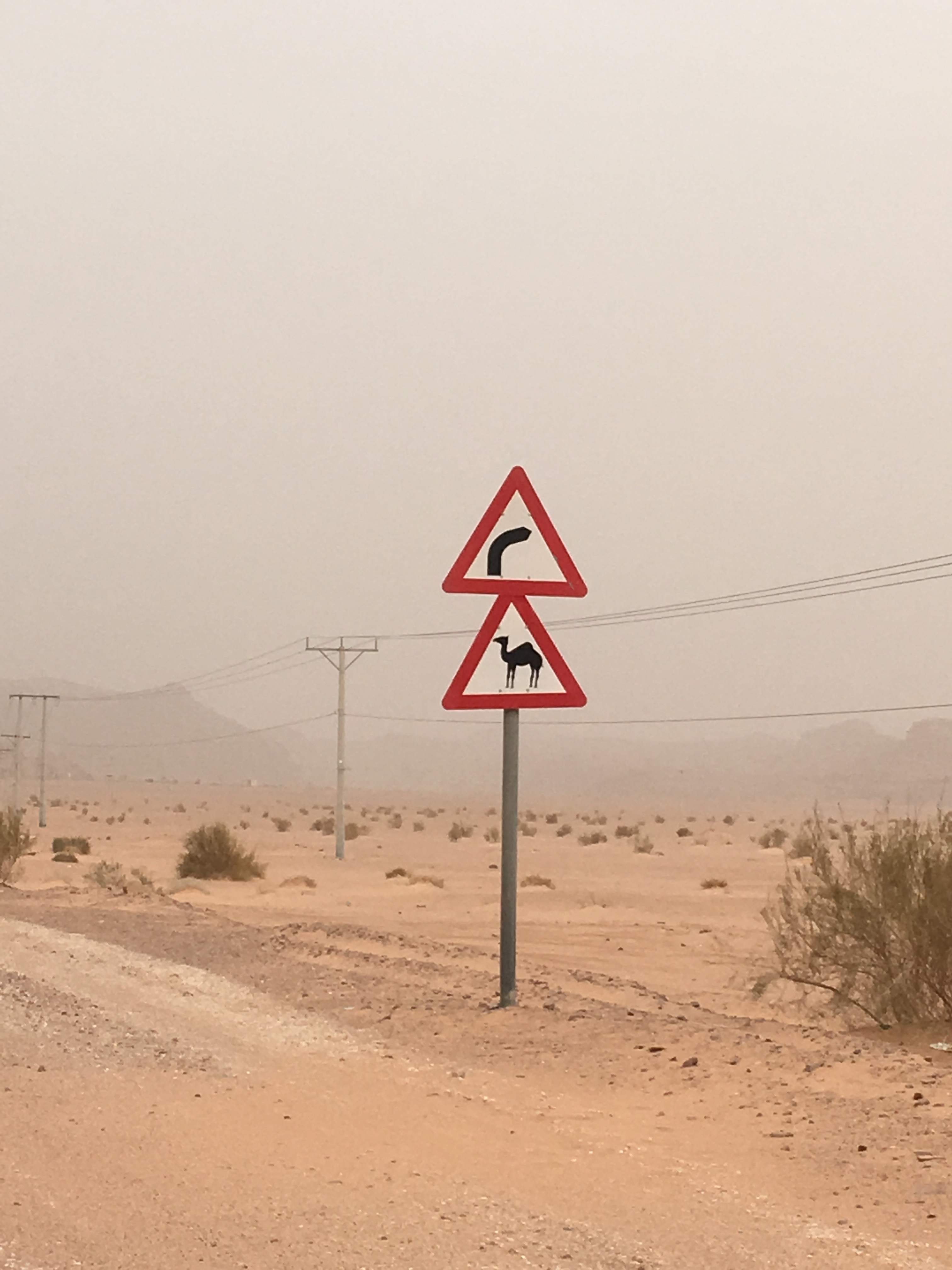
After a few days in the northern district of Israel we crossed the border into Jordan. We rented a car at the border and spent 8 days driving the length of the country to the southern tip. Jordan felt very different from Israel even though they share about 300 km of borderline. One of the things that stood out to us is how traditional lifestyles have survived to the modern age. We started in a small city called Ajloun, where we met with an English teacher I was put in contact with. She took us around to various schools as well as the 12th century castle in town and brought us to her home for a meal. She introduced us to the culture, history and incredible warmth of the Jordanian people. We visited Jerash, the capital Amman, the Dead Sea, Petra, Wadi Rum (we stayed in the dessert) and Aqaba, where Jim claims he experienced the best snorkeling ever. The sights were incredible, the history of the country is fascinating and the landscape beautiful but what really stands out to me are the interactions with people. Everyone was very friendly, helpful, generous and took time to get to know us. This was true in the hotels, restaurants, and on the streets both in the city and countryside. One example was a man named Mohamed who we met at our last stop in Aqaba. We met him when we went to the beach to try out snorkeling. He grew up in Aqaba and loved the Red Sea. He knew all the best places to find coral and took time to show us and sat with me and visited while Jim went exploring. He was incredibly knowledgeable and also curious and asked deep questions about how things are in the US.

Before we went, I’m embarrassed to admit, I wouldn’t have been able to quickly find Jordan on the map and all I heard in the news about the area was about conflicts and air strikes. I still don’t claim to understand the politics but, having had the opportunity to visit these places I feel much more connected to what the news is reporting and the people who are living through these conflicts. I recently read what President Obama wrote on Holocaust Remembrance Day. “And today, in our world of encroaching division and calcifying bubbles, we’ve seen once again the swiftness with which that choice-that failure to recognize ourselves in one another- can accelerate into violence. So its up to us to make a different choice- to choose empathy over apathy; to sow seeds of hope rather than hate; to embrace our shared humanity, no matter how we worship, what we look like, who we love, or where our families came from.”

Our hope is that we can hold onto these lessons as we return home. That we can continue to recognize ourselves in each other and find our shared humanity together.

We hope all of you are enjoying spring wherever you are.

Peace

Michelle and Jim
Ethiopia: the birthplace of everything

It seems like ages since we were in Ethiopia. Our time there was amazing. Ethiopia had been on my list of places I had hoped to visit for many years. Being the birth place of coffee for one but more because of the people I had met from there. I have friends, and students whose families come from Ethiopia and I also have several teaching colleagues I am privileged to work with from there. Seattle has a significant Ethiopian population and I had heard about it from others and now we were able to go and see for ourselves. Our plan was pretty loose for our 15 day visit. We had some emails and phone numbers and a hotel booked for the first two nights. We landed on March 1st and were met by Wass, a friend Jim got know during a mission trip in 2012 with All God’s Children (more info at the end). It was great to see and be with Wass. He became our personal tour guide in Addis Ababa as well our 5 day journey to Northern Ethiopia. He also answered an endless number of questions I had about Ethiopia. Most of his answers included the statement “_____ started in Ethiopia.” So if you ask me all things started in Ethiopia…according to Wass.

We didn’t realize we arrived on a national holiday. So our introduction to Ethiopia was on Adwa Victory Day, a great day of national pride. This is the day Ethiopians celebrate the victory of Emperor Menelik over the Italian army on March 2, 1896. We joined the celebration in the city center for a few hours watching the singing and dancing that continued into the night. We got an immediate introduction into how proud Ethiopians are of their country and their independence.

The next few days I spent at one of the government elementary schools in Southwestern Addis. Jim had helped create a library, soccer field and basketball court when he was here in 2012. It is a school that has students from Kindergarten to grade 8. English is taught as a subject until 6th grade and then all subjects are taught in English. I thought I would be observing and helping in a few English classrooms. Here is what the introduction looked like I wrote it in an email that night to a teaching friend:

You might appreciate my crazy day. We went to visit a government school that our friend is connected to through a NGO child sponsorship program. I just wanted to visit some classes, hopefully English classes and meet some teachers and be helpful if I could. BUT when we showed up, the director took me up to a classroom of grade 3 kids, he handed me the English textbook, and a piece of chalk and told me the English teacher was in the hospital and i would be teaching all week!🤪 Oh and the kids will tell you where they are in the book. Then he left. It was me staring at 40-50 kids! They spoke very little English and I speak even less Amharic, like none. So I started with a get to know you activity which included me asking a question and them answering. I wrote it on the board. What is your favorite ______? My favorite ______ is _____. I started with food, everyone likes food. It took a few minutes and a lot of giggling, then one brave student was willing to speak and eventually we were all into it. After about 30 min (seemed like eternity) the kids start saying “Sport”. No one told me how long the class was supposed to be or if they would come and get the kids at the end. So I asked, “Do you have sport now?” They said yes. So I asked, do you go by yourself? No answer, so I tried to dismiss them but they wouldn’t leave and there were no teachers around in the halls to ask. So I kept teaching until eventually someone came to dismiss the class. It was kind of crazy!

Second class after lunch went much, much better!

By the end of my three days I had taught all 5 sections of the 3rd grade classes that same English lesson and a couple other lessons as well. I did get to observe some other teachers and classrooms and managed to play jump rope with the kids at recess. I realized again I love and miss teaching! While I has teaching Jim and Wass were making improvements to electrical panels in the school and dreaming together with the director about future improvements to the bathrooms for the school.

After three days of teaching we left for a short journey up north to Bahir Dar and Lalibela with Wass. Part of our excitement was the fact that this trip would be the first time Wass stepped onto an airplane. Our first two days took us to Bahir Dar, the capital of the Amhara region and a large town on Lake Tana. This is the collecting point of the tributaries that create the source of the Blue Nile.  Turns out the Blue Nile is anything but blue.

During our time there we had the opportunity to visit active Ethiopian Othordox Monestaries founded in the 12th and 13th Century and learn about what makes their church different from other Christian churches around the world. According to what we learned it is believed that Christianity originated in Ethiopia and the Ark of the Covenant is being protected in Ethiopia, although the exact location is also being protected. In order to visit we took a boat trip on Lake Tana where we saw traditional reed fishing boats that have been used for centuries but have to be replaced every 3-4 months.

From Bahir Dar we flew to Lalibela, the capital of Ethiopia in the 13th Century. Lalibela is the name of a beloved and benevelant king who over a period of 23 years commissioned and supervised the building of around 12 churches out of a single piece of stone, a mountain really. The Lonely Planet claims these structures rival or even surpass Ankor Wat and Machu Piccho. What struck me was that these churches are still in active use, which makes it feel very different from Ankor Wat in Cambodia. On our last day we set out to climb to another church on a mountain that Wass had been to before. Once we were 1/2 way we changed our minds and decided to go to another peak. We hired a local who knew a short cut route and he took us up and up to a lodge, just under 11,000 ft., with incredible views. I was very humbled by all the people who make this trek weekly to go to town for provisions or to attend schools. People of all ages and with heavy loads of wood or other goods they are carrying. At the end of our 6 hours of hiking I could barely stand but I was thankful for the support and encouragement I had to make it.

We returned to Addis for our final four days. They were packed full of visits and meeting new friends. We were able to meet with two of my teaching colleagues families. First we met with the family of Mr. Kassa, a teacher I have shared an office with for a few years. I have had many conversations with Mr. Kassa about Ethiopia and I remember telling him my plans to visit back in fall of 2017. So to finally be here and meet his daughters and sister was very special. I had coffee with his youngest daughter, who then invited us to their house for dinner so I could meet more of the family. It was one of the best meals we ate our whole time in Ethiopia. We were also treated to dinner by the brother of another teacher I have worked with for about 9 years, Mr. Lulu. These meetings were such an honor and very meaningful to me. To make these connections made the world seem much smaller to me again. I also visited a couple more schools. One that friends of friends of ours in Seattle are teaching at and another that we heard about through a restaurant owner we got to know, we ate at his restaurant at least 4 times. I learned a lot about the different types of schools and was inspired by what I saw educators doing.

Fifteen days were not enough! Leaving was a little bitter sweet as we knew we had just scratched the surface of this beautiful country with all its history, natural beauty and great coffee. But we are so thankful for our time here and the people we met, connections we made and the things we got to see and experience.

All Gods’s Children, which I mentioned earlier, is a Washington State non-profit that supports both children from poor families and orphans who are transitioning from the orphanage to the big city life beyond the orphanage walls. They accomplish this nearly impossible task by working with the local government, who identifies the children, and US families that financially sponsor the selected children. They current provide support for 400 children and hope to expand this to 1000 children within the next two years. Many thanks for the work they are doing in Ethiopia.  I have included a link to their website if you would like to learn more. 

https://allgodschildren.org/

.

Bananas about Uganda

We spent the month of February in Uganda. We traveled over 3600 kilometers and covered most of the country (except the northwest corner). Uganda is known as the “Pearl of Africa” and also the “Banana Republic”, by locals. Fast facts: population about 45 million and 84% live in rural areas. Uganda is a landlocked country and about the size of Arizona. Biggest city: Kampala with about 1.3 million people. Uganda has almost everything: mountains (with snow), forests, jungles, rivers and lakes including Lake Victoria (largest lake in Africa and it has many islands). Fun fact: It is the second largest producer of bananas in the world with 84 unique varieties. The average Ugandan adult eats 550 lbs. of bananas a year. Most of that is matoke, like a plantain but different (google it). They also grow cassava, pineapples, jackfruit (one almost fell on my head), avocados (they are like blackberries to us-everywhere), maize, millet, sorghum, sugarcane and of course coffee and tea.

We were able to visit 6 of the national parks in the country, all very different from each other. We saw hippos, buffalo, elephants, giraffes, several types of antelope, crocodiles (on the Nile), baboons, warthogs (even baby Pumbaas), and finally 3 lion sightings and gorillas. It was incredible.

The day we trekked into Bwindi Impenetrable National Park to see the mountain gorillas was unforgettable. We arrived in the morning and they explain that the trackers have been out since dawn looking for the 10 habituated family groups. There are 27 total family groups in the forest and each family has 8-15 gorillas. They nest in a new spot every night. We got put into groups of 8 tourists with one guide and one ranger who carries a gun in case we come upon elephants who also live in the forest. We hiked for two hours gaining about 1000 feet in elevation. Our group was unique in that one traveler was carried the whole way on a gurney of sorts (a car seat that was welded to two bars and carried by 4 extra guides. He was humbled and thankful to get to experience the gorillas as well. When we got close we heard the trackers whistle to our guide to prepare us. We left our bags, water, food, etc. and only carried our cameras and followed the trackers. We were no longer on a trail so they used machetes to make a way. We could see the bushes moving and first saw an adolescent, then another, then two females with two babies and finally the silverback. There were a total of 14 gorillas in this family. We spent just over an hour with them. Mostly they ate and the babies played. We were told to stay at least 7 meters distance from them but one adolescent gorilla didn’t know that rule and almost stepped on Jim’s toe walking by him. Our guide was next to him and said, “Stay calm and don’t move.” It was an unreal and beautiful experience.

Jim’s addition…After communing with the Gorillas, Gerald took us to Lake Bunyonyi, one of the deepest lakes in Africa, on the border of Rwanda. The lodge where we stayed had an incredible view of both the lake and the series of the 4 volcanic mountains of Uganda, Rwanda and The Congo (DRC) of which the Congolese one is still active.

Now to the Safari, with the help of Gerald’s friends we were able to put together a remarkable 5 day Safari to 4 National Parks. Murchison is the largest in Uganda. Its vastness and number and diversity of animals is overwhelming. From there we journeyed to Kidepo in a remote area on the border with South Sudan. The incredible natural beauty of this park has won my heart and I now consider it the most inviting region I have visited in Africa. The wildlife is stunning and we had the uncommon experience of greeting a herd of several hundred buffalo settling down for the the night on either side and in the middle of the road. Our quide carefully and gingerly maneuvered our vehicle through the herd as these animals are one of the most dangerous and unpredictable ones in Africa.

The next day we headed to Mt Elgon and Sipi Falls, an area I know well as it is one of the best coffee growing areas of Uganda. As Michelle mentioned each area of Uganda has its own special character and this one did not dissapoint.

Our last stop was in Jinja, home of the source of the White Nile. I had crossed the Nile at least 4 times prior to this visit and my coffee colleagues would point in the direction of Lake Victoria and say, “there is the source of the Nile”. I had always acknowledged and accepted their answer until now that we really did see it. Yes, water does empty out of Lake Victoria, particularly in the rainy season, but the unending source comes welling up from beneath lake bed and is the real eternal source of the Nile.

The other gift in our time in Uganda were the people we met, stayed with and learned from. A friend of ours from Seattle lives in Uganda and organizes adult literacy classes around Mbale, which is in Eastern Uganda. He was still in Seattle visiting family but let us stay in his home. He shares his home with several students who welcomed us. These three young men, who just finished a degree in hospitality, took great care of us. They showed us around Kampala, took us to a movie, cooked for us and taught me how to make my first Ugandan dish. Ugandan Smoked Fish Stew (they called it “Fish Daga”). It was great. We were able to come back at the end of the month and celebrate their graduation. These three are great examples of many of the people we met throughout our time. They are incredibly optimistic and hopeful even though they have overcome many hardships. They love Uganda and feel very positive about their futures. In Uganda many people are still affected by the HIV virus, TB or other life threatening illnesses. Many have lost parents or other loved ones and have had to work extra hard to pursue their dreams.

Another gift to me were three women we lived with in Kanungu (southwestern Uganda). Rabecca, Jane and Caro are the definition of joy, kindness, and generosity. At first they weren’t really sure what to think of me. They were probably wondering why is this Mzungu (white person) coming to live with us in this remote village for 10 days? I asked a lot of questions and I walked around taking random pictures of flowers and banana trees. We used google images to help understand each other when language wasn’t working. Then Jim and Gerald, the coffee farmer friend that is mentioned earlier, went to Rwanda for a coffee conference for 4 days, so it was just the girls! We laughed (mostly at me), we turned up the music and sang and danced, which led to more laughing. We cooked and ate. They taught me to make a traditional chicken dinner wrapped in banana leaves (chicken luwombo) and chapati and g-nut sauce. One night a matatu (motorbike) showed up at the house with a box of four bottles of wine, from Gerald. We opened one to go with our fancy chicken dinner. A night to remember! It is remarkable how quickly friendships bond. I will return to visit again.

The last experience that stuck with me was a day we spent with Gerald visiting the village where his mom grew up. He is very proud of his country and has an incredible heart for his local community. He helps support the local schools and sponsors several children for their school fees in the community because he cares. So he took us to meet a shop keeper, Gideon, who trades coffee for food and other household necessities in his village. The village is very poor by the worlds standards. I don’t know if anyone makes money there but they have everything they need and so much more. Everyone has coffee trees. So when they need beans or rice or sugar they bring Gideon a kilo of red cherries, the fruit of the coffee plant, and trade him for what they need. He then dries it outside his shop and when he has a truckload he calls Gerald to come and get it for processing. Gideon took us around to meet the neighbors. We met a single mom with two little kids and 6 acres of coffee trees. We also met a grandmother who stopped building her house so she could pay for school fees for her grandchildren. And finally we met the “original” coffee farmer in the area (about 70 years old) who raised Gideon when he lost both his parents. He told us the story of burying the original trees in a hole when the government was trying to get control of all the coffee production. He dug them up when it was safe to start planting again and now those trees are supporting the whole village. There was a richness and sacrificial support of one another in that community that was very striking to me. It’s what I think we need more examples of in our world.

We remain grateful for this time and hold all of you close in our hearts and talk of you often.

Peace

Michelle and Jim
Caro, Rabecca and Jane

Jim, original farmer, Gideon, and Gerald