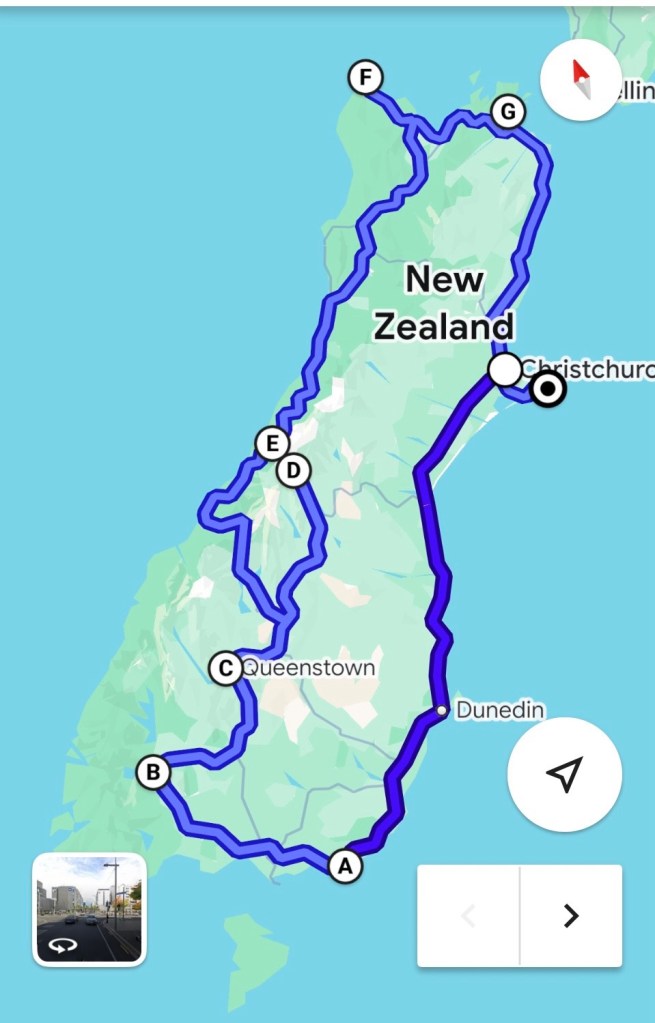
After my dental appointment we started north to visit the iconic Mt Cook National Park. Our escape from Queenstown lead us through New Zealand southern wine district known for their Pinot Noir. We hoped to stay the night in the quaint town of Arrowtown but no luck finding a Freedom campervan spot there, so we wound our way up to the Crown Range Summit, where freedom camp spots were plentiful with a beautiful view of the Wakatipu Basin.
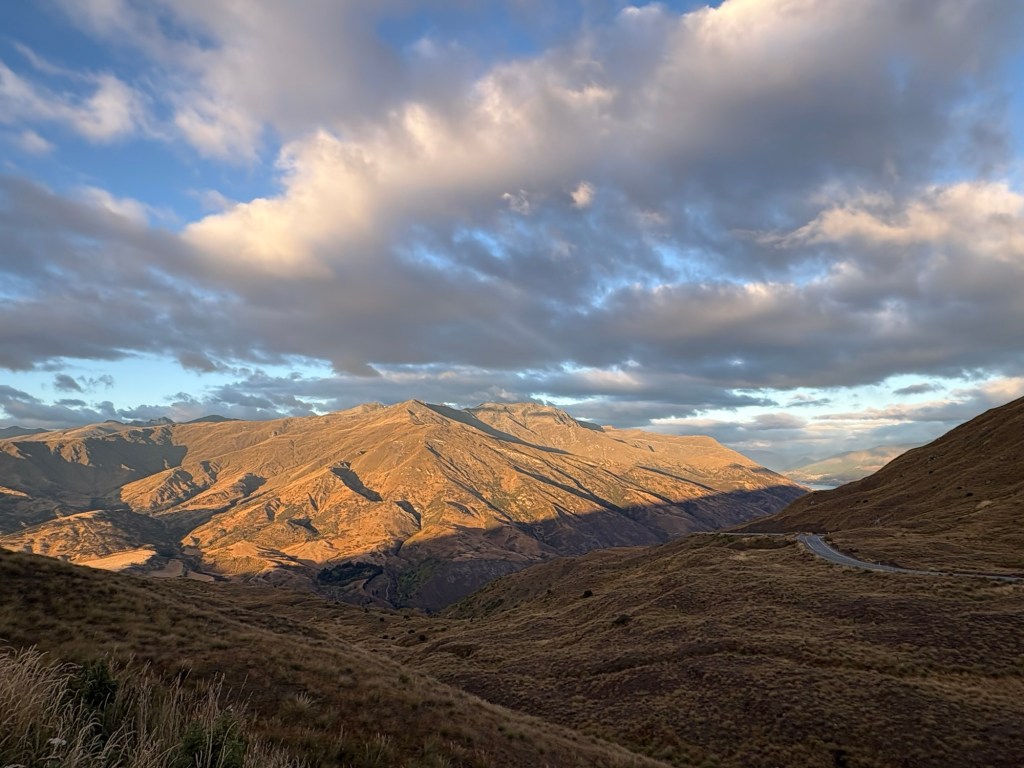
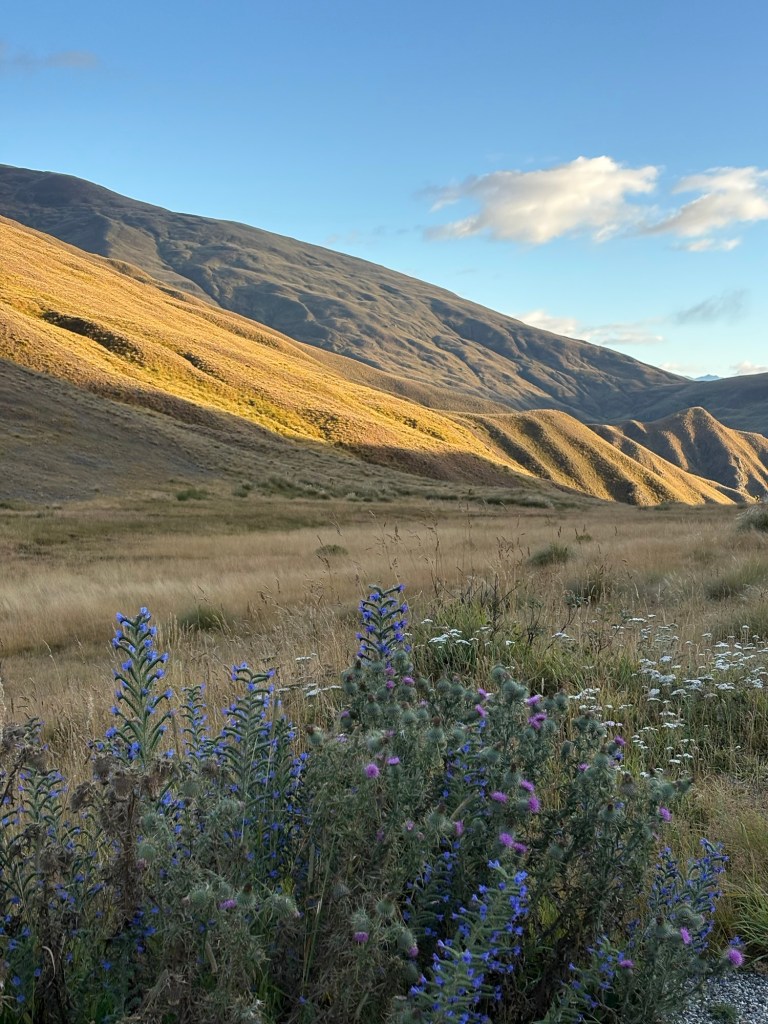
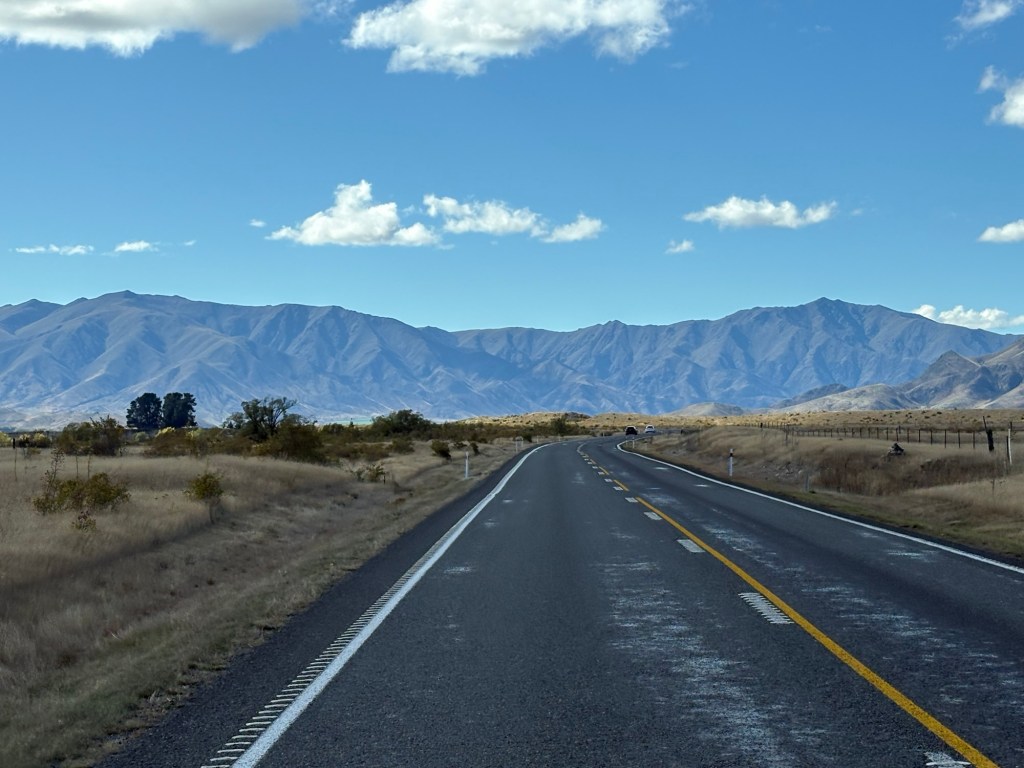
So you might ask, what is NZ freedom camping. In most provinces free campervan camping is allowed in designated areas which there are many, so long as you have a self contained toilet on board. This allowed us significant opportunities along the way. More on that soon.
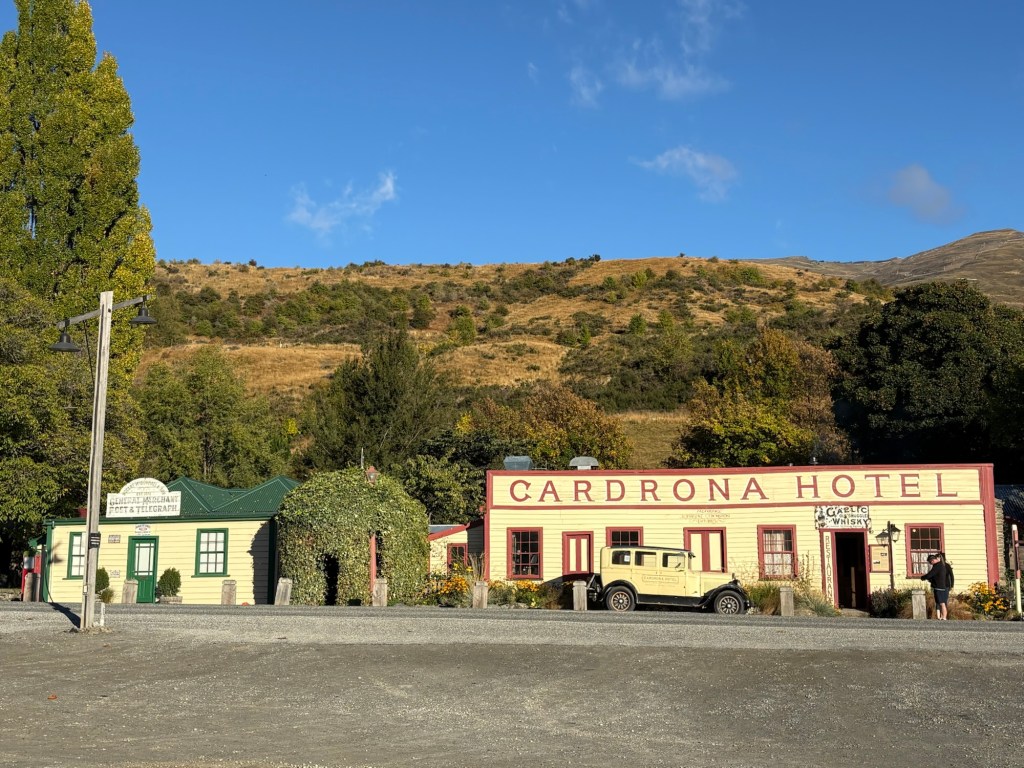
The next day goal was to see Mt. Cook which we were told is a must see. Along the way we visited the oldest continually operated hotel.
Fortunately the weather was turning our way.
When we arrived at the park, high clouds were passing through the mountains.
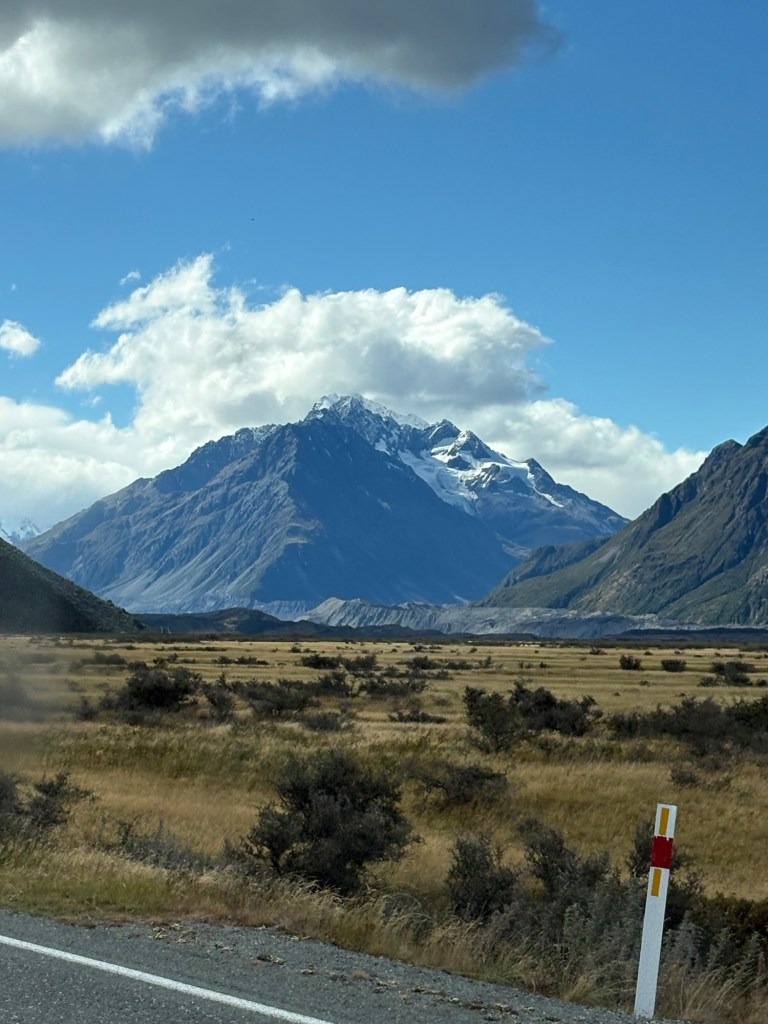
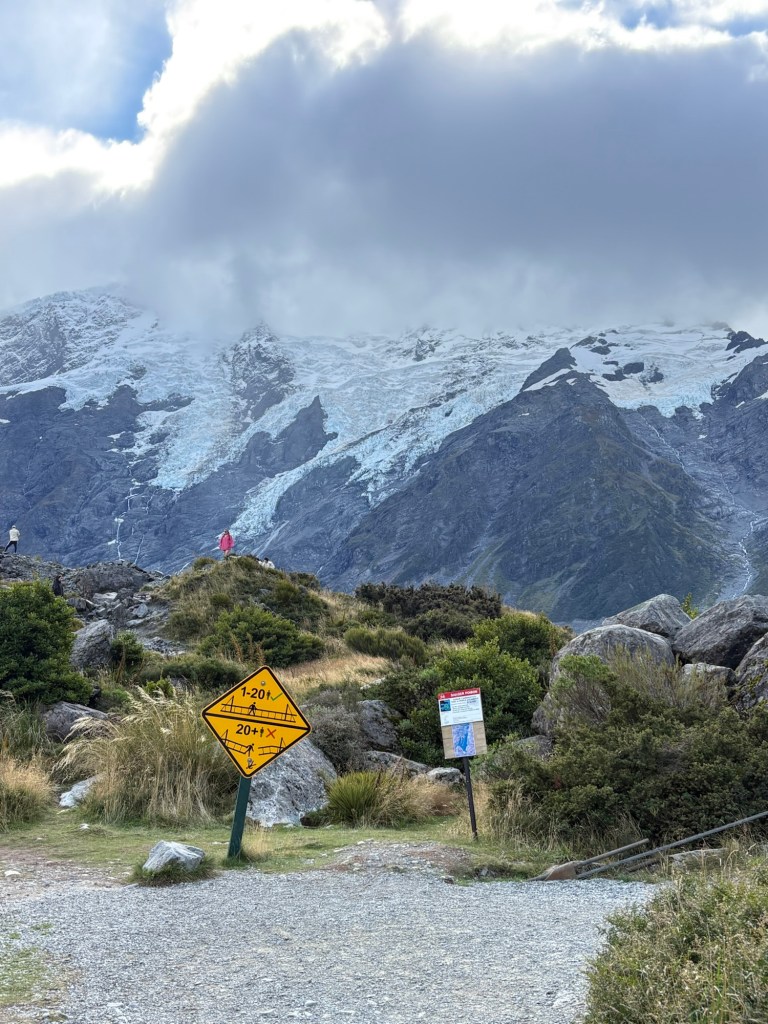
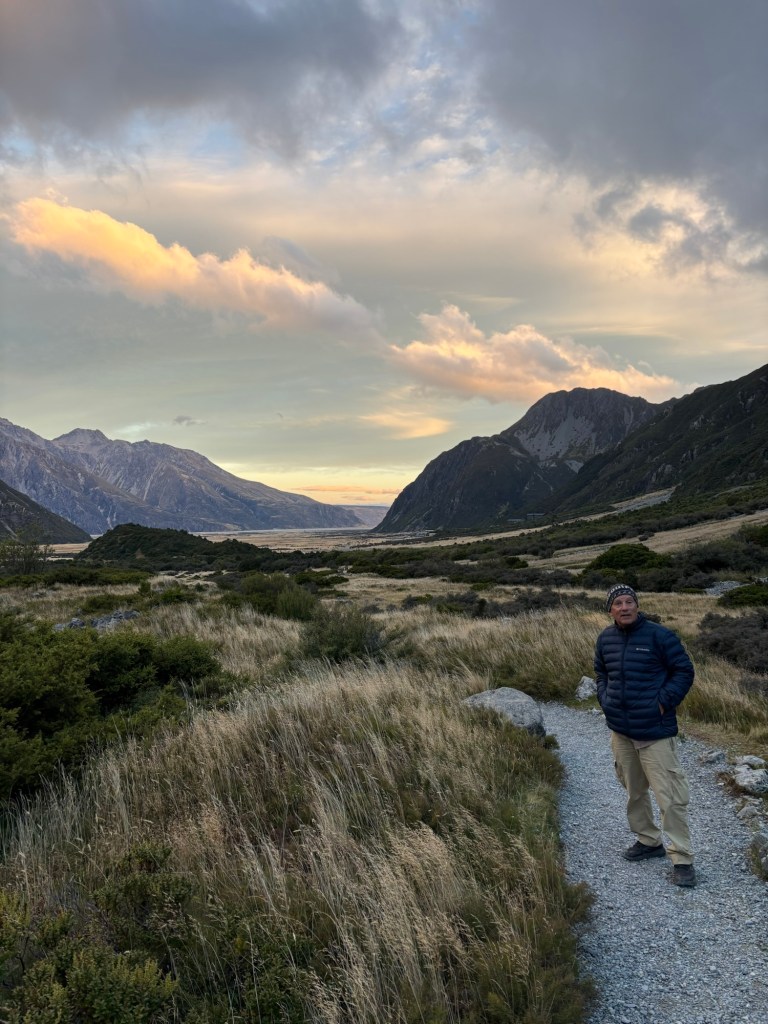
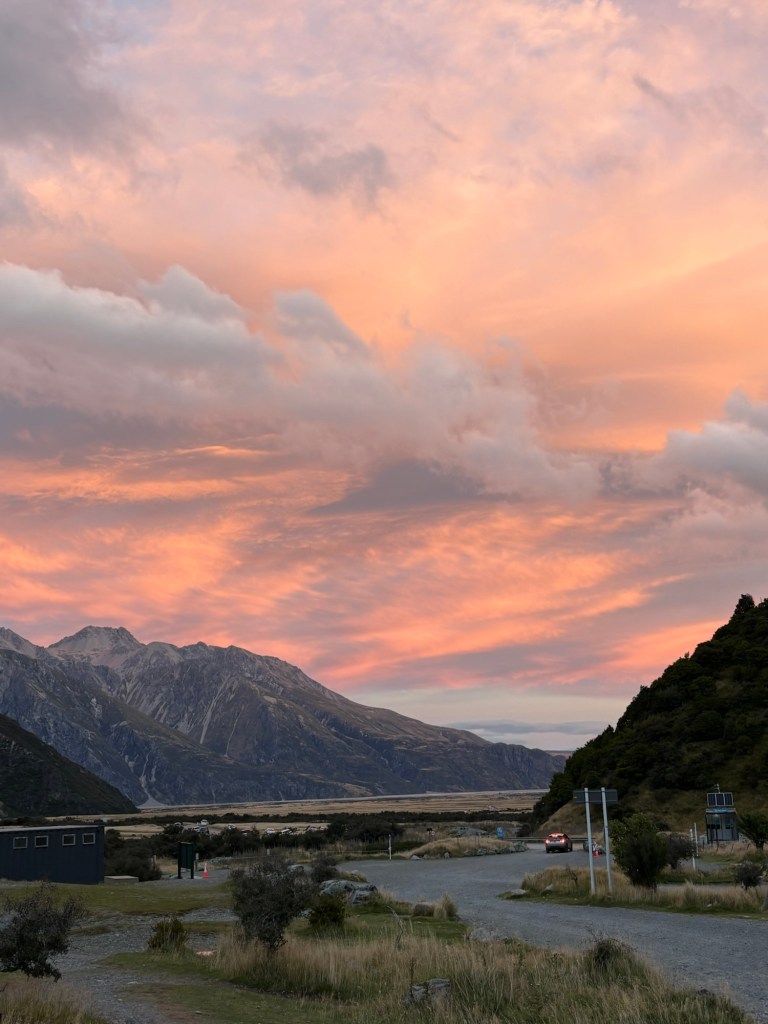
We had hoped to overnight at the Mt. Cook camp ground at the end of the valley, where it appeared to have many open sites, but we were having trouble connecting to the government website. So Michelle spotted a park ranger to get some help. He informed her that the campground was fully booked, BUT, since we were “self contained” he allowed us to stay in the overflow lot for the night. Literally at the very end of the road. Needless to say we were more than delighted and were treated to a completely clear night filled with the universe of stars and galaxies and a picture perfect sunrise.
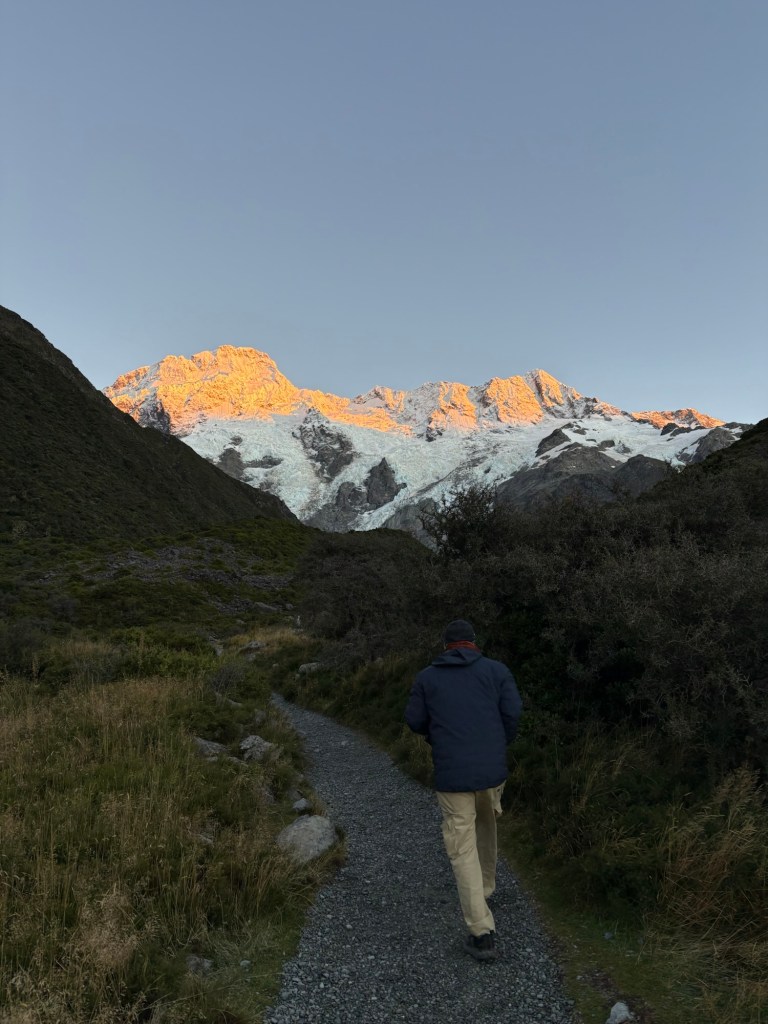
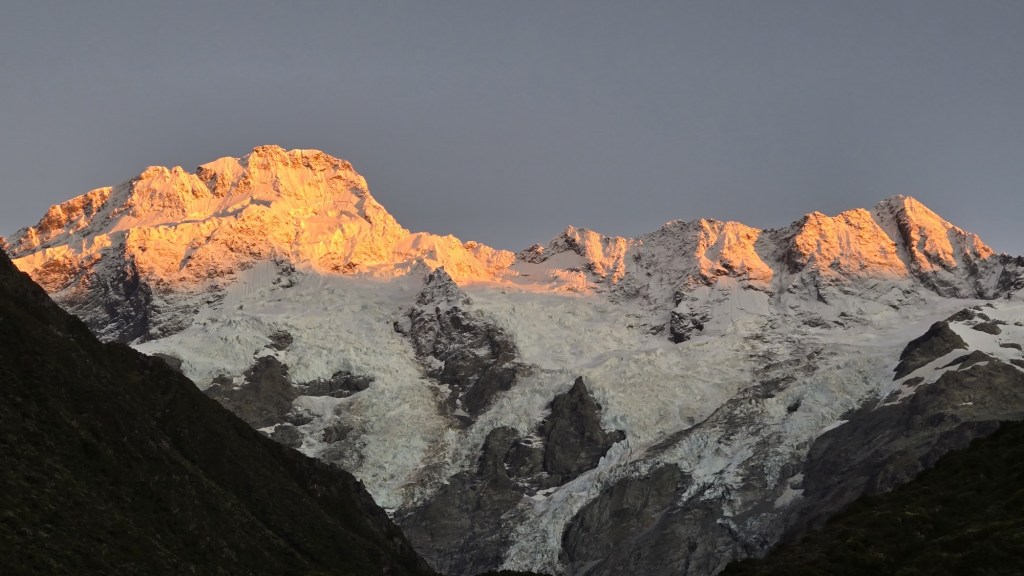
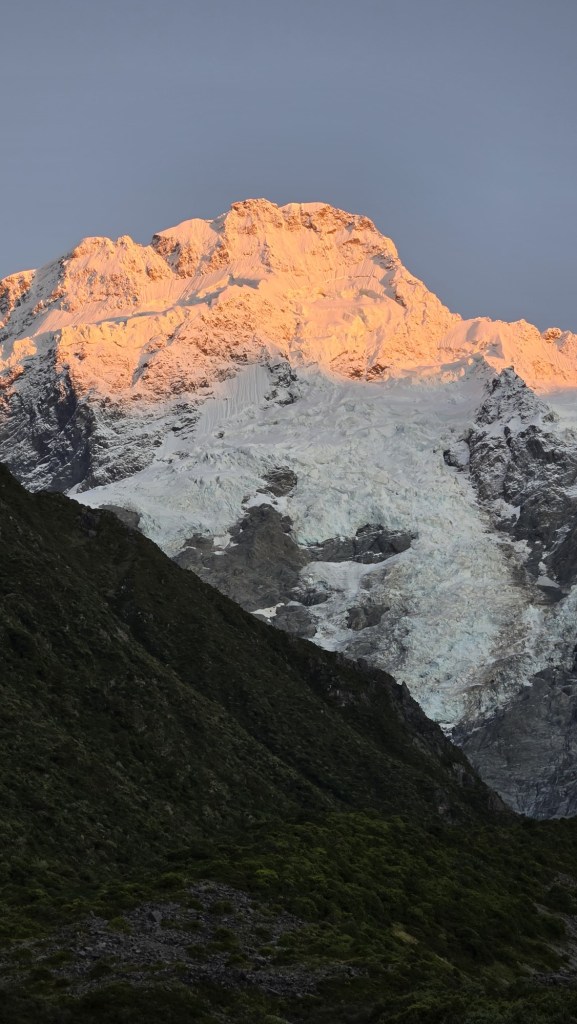
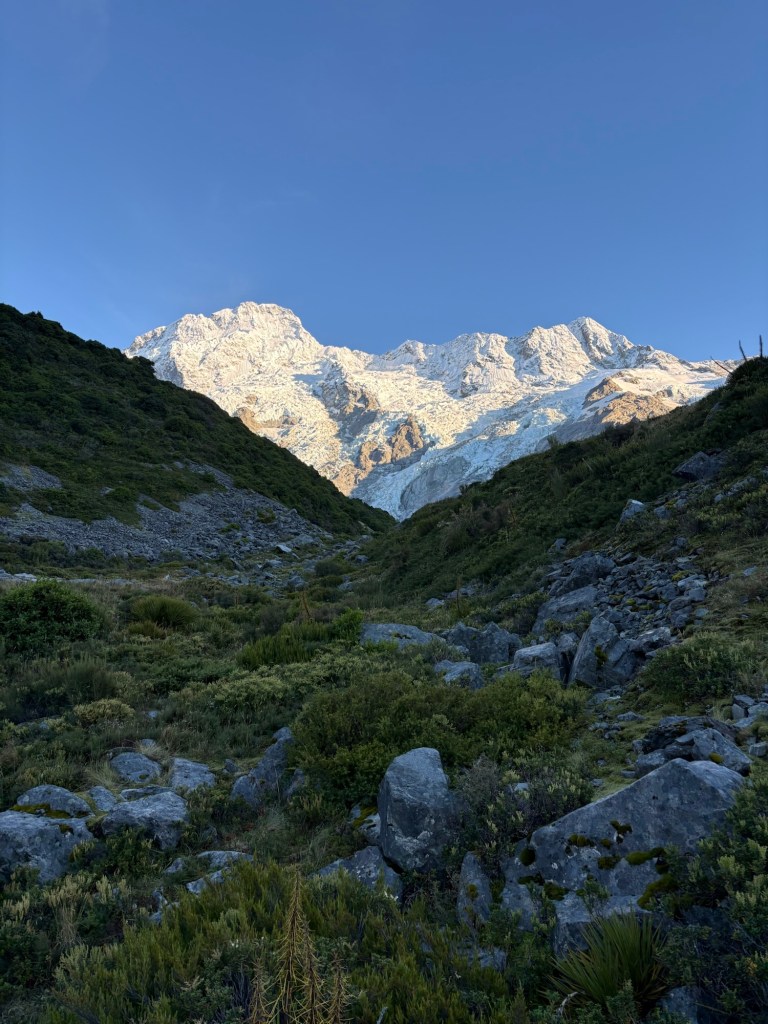
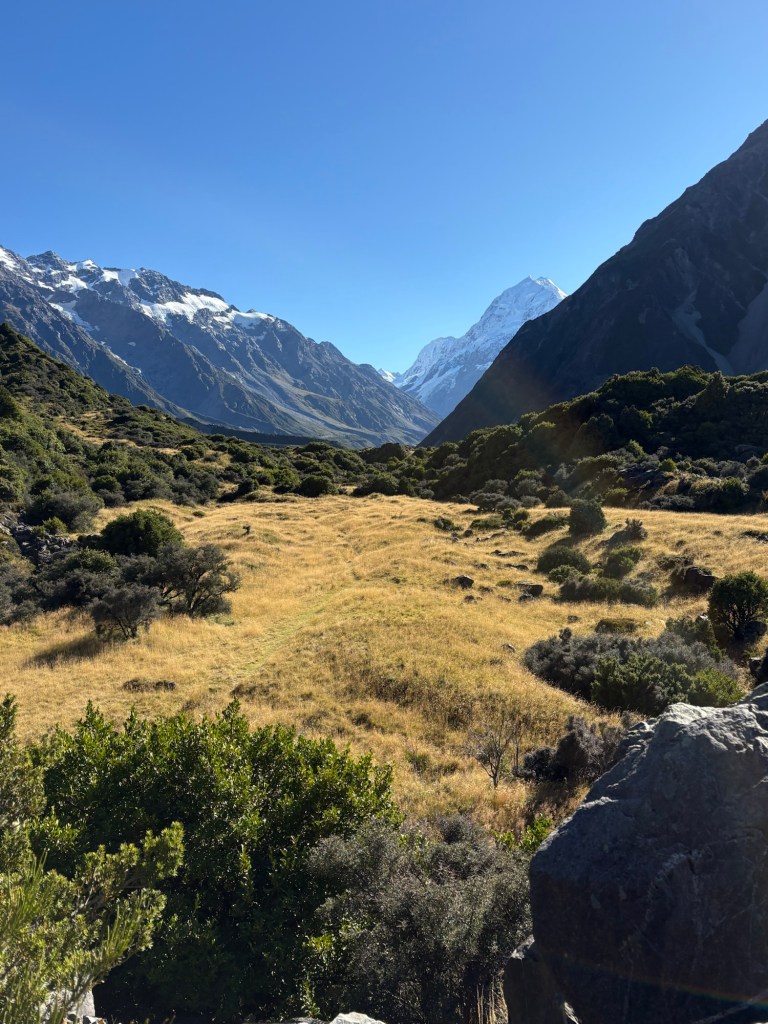
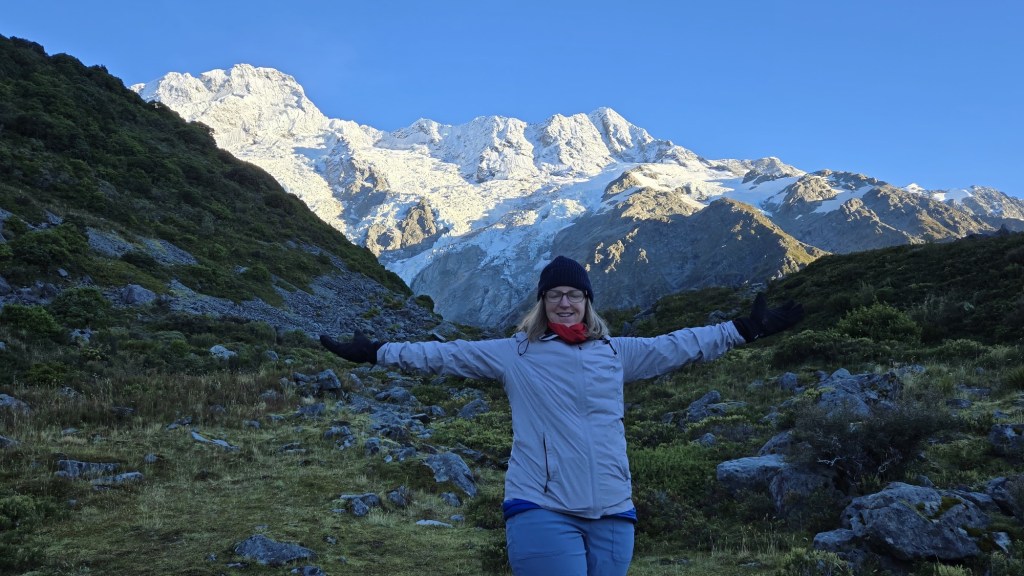
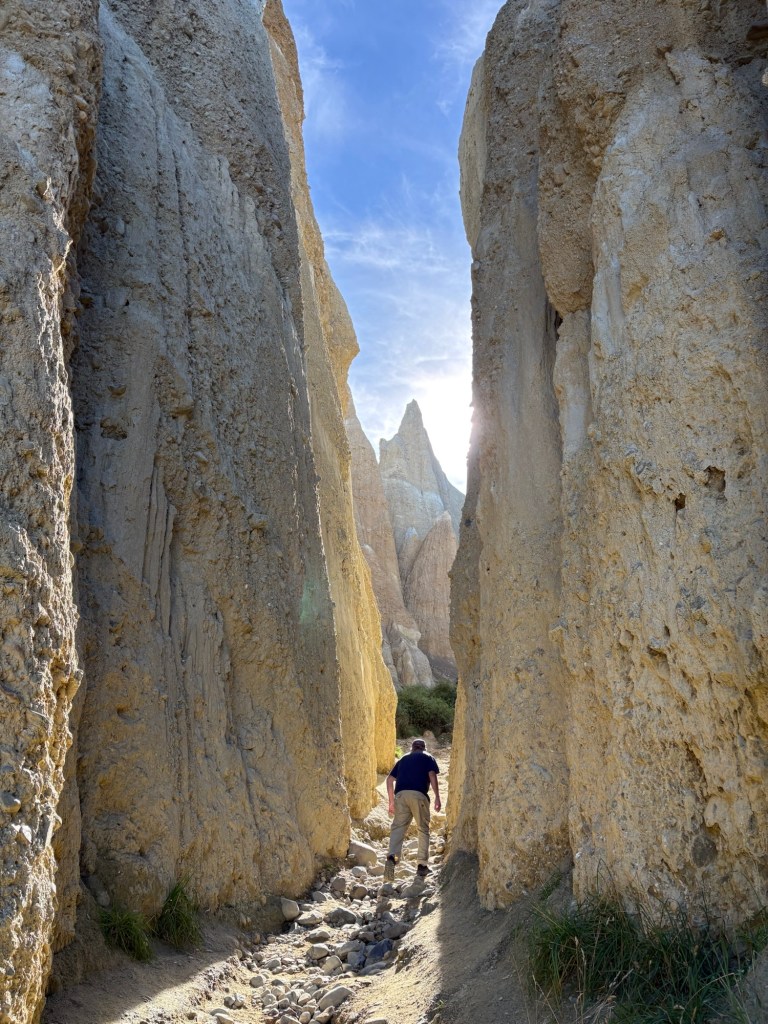
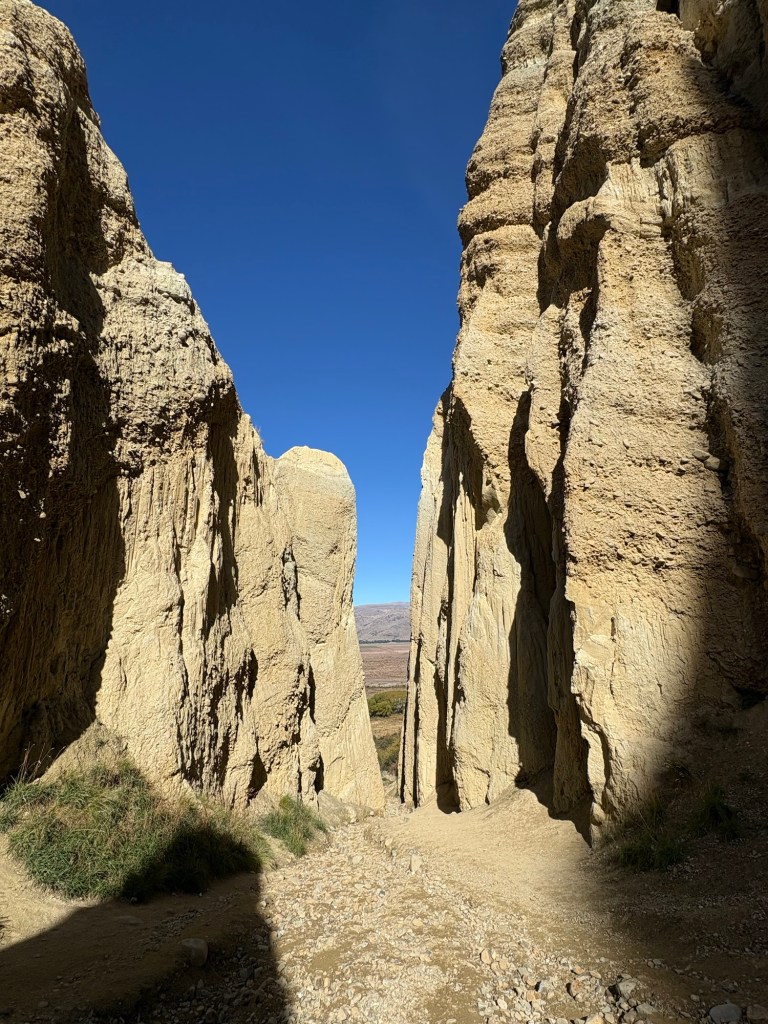
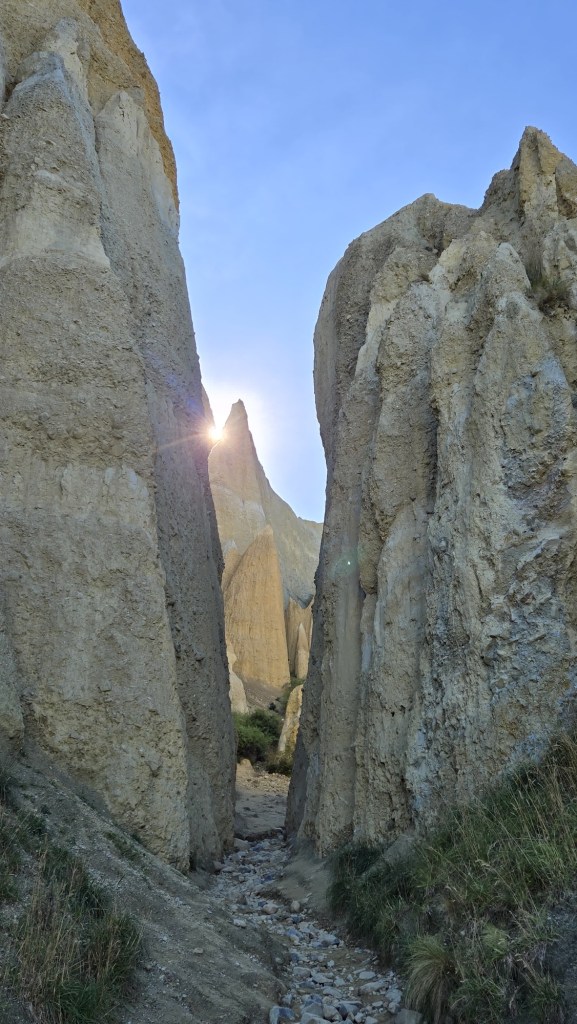
After a terrific morning hike, we headed back to Wanaka. On our way we took a quick detour to walk through the clay cliffs, which are towering eroded silt and gravel formations. We had fun exploring the huge spires and slot canyons.
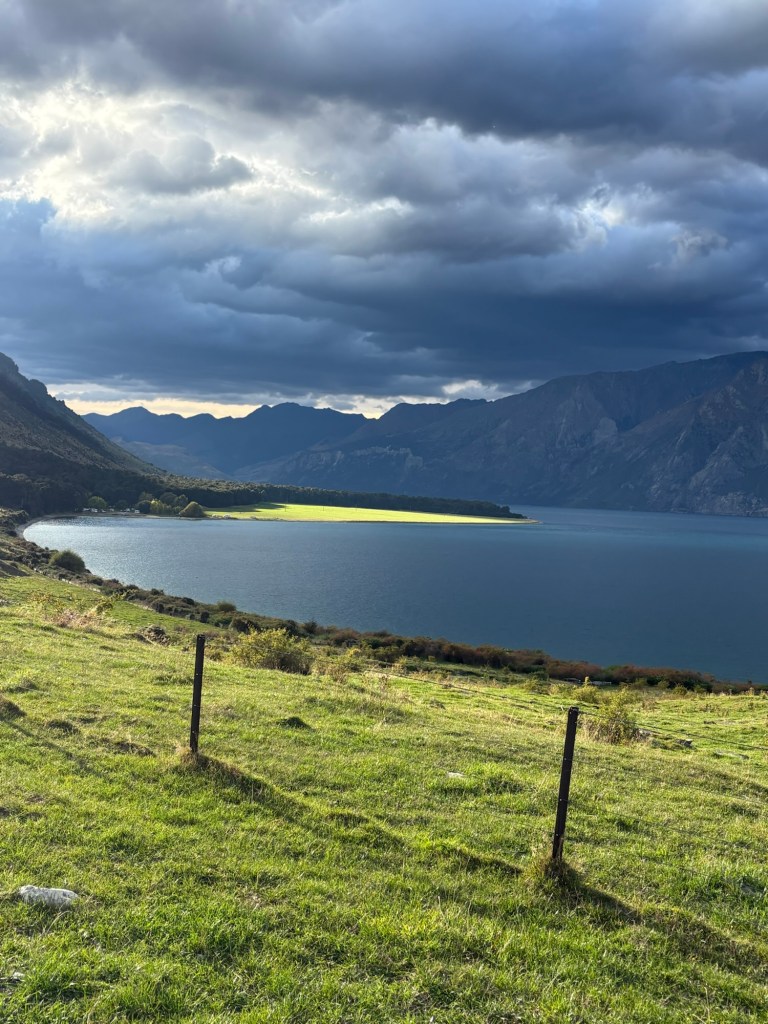
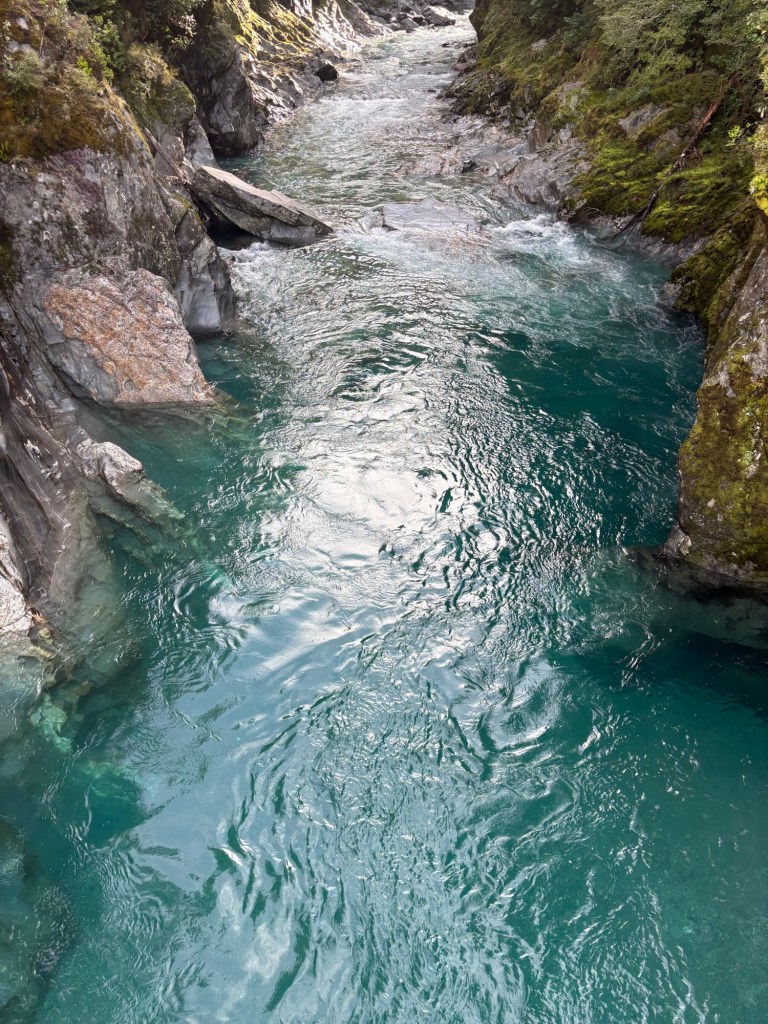
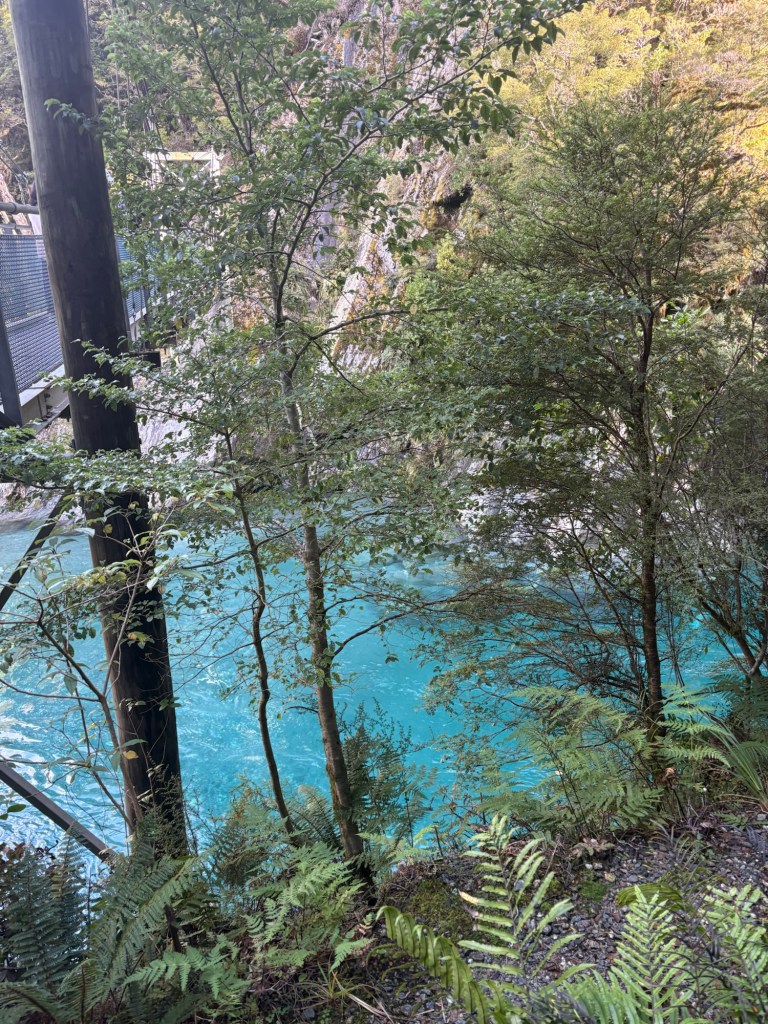
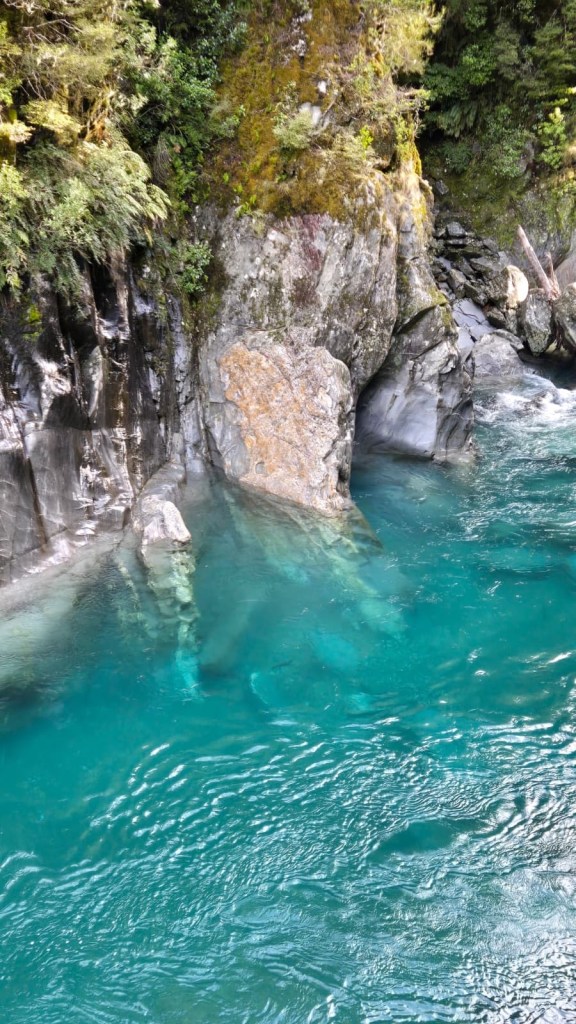
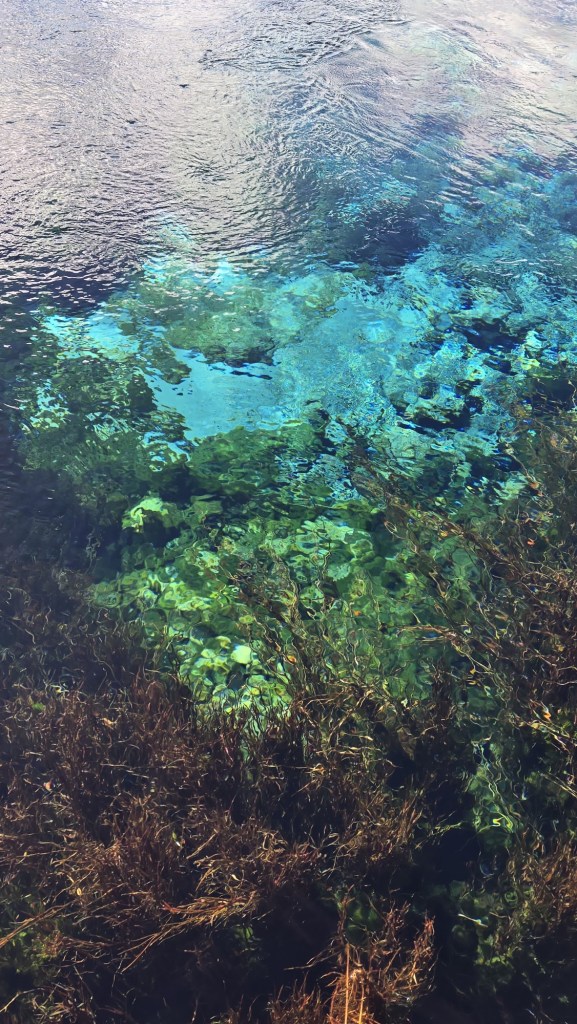
Wanaka was the perfect pit stop. We figured out that after a number of days it’s a good idea to check into a paid campground to shower and do laundry (and get Michelle a good cup of coffee) Even freedom camping has its limitations. We followed Lake Wanaka with a stop at the Blue Pools as we journeyed to the west coast with the hope of seeing Mt. Cook and the mountains from the other side. Mother nature had different ideas.
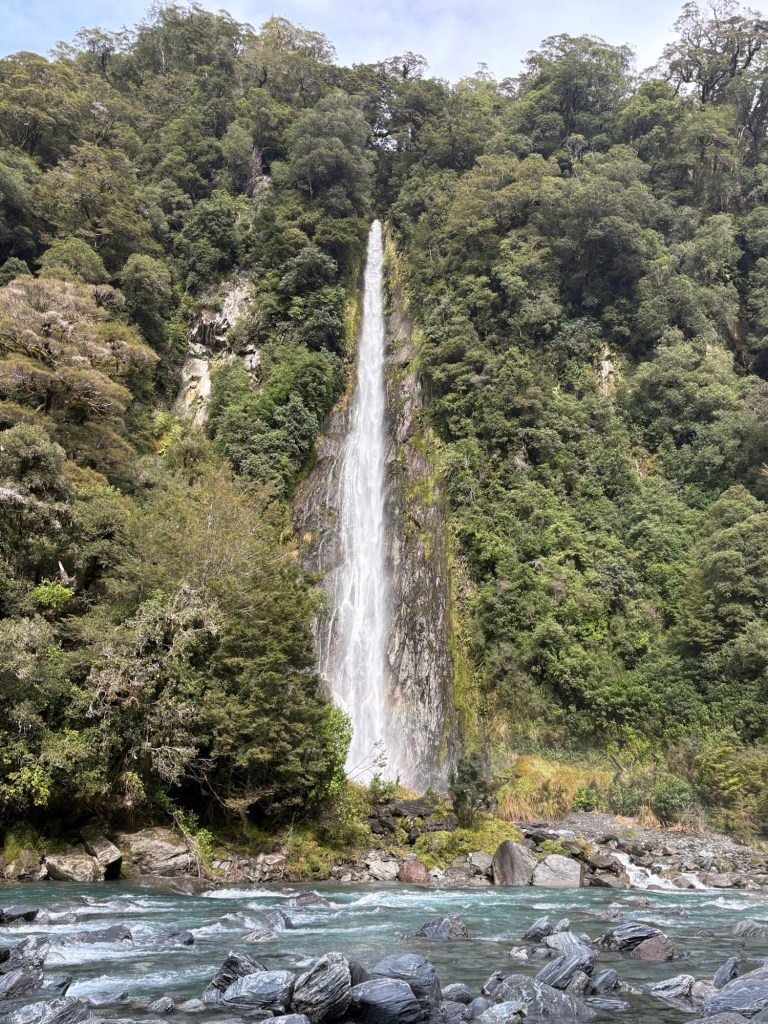
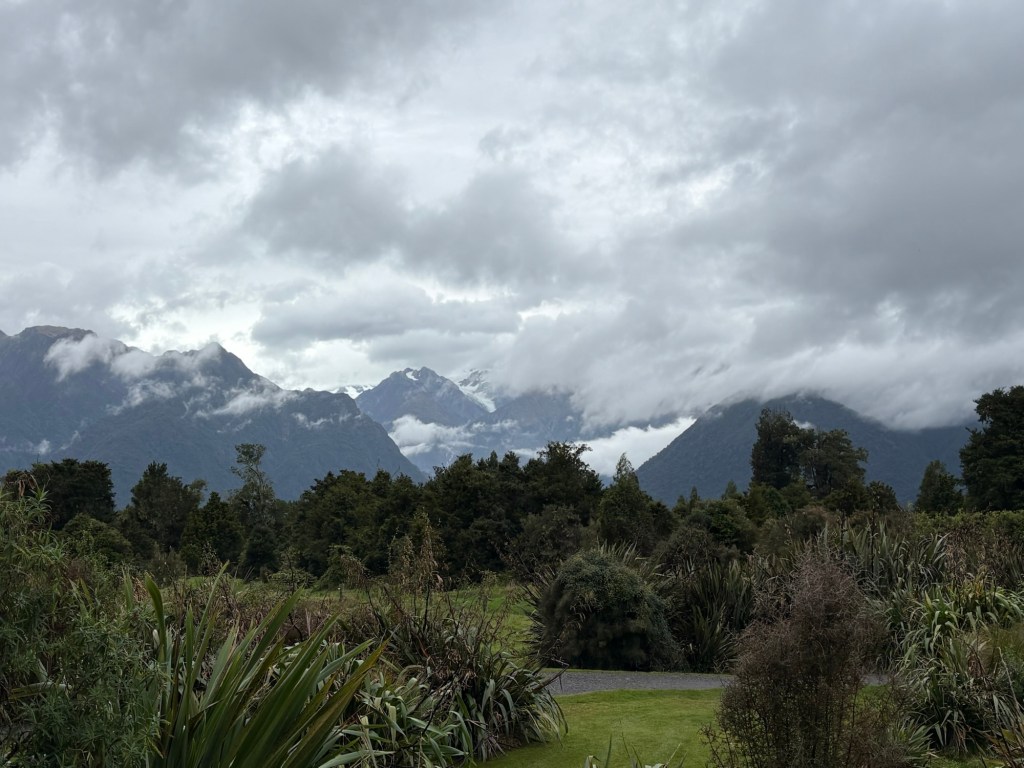
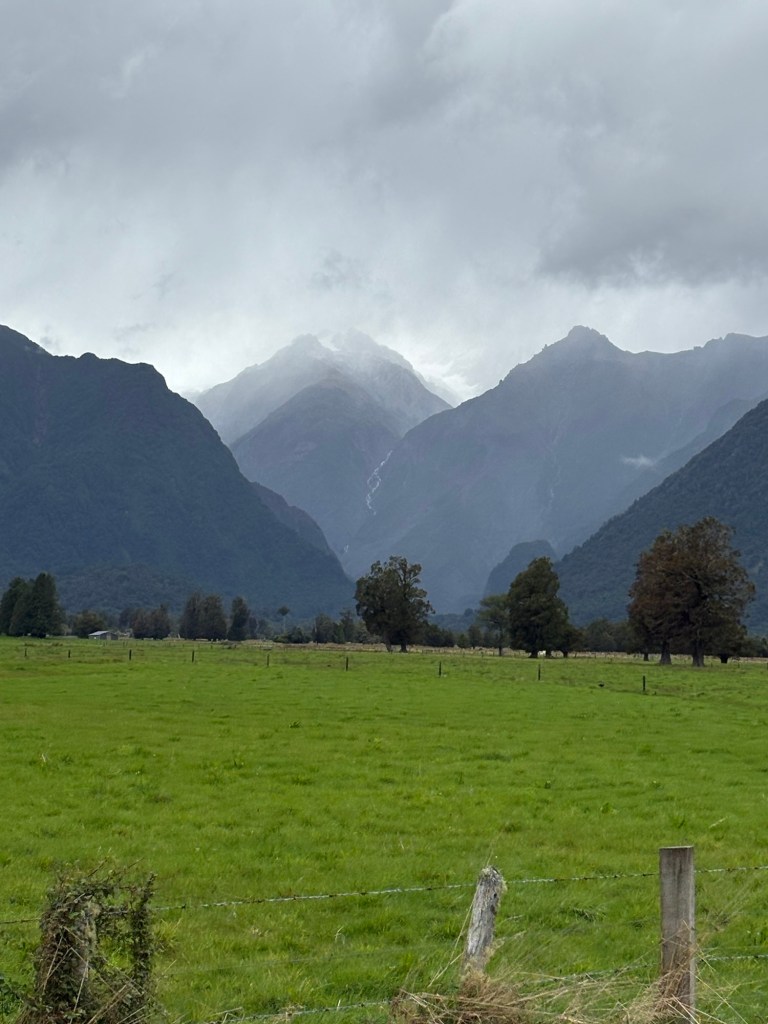
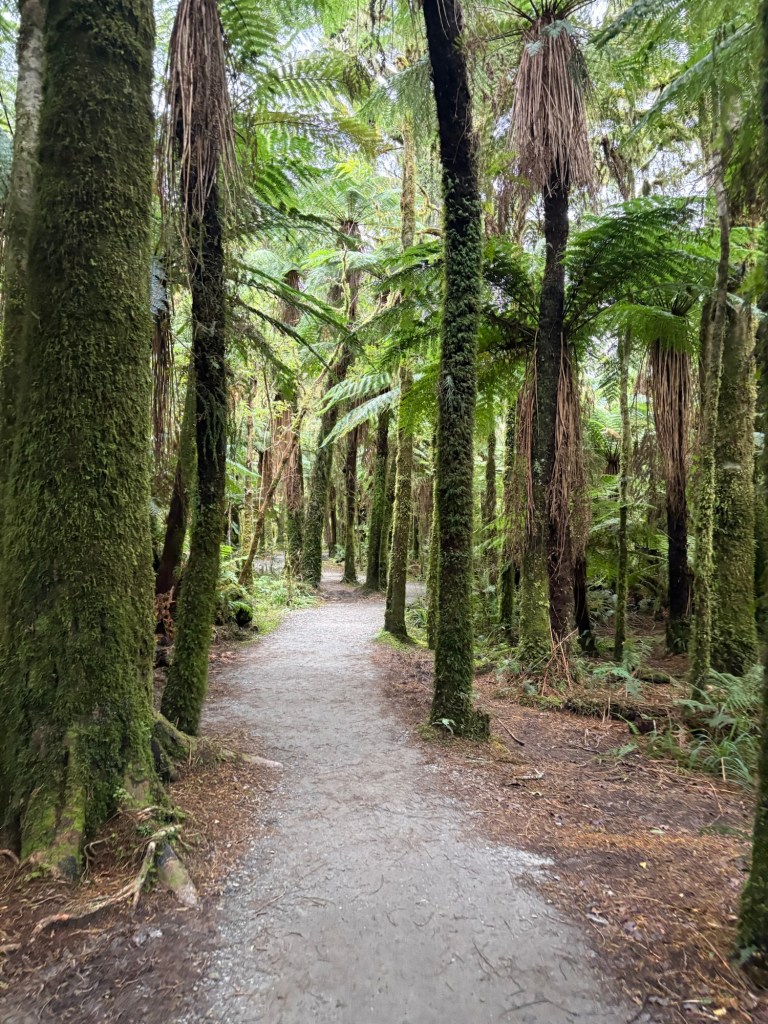
Heading up to view the toe of the Fox glacier, we were greeted with our first, but not last bout of heavy rain! I guess that is why they call it a “rainforest”. The forest was amazing, it felt like a hobbit would pop out around any corner of the trail. We thought with the rain and wind it would be prudent to stay at another paid site as they provide full kitchen areas and relaxing spaces to strech out and meet other campers and an occasional character. Near our camp was a cave with glow worms which can be seen at night. At this stage of development they emit short blinks of light. It was nature’s light show (sorry no pictures)
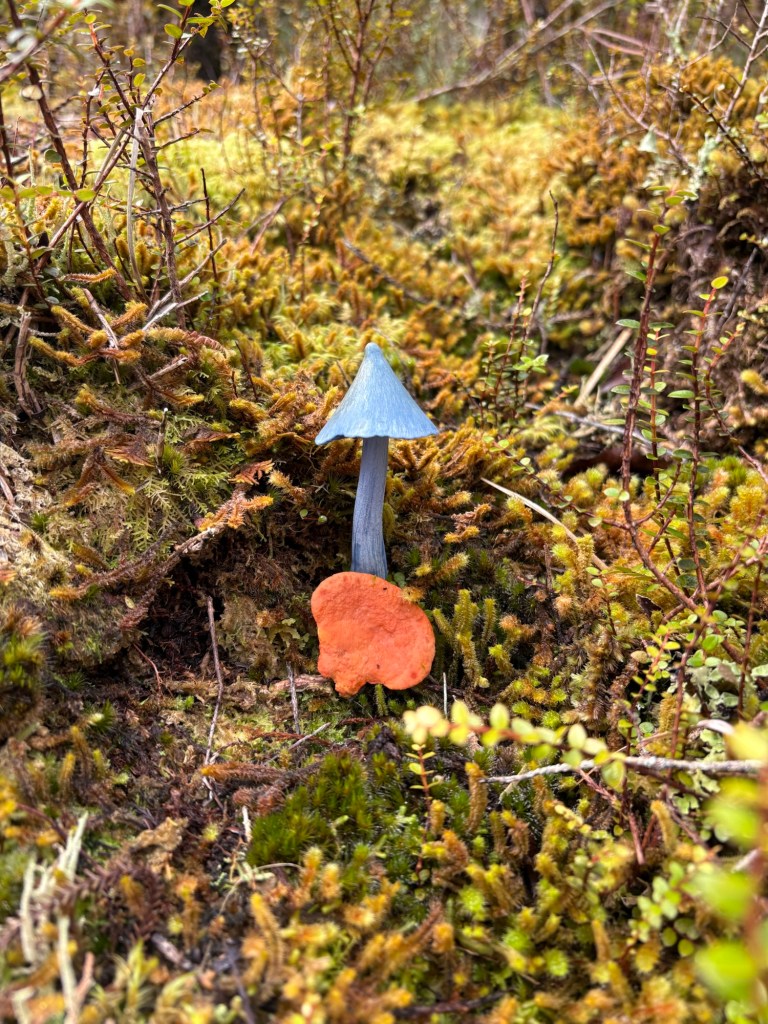
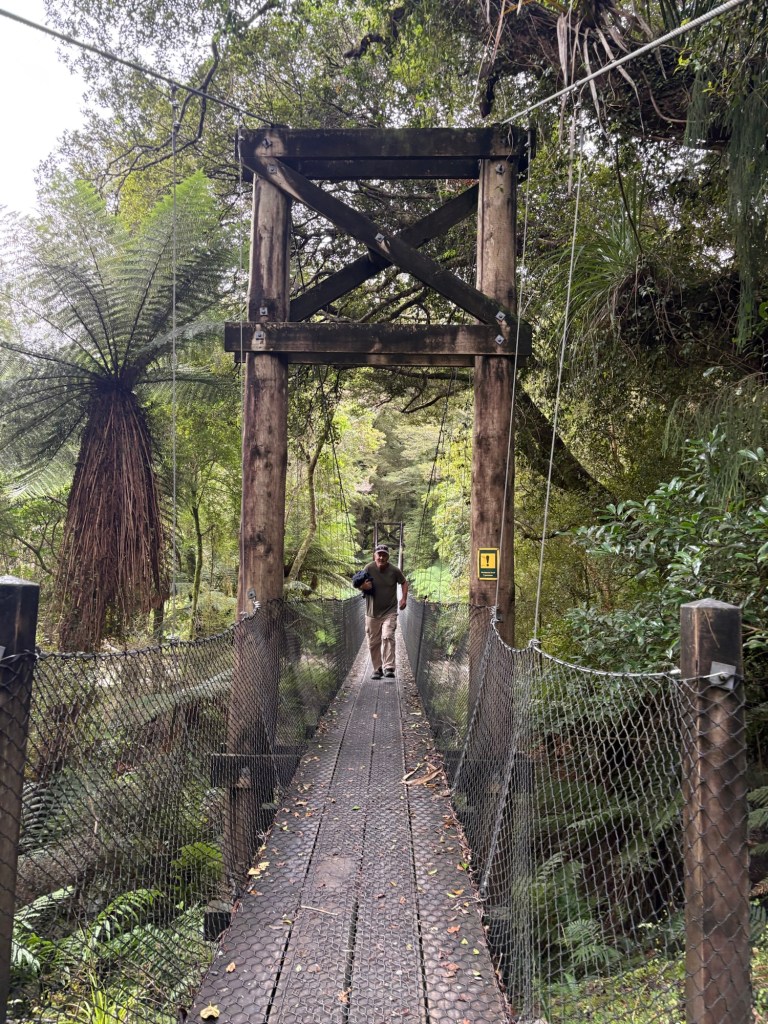
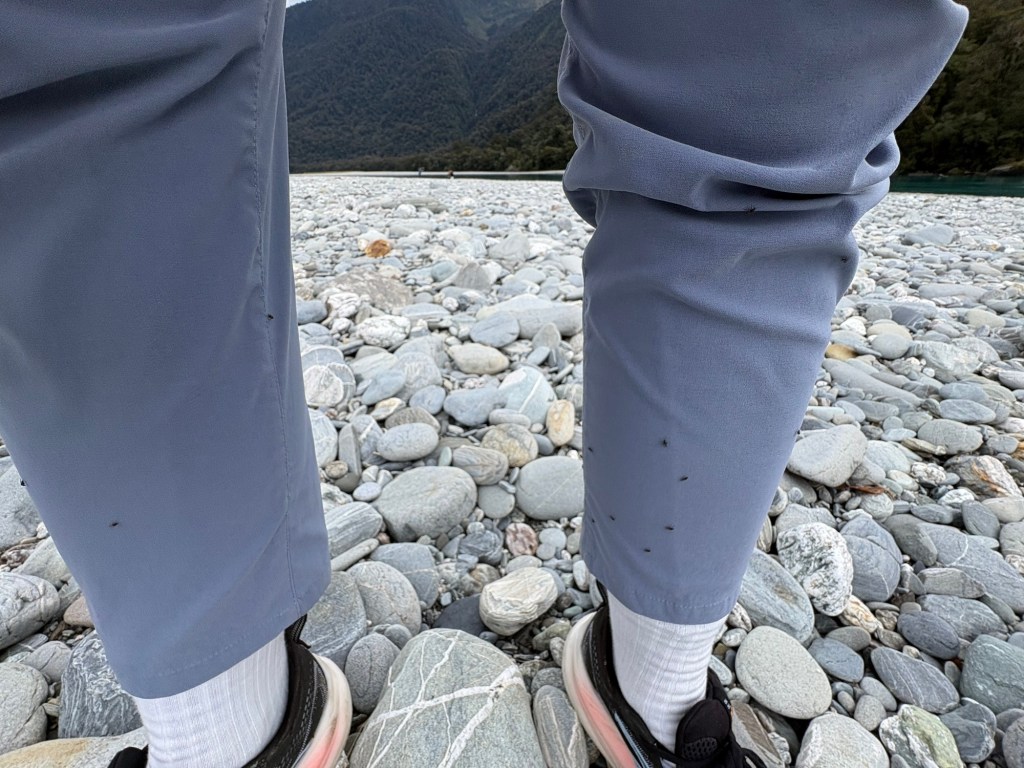
The west coast beaches are known for finding random jade stones. The saying goes, “the stones find you and not the other way around”. After scouring multiple beaches, they didnt find us. Protip: Go north of Westport…we learned later.
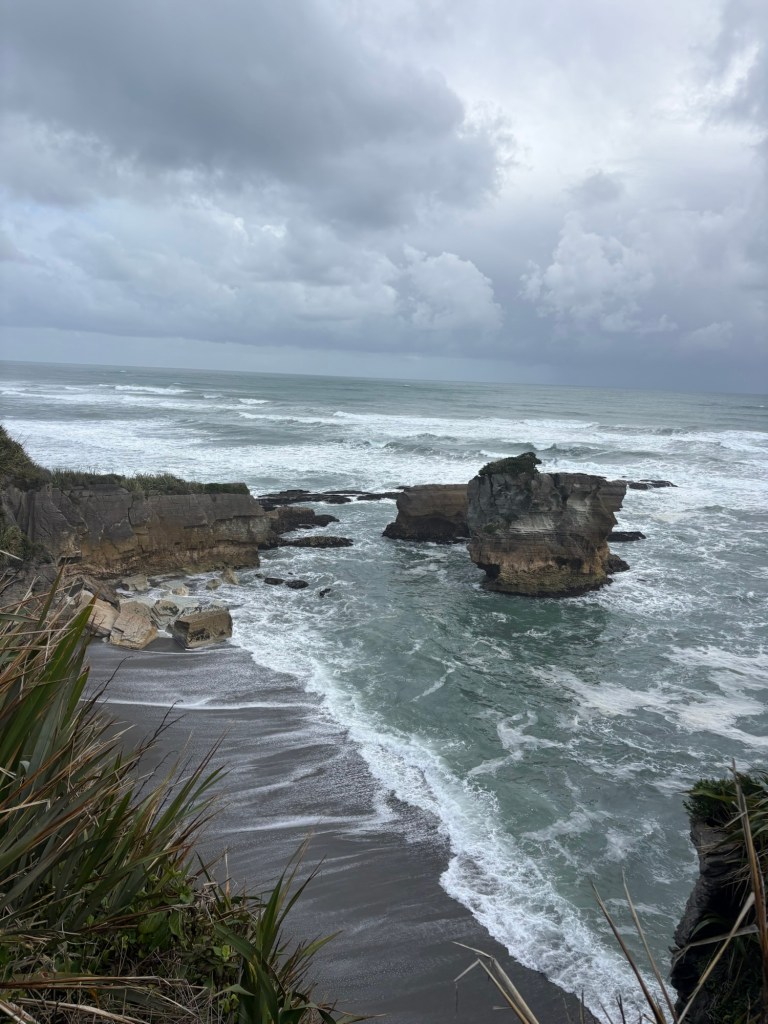
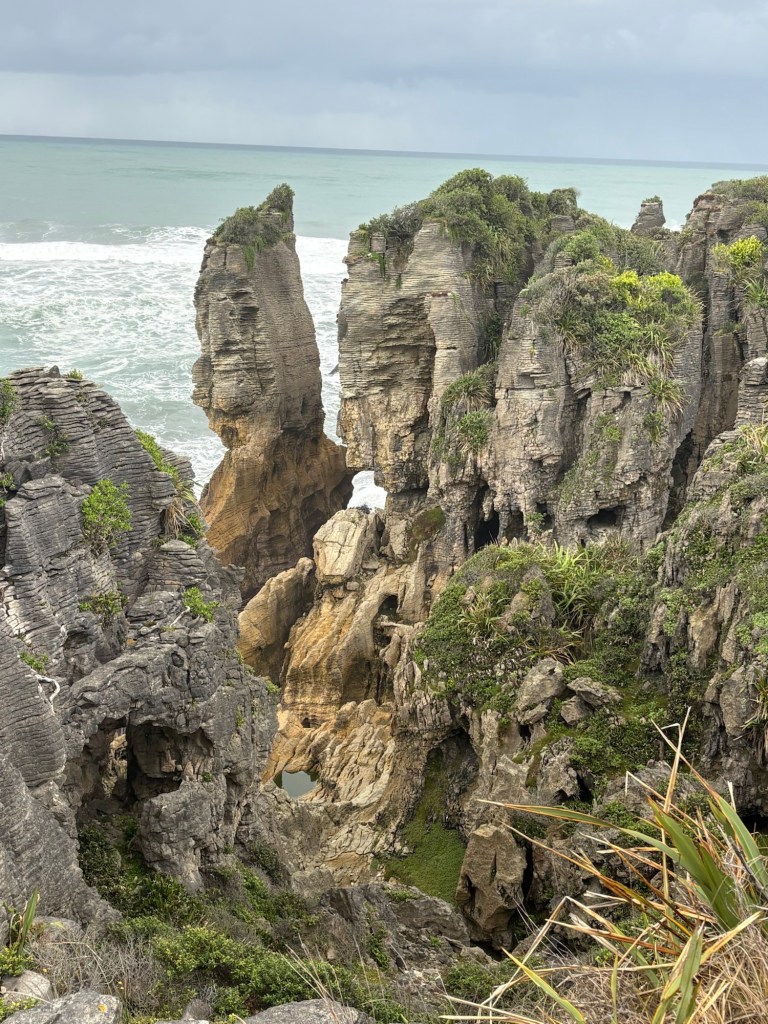
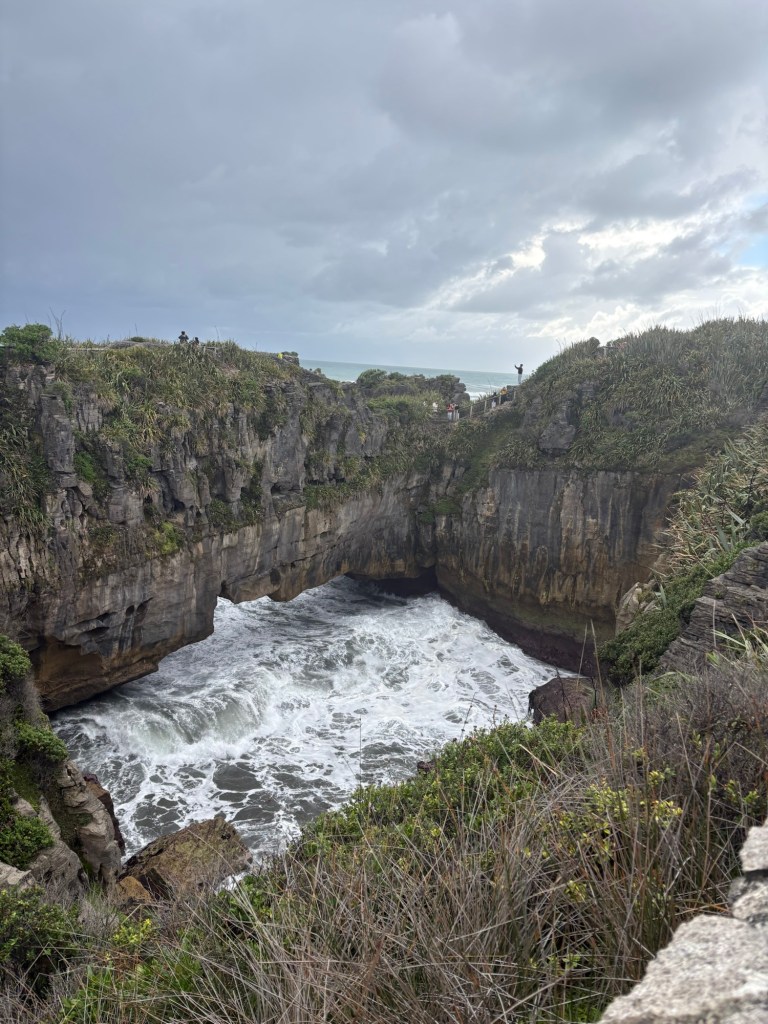
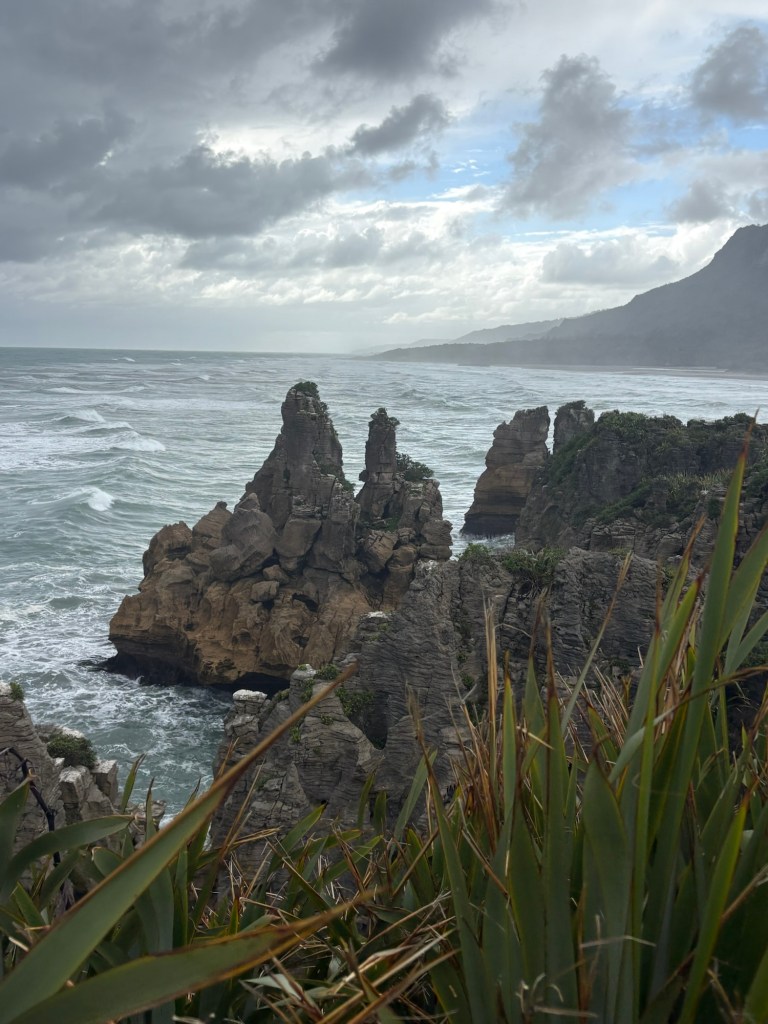
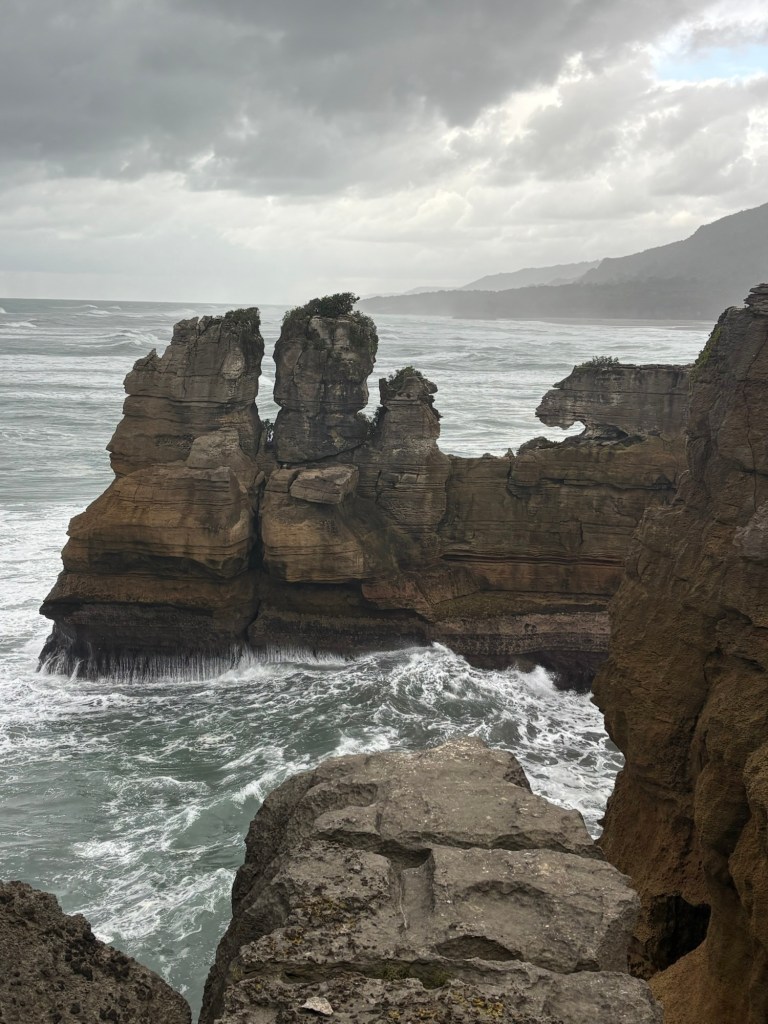

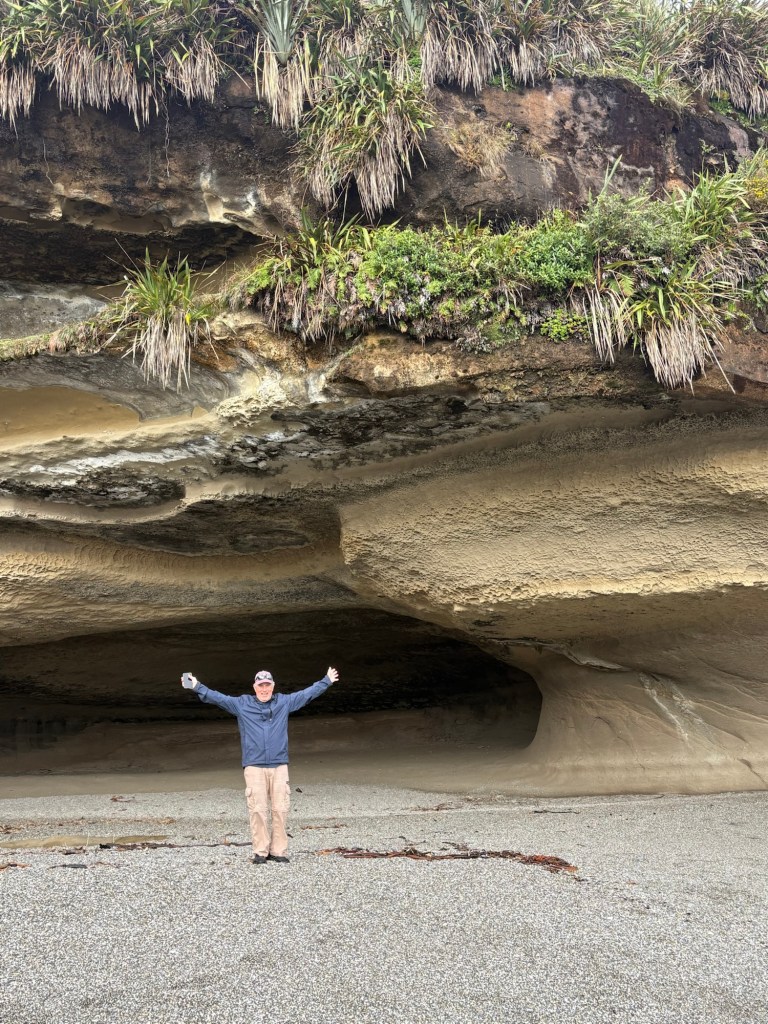
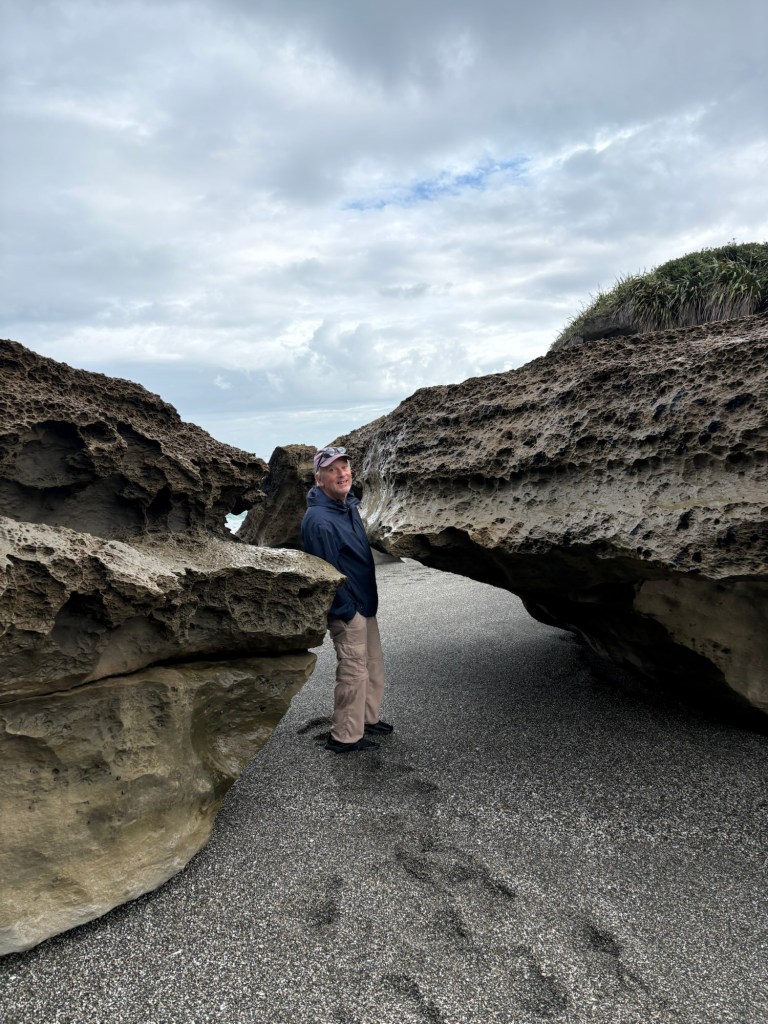
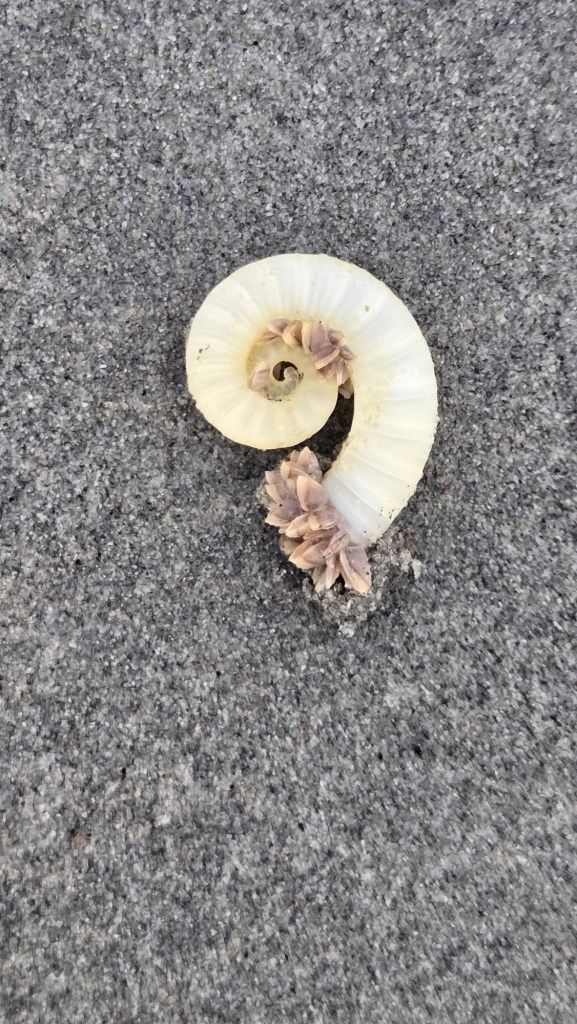
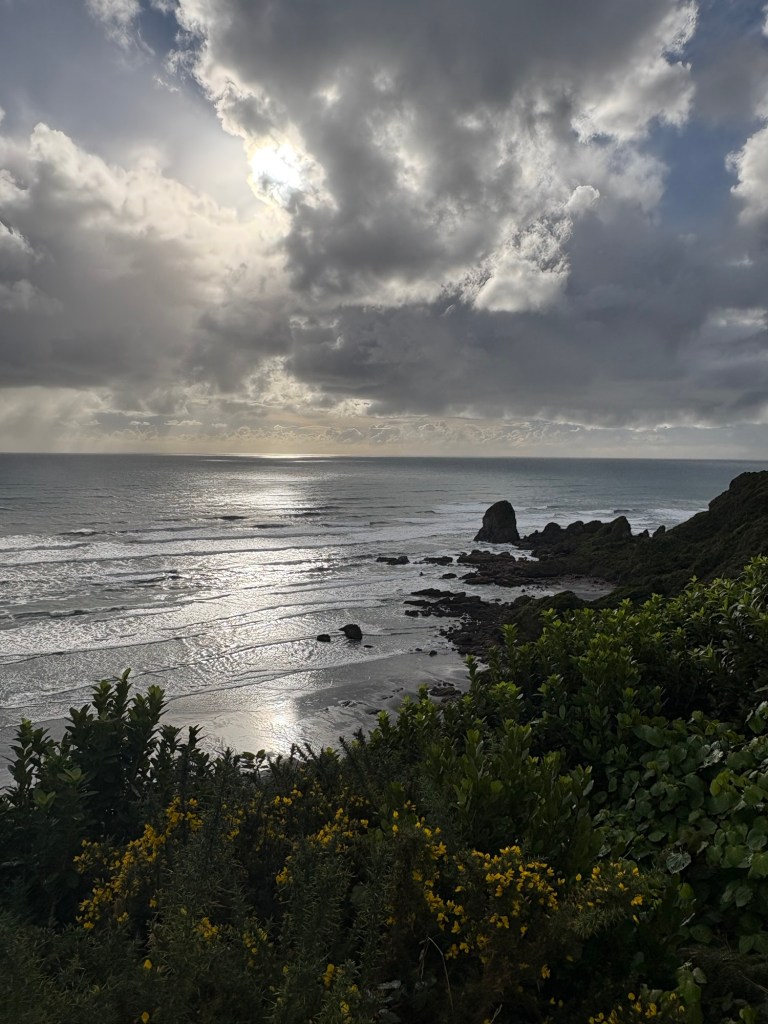
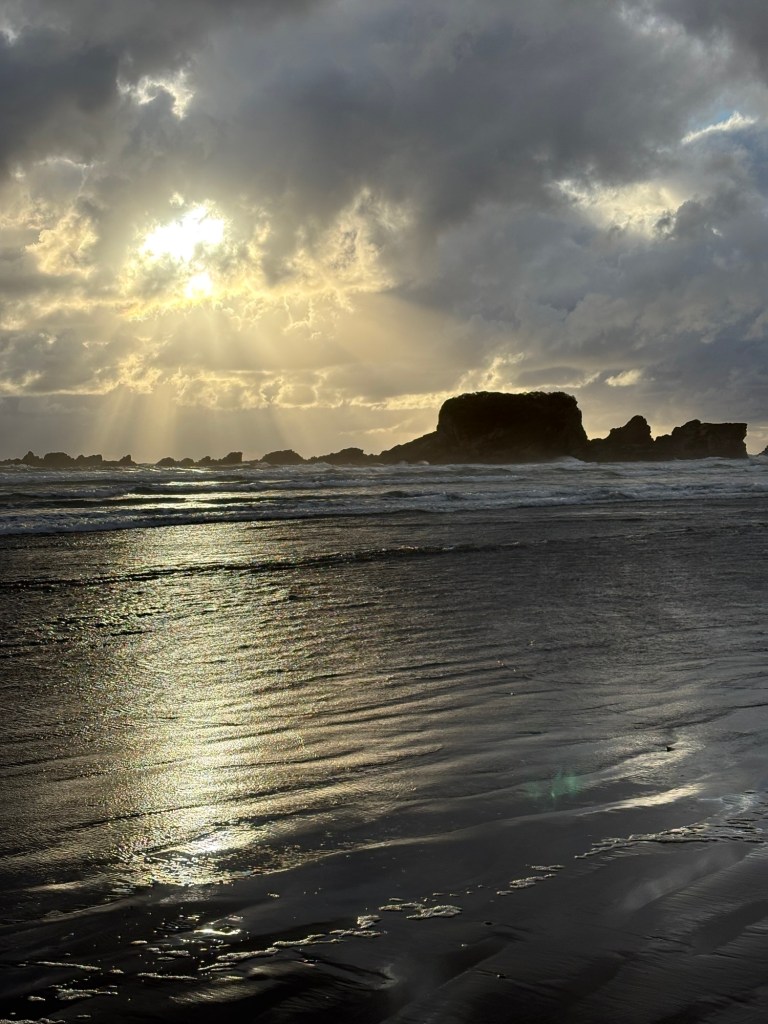
Since the weather looked more favorable, we turned east again and went to Golden Bay, which is a horseshoe bay and very close to the furtherest point north on the south island.
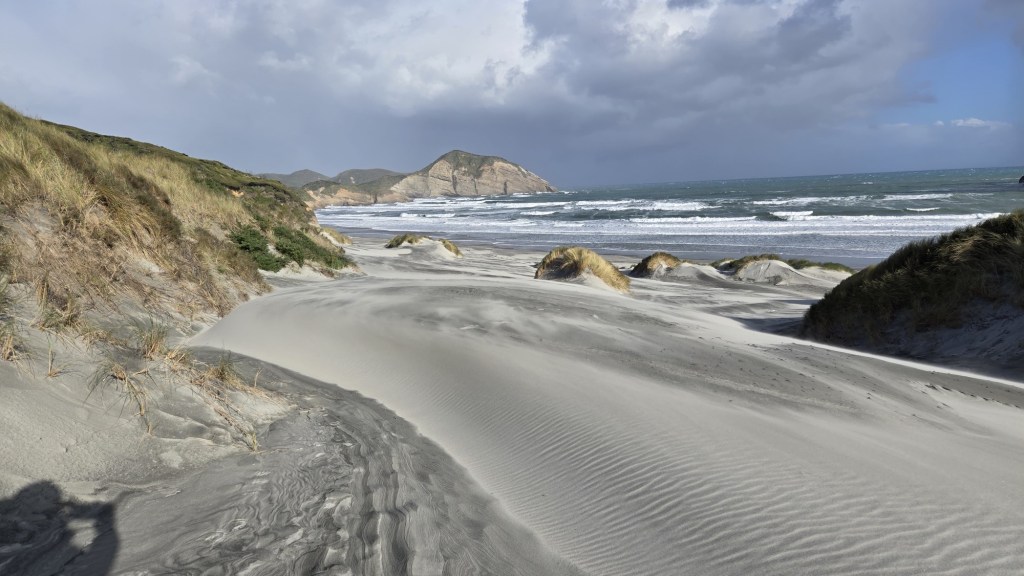
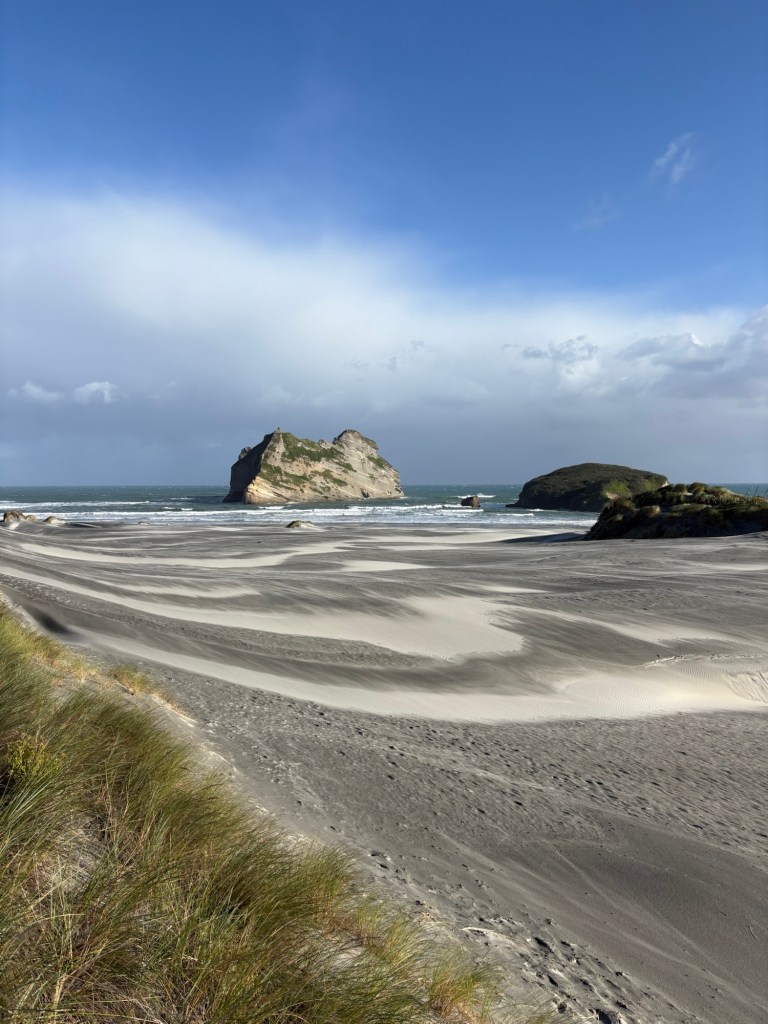
We ventured as far north as we could drive and hiked to a rather remote beach. The wind was howling which made the drifting dunes very beautiful.
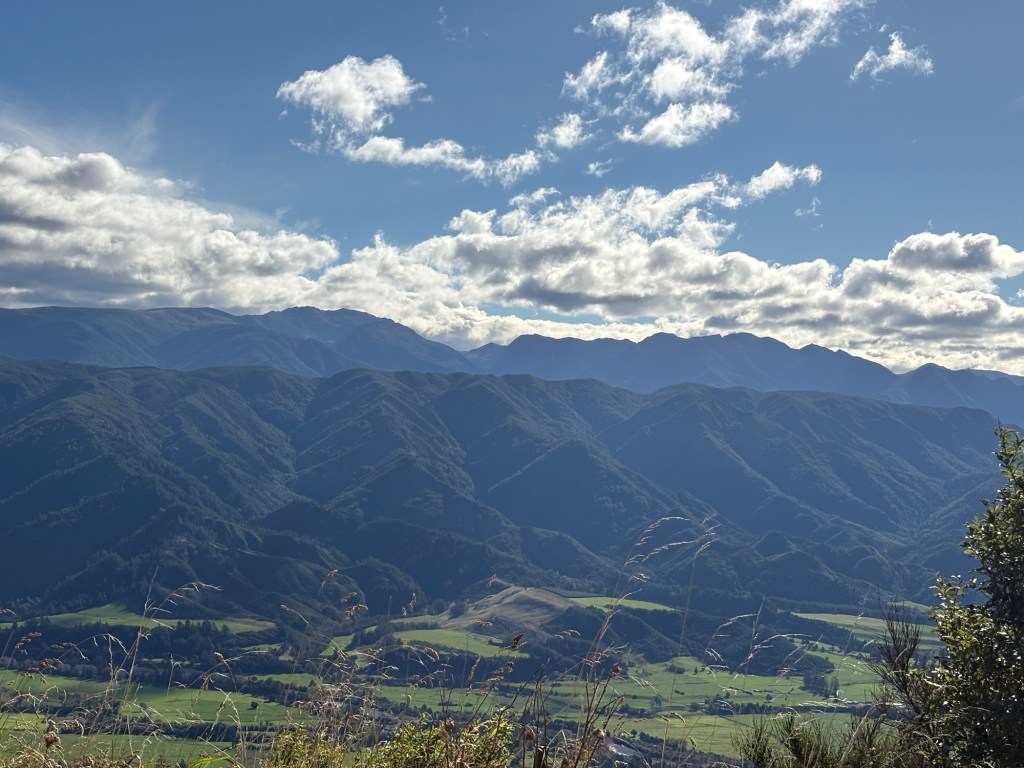
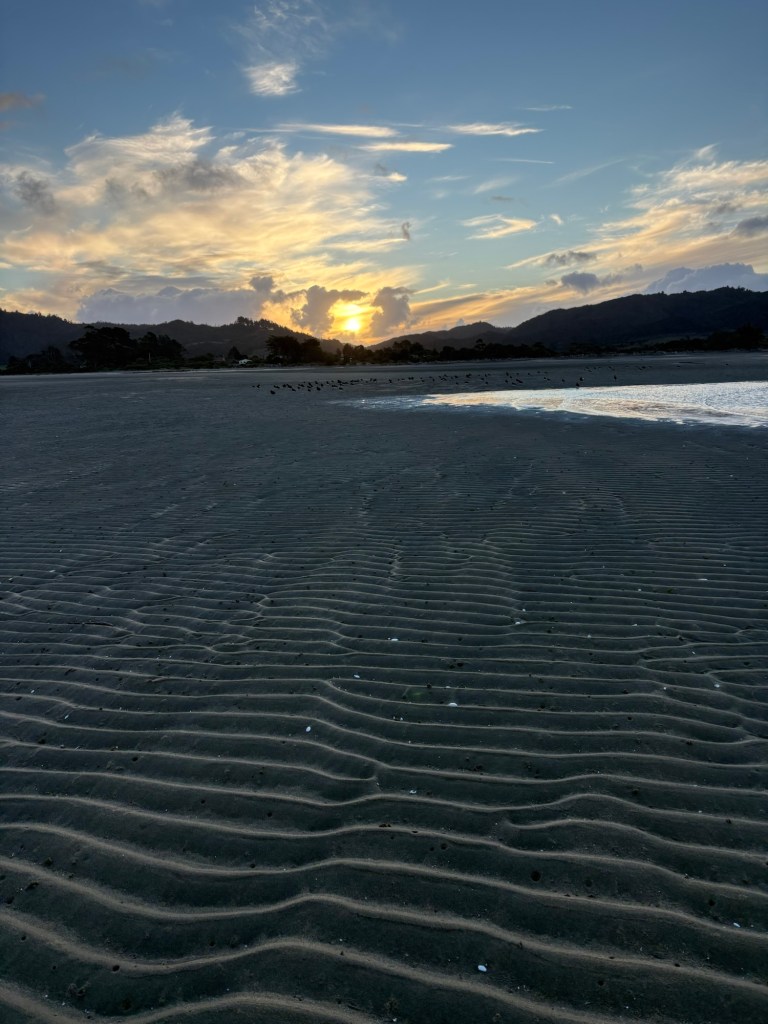
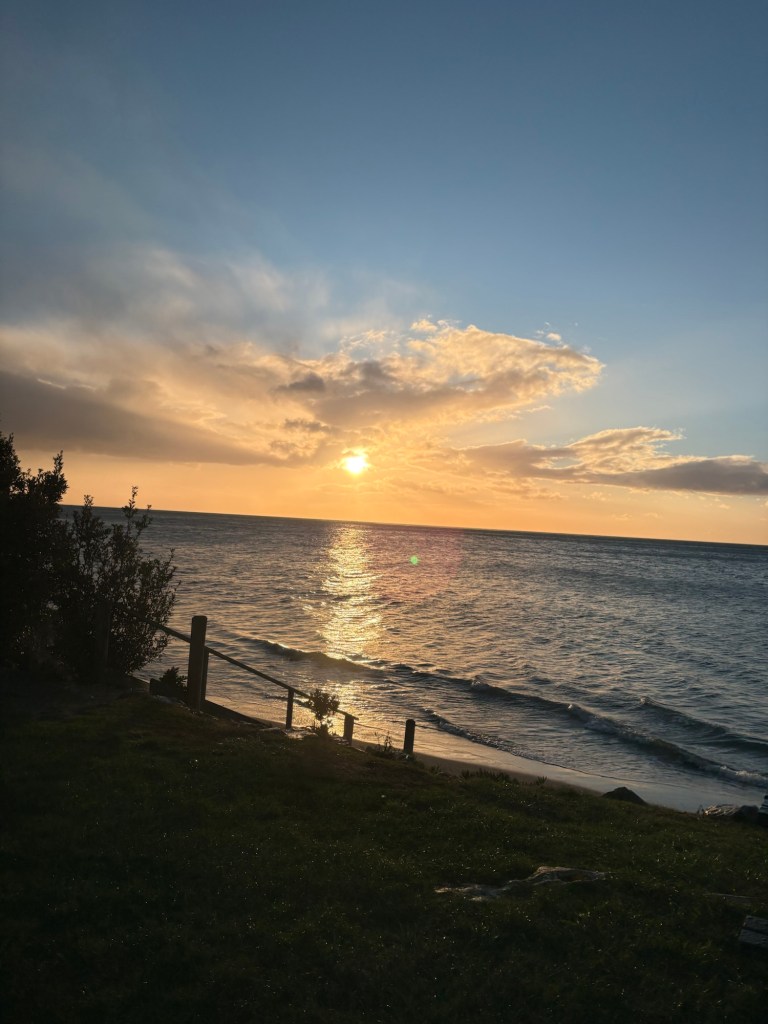
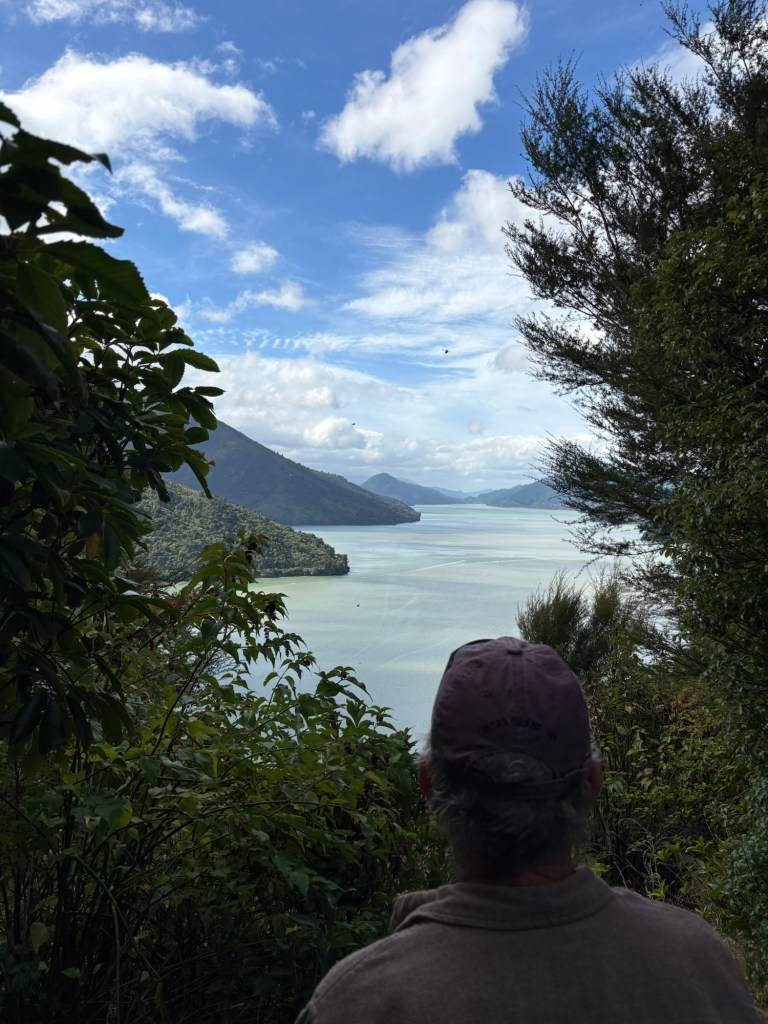
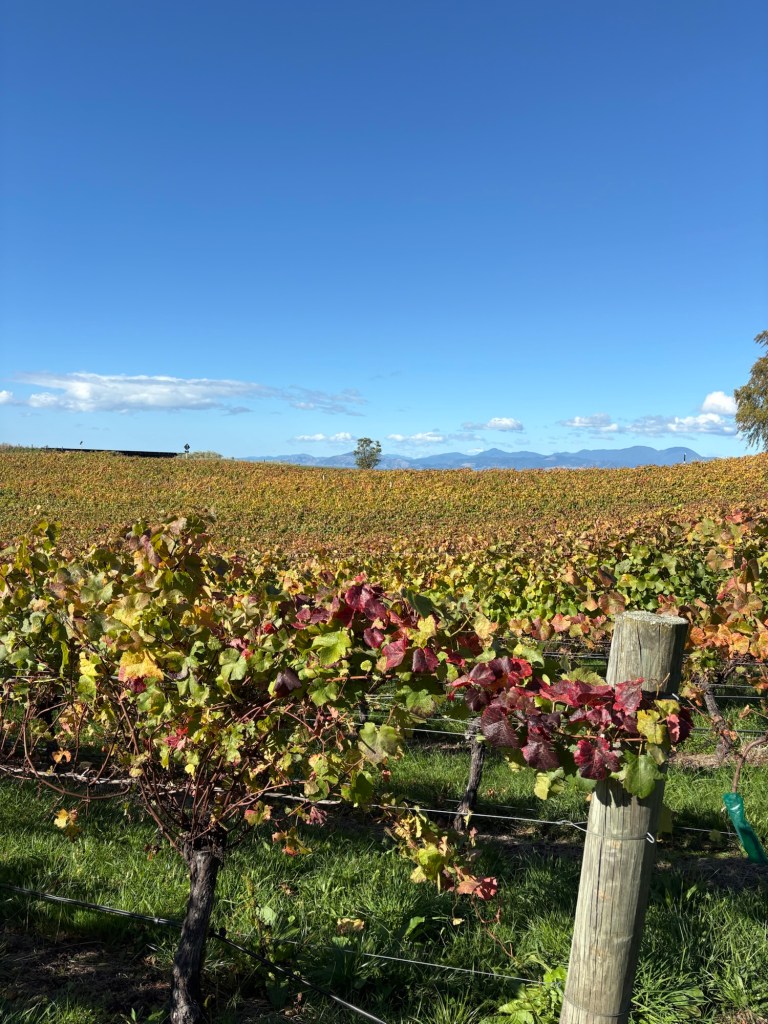
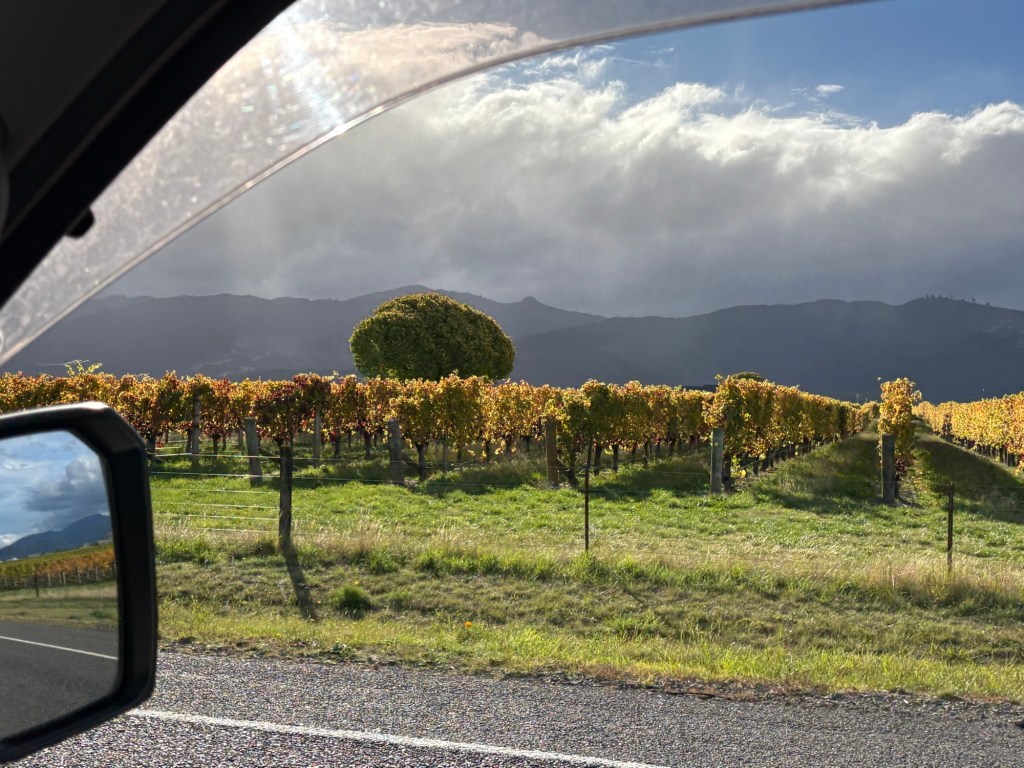
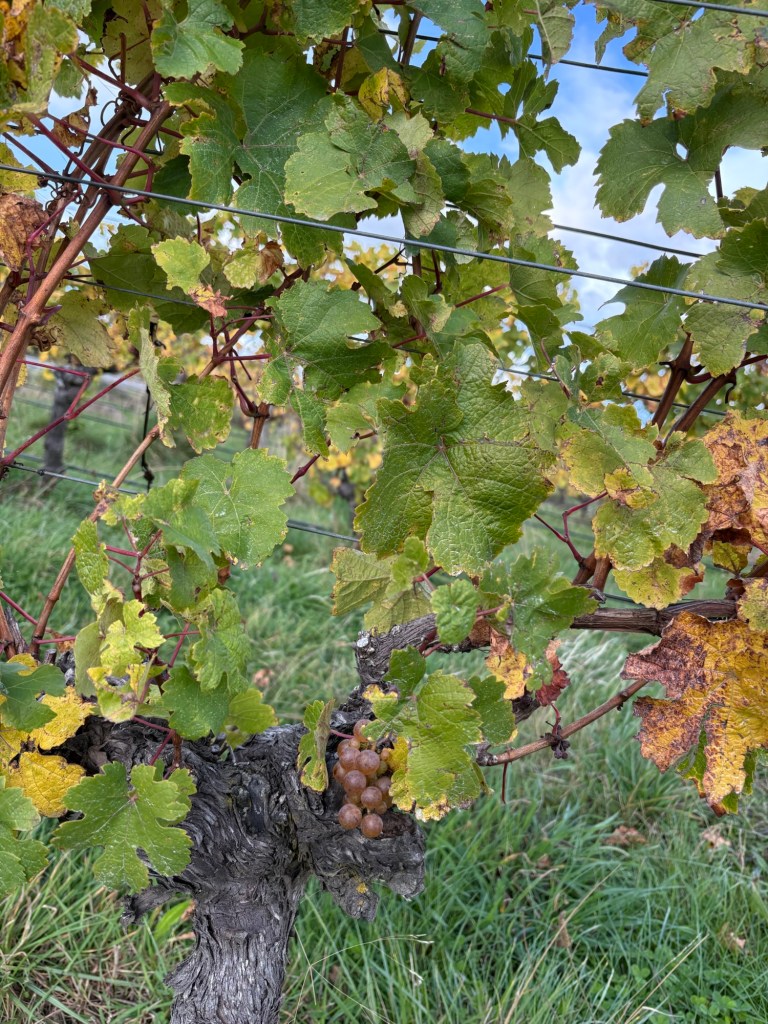
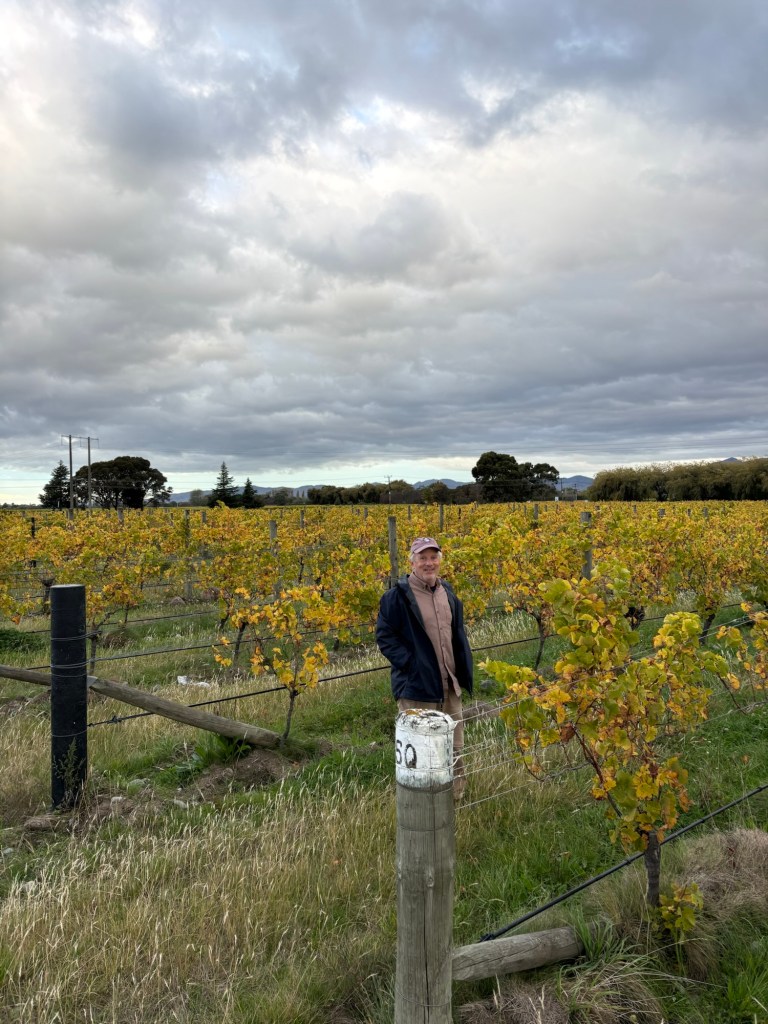
Bidding the beach farewell, we began moving back toward Christchurch and a very interesting wine district along the way. A couple we met mentioned a freedom camp in a dog park parking lot strategically located within walking distances of 4 wineries. We took full advantage of walking to several of them. We learned a lot about the region and the various soils that are best for very specific varietels. New Zealand being such a recent addition (~1986) to the world wine market, has motivated the producers to do a lot of experimentation with fermentation processes. It reminded me a lot of what is going on with coffee fermintation – anerobic, various timing of skin removal, think of the recent addition of honey processing with coffee. (various amounts of muesli removal prior to fermintation).
We gained a new appreciation for Pinot Noir, as they remove grape skins early in the fermintation (1 to 5 days) which produces less acidity and a beautiful ruby color.
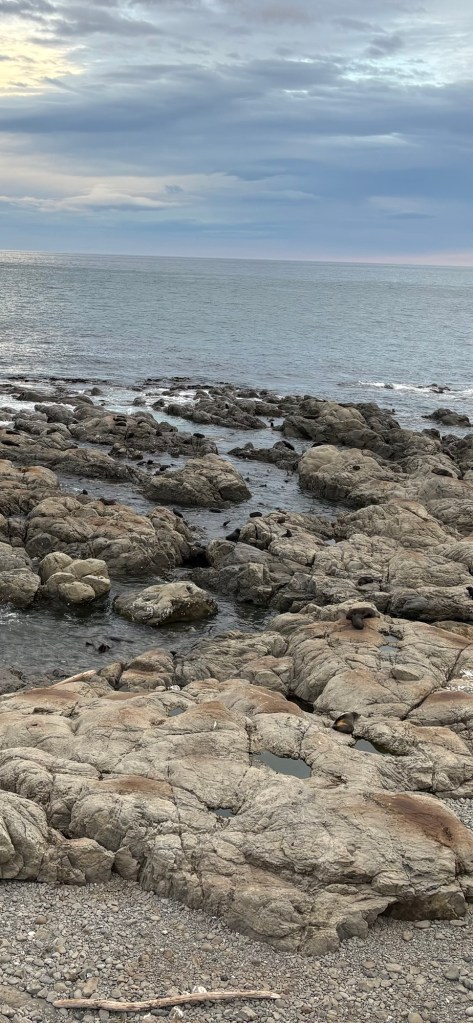
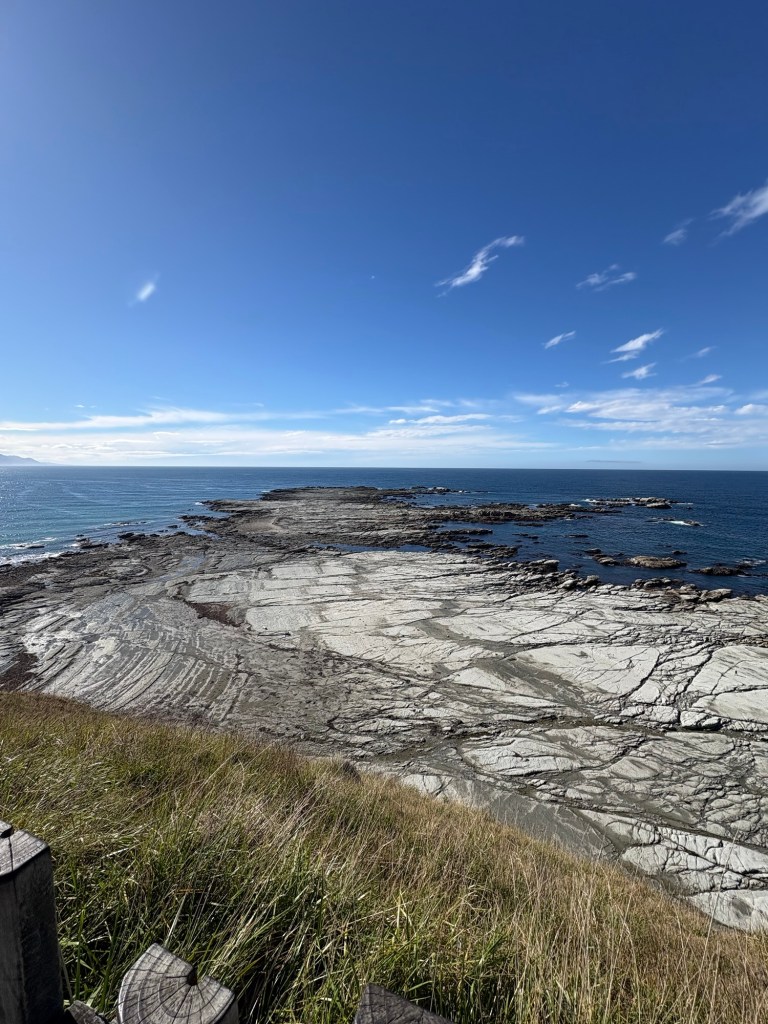
Next stop was Kaikoura known for its sea lion nurseries, no exaggeration there. There were literally 100’s of toddlers and adolescents frolicking in protected tidal pools.
The town was the epicenter of a huge earthquake around 11 years ago that isolated them from the rest of NZ due to land slides. Interestingly, the quake caused a massive uplift that created a new nursery sanctuary for the sea lions.
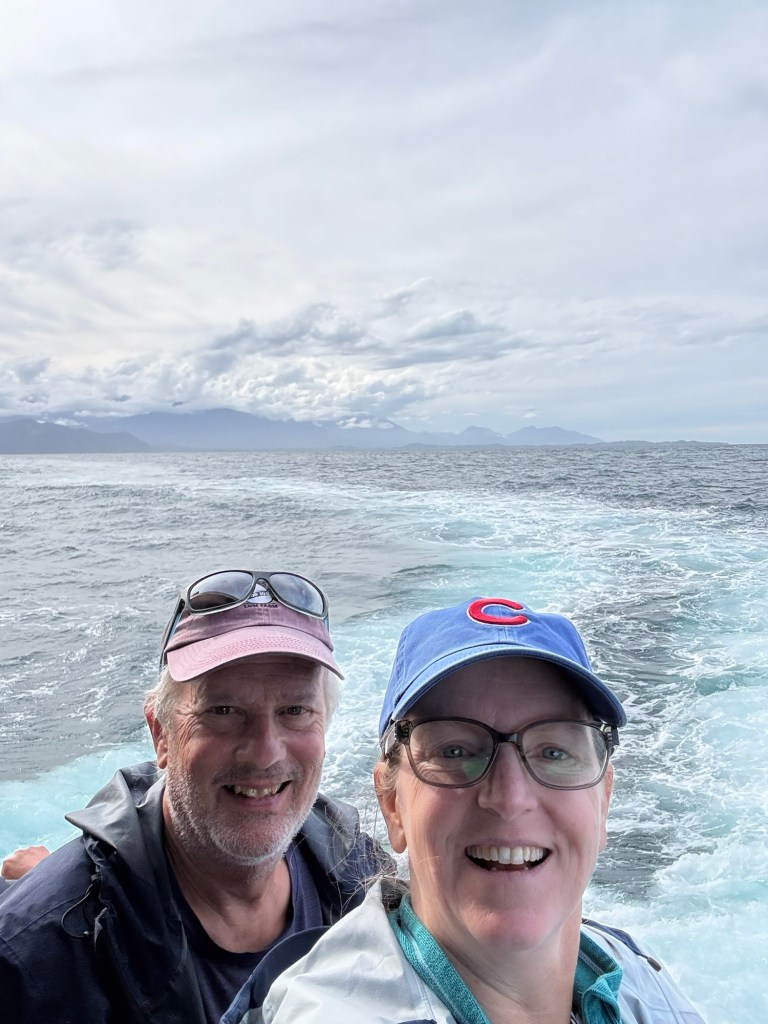
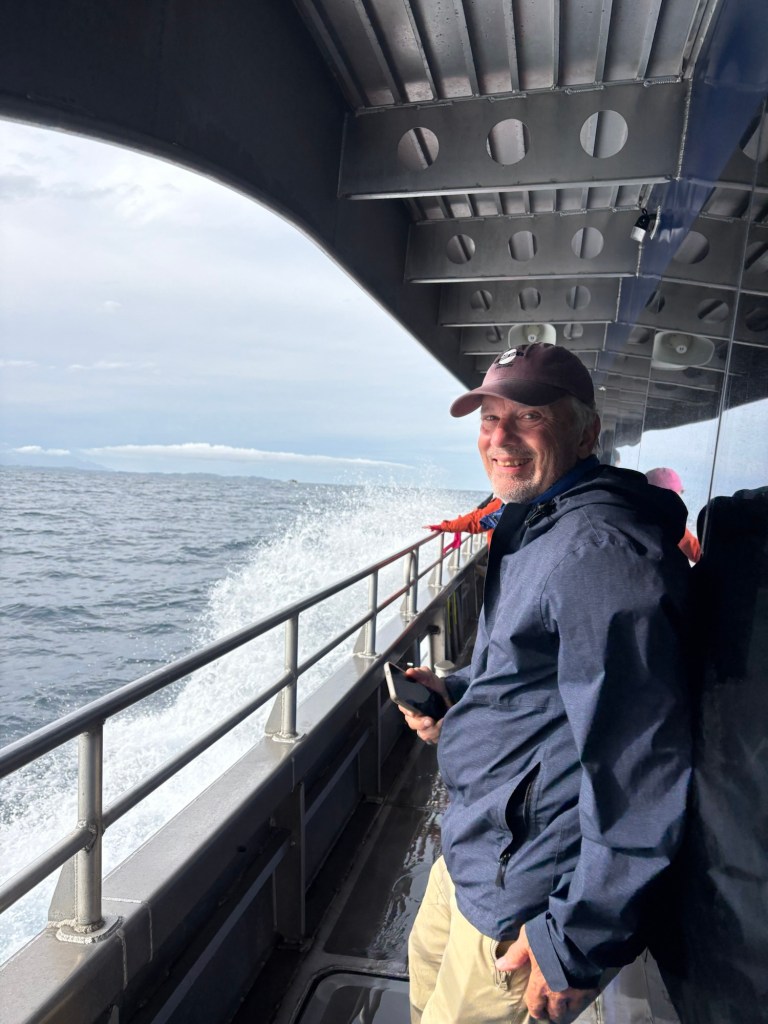
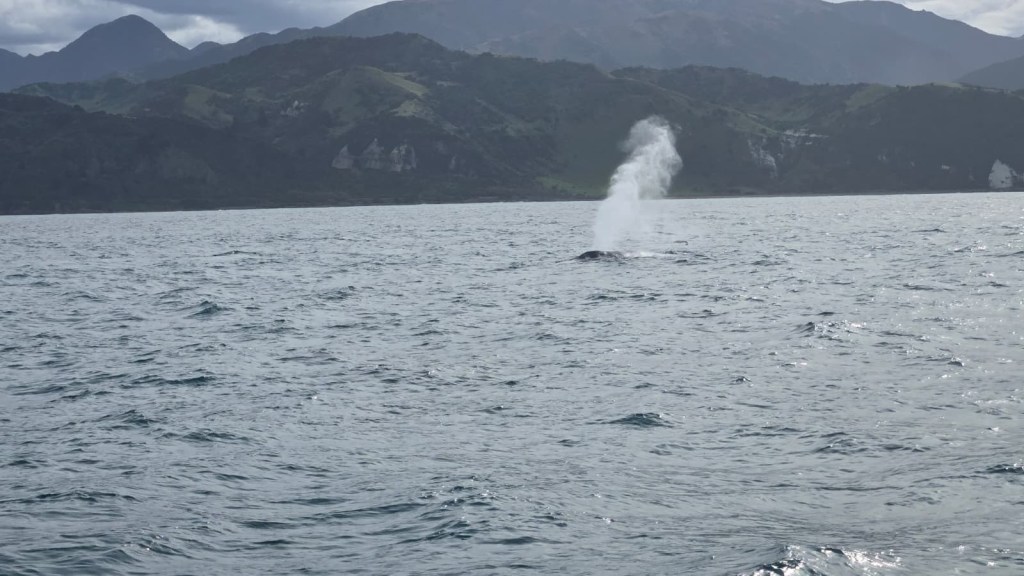
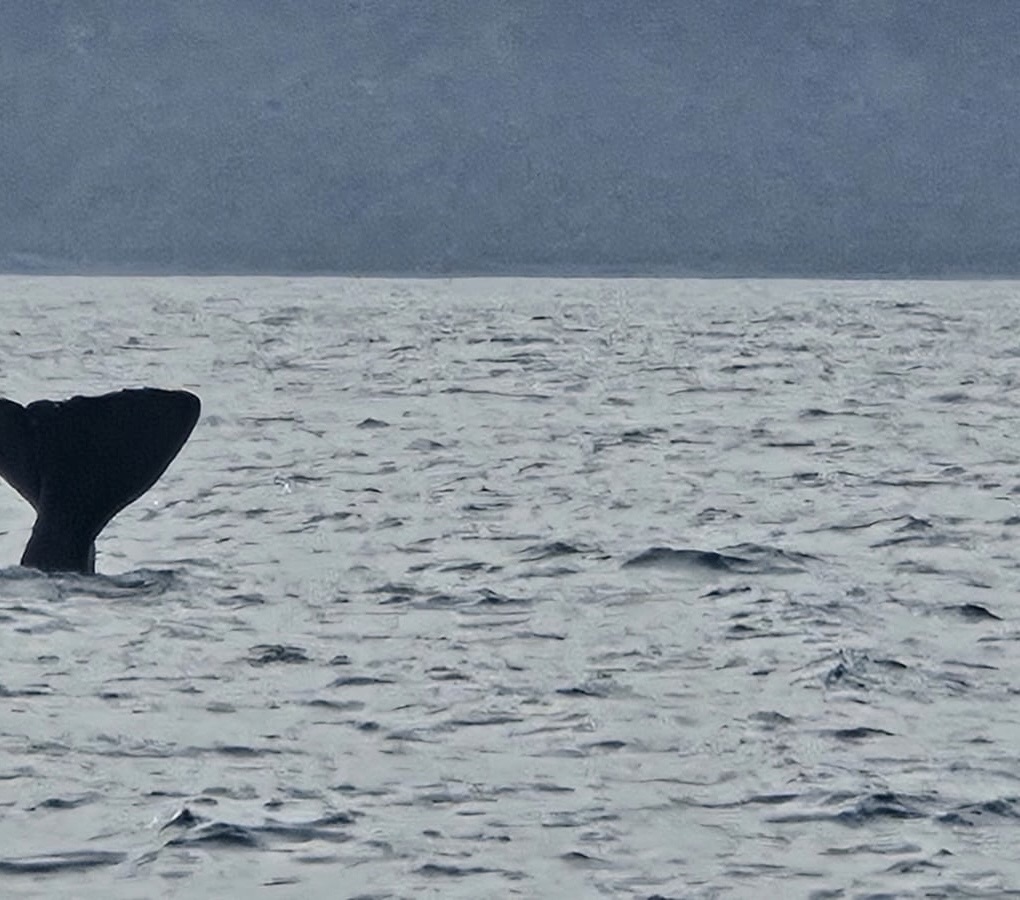
From a viewpoint in Kaikoura, we met a young couple who were living/working/traveling in NZ. They showed us videos from a whale excursion the day before – absolutely breathtaking. We wanted to go whale watching, but according to the website, they were all sold out. With their encouragement, on a whim, we called the tour company to see if there were any last minute cancelations. Low and behold, the next thing found us on board a high speed catamaran. We were treated to quite a show, a local sperm whale that appeared so often the crew gave her a name, two blue whales and a migrating humpback. Michelle loves whales so we were very blessed to experience them.
We caught dinner at a really fun pub, where we got talking with an older couple who are beef farmers now, he had been a logger in his earlier life. It is so interesting when you get the chance to talk with locals and learn about their homeland. Turns out the largest exports from NZ are, dairy, beef, sheep and forest products. We had noticed many large tree farm forests, which appeared to be Douglas Fir. More on that when we get to the North Island. Turns out over 10% (~4.9 million acres) of NZ is farm forested with the primary tree being central California Pine.
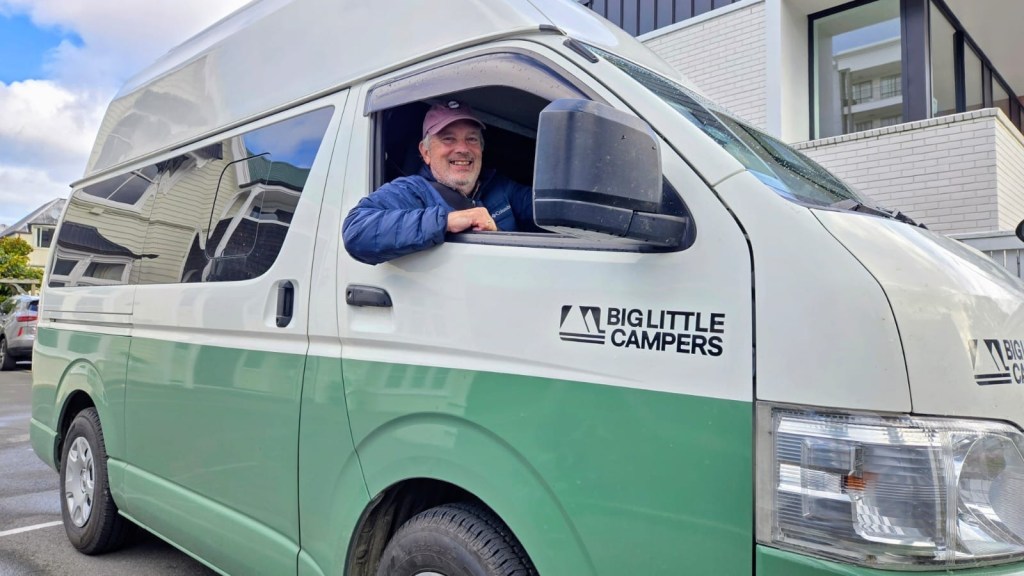
Our last stop before returning Brutus, our trustworthy van, we zipped by Christchurch to the small town of Akaroa.
Akaroa is a small town (imagine Coupville) settled by the French, as rest stop for their whaling crews. The captain attempted to cut a deal with the two local chiefains to aquire the whole peninsula.
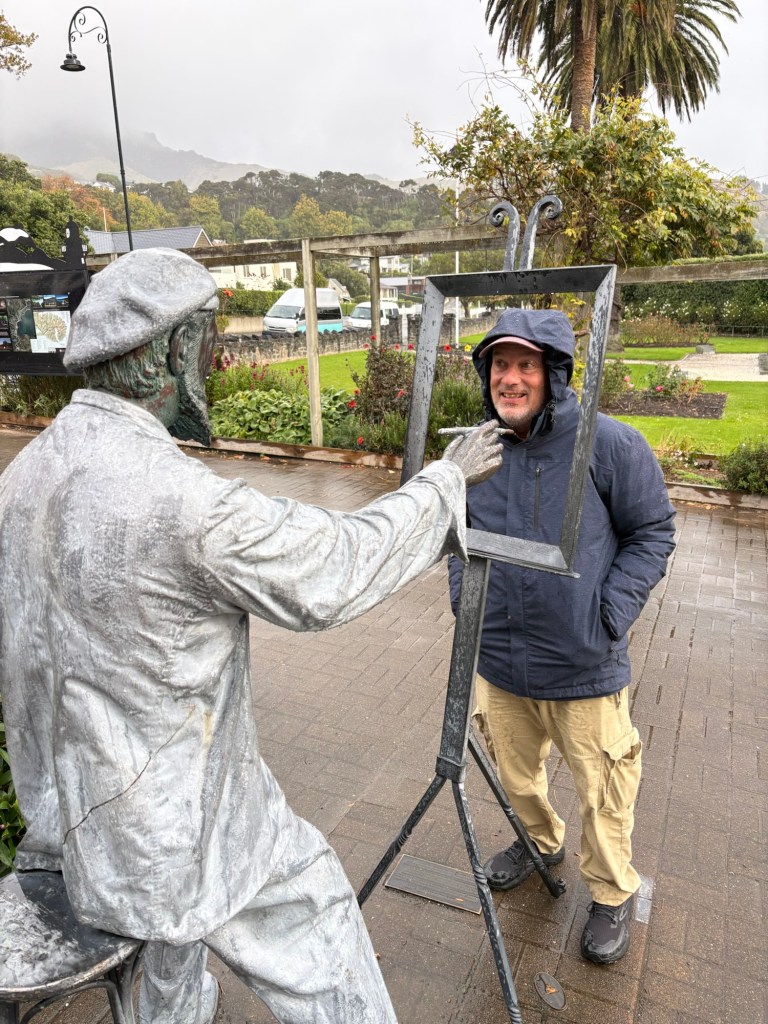
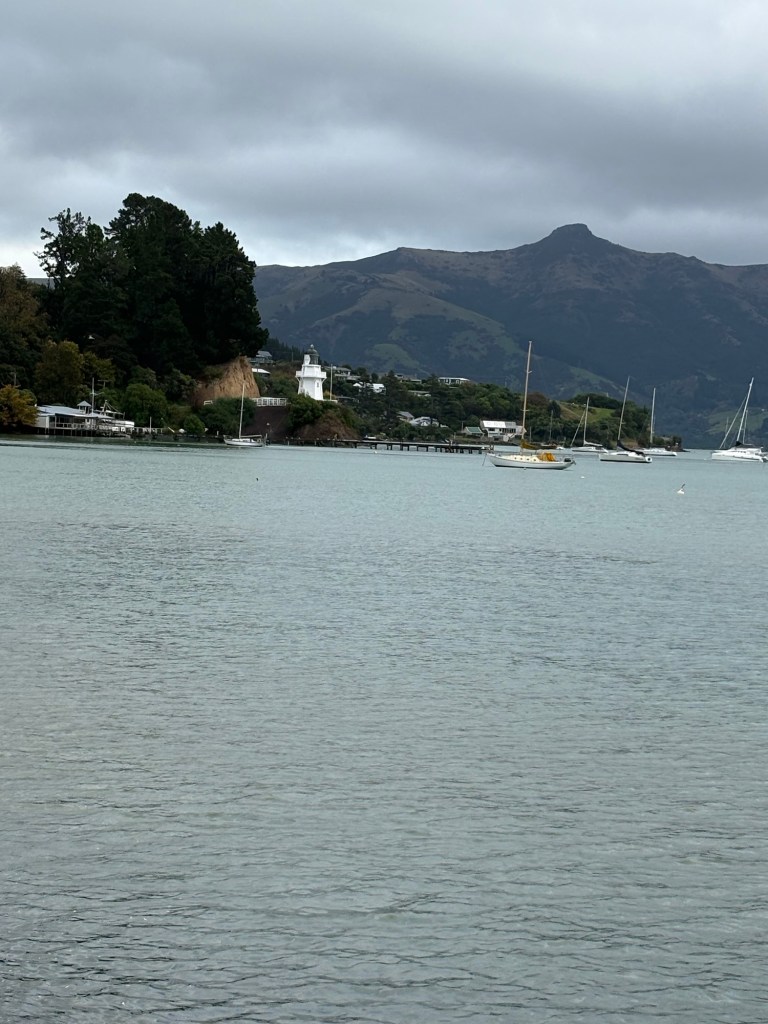
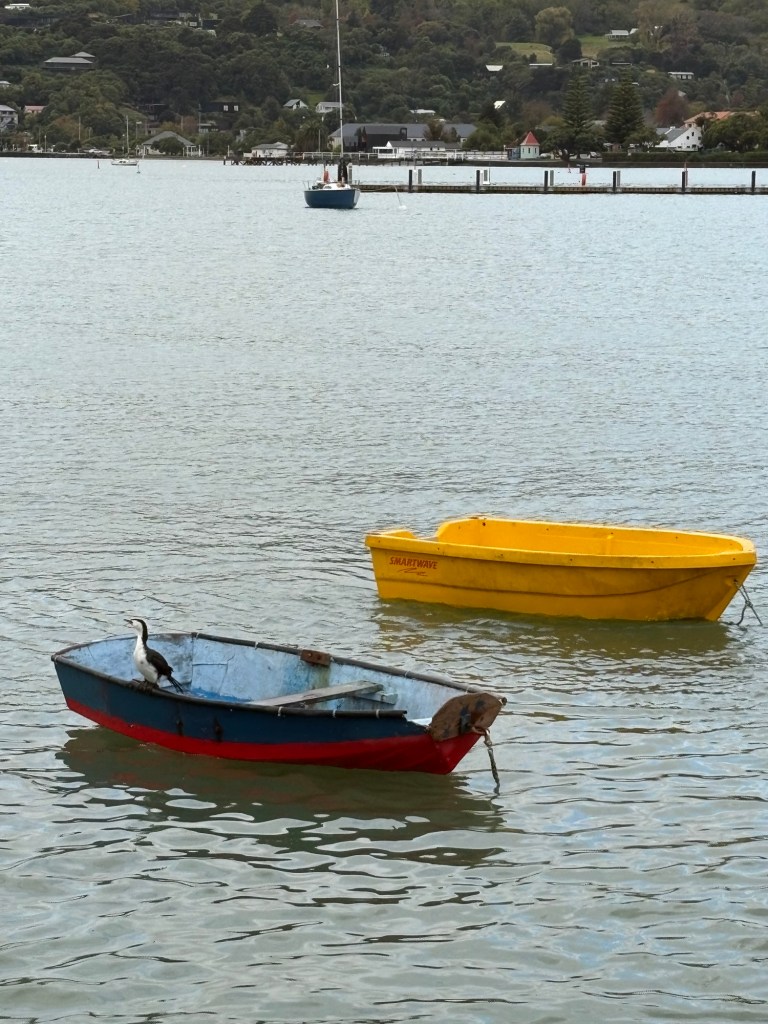
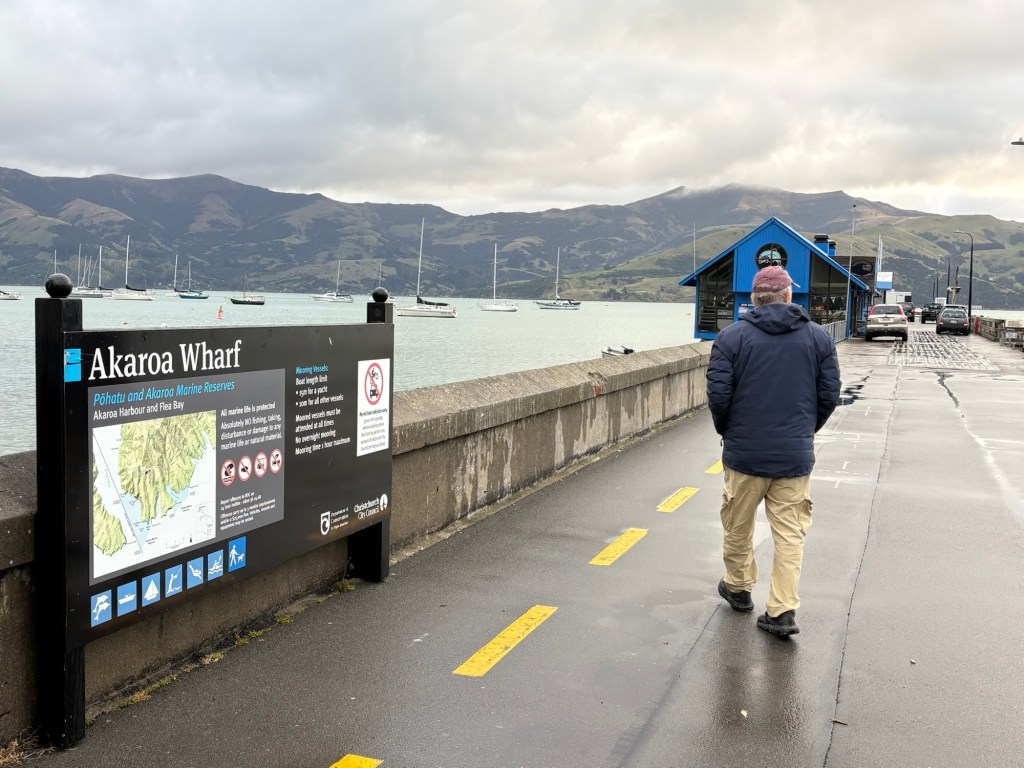
When he returned a year later, he learned his contract was invalid as their were 57 other chiefains between this Bay and Christchurch. The British had made a deal with the other 57 while the captain was gone. The British had a convenient solution, you can stay, IF you become British citizens. They agreed and the town continued to flourish even after the whaling trade declined, as logging and lumber mills took over.
One last interesting fact about the town. When an earthquake destroyed the cruise ship piers in Lyttelton, 11 cruise ships a week were diverted to Akaroa for 10+ years. Can you imagine that many cruise ships porting at Coupville or even Port Townsend???!!
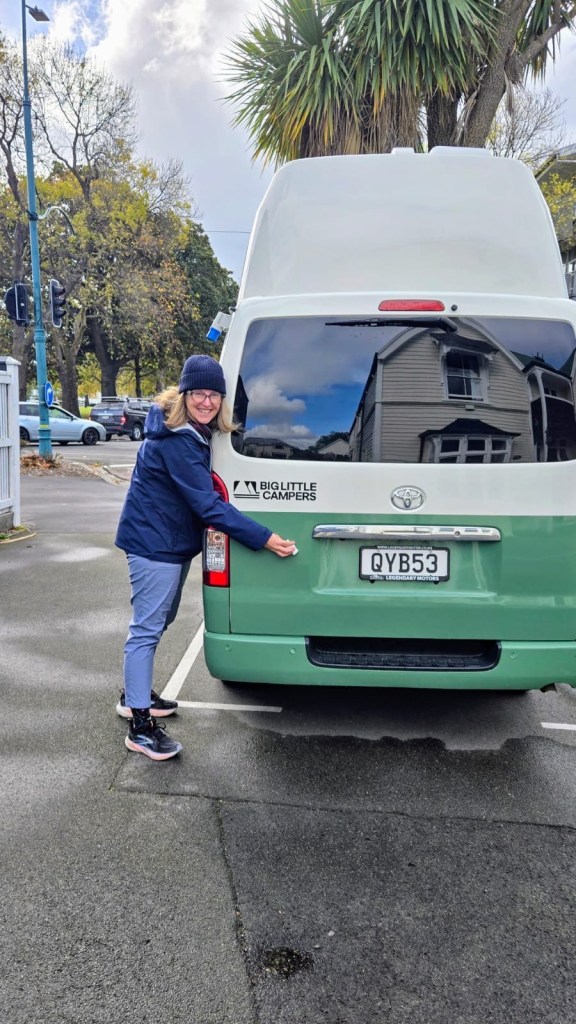
Next stop, the North Island. Underrated by so many blogs!
Blessings and we miss you
Michelle and Jim


Wow! So much to see on the island. The flexibility seems great!
LikeLiked by 1 person